Insects & Invertebrates

Biggest scorpion to ever live revealed from 415-million-year-old fossils. It was 1m long and had pincers larger than table knives
These UK fossils have puzzled palaeontologists for more than a century. Now they’ve been re-examined and identified as an ancient scorpion that was larger than a cat

“It carefully measures insect body parts for size, chewing down the ones that don’t fit...” This carnivore decorates its home in bones of its prey
Most caterpillars are herbivorous and spend their lives munching on leaves and vegetation. But not this one – this one is a predator.

“A deeper genetic mystery.” This spider sports a smiley face – and scientists just discovered a new species of it
The happy-face spider was thought to be unique to Hawaii – until now.
null
undefined

“That innocent question hit me like a lightning bolt." Scientist's two-year-old son inspires discovery of new type of worker honeybee
Secrets of the hive unlocked thanks to child’s question.

“Enveloped by the mouth and suffocated inside, 6,000 teeth scraping, rasping and boring into its flesh…”
Hidden away in New Zealand’s forests is a giant snail that eats earthworms like spaghetti.

"The real danger comes when they horrifyingly attach INSIDE your body..."
Leeches are famous for drinking blood – and being used in medicine. But can these slippery little vampires ever be deadly?

"As it lurks behind the trapdoor, a twitch on the trip wire alerts it that something tasty has just walked past..."
The master secret ambush predator, that spend most of their lives hidden beneath the soil, waiting to strike with lightning speed.

"The toady face is the spider’s backside..." Arachnophobes look away now as here are the 10 weirdest spiders in the world
Check out the weirdest spiders in the world, from the curiously-named 'happy-bum spider' to a fearsome species that eats its sexual partner

“Over the next 6 months, it will prey on the defenceless larvae until it’s 100 times its original size.” This undercover carnivore may look harmless – but don’t be fooled
In rare footage captured for the BBC’s Wild Isles, the carnivorous caterpillar uses master trickery to survive.

Researchers went into a 25m-deep tunnel in Greece – and found an unidentified creature clinging to the walls
A new species of cricket has been discovered inside a man-made tunnel on a small island in Greece.

Heatwaves may be leaving a generation infertile – and ruining sex lives
New research suggests that extreme heat can damage the future fertility of solitary bees

It looks just like a twig and flies at night – and now is the time to see it
Meet the extraordinary buff-tip moth – one of nature's greatest mimics.

It looks like a bee, acts like a bee – but this no bee...
Bee-flies are found in gardens and allotments around the British Isles – so you might be lucky enough to spot one engaging in its unusual reproductive behaviour

What's the largest beetle in the world? Clue – it's as long as a toothbrush
Two beetle species are contenders for the accolade of biggest beetle– depending on how you’re measuring.

"This acoustic assault appears to be an effective deterrent to stop it from being eaten by its host and the host from losing its friend with benefits..."
For a long time, biologists were puzzled by the curious appearance and behaviour of the New Zealand bat fly. Now they think they've figured it out. Nick Baker reports...

“The cordyceps erupts from the ant’s head.” Deadly parasitic fungus infiltrates an ant’s body and mind in this BBC Planet Earth clip
In footage captured for BBC’s Planet Earth, an ant is infected by deadly zombie fungus.

"It preys on animals 6 times its size and hides in walls..."
Scientists have discovered a tiny wall-dwelling spider in Colombia – and named it after the iconic band Pink Floyd

It looks like a crab, runs sideways, can change colour, and lurks in meadows, waiting for unsuspecting prey to wander by
Meet the flower crab spider – the nemesis of meadow-loving insects.

"The longer it stays latched onto your skin, the more toxin it pumps in until your legs start to give way and your face and breathing muscles begin to freeze..."
It’s not much bigger than a sesame seed but its toxin will leave you unable to walk

It's as big as a rolling pin and can drain a tablespoon of human blood in a single meal, thanks to its razor-sharp hypodermic needle-like mouth
Deep in the Amazon, a giant leech lurks, quietly feeding off victims in rivers and swampy waters, largely unseen.

"The male rubs a ridge on its penis against ridges on its abdomen, thereby setting the pond – and any female in it – abuzz..."
Nick Baker and Richard Jones take a look at this fascinating aquatic insect

Which species are named after Sir David Attenborough? And how many of them are there?
Sir David Attenborough has over 50 species named after him, ranging from a prehistoric marine reptile to a native British flower only found in the Brecon Beacons of South Wales.
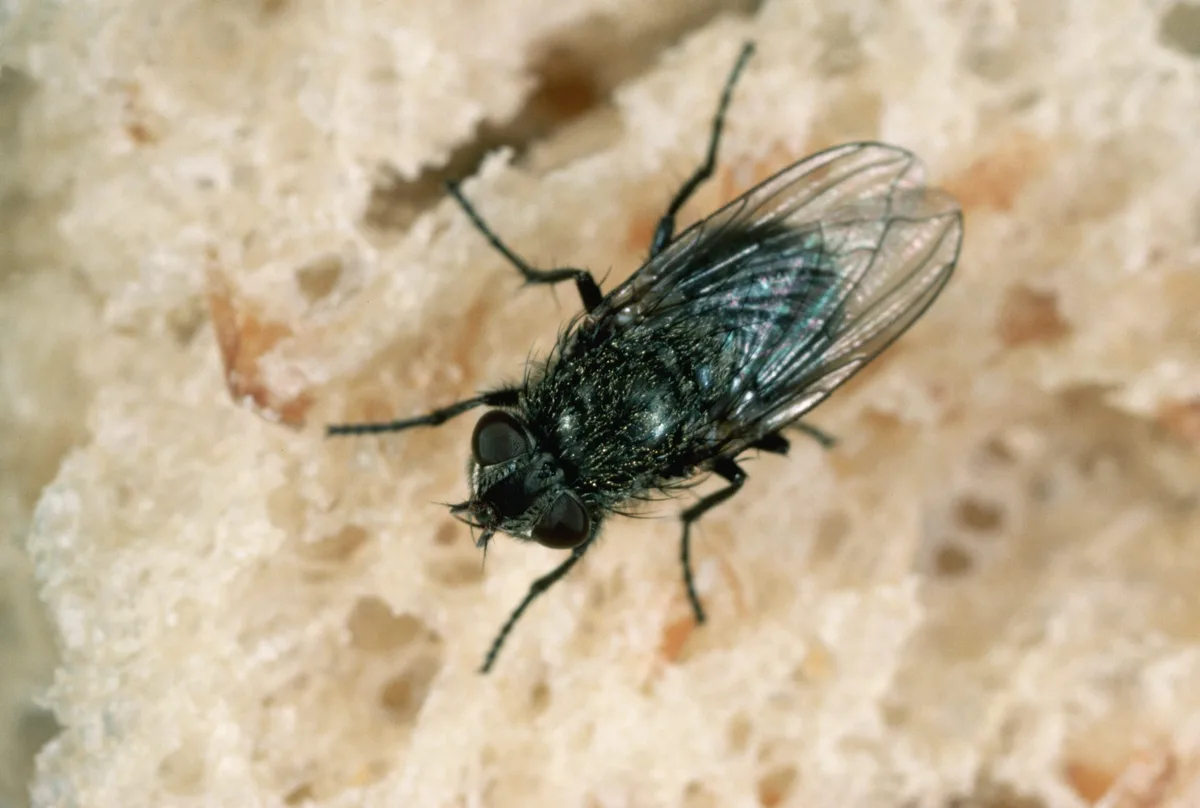
What happens when a fly lands on your food? It’s not so much about the fly as where it's been... (poop!)
The time a fly spends stomping around your meal increases the associated health risks, so the natural instinct to swat it away immediately is right on the money.

It doesn’t have gills but spends most of its life underwater – thanks to a special oxygen tank it creates
Wondering which spider wins the record for spending the longest time underwater? Step forward the diving bell spider
