Great tits begin to sing again at the end of February, even on bitter days when it still feels very much like the middle of winter, then in March they dial up the intensity of their singing as the breeding season grows near.
- Plants play techno, chimps drum and one creature uses its minuscule penis as a bow – why music isn’t just for humans
- Best singers in the animal kingdom: forget birdsong – whales, frogs and monkeys are nature's top vocalists
The species has a wonderfully cheery, upbeat song. It’s based on a straightforward repetition of two clear notes, generally described as ‘teacher teacher’, but the birds add flourishes that vary with both the individual and area.
Recently there have been fascinating discoveries about the evolution of great tit song. Researchers at a long-running research project in Wytham Woods near Oxford found that great tits of a similar age – the species lives for three or four years on average – would sing remarkably similar songs.
The scientists also noticed that the wood’s older great tits continued to sing ‘out of date’ tunes no longer used by most of the younger birds.
As in humans, whose musical tastes differ with age, young great tits prefer to learn the latest songs and sing those instead.
Ballygally View Images
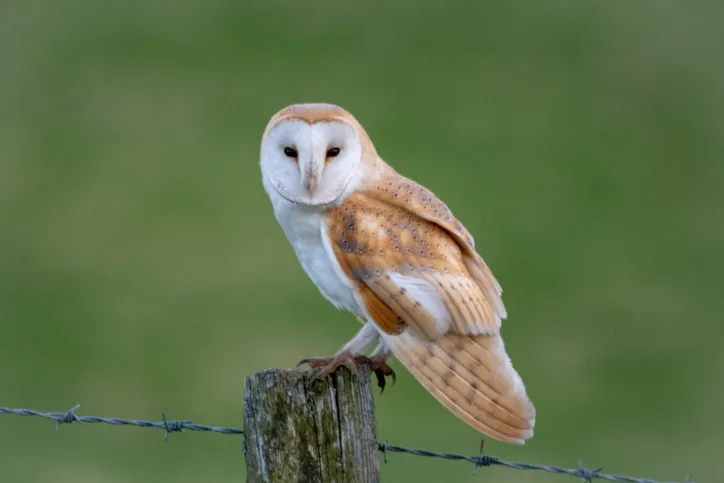
Top image: a great tit. Credit: imageBROKER/Kevin Sawford/Getty Images