
After heavy rainfall threatened nests of the Madagascar pochard, the world’s rarest duck, conservationists collected its eggs from the wild. They then carried them 44km on foot to a specialist breeding centre – resulting in a successful rearing of a new generation.
- These 14 incredible photos reveal the extraordinary diversity of wildlife in Madagascar
- It’s millions of years old, larger than California and home to creatures that exist nowhere else on Earth
The eggs were collected in November 2025, in an operation coordinated by Durrell Wildlife Conservation Trust and The Peregrine Fund, from the species’ only known wild nesting site at Lake Matsaborimena in northern Madagascar.
The team carried the eggs in a cooler using a traditional Malagasy method. The journey wasn’t easy, requiring them to cross rivers, misty open plains, hanging bridges, and leading them through roads impassable by car due to the heavy rainfall.
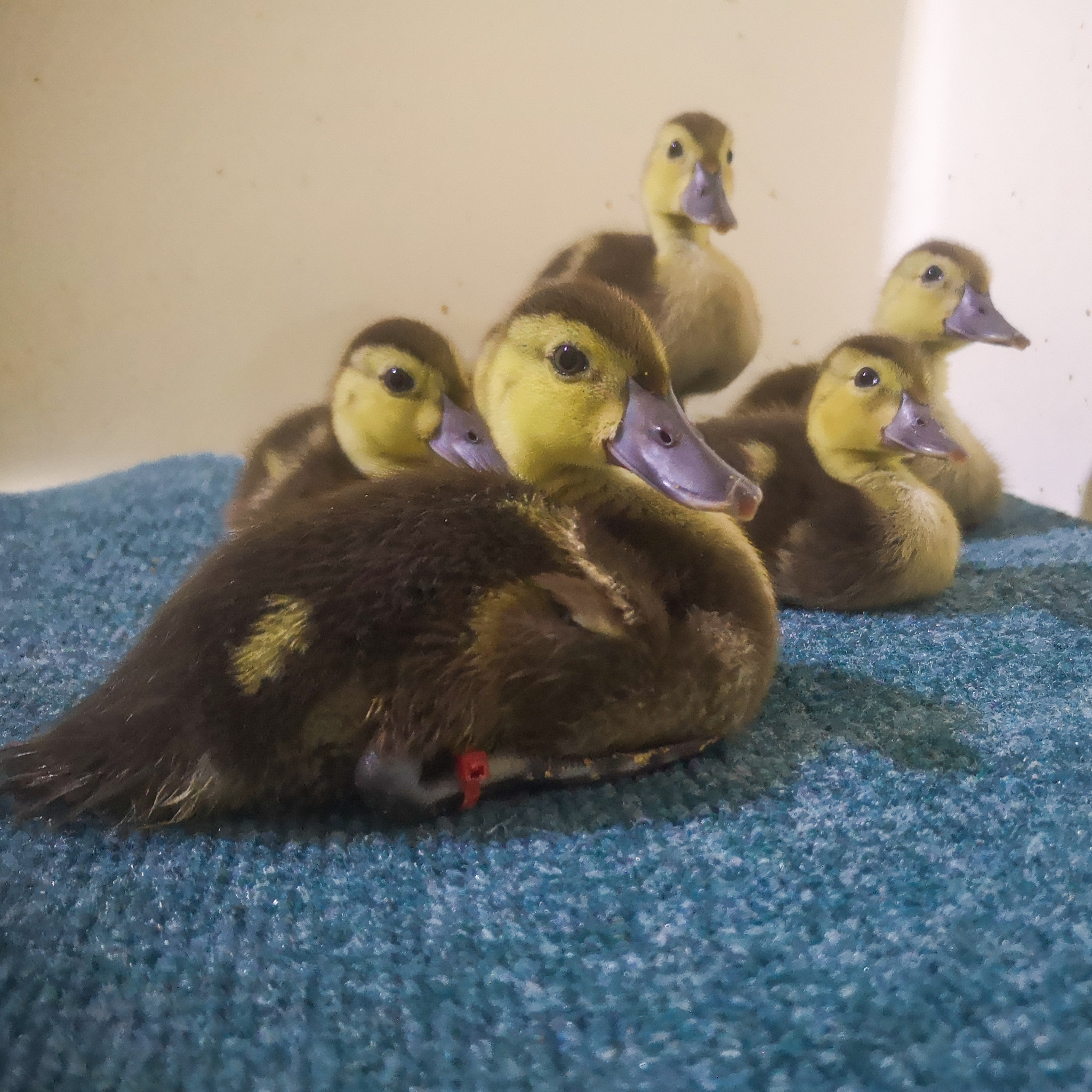
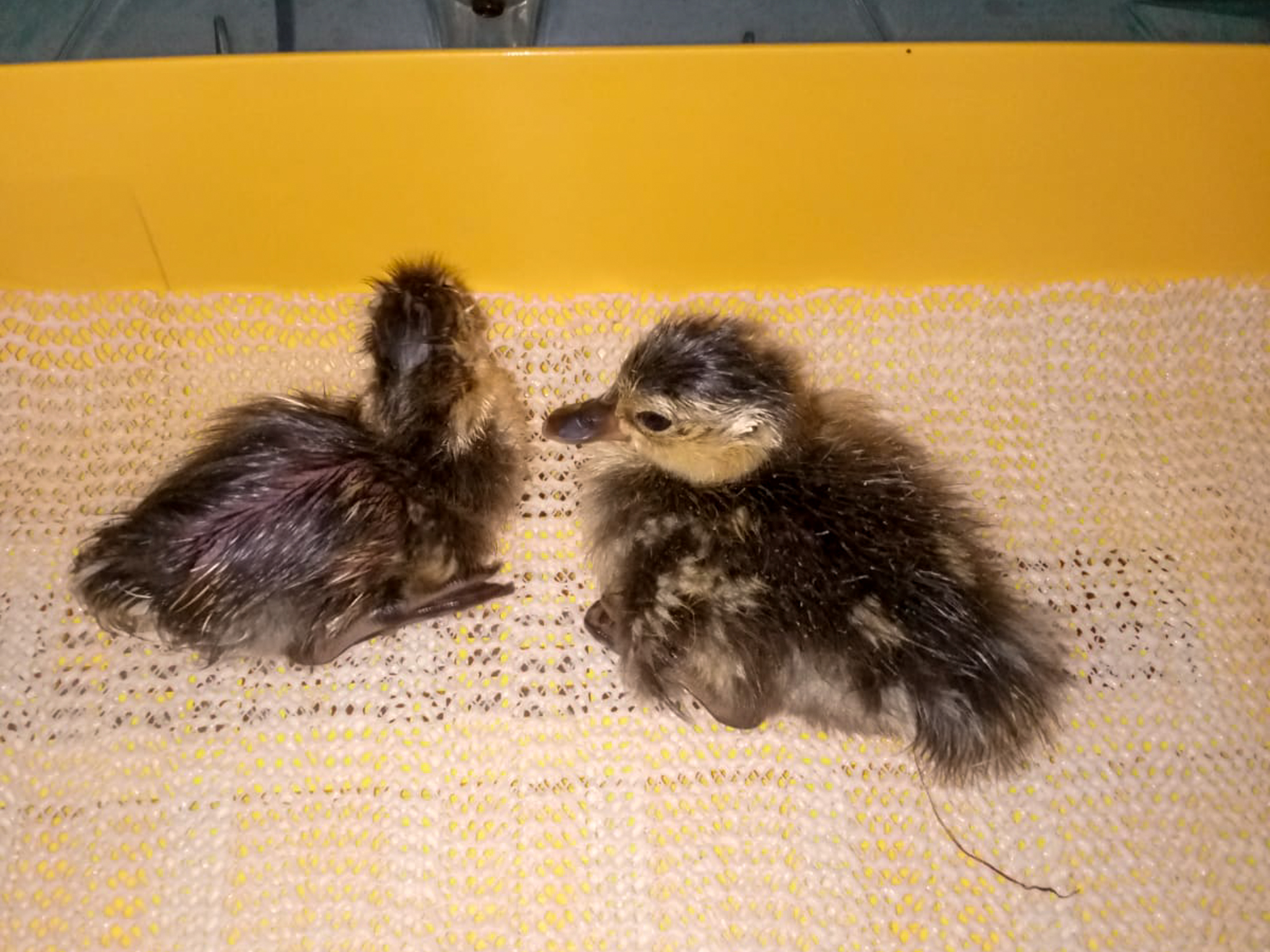
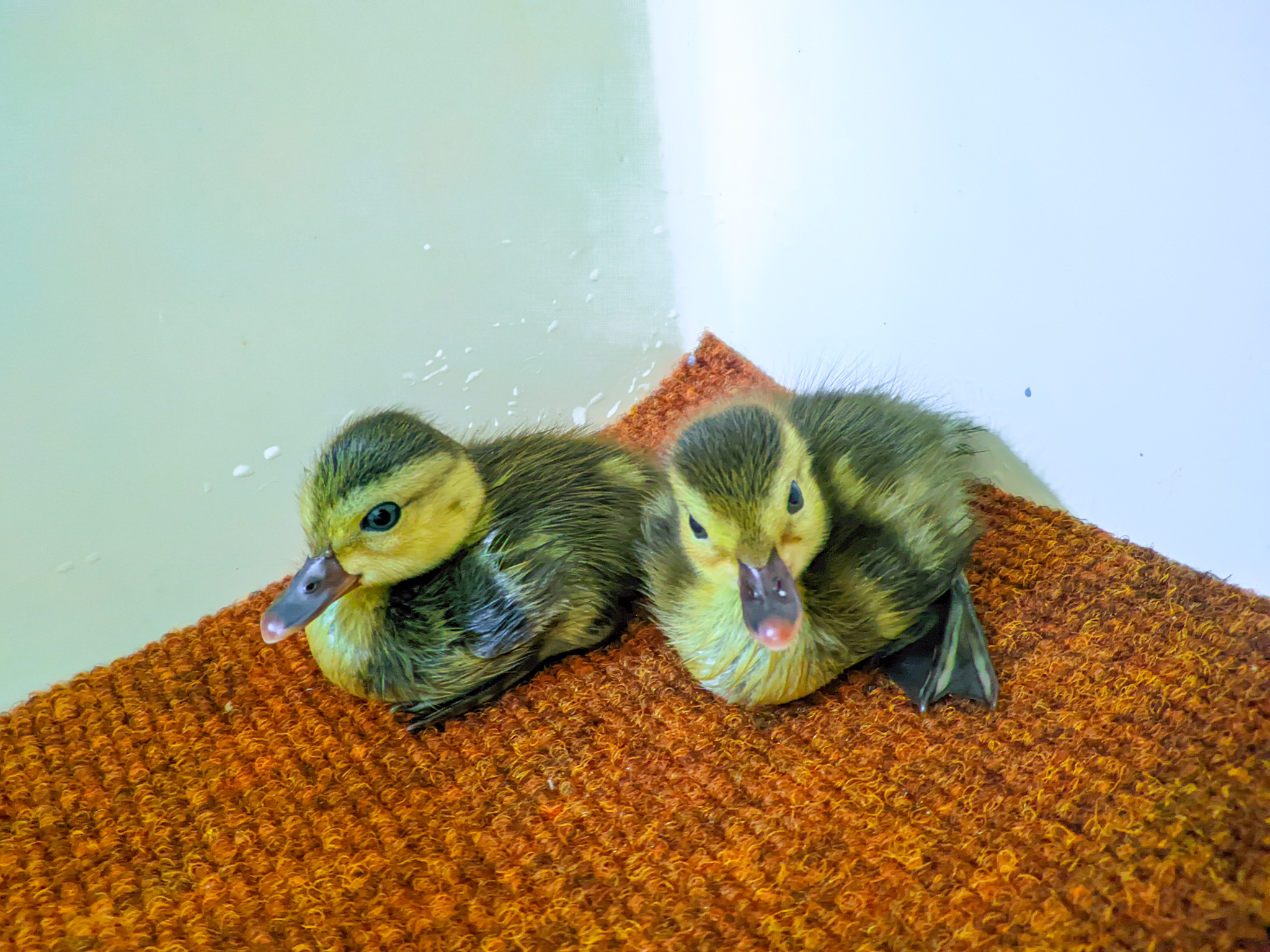
From 15 fertile eggs, six birds hatched. Now that they have reached adulthood, conservationists are able to announce that this approach can successfully produce healthy birds, providing an important tool to help protect this rare species from extinction.
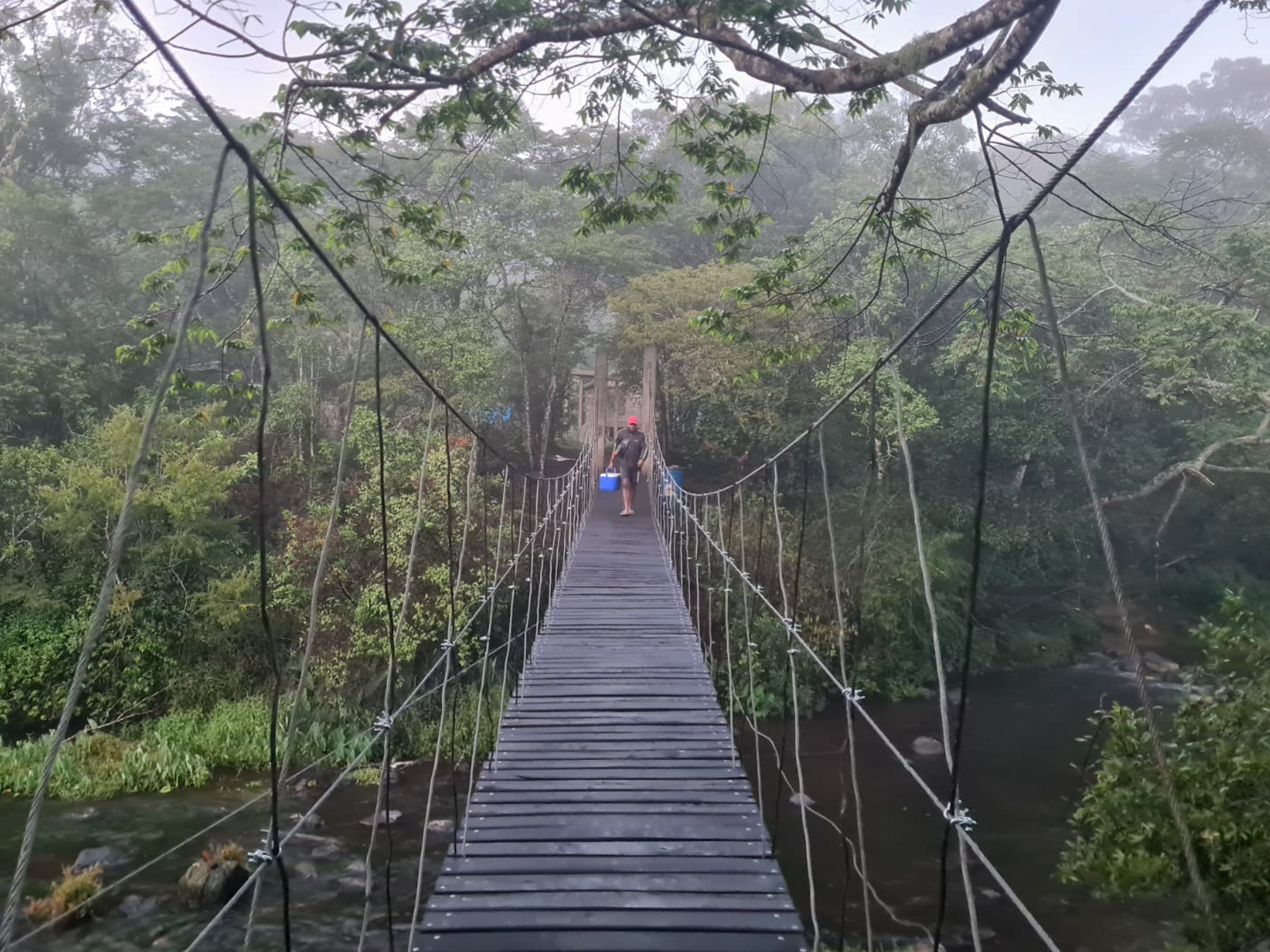
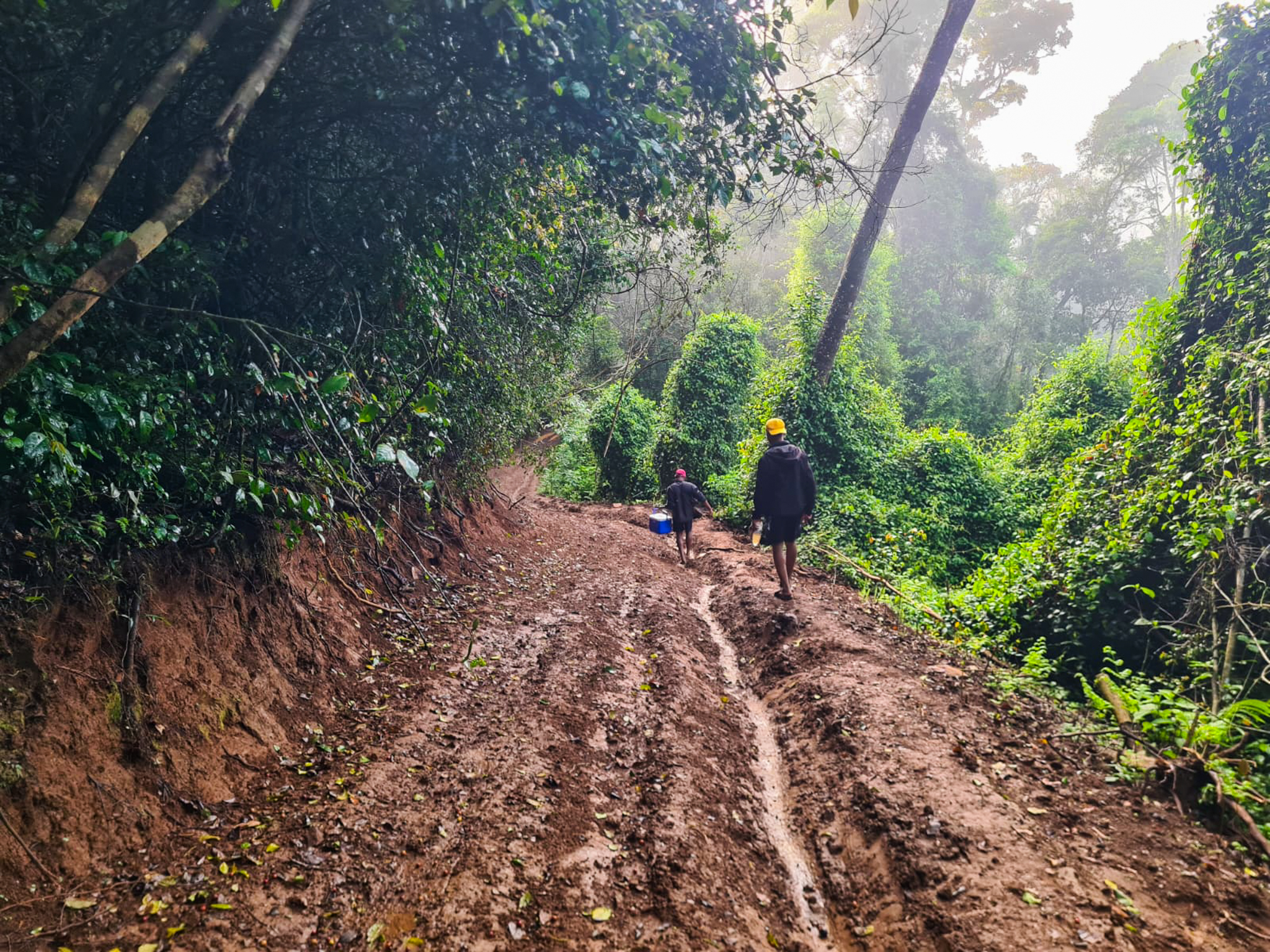
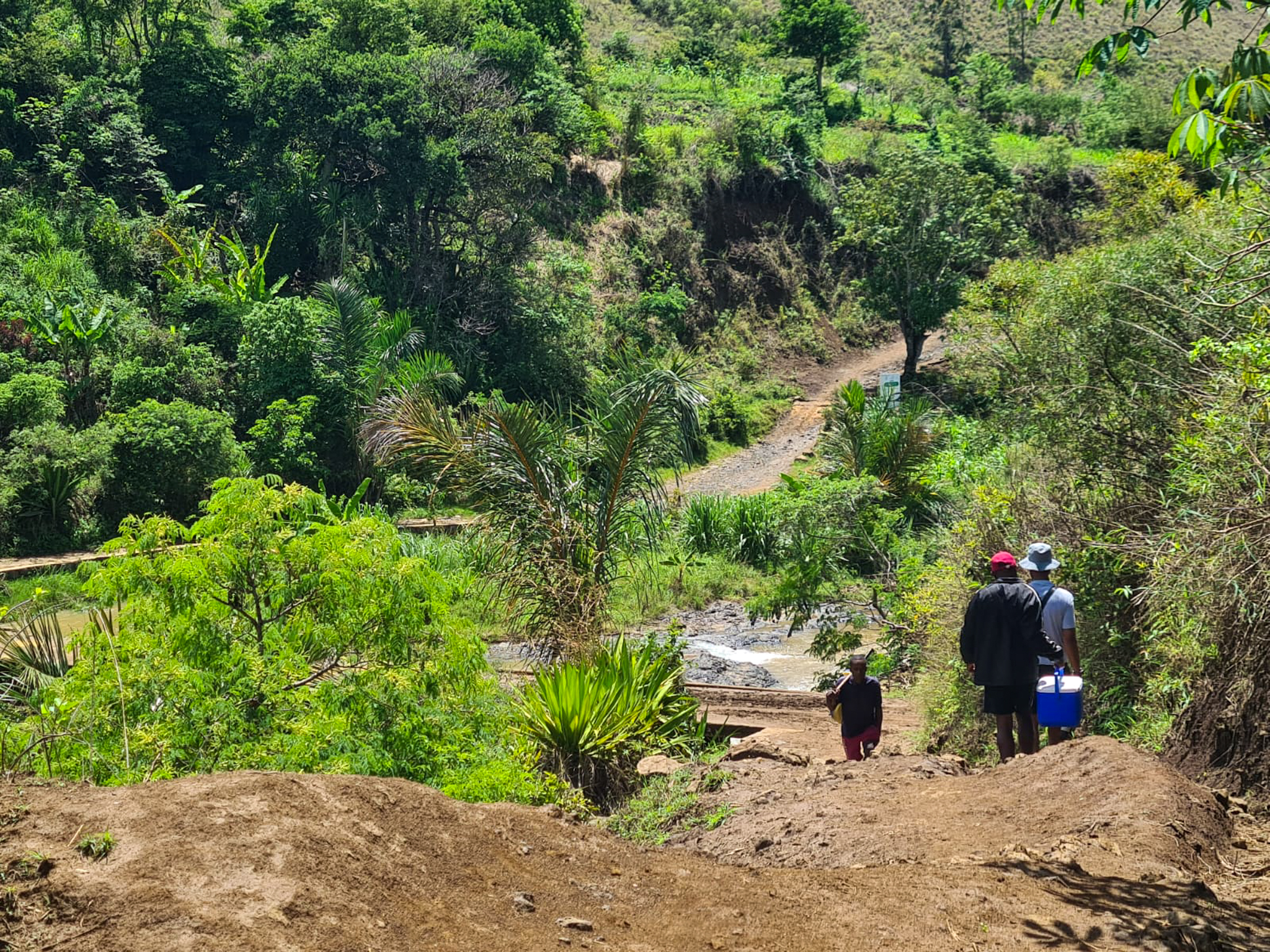
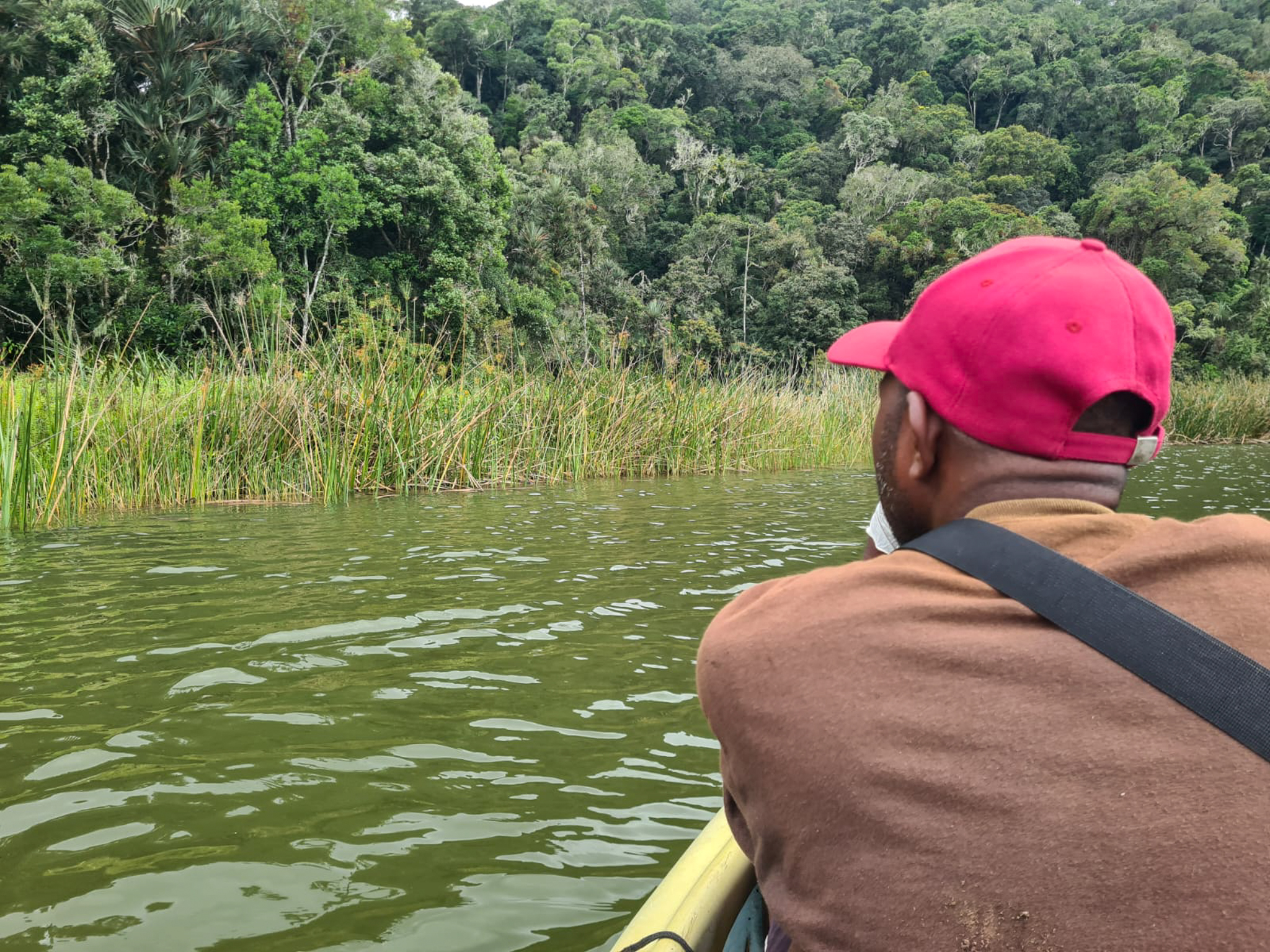
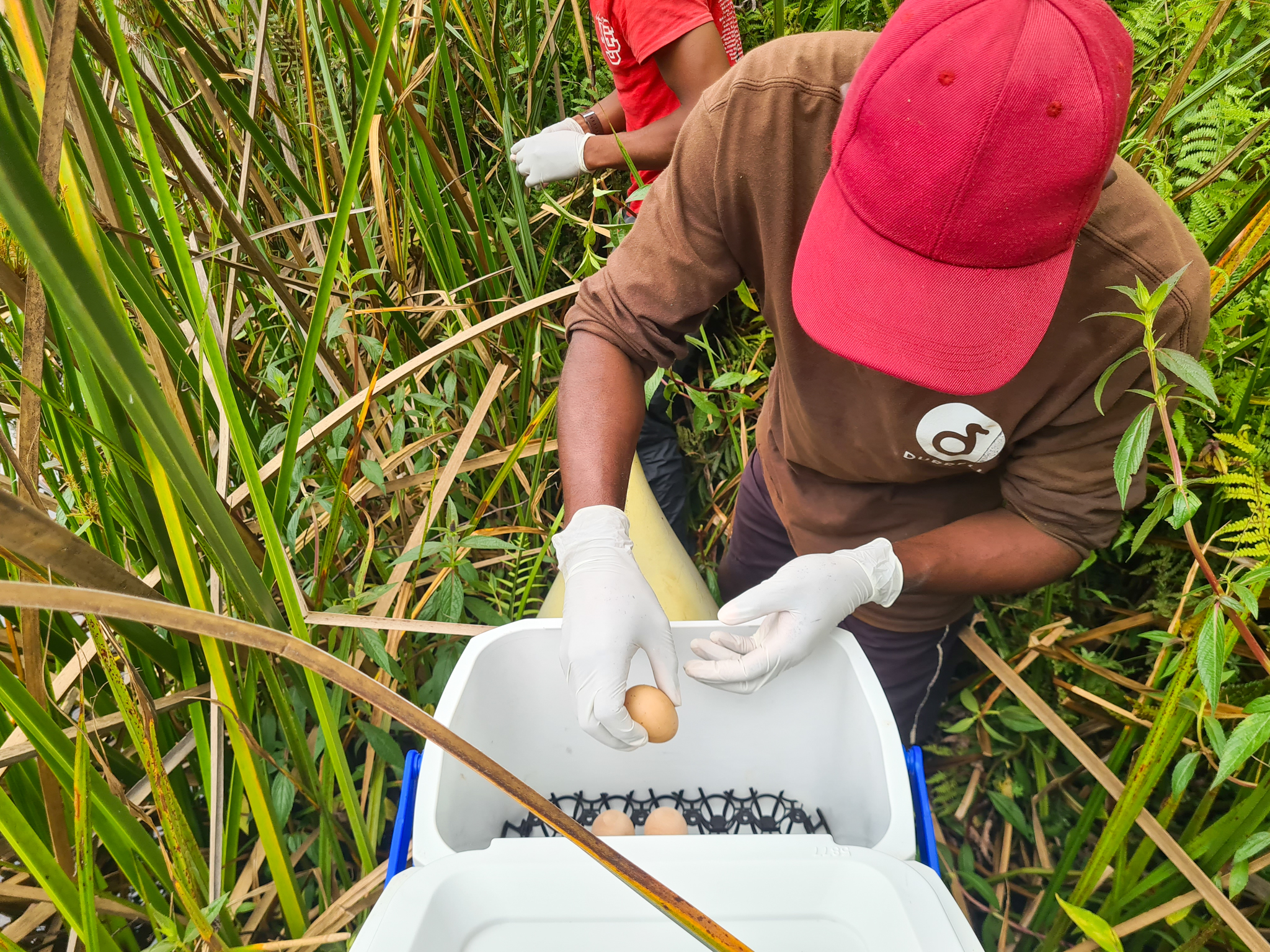
Credit: Durrell Wildlife Conservation Trust
“This is an important milestone for the Madagascan pochard,” explains Roland Digby, conservation biologist at Durrell Wildlife Conservation Trust. “We’ve shown that, when conditions demand it, we can safely collect eggs from the wild, transport them on foot and successfully incubate and rear healthy birds. That gives us another valuable conservation tool to help secure the future of this remarkable species.”
“Every breeding season matters when a species survives at just one wild site, so having another proven conservation tool could make a real difference.”
A story of rediscovery
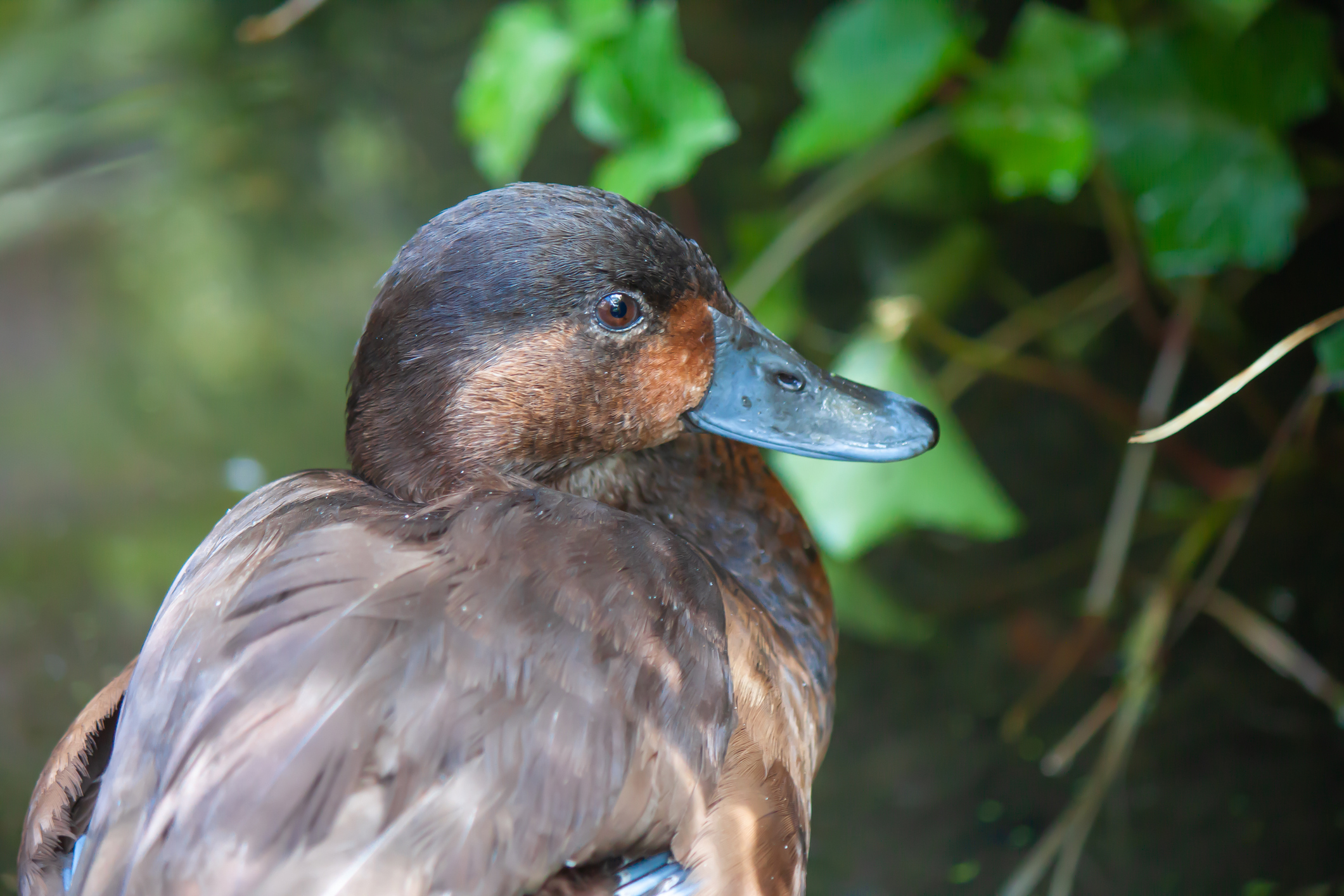
The Madagascar pochard (Anthya innotata), locally known as the fotsimaso, was once thought to be extinct. With the last confirmed sighting in 1991, there wasn’t much hope for this rare bird.
But in 2006, a tiny population of just 9 adults (5 males and 4 females) was rediscovered at Lake Matsaborimena. Following the rediscovery, the Durrell Wildlife Conservation Trust has been leading a recovery programme combining habitat restoration, captive breeding and reintroductions.
Today, around 180 Madagascar pochards exist across captive and wild populations – 51 birds at the Trust’s breeding centre in Antsohihy, 82 wild birds at Bemanevika and 74 birds at Lake Sofia (all in northern Madagascar).
“For many people, this is a story about six ducks. For us, it’s about what long-term conservation can achieve. Recovering a species like the Madagascar pochard doesn’t happen in a few months or even a few years. It takes persistence, partnerships and a willingness to keep going when the work becomes difficult. This is what long-term conservation is all about,” says Rebecca Brewer, CEO of Durrell Wildlife Conservation Trust.
More photos of the Madagascar pochard:
Top image: Carrying pochard eggs to safety. Credit: Durrell Wildlife Conservation Trust


