
After an absence of more than 20 years in the wild in Niger, the North African ostrich has returned to its natural habitat.
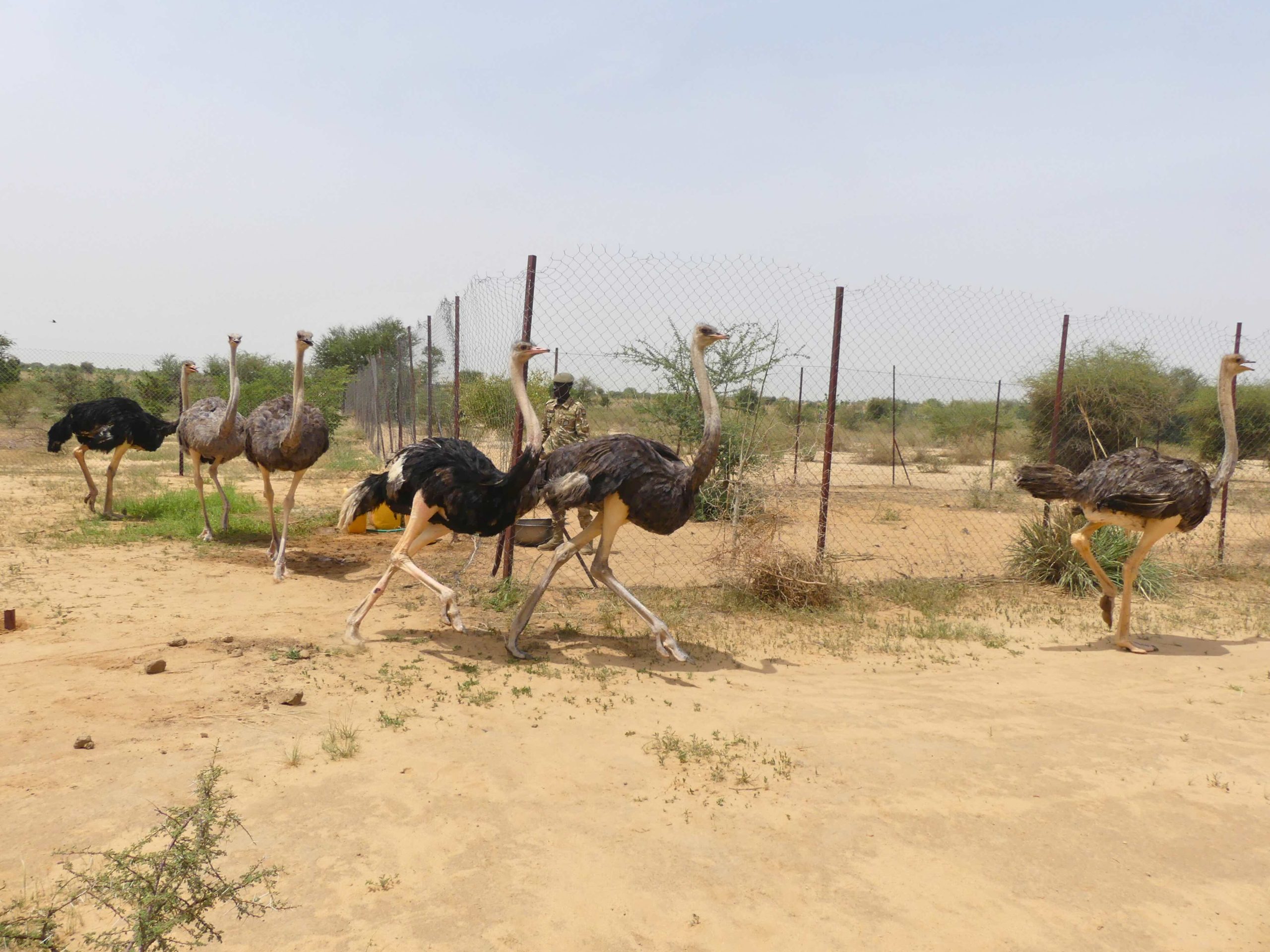
Last week, eight ostriches (five females and three males) were released into the Gadabedji Biosphere Reserve (GBR), where the species had not been seen in the wild since 1955.
The North African ostrich (Struthio camelus camelus), also known as the red-necked ostrich, previously occupied a vast area across the Sahara and Sahel. Hunting, egg collection, chronic drought and habitat loss and degradation caused their populations to rapidly decline. Niger’s last wild ostrich disappeared in 2004 in the Aïr and Ténéré National Nature Reserve.
This first reintroduction marks a milestone in efforts to progressively establish a viable wild population in Gadabedji Biosphere Reserve (GBR) and will contribute to the long-term return of the emblematic bird across its historical range in Niger.
- Flightless birds: how did some birds lose their ability to fly?
- Meet the 10 tallest animals on Earth
“It was an immense, priceless joy to see this magnificent bird back in the wild, just as it used to be,” says Dr. Maimounatou Ibrahim Mamadou, Ostrich Breeding Sites Manager for Sahara Conservation in Niger, who worked on the long-term project, along with the Nigerien government and other partners.
“For years, the North African ostrich existed in Niger only as a memory, so seeing them returned to the landscape was a reminder that, with commitment and collaboration, we can restore what was lost and help ecosystems recover.”
- What's the biggest bird on Earth?
- 5 giants of the sky: these birds have the largest wingspans on the planet
The GBR is a major protected area in central Niger, recognised by UNESCO and dedicated to restoring native Sahelian wildlife. Covering over 14,000 square kilometres, it’s situated in the Sahel and functions as a climatic transition zone between the arid Sahara Desert to the north and the wetter savannahs to the south. It contains a mosaic of wooded steppe, open grasslands, sand dunes, shrubland and patches of savannah, with seasonal ponds created by rain providing vital water sources for wildlife.
Part of the North African ostrich’s historical range, the GBR was chosen as the starting point for reintroduction activities, following the giraffe translocations carried out there in 2018 and 2022.
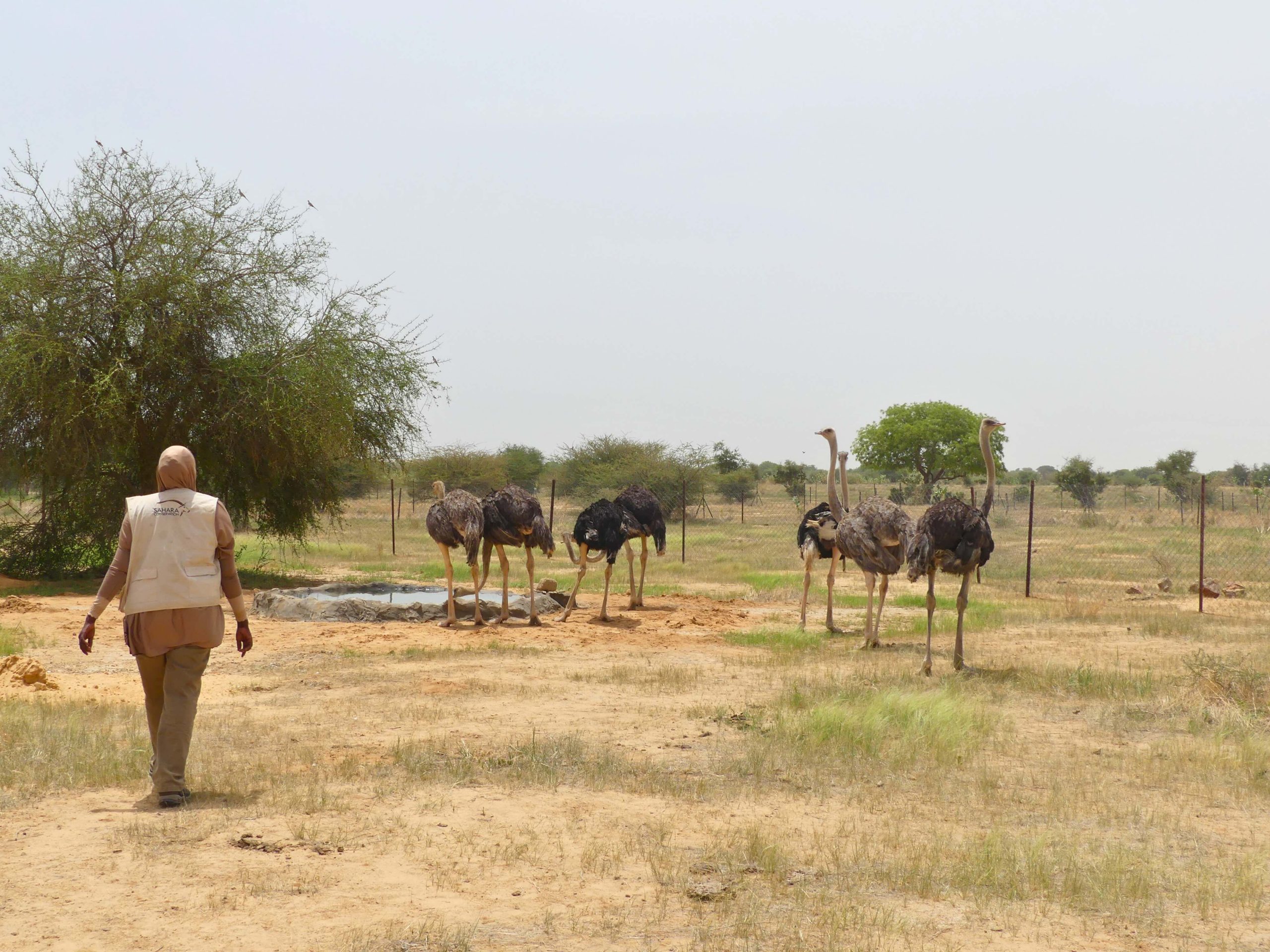
“Ostriches play significant roles dispersing seeds and nutrients, and helping plant-germination through their droppings,” explains Mamadou. “We think this is particularly important in recovering landscapes because these giant birds can move and have an influence over large areas, helping with ecological connectivity. Adult ostriches have few natural predators but they produce a lot of eggs and chicks that support local food webs.”
Dozens more ostriches are also currently distributed across several breeding sites, including Iférouane (Agadez Region), Kellé (Zinder Region) and Mainé-Soroa (DiJa Region), with more reintroductions likely in future.
Teams will now monitor the ostriches at the GBR. “During the formative stages, we’ll monitor the breeding and survival of the released birds, so the first wild-hatched chicks will be an important step, and seeing that cohort grow into adulthood and breeding themselves will be really significant,” says Mamadou.
“But in the longer term, we hope to see the numbers and range of ostriches increase to the extent that a self-sustaining population is re-established in Niger.
"Long‑term success also means ostriches contributing to landscape restoration and sustainability through their ecological role, and that their presence is beneficial to people.”
More amazing wildlife stories from around the world
- Coyote finds vulture nest in Texas. What it does next has never been caught on camera before
- Birdwatchers spotted a black vulture nesting on the roadside. What it was sitting on amazed them all
- Oregon’s biggest city was drowning in crow poop. Then a new predator came to town
- Scientists hid cameras in an abandoned house in Argentina – and found carnivores sharing a room inside it


