
Robins have a rich cultural history that spans the globe – although the different species with ‘robin’ in their name often have little to do with each other, even representing different families. But one thing some of them do have in common is intelligence, as well as their ability to recognise humans.
- It has a bizarre beak, is twice as heavy as a robin and uses animal hair to make its nest
- Buzzing chainsaws, clattering machine guns and metallic hammering: 7 of the weirdest bird noises on Earth
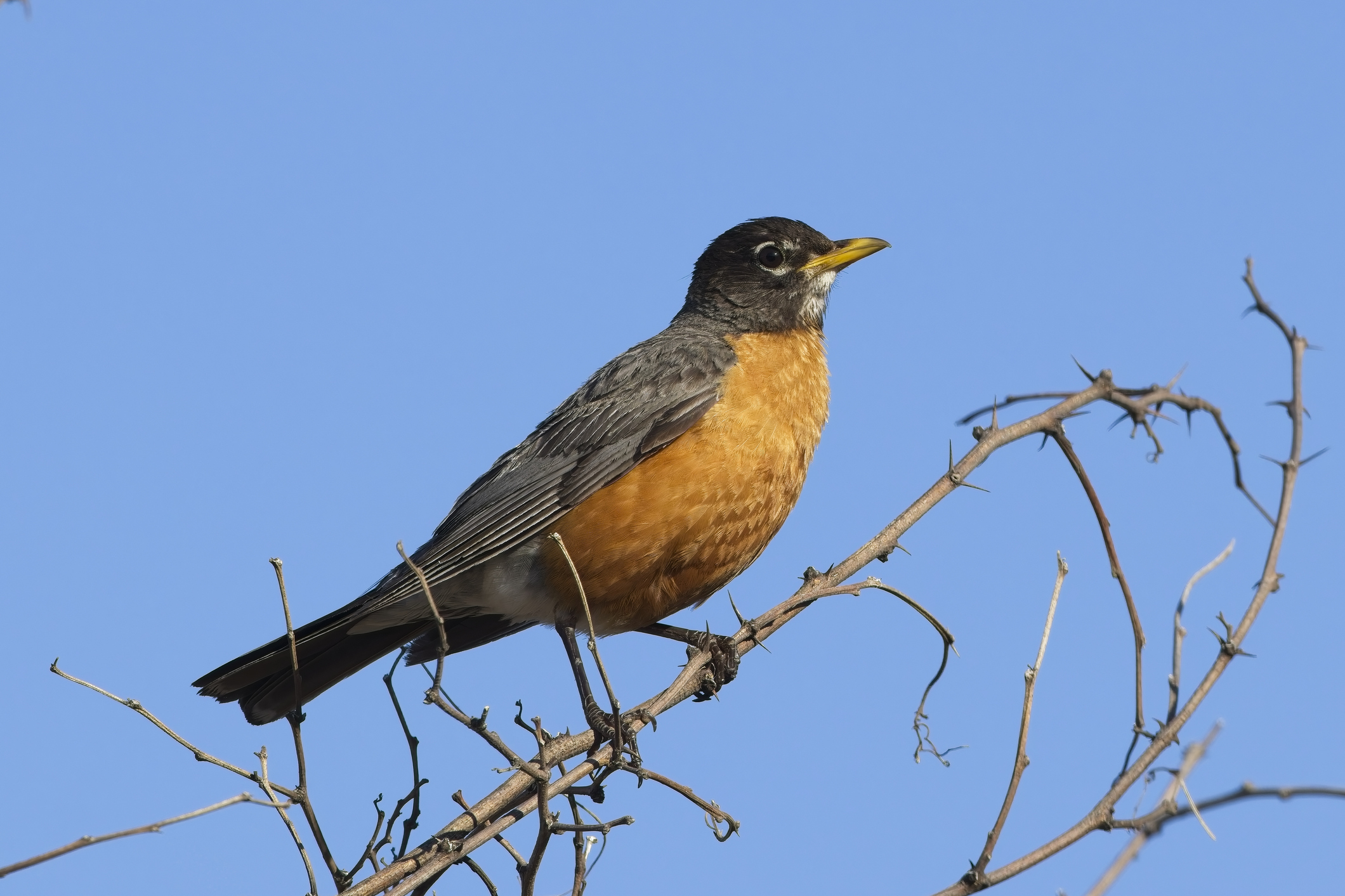
When hearing ‘robin’, a lot of people might think of a large songbird with a red breast and dark head and body. That would be the American robin (Turdus migratorius), widely distributed across North America.
If you live in the UK, you might think of the European robin (Erithacus rubecula), with an orange-toned red breast, face lined with grey and a whitish belly, commonly spotted in gardens. The American robin gets its name from this smaller songbird due to their resemblance to each other.
Although no official studies have confirmed this, there is lots of anecdotal evidence that European robins and American robins are particularly good at picking up on specific human traits such as gait, gestures and even facial distinctions.
They are thought of as inquisitive and curious birds, as they often will follow humans around. But it’s not because they’re being friendly – it is purely practical.
Robins are opportunists when it comes to food, and many of them have adapted to living in close quarters with humans. To them, you are a large creature, and when large creatures move around (or start gardening, for example), unearthed worms or insects get stirred up. That means dinner time for the bird!
- “None of us were expecting a hunt." Wildlife watchers in awe as peregrine takes down jay right in front of boat
- Purple is nature's rarest colour but purple animals do exist: 9 beautiful, incredible purple animals that look like they've been painted
A distant cousin
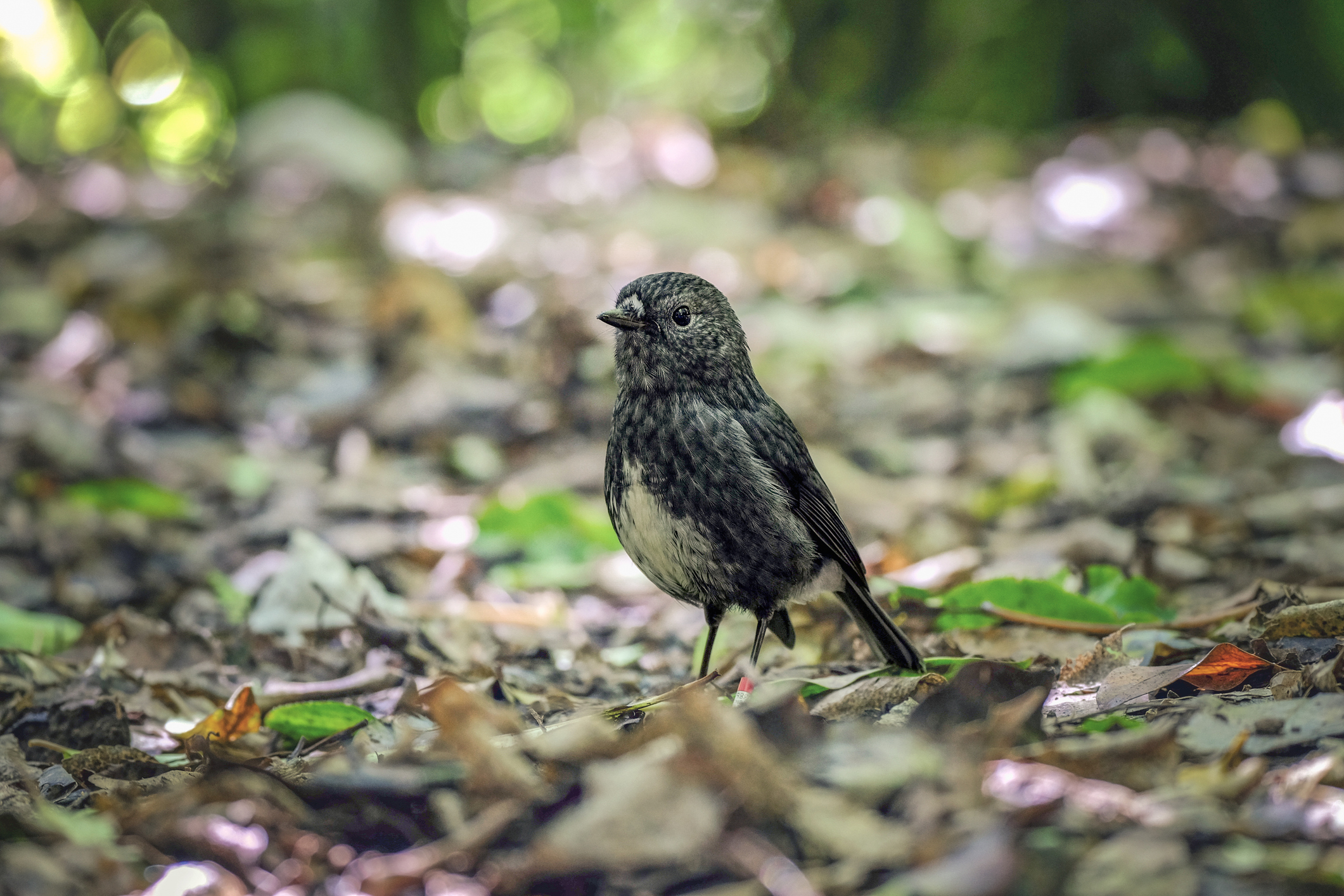
On the North Island of New Zealand lives another robin – although, once again, not closely related to either their American or European counterparts. The North Island robin (Petroica longipes) has a dark-grey plumage with a pale area on the belly and breast.
This species of robin has been the subject of a plethora of behavioural and cognitive studies. According to a 2013 study, the North Island robins’ ability to tell humans apart varies depending on the behavioural type of the specific individual. Using a simple feeding experiment, the researchers timed how long it took the birds to attack food placed next to a human observer for seven days. On the eighth day, a different observer timed the birds.
The study found that the birds had distinct ‘personalities’, of sorts. They could be split into two behaviour types based on the way they attacked – fast attackers and slow attackers. The faster birds didn’t increase their response time when faced with a new observer, but the slower ones did.
Another study, published in 2016, found that North Island robins understand that someone with hidden or blocked arms is less able to snatch food away, making the birds’ chances of stealing that food greater.
Top image: European robin (Erithacus rubecula). Credit: Paul Broom/Getty Images


