The DNA of more than 100 ancient bison has been decoded, giving scientists a rare glimpse into the genetic history of North America’s largest land mammal.
Writing in Science, the researchers say their findings could help guide conservation efforts. “Ancient DNA is rewriting the story of one of America’s most iconic conservation successes,” says Beth Shapiro from the University of California, Santa Cruz.
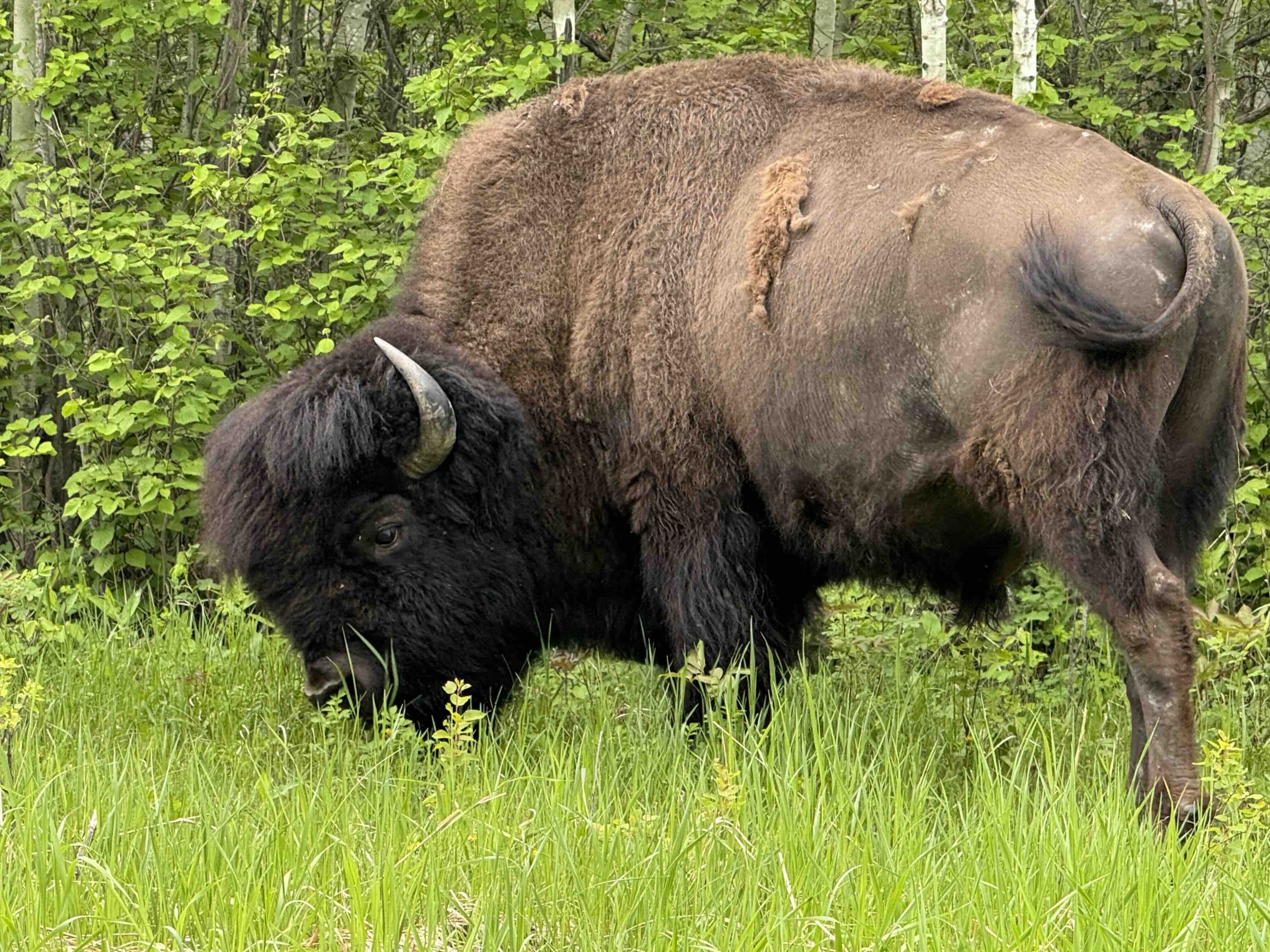
Bison once roamed across vast swathes of North America in their millions. There are two recognised subspecies. Plains bison once grazed the grasslands and prairies stretching from Canada to northern Mexico, while the larger wood bison inhabited the forests of northern Canada and Alaska.
By the early 20th century, however, hunting and government-backed eradication campaigns had reduced the animals to a few hundred. Conservationists intervened, and the population has since rebounded to hundreds of thousands. But numbers don’t tell the whole story. Early conservation measures confined the bison to isolated herds, making it hard to know what a genetically healthy population should look like.
- Scientists spent 6 years tracking Yellowstone's great bison migration. What they found is remarkable
- Bison snot holds the American prairie together. Here's how, according to an ecosystem expert
To find out how their genetic history has been shaped, researchers sequenced the genomes – the full set of genetic instructions – of 115 bison that lived before the population crash, along with 45 from the last century.
The results reveal that bison populations used to be more connected than they are today. Although populations of wood and plains bison reached an all-time low in the early 20th century, the crash did not wipe out genetic diversity. Instead, isolation caused the genetic makeup of herds to gradually diverge.
The researchers also found that every modern wood bison herd contains some plains-bison ancestry. This can be traced to a 1920s Canadian government programme that moved around 7,000 plains bison into Wood Buffalo National Park. The amount varies between herds, from 7 to 64 per cent. “Wood and plains bison are substantially distinct, and should continue to be managed separately,” says Greg Wilson, the Parks Canada bison ecologist.
The study also challenges the assumption that modern bison carry substantial amounts of cattle DNA, a legacy of attempts to crossbreed the species in the 20th century. In fact, only around a third of modern bison contain cattle DNA, and where present, it makes up less than 2 per cent of the genome.
Ultimately, the results could help conservationists decide which animals to breed and where to move them, with the aim of reconnecting isolated herds. The past, it seems, could hold the key to the bison’s future.
Top image: Alex Ugalek/Getty Images
More wildlife stories from around the world
- 21 stunning wildlife photos from Grand Teton National Park
- 33-metre, 180-tonne monster tops 'biggest animals in the ocean' list – and makes the great white shark look tiny
- When a pride of lions went down to the waterhole, they bumped into a hippo. Here's what happened next
- Great Smoky Mountains wildlife captured in 15 breathtaking photos