
Researchers have described three new species of conger eel, drawing on 130 specimens collected from the deep-sea around Taiwan.
The study was conducted by researchers from National Taiwan Ocean University, University of Taipei and the Smithsonian Institution. The findings were published in the journal ZooKeys in July 2026.
The species are from the family Congridae, which also includes garden eels, known for burrowing into the seabed – with a colony of garden eels resembling blades of seagrass as they sway with the current.
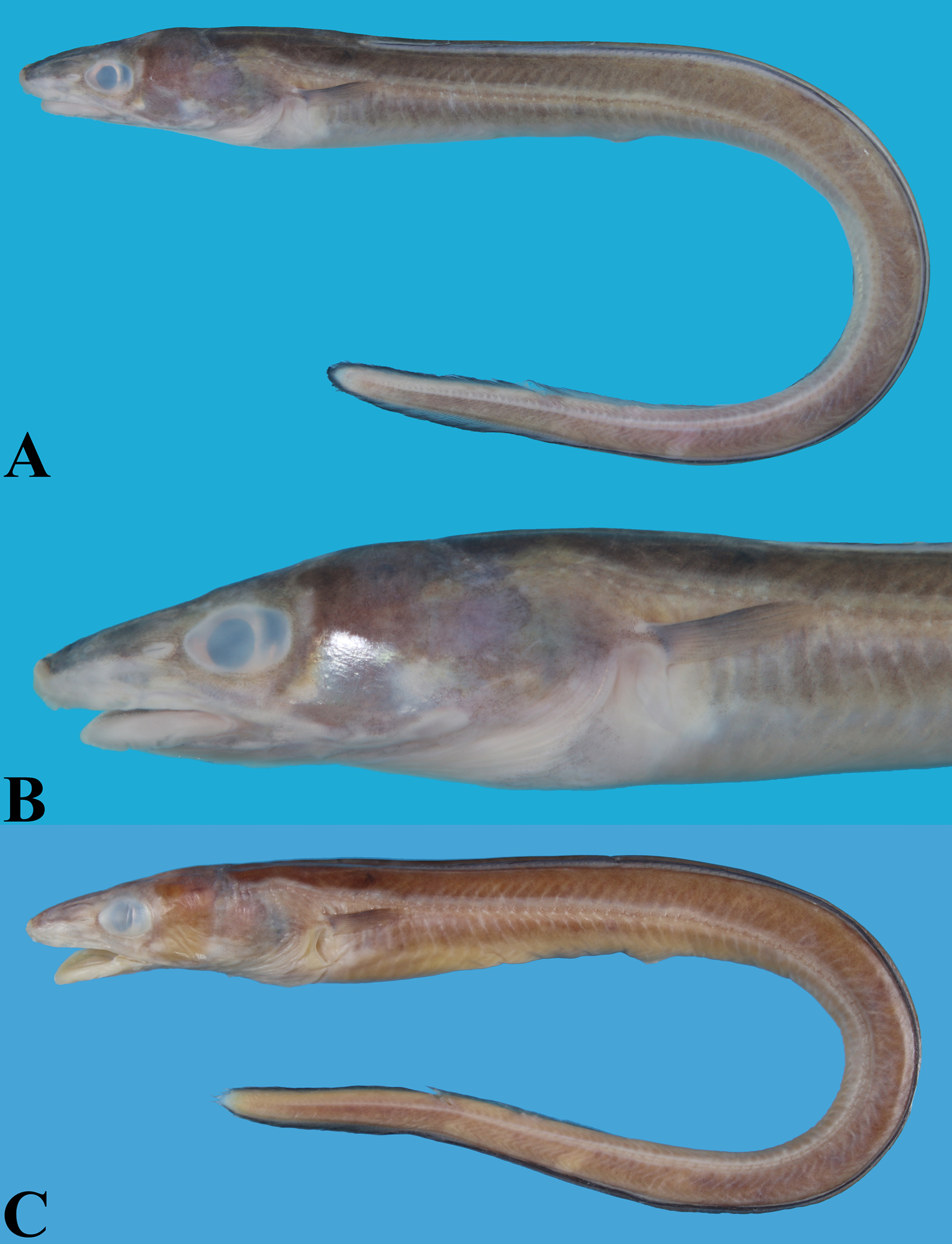
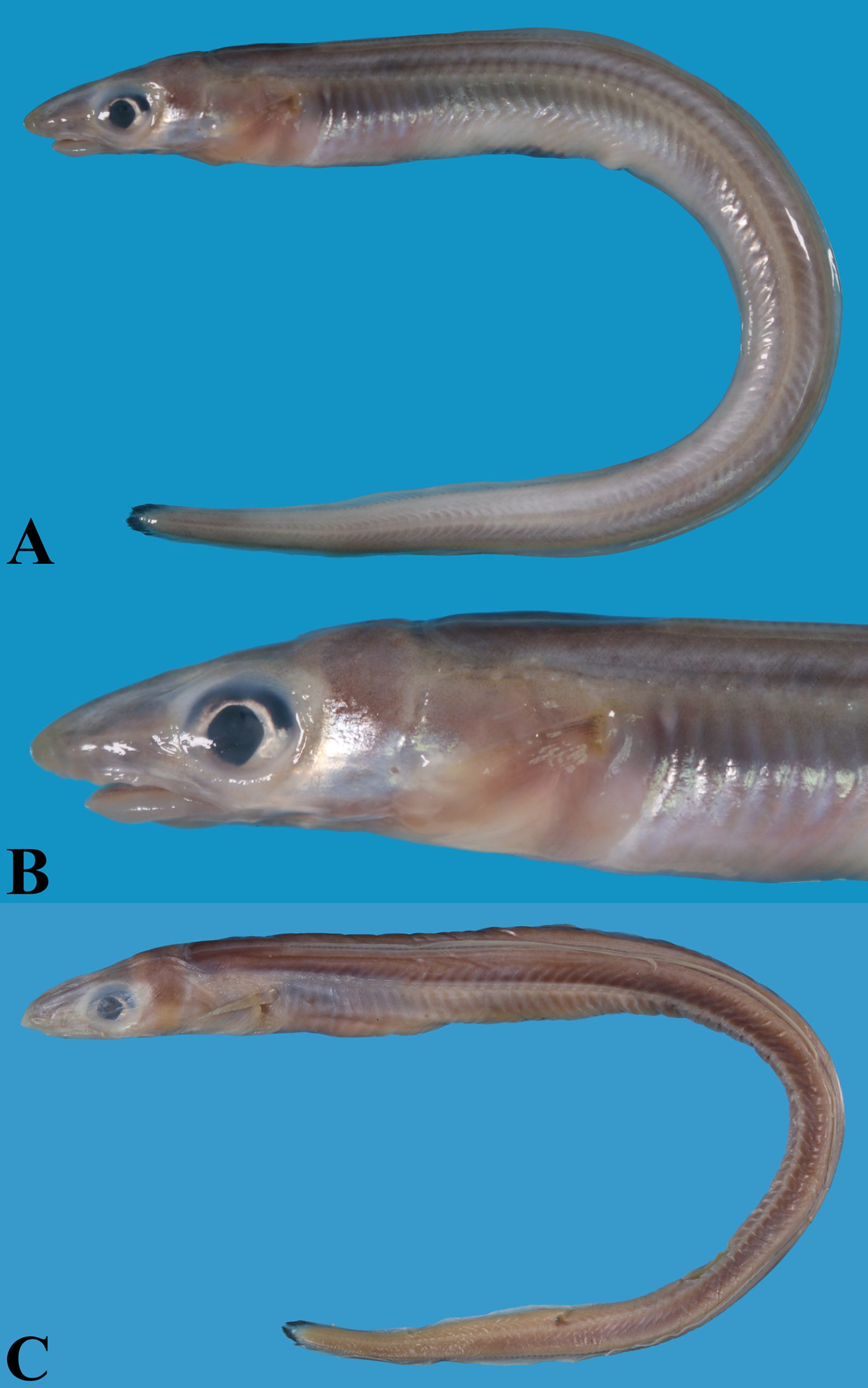
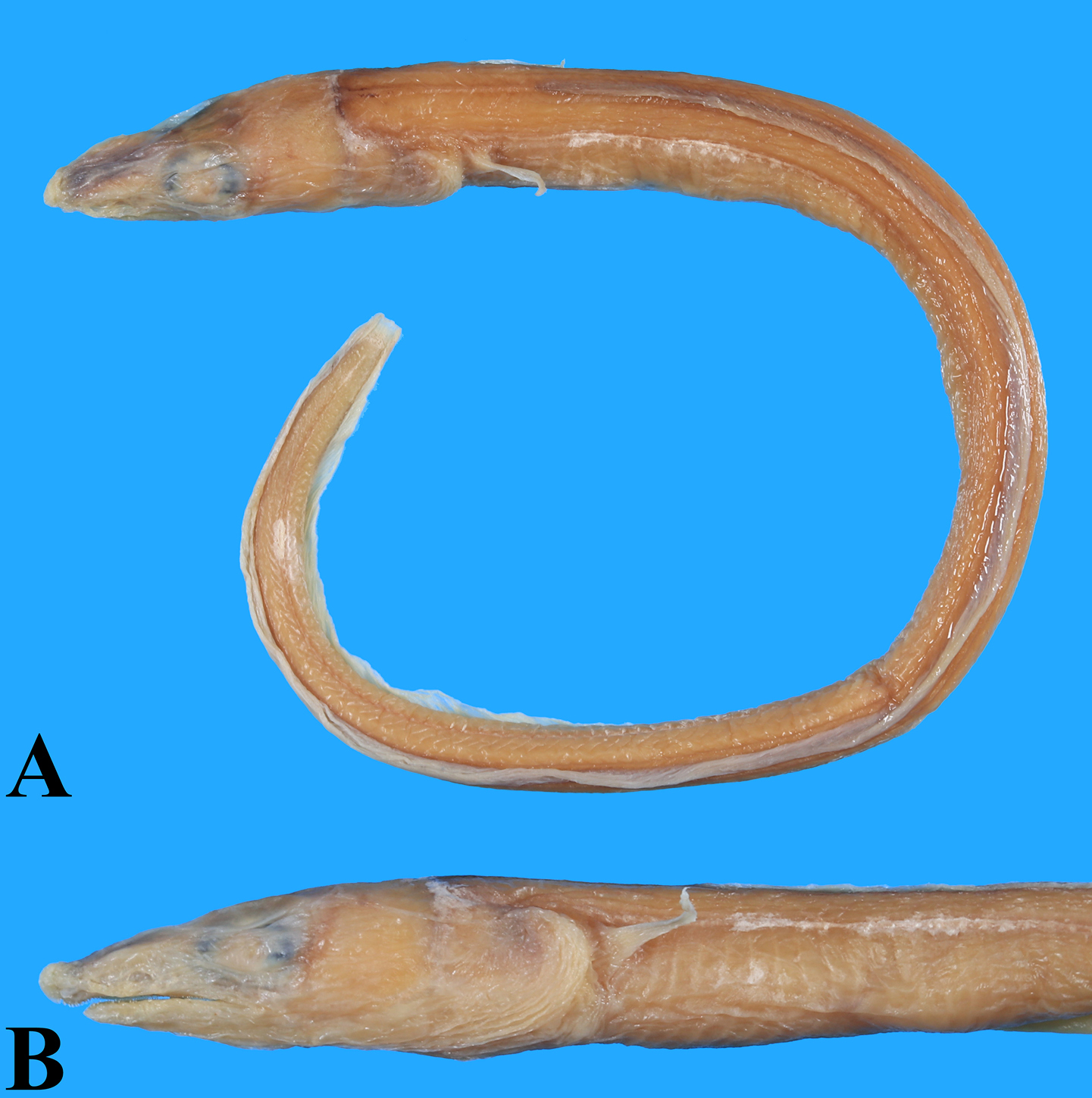
The three newly described species belong to the genus Gnathophis: medium-sized eels of tropical and subtropical deep waters; recognisable by a blunt tail tip, a fleshy snout that projects beyond the teeth and a small keel on the snout underside.
The new species are as follows:
- Kbalan’s conger (Gnathophis kbalanensis), named after Kbalan, an ancient name for the Yilan region of northeastern Taiwan where the species was found. The largest specimen of this species measured 472mm and is recognised by its black-ish fins and a high vertebral count of 134-137.
- Black tail conger (Gnathophis melanurum), with pale dorsal and anal fins, making the dark tail stand out. This species was found off both northeastern and southwestern Taiwan, mostly at depths of around 200-300m.
- Nan Hai’s conger (Gnathophis nanhaiensis), named after Nan Hai, the Chinese name for the South China Sea, where the holotype was collected at a depth of around 509m. It has pale fins and the highest vertebral count of the three, at 139-143.
- Electric eel found in Brazil more than 150 years ago. A strange creature was just discovered on its body
- Expedition team has "unforgettable encounter" with one of New Zealand's most incredible creatures
Several of the specimens collected for the study were females carrying loose eggs, suggesting that these waters may serve as spawning grounds for the species.
The study also corrects the regional record. An eel previously listed in Taiwan, Gnathophis xenica, was confirmed as a misidentification, as the researchers found no evidence to support splitting the widespread eel species G. heterognathos into separate species.
Read the full findings here.
Top image: lateral view of Gnathophis asanoi; B. lateral view of anterior portion of head. Credit: Jian-Fu Huang, et al.


