A whopping 31 million Americans are bitten by ticks each year – and the number is on the rise. According to a U.S. Centers for Disease Control and Prevention (CDC) report from April this year, weekly rates of ER visits for tick bites are the highest for this time of year since 2017 in all parts of the US, apart from the South-Central region.
- "Symptoms rapidly worsen, including nausea, vomiting and stomach pain, and can lead to death." 9 most dangerous, deadliest tick diseases for humans
- "It conjures horror images of wide-eyed insanity, foaming at the mouth and an excruciating death." 10 deadliest diseases humans can get from animals
If you’ve been bitten by a tick, please refer to advice from the CDC.
Among the diseases ticks can carry, one stands out for how easily it slips past diagnosis: the Bourbon virus. A team of researchers at Stony Brook Medicine, an academic healthcare centre in New York, have recently confirmed the first case of the virus in the state. The findings were published in the American Journal of Tropical Medicine and Hygiene.
- "Symptoms rapidly worsen, including nausea, vomiting and stomach pain, and can lead to death." 9 most dangerous, deadliest tick diseases for humans
- Silent assassins and tiny terrors: Meet the world's deadliest flies
Researchers identified the case in April 2026, drawing on a study of 107 individuals who presented with tick-borne illness symptoms – including fever – between 2019 and 2024.
Blood samples analysed at the New York State Department of Health showed that two cases carried neutralising antibodies for the Bourbon virus. One had a four-fold rise in these antibodies, which the researchers say points to a severe or very recent infection.
“This one case certainly was the Bourbon virus, and over a one-month period antibody titers increased eight-fold. The patient had showed some very severe symptoms and was hospitalised,” said Luis Marcos, the lead author of the study, who is also director of Stony Brook University’s Tick-Borne Diseases Clinic.
The symptoms looked so much like Lyme disease that the patient was initially diagnosed with it and treated with doxycycline, the standard Lyme treatment. It didn’t help.
What is the Bourbon virus?
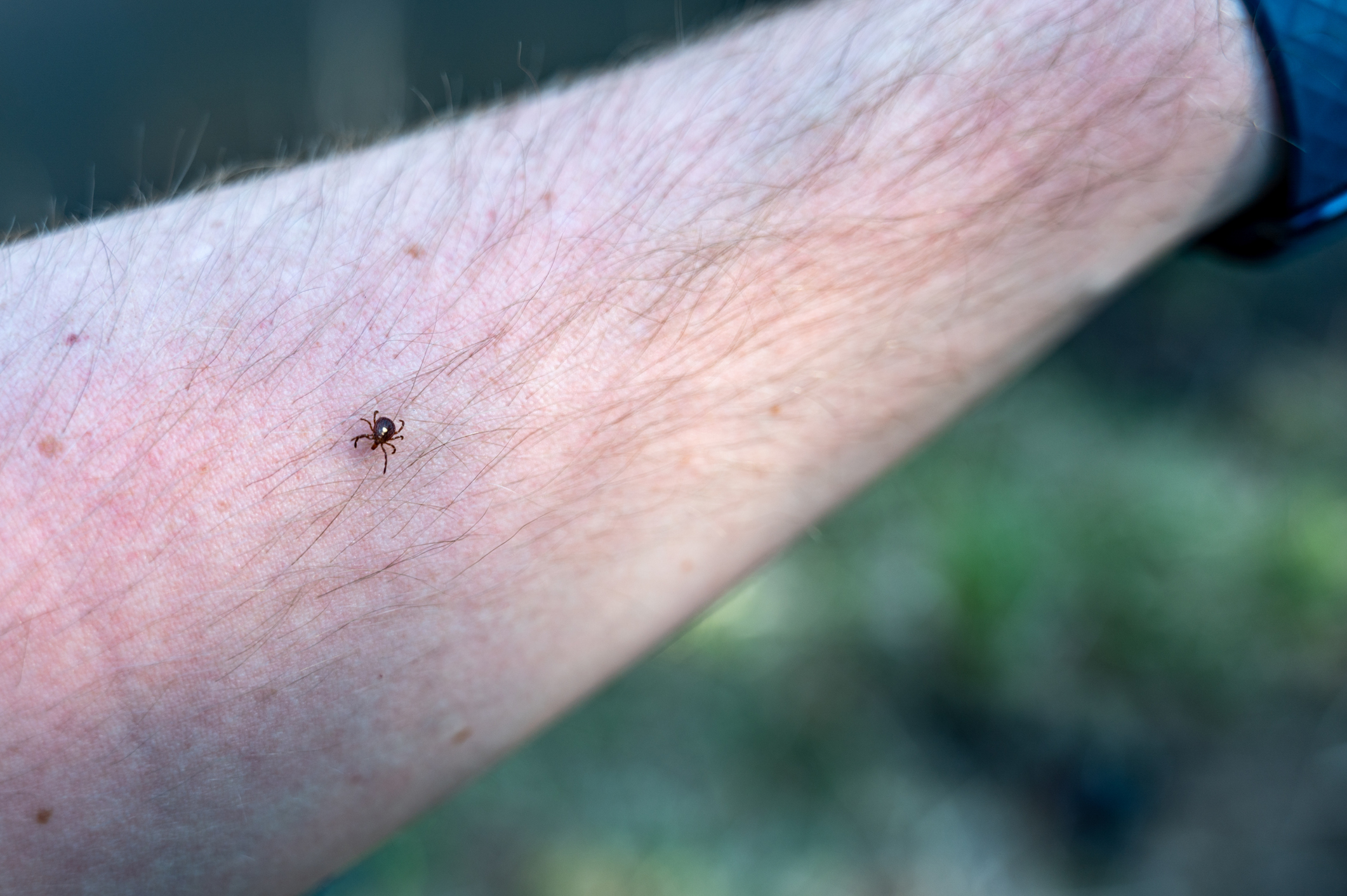
This virus is transmitted through the lone star tick (Amblyomma americanum), which bites painlessly and often goes unnoticed. It can stay attached to the host for as long as seven days until it’s fully engorged with blood.
The lone star tick is the culprit when it comes to several tick diseases – alpha-gal syndrome (the red meat allergy), ehrlichiosis, heartland virus disease, southern tick-associated rash illness (STARI) and tularemia.
Bourbon virus cases have been found in the Midwest, East Coast and Southern US, though the CDC notes it can’t rule out the virus being present in other parts of the country.
The virus was first identified in 2014, in a man from Bourbon County, Kansas, and it resulted in the patient’s death. Since then, a handful of cases have surfaced. In 2017, a 58-year-old woman in Missouri died from the virus after it had gone misdiagnosed for a significant period. This year, a lethal case in a 63-year-old diabetic male was reported in Kansas.
Hard to catch
Most tick-borne diseases in the US are treated effectively. Bourbon virus is different, mainly because of its rarity – but researchers are warning it may become more prevalent this summer and in the years ahead. If it does, diagnosis will be the bottleneck: there’s currently no commercial test to confirm infection, no vaccine and no targeted treatment.
“There are a lot of lone star ticks in New York and in the Northeast, we have dense populations, and when someone is infected with Bourbon virus, symptoms are similar to other tick-borne infections,” said Marcos.
“For these reasons, the Bourbon virus is likely more prevalent than we think in our region and other cases are likely not being diagnosed.”
Symptoms include fever, fatigue, rash, headache, body aches and nausea – a list that overlaps with nearly every other tick-borne illness.
“Without identifying the cause of an infection, the chances of developing accurate diagnostic tests or effective treatments are minimal. That is why it is so important to first understand the true impact of the virus in high-risk areas,” added Marcos.
Read the full findings here.
Top image credit: Kasey Decker/Getty Images