
A team of scientists and citizen volunteers has discovered two new species of snail in Montenegro, highlighting the need to protect the under-explored and endangered region of Komarnica Canyon.
Their findings detailing the species are published in the Biodiversity Data Journal.
- It's nearly a gigantic one metre long and weighs the same as a three-year-old child – now that's one big snail...!
- “It can almost leap, quickly smothering its unfortunate prey with a blanket of flesh.” Meet the deadly snail that gallops across the sand
The discovery was made by a mixed team of international researchers, citizen scientists, local students and conservationists with Taxon Expeditions. They were studying the biodiversity of Durmitor National Park and Kormarnica Canyon in northern Montenegro when they came across the snails.
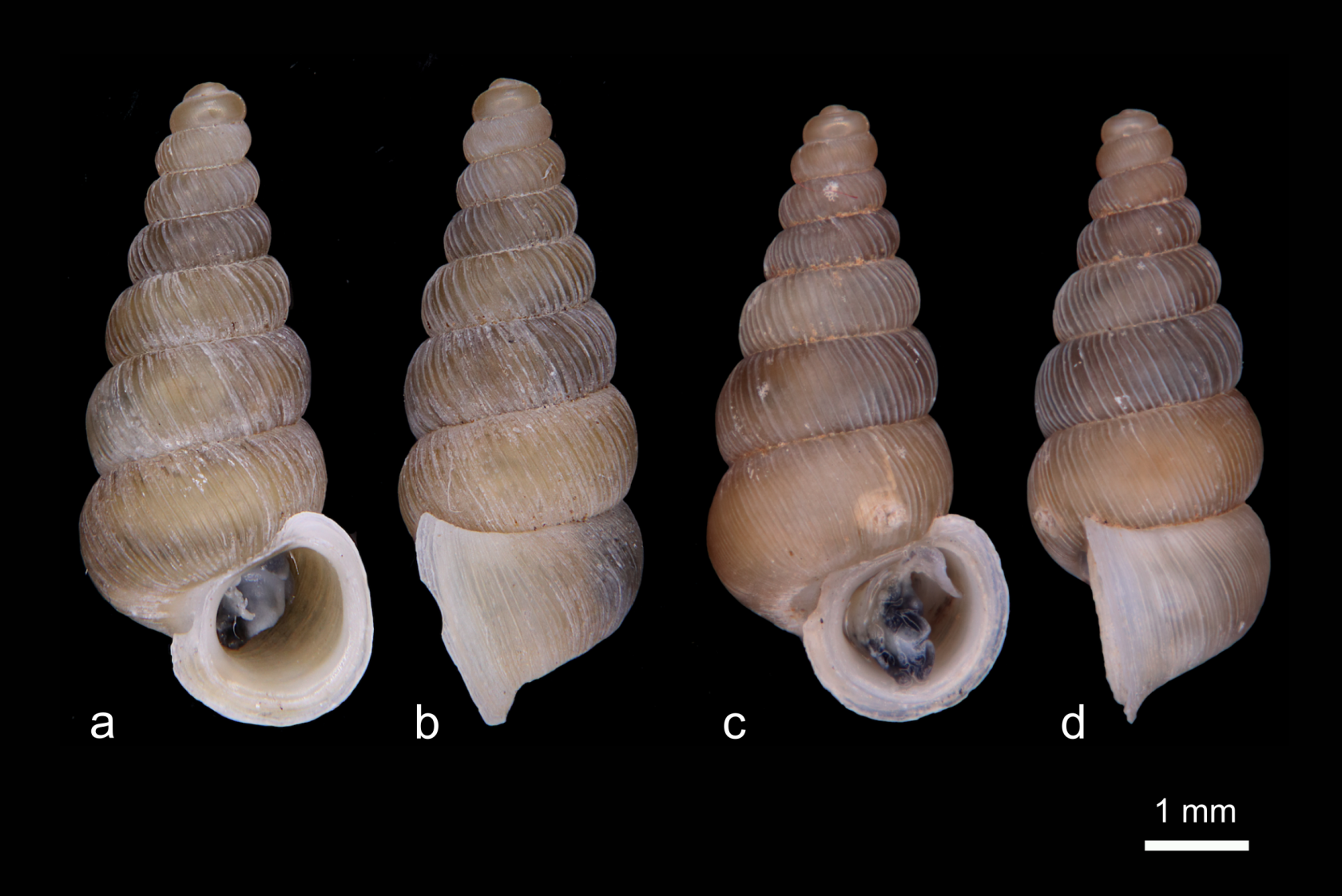
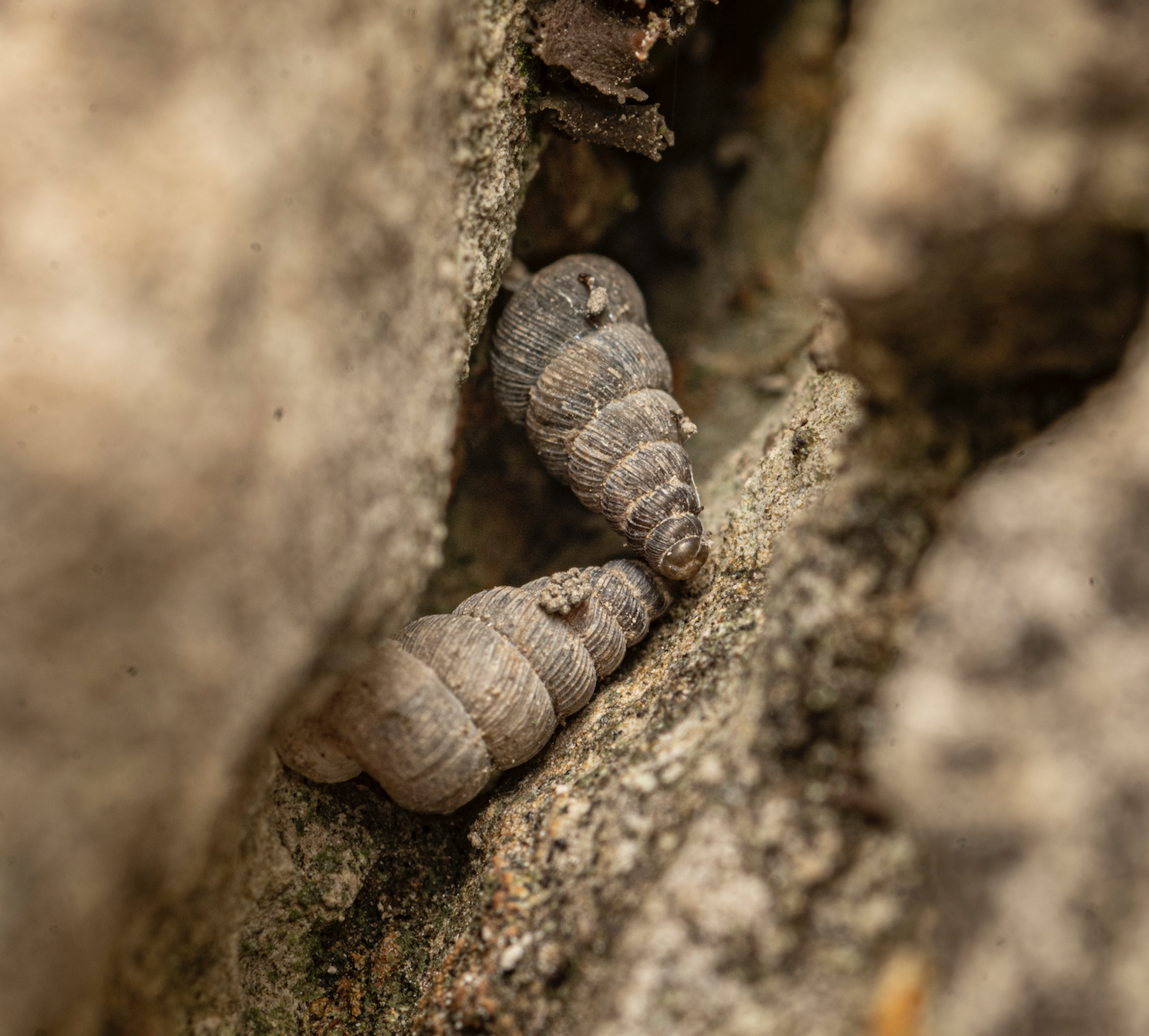
Named Cochlostoma komarnica and Cochlostoma dobrido, the tiny snails have conical shells of around 6mm long and live on limestone rocks, grazing on algae and lichens.
What sets them apart from most other land snails is their eye placement: instead of carrying them on the end of eye stalks, the new species have them on the sides of their head. The snails also have a circular disk attached to their tail that can close off the shell like a trap door.
According to the researchers, Cochlostoma dobrido has so far been recorded from three localities in the Dobri Do highland plain, although it may be more widespread. But Cochlostoma komarnica appears to be endemic to the Durmitor National Park, Komarnica Canyon and possibly the narrow area in between.
Uncovering biodiversity
Komarnica Canyon is a river canyon laying in the remote north of Montenegro. This unique biodiversity hotspot in the Western Balkans is home to rare and endemic species.
One of the authors of the study, biologist Jovana Đokić of the Montenegrin Ecologists Society (MES), explained that the biodiversity in the canyons, mountains and gorges of this part of the Balkans is not only extremely rare and valuable, but also largely unexplored.
But despite being protected on a national level as a Nature Park and Natural Monument, there are plans to build the Komarnica Hydropower Plant in the area. In a report prepared by the Montenegro Ministry of Ecology, Sustainable Development and Development of the North, the government department note that the hydropower plant is one of the recommendations in ‘fulfilling the national goal for renewable energy sources.’
The plans have largely been met with opposition from scientists, legal experts and non-governmental organisations, due to the resulting flooding that would occur in the canyon. The project is currently postponed, leaving the future uncertain.
Due to these plans, Komarnica Canyon has become a focus for biodiversity surveys. The newly described snails are part of a larger effort to build a science-based case for the conservation of this ecosystem.
Read the full findings here.
Top image: Komarnica Canyon, Montenegro. Credit: Sotiris Kountouras/Taxon Expeditions


