
It’s a tale as old as time. Never underestimate the small ones – and nowhere is that truer than in the world of ants. They’re small, but fierce, using their collective skills in colonies and large groups to work, build, hunt and feed.
Operating in these massive groups gives them power beyond their size, thanks to their clever swarming behaviour. What’s more, they can also produce venom through bites or stings, which can be lethal.
Deadliest ants
Fire ant
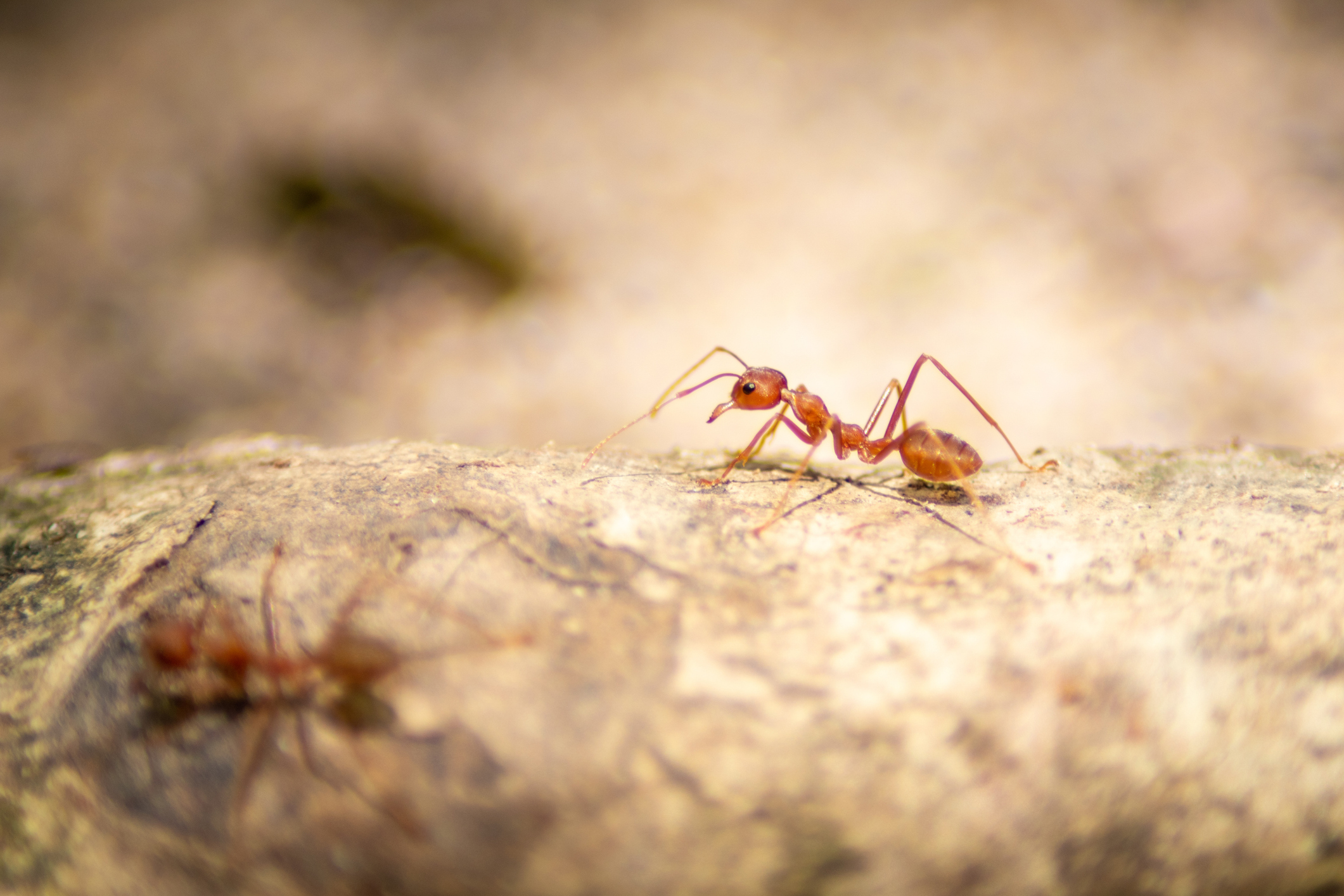
Fire ants are not just one of the deadliest ants – it’s one of the deadliest insects in the world.
It can kill humans through anaphylaxis, by clamping down on the skin of their victim and injecting a powerful and painful venom, which some people are deathly allergic to. For those without an allergy, the experience is still pretty uncomfortable, as they will experience a burning sensation and raised pustules.
- How fire ants can shift their shape
- It floats, it's larger than a dinner plate and it's made up of more than 100,000 individuals
Fire ants are fascinating creatures, as they’re able to change shape, behaving like both a solid and liquid, depending on the force applied to them.
Army ant
Ants are famous for their collective swarming tactics, which allow them to overpower their – often much larger – prey. Army ants are particularly well known for this, releasing a chemical that attracts nearby ants, which then form a swarm that can dismember their prey within seconds. Army ants have enormous colonies of up to 20 million individuals, advancing on their prey as a gigantic mass.
Bullet ant
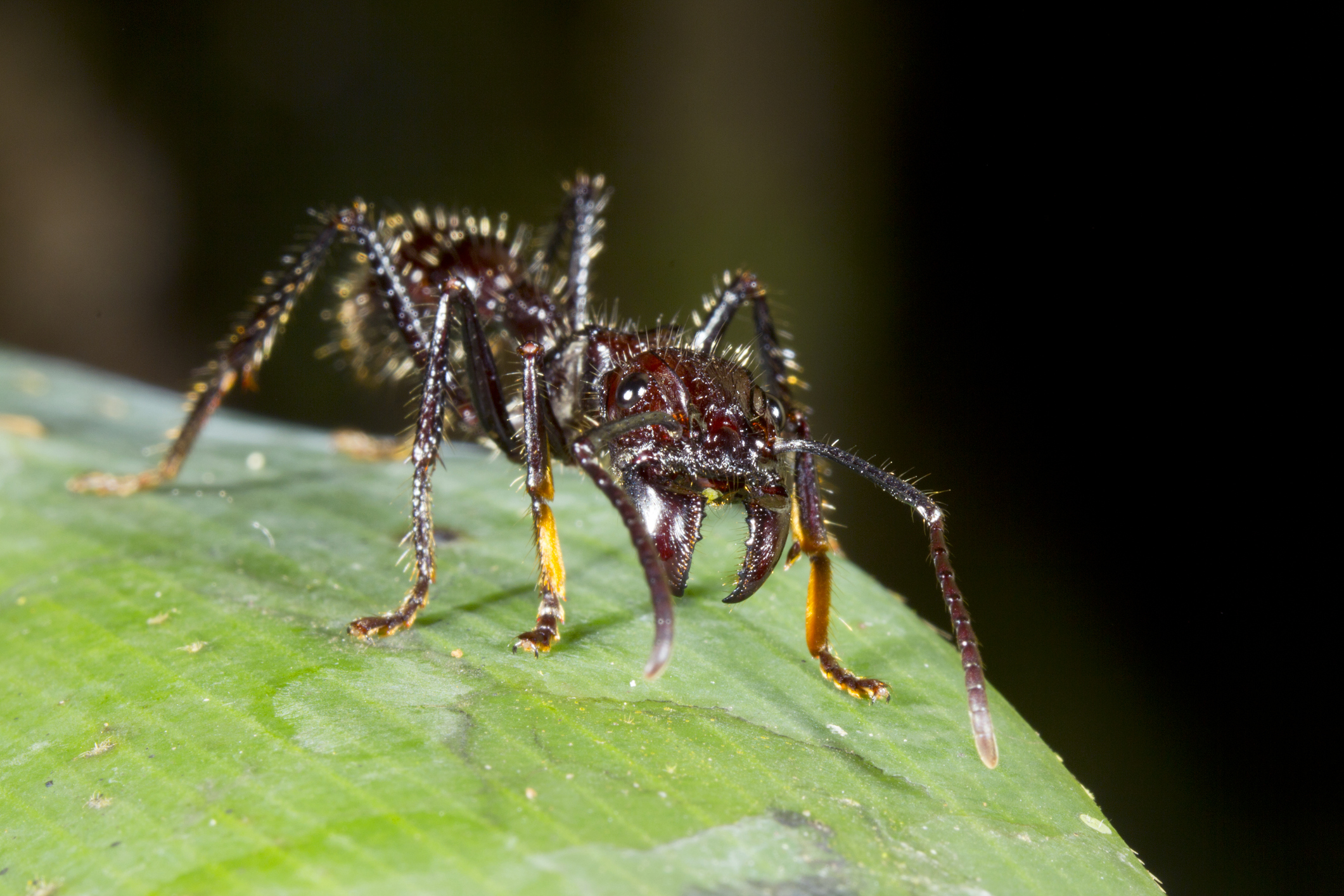
The bullet ant is said to deliver the most painful sting in the world, leaving victims in pain for 24 hours or more. Along with the tarantula hawk wasp, it tops the Schmidt sting pain index. Its venom is delivered through a wasp-like stinger rather than through a bite, and can cause muscle paralysis, hallucinations and excruciating pain.
In the Brazilian Amazon (one of the deadliest regions for wildlife), the Sateré-Mawé people use bullet ants in initiation ceremonies for young boys making the transition to adulthood. The ants are then woven into gloves, which the boys take turns wearing as part of the ritual. Painful stuff.
Bulldog ant
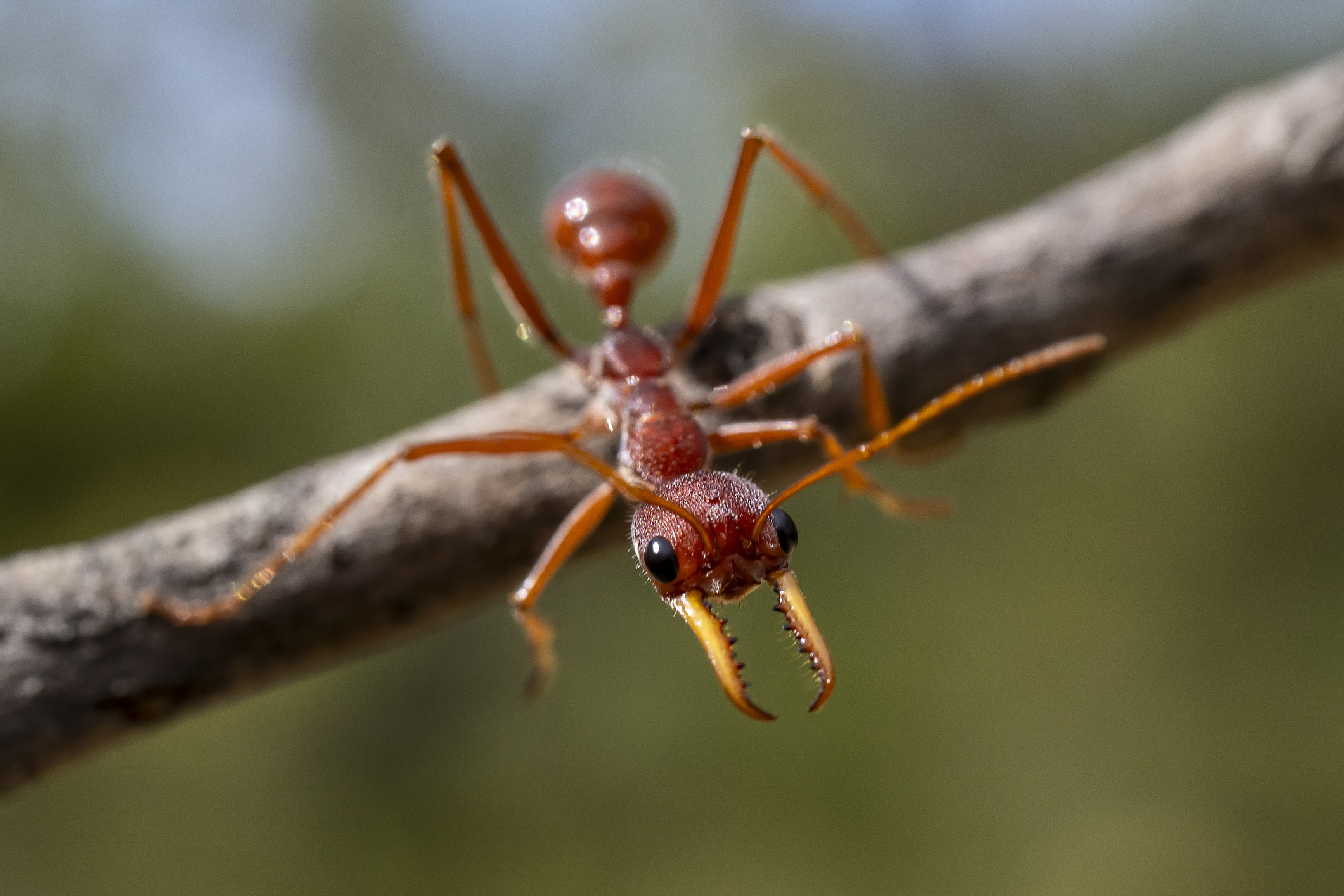
The Australian bulldog ant – sometimes known as bull ant – has a potent venom-loaded sting, which they can deliver to victims by gripping with their mandibles (jaws), curling their abdomen to reveal the sting and then injecting the victim with venom.
Often, multiple stings are delivered. The bulldog ant is the current Guinness World Record-holder of the title of “most dangerous ant”, as there have been at least three human fatilities from the bulldog ant’s sting since 1936, the most recent a Victoria-based farmer in 1988.
The ant has earned its name because of its ferocity and doggedness during an attack, showing extreme aggression and little fear of humans.
Jack jumper ant
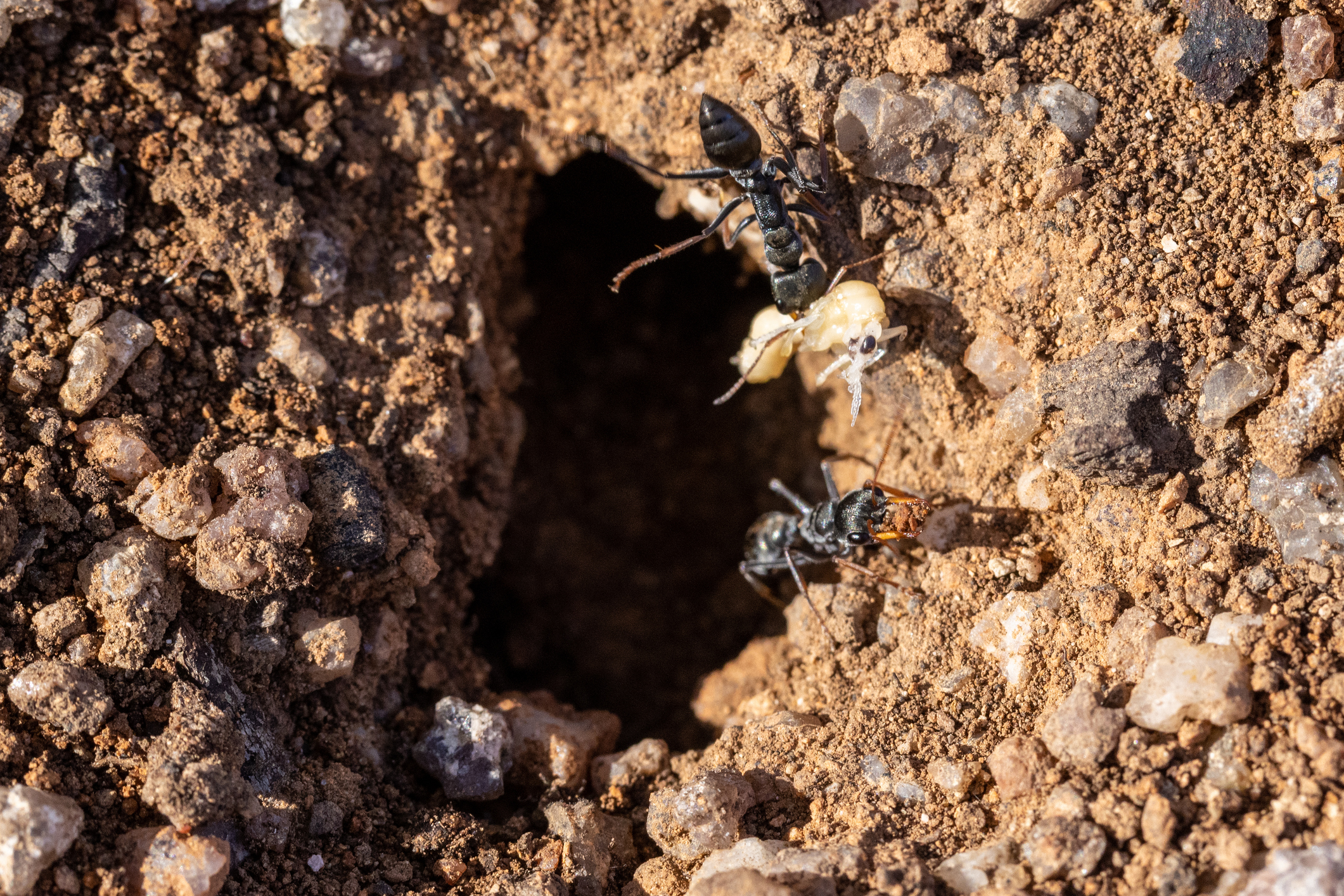
While, like all the ants featured here, the jack jumper ant can deliver a painful sting, it is considerably more risky company because of its ability to jump long distances – right onto its victim. These ants are native to Australia and are believed to account for about 90 per cent of all recorded ant allergies there.
Anaphylaxis from a jack jumper ant sting can occur particularly rapidly – within just 30 minutes.
Siafu ant
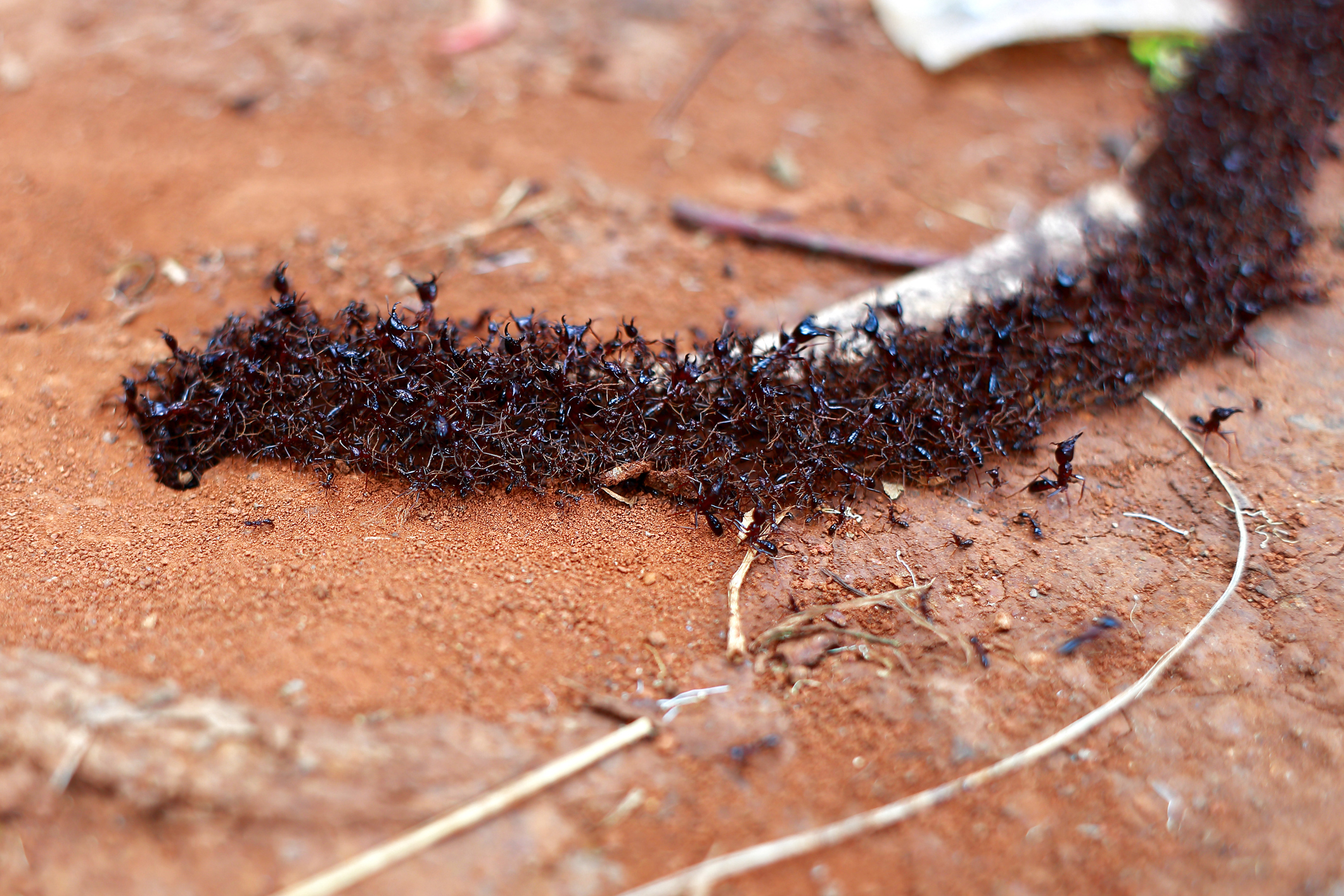
Also known as driver ants, siafu ants are found in central and east Africa and parts of Asia. Although they are capable of delivering stings, siafu ants generally rely on their powerful jaws, slicing into victims with their scissor-like mandibles.
If that wasn’t terrifying enough, siafu ant queens are the largest living ants known, with the largest measuring between 4 and 6.3cm.
- They look like ants, they act like ants – but these destructive, house-wrecking little terrors are no ants
- Here's what ants taught humans about managing a pandemic
- "They actually perform amputations. Those that injure their legs above the femur have their whole leg lopped off..."
- How long do ants live? Some survive only days, while others can reach a staggering 7 years – yes really...


