It's Australia's largest land carnivorous mammal, yet it's viewed very differently depending on who you ask. Revered by some as an important native predator and condemned by others as a destructive pest, few animals spark as much debate.
It may look familiar at first glance, but there's far more to this iconic Australian species than meets the eye.
What are dingos?
Dingos are Australia’s wild canines
Where are dingos found?
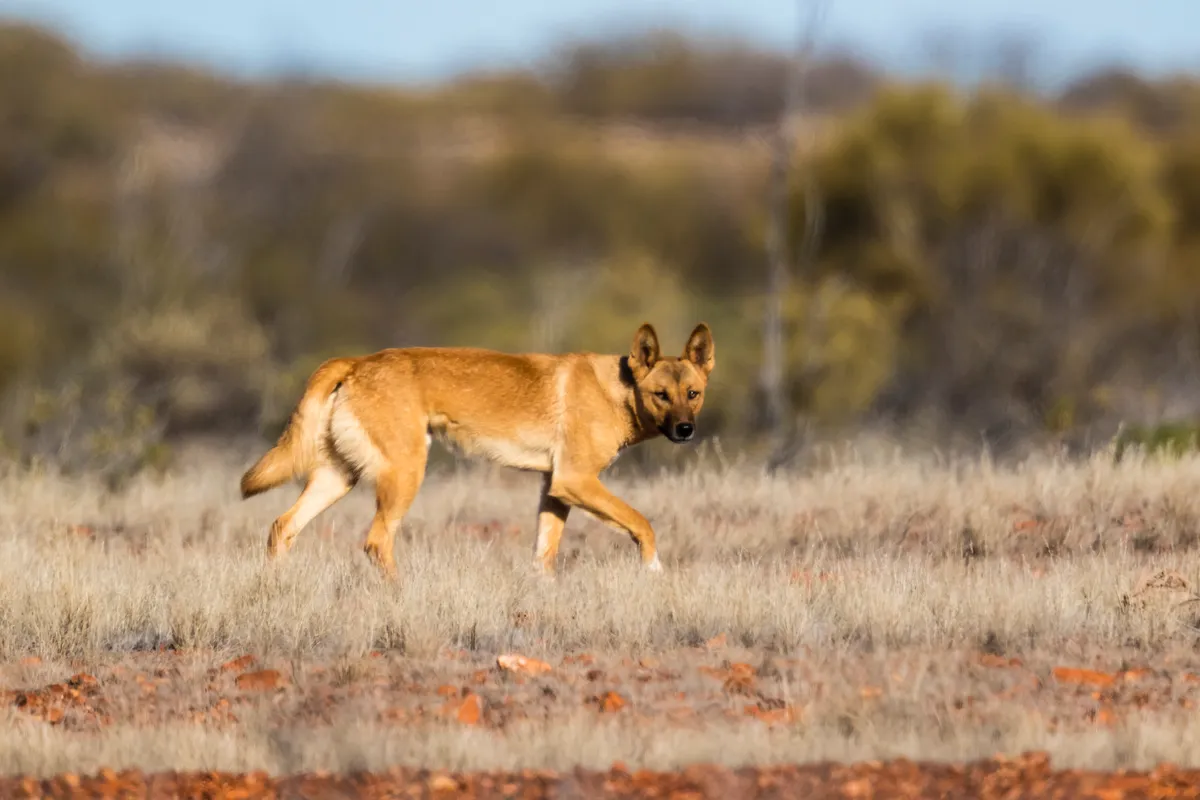
Dingos are found in all habitat types across most of mainland Australia, including alpine, woodland, grassland, desert and tropical regions.
Are dingos the same as domestic dogs?
It’s far from settled whether dingos qualify as a full species in their own right. There is no hard-and-fast rule for what constitutes a species.
- It looks like a wolf, acts like a wolf – but don't be fooled this is no wolf...
- It may look like a wolf, but don't be fooled. DNA of Darwin's Falkland Islands wolf reveals a far stranger truth
Strictly speaking, members of one species should be reproductively incompatible with close relatives (dingos interbreed readily with domestic dogs), but other factors, such as physical, behavioural and ecological differences, are also taken into account.
Taxonomists vary in how they juggle these factors. A study in 2017, for example, concluded that dingos should be classified as a subspecies of domestic dog; another, published in 2018, recommended full species status.
The IUCN SSC Canid Specialist Group decided in 2019 that both the dingo and the New Guinea singing dogs were both feral dogs, and the two species were not assessed for the IUCN Red List.
But this is more than a taxonomic quibble – the issue is also politically charged. Full species status would make it easier to protect dingos, and in turn more difficult for farmers to control them.
Q&A answered by Stuart Blackman
How did dingos get to Australia?
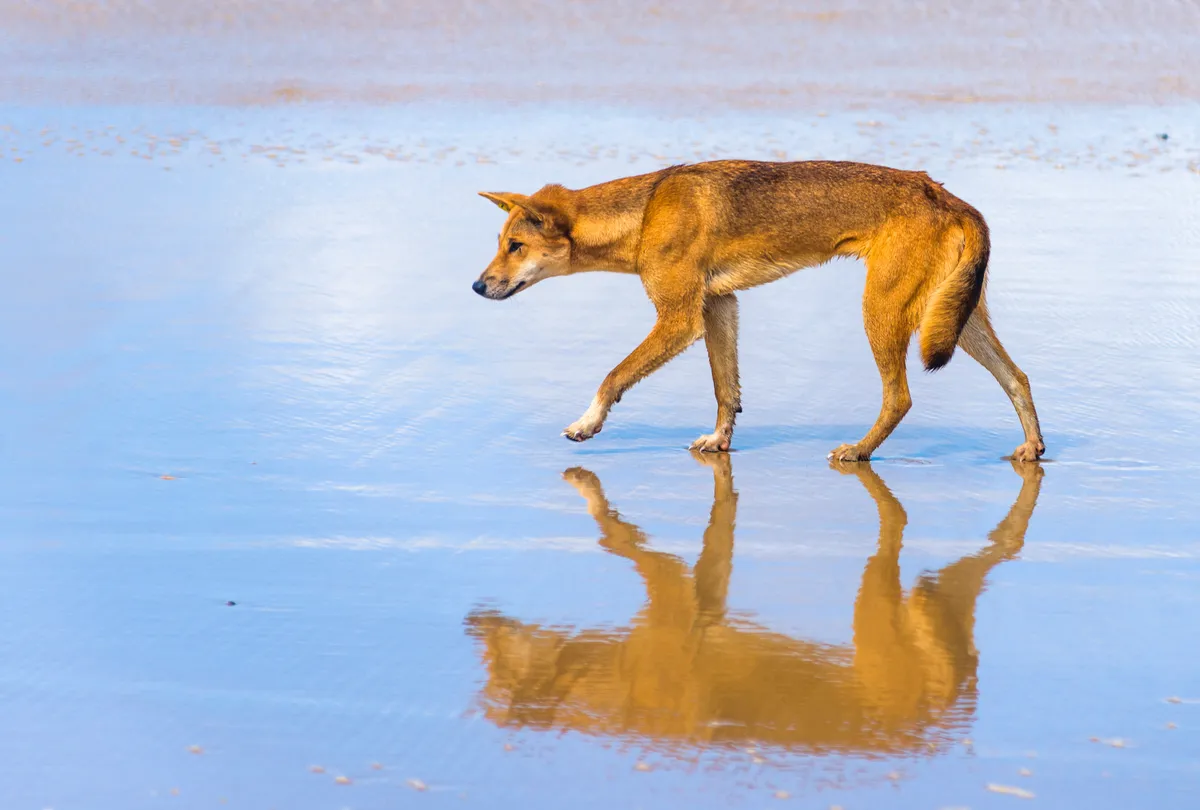
Dingos may look a lot like domestic dogs, but they are far from it. Having split from dogs at least 8,000 to 10,000 years ago, they are genetically and morphologically different.
As a carnivore, they fulfil an important role in Australia being the only top predator in the ecosystem. They also help control fox and feral cat numbers, which are decimating some native wildlife.
We used to think that dingos got to Australia by being transported here by humans. But genetic studies show that dingos could have naturally colonised the country when the land bridge between Papua New Guinea and Australia was still present.
There are at least two distinct populations of dingos in Australia – one in the north-west, and a smaller, more threatened population in the south-east.
Are dingos endangered?
But we don’t know how many dingos there are in the country. This is partly because of the number of dingo-dog hybrids out there, making them difficult to differentiate from pure dingos. Hybridisation is a big threat to dingos, especially in the south.
Unfortunately, dingos are considered pests by some landowners, who kill them to prevent livestock attacks. Killing some dingos, especially dominant members of the pack, could actually increase their numbers, resulting in even more livestock attacks.
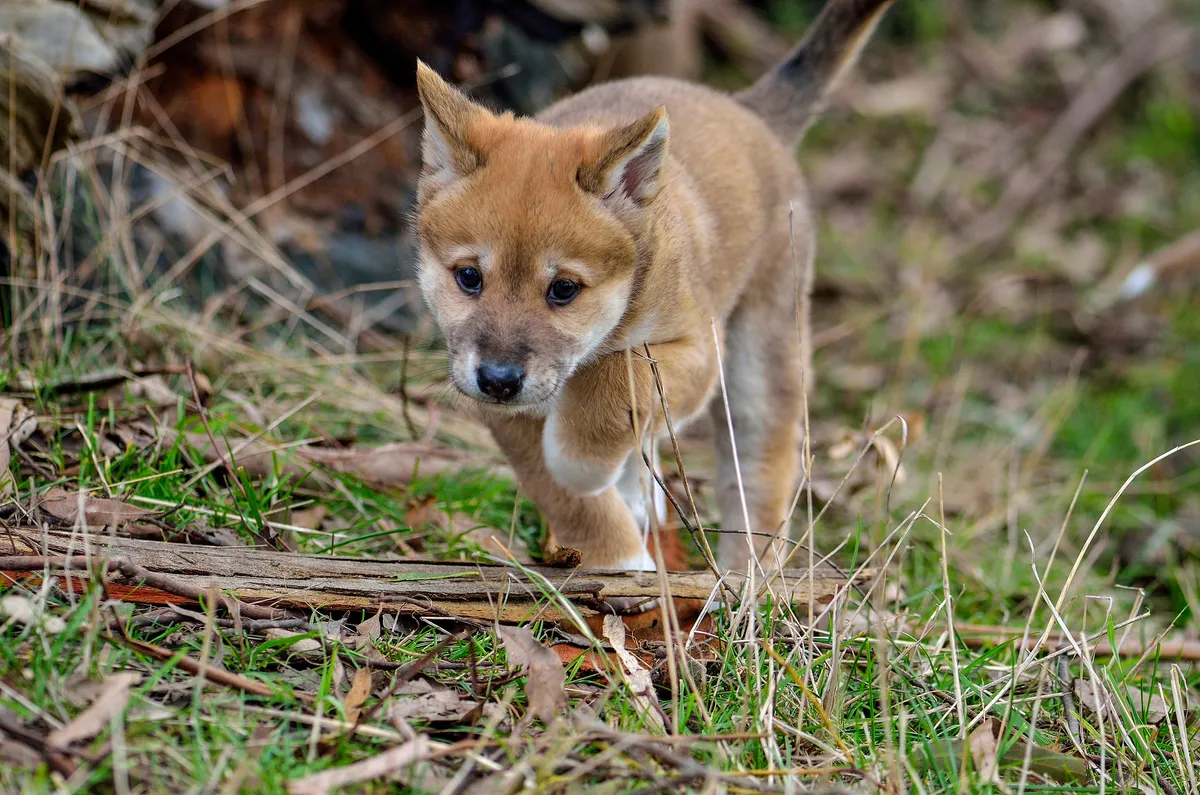
Without dominant females suppressing the breeding of subordinates, all female dingos could raise pups. Young dingos brought up without stable family groups may not have the skills needed to successfully hunt wild prey, so turn to livestock.
It is important we protect the remaining pure-bred dingos, as well as hybrids with a high dingo genetic content.
As part of this strategy, landowners who are concerned about livestock attacks should employ non-lethal alternatives to culling such as livestock guardians and electric fencing. We can also encourage dog owners to neuter their pets and not allow them to roam freely without supervision.
Dr Kylie Cairns, who completed a PhD in dingo conservation genetics at The University of New South Wales, spoke to BBC Wildlife about dingo conservation.
What do dingos eat?
Australia’s largest mammal carnivore, the dingo is an opportunistic feeder with a diet that includes mammals, fish, birds and fruit.
- The 10 deadliest dogs on Earth: Discover the world's most ferocious and savage wild canine hunters
- 10 rarest dogs in the world, many on the brink of extinction, from the beautiful Ethiopian wolf to the bizarre aquatic bush dog...
- 10 most beautiful wild dogs on the planet, from the supermodel-legged wolf to tiny, blonde desert fox
- "It moves like a cat, climbs like a primate and is usually found high up in trees." 5 weirdest, bizarrest wild dogs on the planet
Main image: Dingo on Seventy Five Mile beach, Fraser Island, Queensland, Australia. © Andrew Michael/UIG/Getty


