
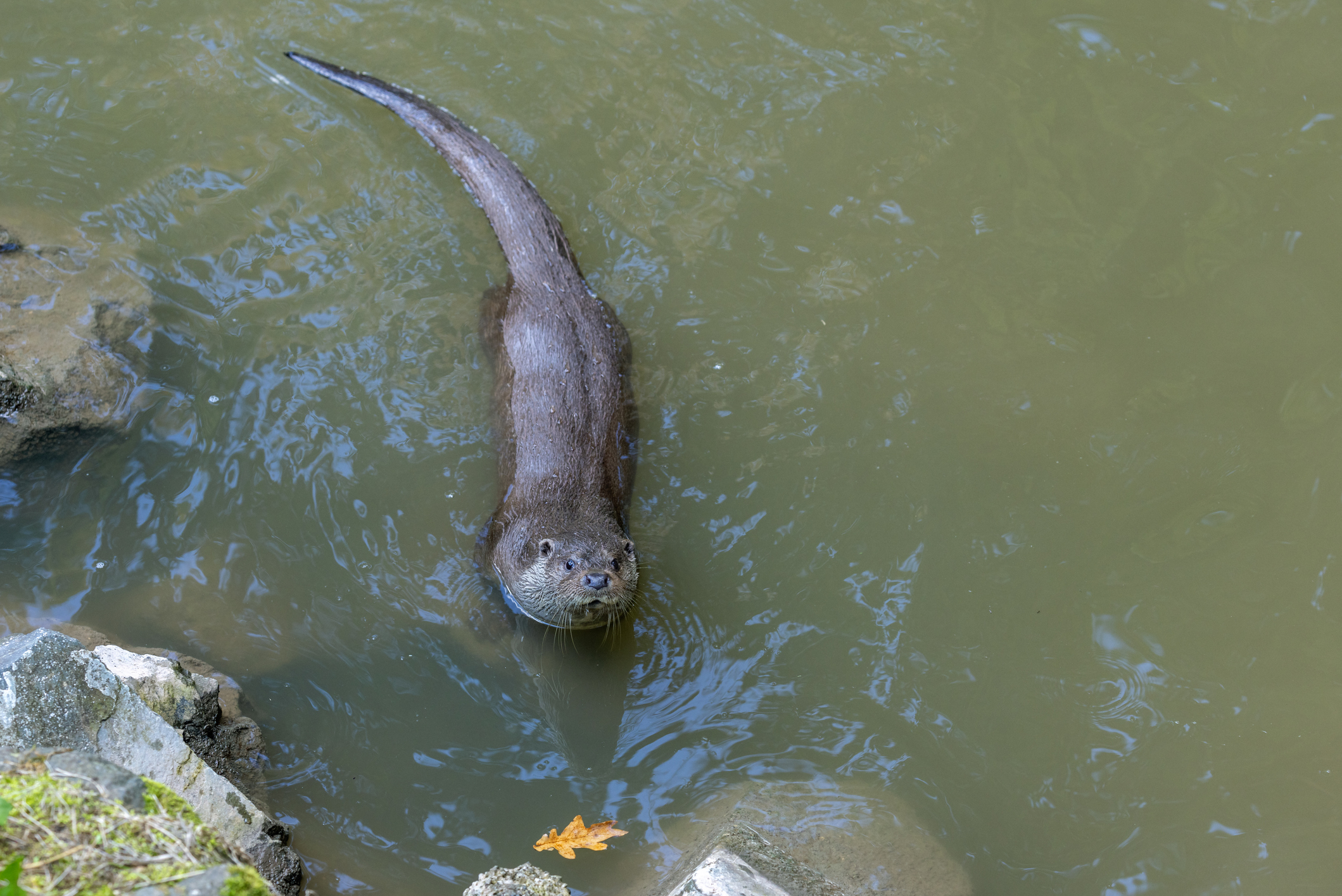
Once abundant across the Jhelum River basin in Kashmir Valley, a unique landscape nestled in the northwest Himalayas, the Eurasian otter (Lutra lutra) had been pushed nearly to local extinction over past decades. But, according to new research, it is now making a long-awaited return in the area.
- Smallest otter in the world rediscovered in Nepal after 185-year absence
- Can this vulnerable otter family survive an attack by a deadly caiman? Watch this heart-wrenching BBC footage to find out...
Although camera-trap deployments have not yet captured direct otter imagery, the scientists have compiled multiple lines of recent evidence that confirm the animals’ re-emergence. One of them is viral social media videos – in one, published in 2025, an animal was first mistaken for a crocodile, but was later identified as an otter. Another viral video showed an otter feasting on a fish in the Sindh tributary of the Jhelum River.
The researchers also conducted field surveys that detected otter faecal marks; these findings are supported by independent field research carried out by non-government organisations within the tributary systems of the Jhelum River.
- Mink or otter? What's the difference between these two slippery, semiaquatic lookalikes?
- Beaver vs otter: They both live in rivers and look very similar – but can you tell them apart?
In the past, Eurasian otter populations in the Kashmir Valley collapsed due to historical fur-driven poaching, habitat loss and aquatic pollution. But despite signs of reappearance, the scientists say the fight for the Eurasian otter’s survival is far from over.
Modern-day landscapes create additional challenges and risks for this semi-aquatic mammal. Urban sprawl, concrete river-bank infrastructure, fragmentation of suitable aquatic habitats, river pollution from heavy metals, pesticides and microplastics, destructive fishing techniques, free-roaming stray dogs and flood-drought swings exacerbated by climate change – these are just some of the dangers the Eurasian otter is facing.
According to the authors of the study, future conservation efforts need to include collaboration among researchers, wildlife authorities and conservation non-profits, habitat restoration, public-awareness campaigns, local-language informational leaflets and educational outreach for schools and tourism sites.
Read the full findings published in the journal Biological Diversity.
Top image: Mountain landscape with green meadow and pine forest in Gulmarg, Jammu Kashmir, India. Credit: DEVESH SINGH SOAM/Getty Images
