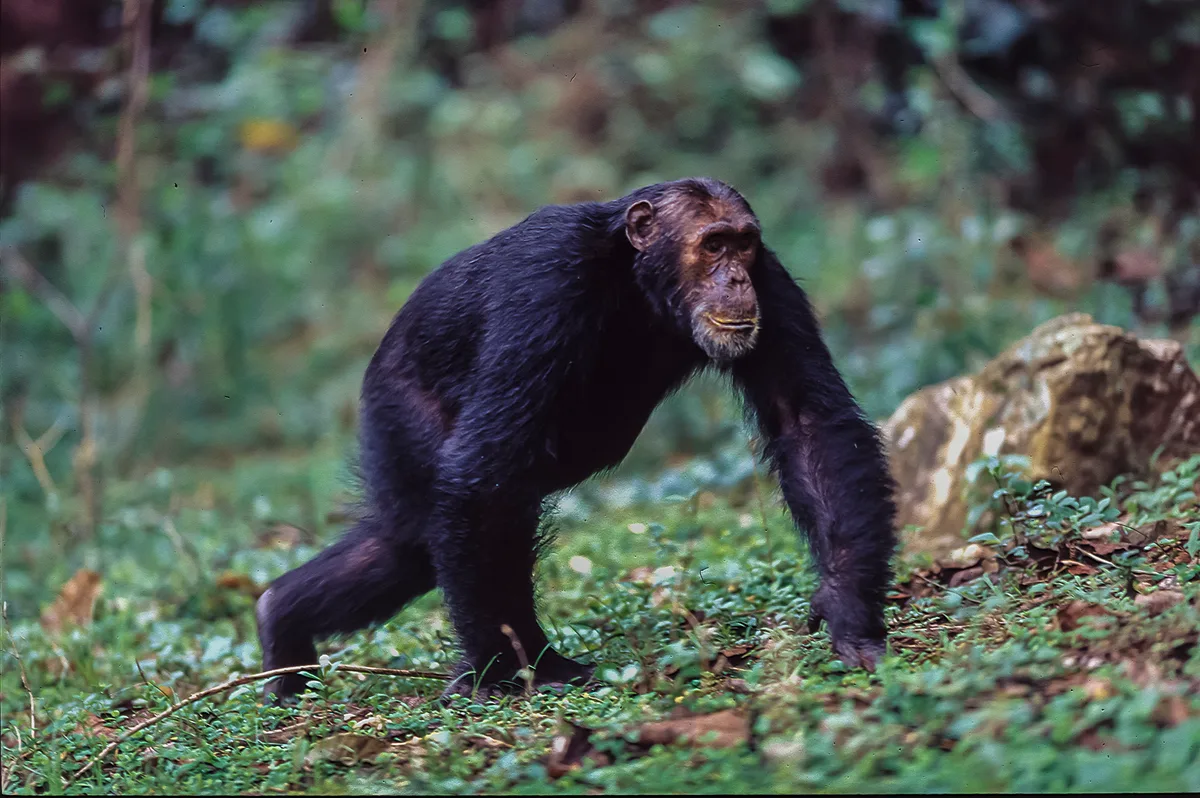
A joint study – Primates for Purchase - by some of the world's most respected conservation bodies has found that trade in monkeys and other primates is thriving online in the US.
Between 15 June and 1 August 2025, researchers from the Association of Zoos and Aquariums (AZA), International Fund for Animal Welfare (IFAW) and WWF identified 122 social media users posting a total of 1131 pieces of content offering live primates (some 1614 individual animals were identified) for sale.
The researchers studied four social media Platforms: Instagram, Facebook, YouTube and TikTok and received specific help from Google staff in examining YouTube.
The researchers contacted the users directly to confirm their intent to sell – and only posts that confirmed to be offering live animals in exchange for payment were included in the final dataset. They found that prices ranged from $250 to $6500 for an individual primate and were usually listed under such terms as “monkey adoption” and “baby monkey for adoption”.
The findings raise a number of serious concerns. Firstly, while some trade in captive-bred animals is permitted, many of these unregulated private transactions online are likely to involve animals illegally taken from the wild.
- What are the smallest monkeys and primates in the world? Meet the tiny creatures of the monkey world
- What's the biggest monkey in the world? Clue – it comes equipped with fearsome canine teeth that are amongst the longest of any primate
The trafficking of wild-caught animals for the pet trade is a huge global business and dominated by organised crime gangs. With primates, this is an acute problem as almost 75 per cent of primate species are listed as 'threatened' by the IUCN, and so capture for the pet trade puts further pressure on wild populations.

In addition, primates are often traumatically taken from their mothers at a young age and kept in poor conditions that do not meet their highly complex social, behavioural and environmental needs. This leads to distressed animals that become sick (and potentially die) and/or aggressive.
Many pet owners find they cannot cope and end up dumping unwanted animals into the countryside. There have been examples, such as with rhesus macaques and vervet monkeys in Florida, where illegally released animals have established colonies in the wild, which can cause ecological problems.
Lastly, there is a risk of transmitting diseases. Human and non-human primates have genetic and physiological similarities and the risk of spreading pathogens between species is extremely high when the two are kept in close contact.
So why is there a growing demand for primates as pets?
Primates for Profit says “With a quick search on many social media platforms, the animals can be seen staged as if participating in human activities such as bathing, eating, and riding in cars... The studies found that viewing such content led to a higher likelihood of perceiving primates as suitable pets, even if the content was intended to depict research.”
A separate study – Scrolling Through Cruelty - by the organisation Lady Freethinker (LFT), which is a non-profit organisation seeking to end animal suffering, discovered a darker element. It found a disturbing level of human-caused cruelty to animals online, which may be driving some of the demand. It's clear that some users have found a willing online audience for videos of animals suffering.
A team of four researchers collected data from five major social media platforms (Facebook, Instagram, TikTok, X and YouTube) from 1 May to 30 June 2025. It found 2341 links to abusive content including what it calls 'monkey torture content' among a great deal of other harm to animals. The majority of this – 76% - was found on Facebook with TikTok second on 10%.
LFT breaks down this abuse into four categories:
- Animal fighting – where two or more animals are forced into fighting each other. For instance, the LFT found examples of monkeys being coerced to attack kittens.
- Fake rescues – where an animal is shown in imminent danger before the 'hero' steps in to help them. LFT has discovered that the vast majority of 'rescues' are set-ups, with the animal being place in danger in order to create a video for maximum engagement.
- Monkey torture – a primate specific category where captive monkeys, usually macaques, are tortured and sometimes killed. The victims are frequently dressed up in children's clothes.
- Graphic violence and sexual content – some of the most disturbing content the researchers discovered where animals are assaulted and/or sexually abused. This category also includes the spreading of CCTV videos of animals being struck by vehicles.
LFT points out that while the harm to the animals in such content is obvious, “the harm to humans in viewing animal cruelty content is perhaps less obvious, but is an important consideration. Animal cruelty content is not just unpleasant to view: it is inherently harmful. This harm is especially pronounced in children and teenagers. Directly, there are risks of copycat behavior... to create their own content for views, clout or even financial incentives”.
As part of the study, LFT examined social media platforms' policies towards animal abuse and found that there were many loopholes or lack of enforcement that allowed links to extreme content to go unchallenged. However, it has been collaborating with Meta, which owns Facebook and Instagram, and welcomes Meta's efforts to “remove animal cruelty content that violates Meta's policies as well as explore proactive ways to identify and prevent such content from being posted in the first place, including utilizing AI strategies.”
The Primates for Purchase study also has a number of recommendations for social media platforms to help regulate the online trade in primates and prevent illegal activity.
This includes explicitly prohibiting the advertisement and sale of primates and policing search terms around the trade in trafficked animals. It also says that the platforms could do more to raise awareness of the problem.
For lawmakers and law enforcers, the study suggests tightening state laws with stricter enforcement and stronger penalties – and to proactively support the Captive Primate Safety and the Wildlife Confiscations Network acts.
But perhaps the Primates for Purchase study's strongest message is for the public: do not purchase primates as pets. This includes not 'liking' or 'sharing' social media content that features primates as pets to reduce the reach and engagement of such content. It also asks users to report online sales of primates to the platforms themselves or the US Fish and Wildlife Service
- The world’s 25 most endangered primates
- Sun, sand and a deadly paradise for Kenya’s rarest monkeys: Inside the battle to save them before it's too late
Top image: Nate Gautsche / Getty Images