Author JV Chamary
JV Chamary

JV Chamary

Science communicator

JV Chamary is an award-winning journalist with a PhD in evolutionary biology. He writes 'The Big Question' column for BBC Wildlife and specialises in explaining scientific concepts that appear in popular culture and covers health, nature and technology for Forbes. JV is the author of 50 Biology Ideas You Really Need to Know and was previously the features editor of BBC Science Focus magazine, writing about everything from gay genes and internet memes to the science of death and origin of life. Before switching to journalism and communication, he studied biology at Imperial College London and did his doctorate in molecular evolution and genetics at the University of Bath. His parents are from Mauritius, once home to the iconic Dodo bird. JV spends most of his spare time practising martial arts and lives in Bristol with two humans and one dog.

Recent articles by JV Chamary
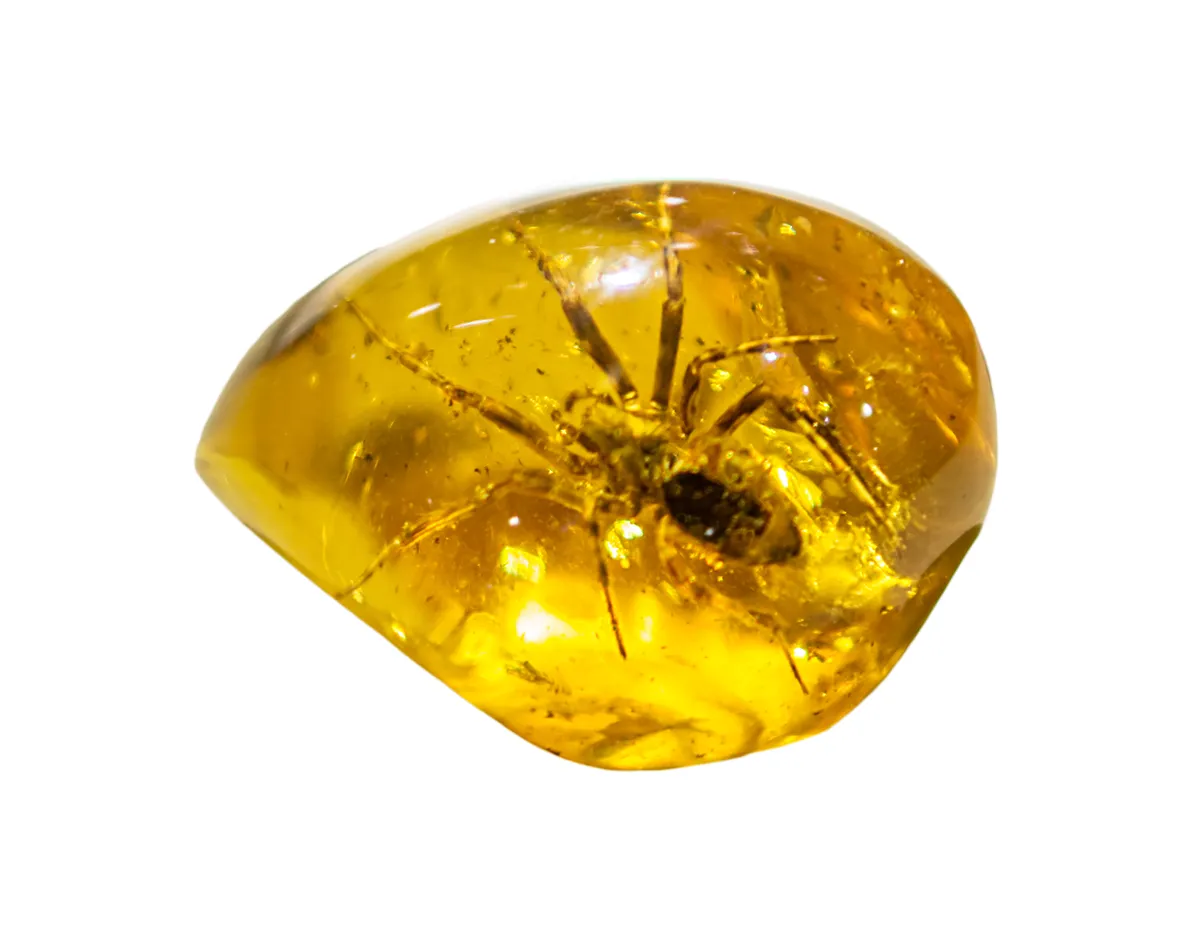
A spider trapped in amber.

Did you know amber is fossilized resin and millions of years old? It might look nice as jewellery but it also reveals secrets from ancient animals...

Amber is fossilised resin that can preserve the structures of small creatures, but, sadly, can’t bring back the dinosaurs.
Show more
Spitting cobra

Spitting deadly venom and launching ‘bullet-like’ blobs – these are the most lethal projectiles in the natural world

Plenty of animals, plants and fungi launch explosive projectiles – here's how they do it
Show more
An electric eel

This electric fish has half the voltage of a taser in its tail – leaving its potential meals and enemies with little chance of survival

Ever wondered how electric eels shock their prey – or whether any other animals can? JV Chamary explains all you need to know about electroreception.
Show more
Eye of cuttlefish

What and how do animals see? Mysteries of animal vision explained

Animals see the world differently – from simple eyes that can only tell the difference between light and dark, to complex eyes that can see colours and depth perception.
Show more
What would happen if humans went extinct

What would happen to the Earth if humans went extinct? Here's what scientists think

Climate change is causing a mass extinction that may eliminate our species. But if we disappear could Mother Nature eventually recover?
Show more
Group of piglets

Can pigs breathe through their bums? The weird ways vertebrates breathe – and how it could help humans

And is it really true that frogs breathe through their skin? We take a look at the various ways vertebrates breathe
Show more
Portuguese man o' water superorganism

Killing off the sickest and creating brains: The secrets behind super organisms

Ever wondered what a superorganism is? Evolutionary biologist JV Chamary explains all.
Show more
The slimiest animal in the world, the hagfish

It can produce a litre of slime in under 0.1 seconds, causing would-be predators to drown in a sea of mucus

Death by slime. JV Chamary introduces us to the slimiest animal in the world who can use its slime to carry out deadly actions
Show more
Elephant holding up its own trunk

How do animals smell? The difference between taste and smell and whether fish can smell underwater

A good sense of smell is essential for animals to survive and reproduce. But have you ever wondered how it works? Evolutionary biologist JV Chamary explains all.
Show more
What is carbon

What is carbon, and is it bad for the environment? All you need to know about carbon, including where it comes from

There wouldn't be any life on earth without carbon – evolutionary biologist JV Chamary takes a look at this incredible element
Show more
Could any animals live on other planets

Could any animals live on other planets?

Could any animals live on other planets? JV Chamary investigates
Show more
Metamorphosis explained

The secrets of metamorphosis revealed: The fascinating reasons behind why some animals transform and others stay the same

Why does metamorphosis occur in some animals and not others? Evolutionary biologist and BBC Wildlife columnist JV Chamary explains the process of metamorphosis
Show more
Green and Black Poison Dart Frog (Dendrobates auratus) adult, sitting on moss, Costa Rica.

Why are nature's deadliest poisons so lethal?We explain the difference between venoms and toxins - and why some are so severe they kill

The words toxin and venom are often used interchangeably, but actually mean two different things says JV Chamary explains
Show more
Tyrannosaurus from the Cretaceous era 3D illustration

Dinosaur teeth: what were they like, how ferocious were they - and what do they tell us about a dinosaur's diet?

Dinosaur teeth come in all sorts of sizes, shapes - and sharpness - and can tell us a lot about what they ate
Show more
Were dinosaurs were good parents

Were dinosaurs good parents - and how on earth do we know?

Did dinosaurs look after their young - or were they terrible parents? We take a look at the evidence
Show more
what are Monotremes

Monotremes: meet nature’s oddballs that bridge the evolutionary gap between mammals and reptiles

All you need to know about monotremes, weird egg-laying mammals
Show more
Parasaurolophus ('near-crested lizard'), first described in 1922, was a dinosaur that lived at the end of the Cretaceous period, around 70 million years ago, in what is now North America. It was a hadrosaurid dinosaur, a diverse family of plant-eating animals with odd-shaped skulls. Three species are recognised, based mainly on the size of the head crest: P. walkeri (shown in this artwork), P. tubicen and P. cyrtocristatus, with the largest measuring around 9.5m (31ft) in length.

Do we know what dinosaurs sounded like?

Do we know what dinosaurs sounded like? A few, says JV Chamary
Show more
How did dinosaurs mate

Dinosaur sex: how these huge animals mated with all those dangerous spikes, claws and plates

Wondering how dinosaurs mated? With difficulty, says JV Chamary.
Show more
A Microraptor perched on a tree branch.

Could any dinosaurs fly? Probably fewer than you think...

There were probably only a few dinosaurs that could actually fly, says JV Chamary
Show more
Could Jurassic Park ever be real

A real Jurassic Park could be possible. Here's the science of how to make it

Could a ‘Jurassic Park’ ever work? JV Chamary takes a look
Show more
All you need to know about cloning

Unveiling the secrets of cloning: How does cloning work, are clones exact copies and what will the future hold?

All you need to know about cloning - but were afraid to ask
Show more
What is slime and mucus

Mucus and slime: Is there a difference and why the natural world can't get enough of the lovely gunk

It's time to talk about mucus and slime - lovely stuff! JV Chamary explains all you need to know - but were afraid to ask...
Show more
This website is owned and published by Our Media Ltd. www.ourmedia.co.uk
© Our Media 2025