

A harvest for the wild: how responsible wild harvesting helps regeneration
Long before a box of herbal teabags reaches the kitchen cupboard, its story starts in farmland or wild meadows, woodlands and mountain valleys where herbs grow among pollinating insects, grazing mammals and native plant species. These ecosystems are not only important hosts for wildlife; they also support communities that have carefully harvested wild plants for generations, creating a powerful connection between people and nature.
A treasured ritual for many, tea is a staple in almost every UK household, with over 100 million cups enjoyed every day. While the most popular option is a mug of English Breakfast tea, this love affair increasingly extends to herbal tea with many turning to their favourite blend as a form of wellness and a moment of calm. Yet the appeal of herbal tea extends beyond the comfort of the cup itself.
Behind many herbal blends lies a story of wild landscapes, traditional knowledge and carefully managed natural resources. Protecting these regions is increasingly recognised as an important part of protecting the plants that grow there. For brands such as Pukka, which champions the power of herbs in everyday wellbeing, that relationship between people and nature is fundamental.
Protecting wild plants for future generations

Across Europe, Asia and Africa, wild plants are harvested from natural habitats using knowledge passed down through generations. Yet growing demand can place pressure on ecosystems if harvesting isn't properly managed.
This is where independent certifications like the FairWild Standard come into play. Designed to promote the sustainable collection of wild plants, FairWild helps ensure that harvesting takes place at levels that allow species to regenerate naturally, while also supporting fair wages and working conditions for collectors, and equitable trade for local communities. Pukka was an early champion of FairWild, becoming a pioneer in 2012 as the first mainstream tea brand to embrace its standards.
According to FairWild’s 2025 Impact Report, sustainable wild-harvesting programmes now span 98 certified plant species across 4.5 million hectares of wild landscape in 34 countries and four continents. The scale of that impact is significant, with Pukka buying a significant proportion of all FairWild-certified herbs harvested globally.
Where conservation and communities meet

Sustainable harvesting can provide an incentive to protect habitats that might otherwise be vulnerable to degradation or land-use change. When local communities can earn a living from healthy ecosystems, there is a stronger case for safeguarding them for the long term.
For the harvesters themselves, the benefits reach beyond income, as traditional knowledge of local plant species, season cycles and harvesting techniques can be preserved and passed on to future generations. In many regions, harvesting responsibly requires a deep understanding and respect of the surrounding environment – how to work with nature, rather than against it.
Pukka works with FairWild and Fair for Life to help ensure ingredients are grown and gathered with respect for both people and the natural world. Alongside its commitment to organic agriculture, the aim is to promote farming and sourcing practices that are designed to support landscapes from the soil upwards.
A reminder in every cup
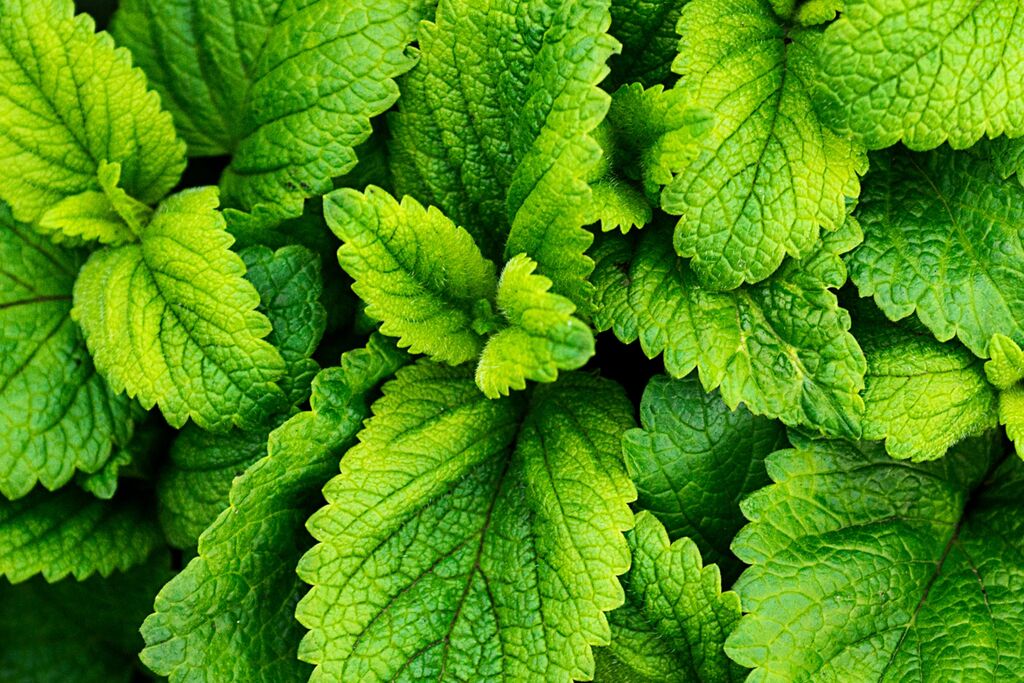
For nature enthusiasts, perhaps the most compelling aspect is the reminder that even small everyday choices are connected to wider environmental stories. The herbs and plants that find their way into a teacup may have had their journey shaped by careful stewardship and generations of knowledge.
As conversations around sustainability continue to evolve, responsibly managed wild harvesting offers an example of how conservation and commerce can work together. Protecting habitats, supporting communities and preserving botanical diversity are not separate goals, but interconnected ones.
