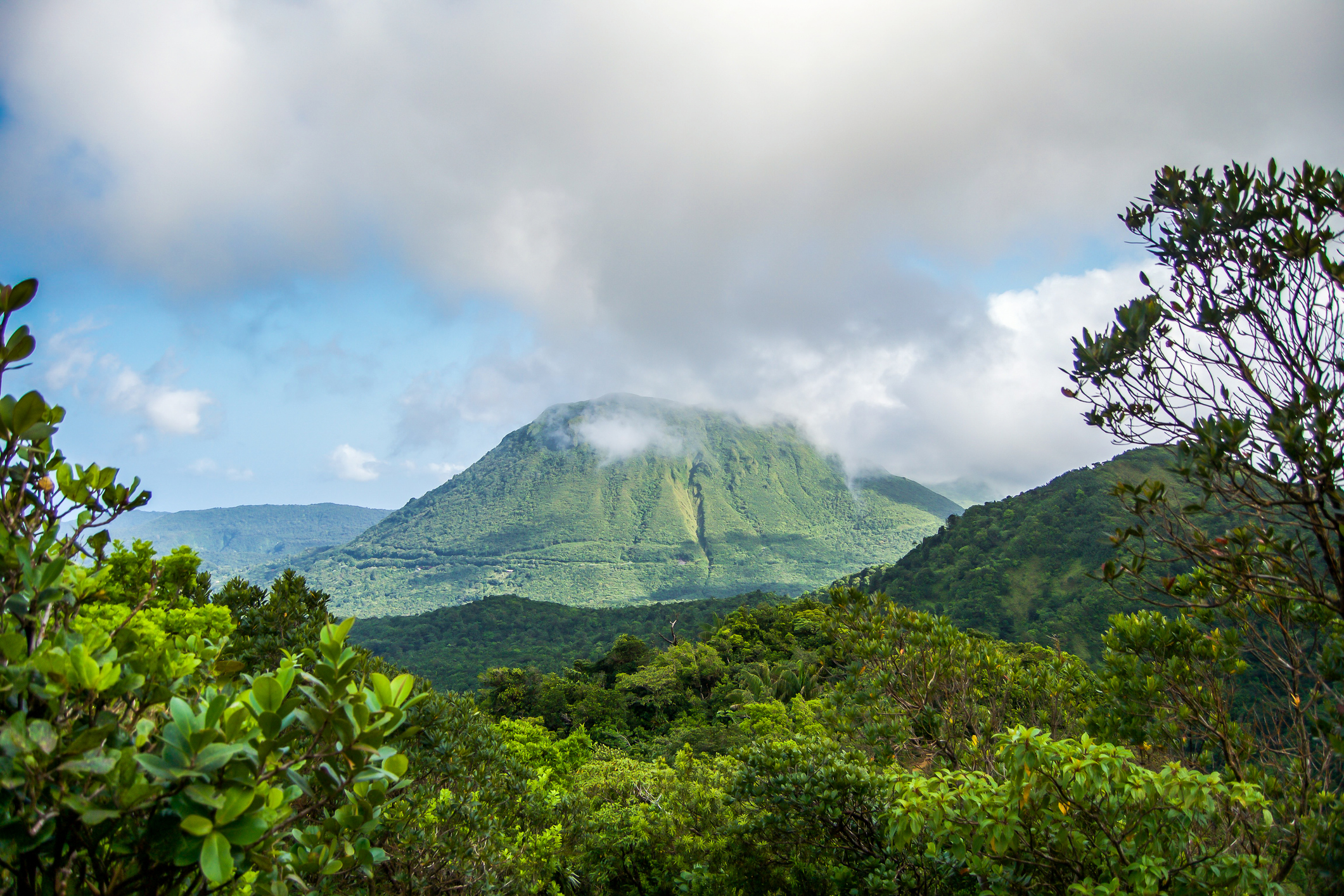
Boiling Lake lies within Morne Trois Pitons National Park, a UNESCO World Heritage Site covering almost 7,000 hectares of the Caribbean island of Dominica. The park protects a spectacular mosaic of tropical habitats, including lush rainforest, montane forest and rare elfin woodland, alongside lakes, rivers, waterfalls and a volcanic landscape.
- "One day it’s there. The next it’s gone. Then it’s back again." 11 weirdest, bizarrest lakes on the planet – including one that contains a fluid that's not water...
- This lake in Canada just vanished. And it's not coming back
These forests provide habitat for an impressive range of birds, reptiles, amphibians, insects and other wildlife. The island’s isolation has also encouraged the evolution of rare species – among the most important are Dominica’s endemic parrots: the imperial Parrot and red-necked amazon.
What is the Boiling Lake?
Dominica is known as the ‘Nature Island’ of the Caribbean, thanks to its lush tropical rainforest that covers around 60 per cent of the island. Boiling Lake is one of Dominica’s most extraordinary natural spectacles – a water-filled volcanic vent, where hot, grey-blue water continuously bubbles and churns beneath clouds of steam.
However, it has been known to almost totally vanish. The dramatic drops in water levels are often attributed to a decrease in the volcanic gases rising through the rock underneath the lake – or breakages in the rim around the lake, which could allow water to drain out.
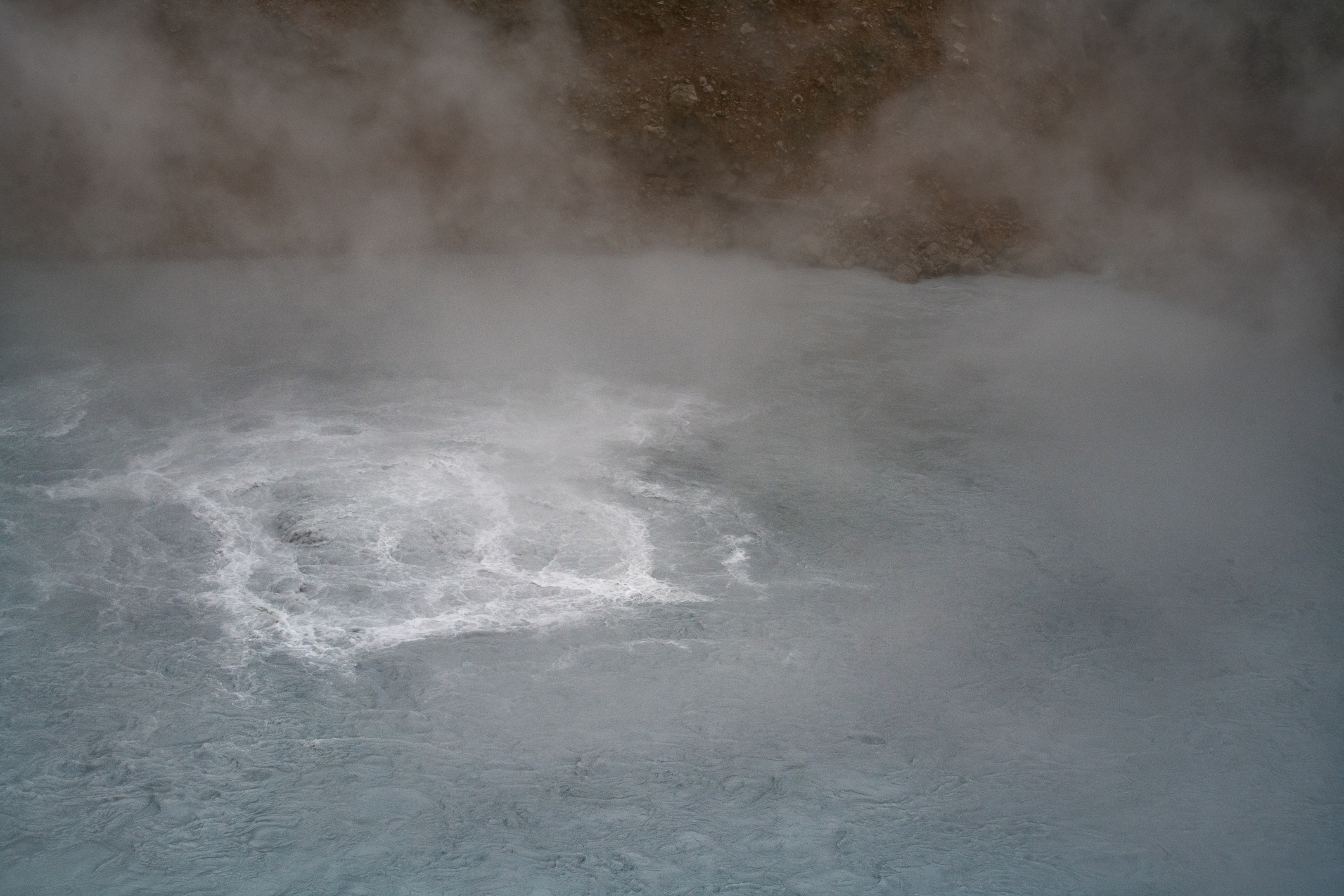
One of the most striking sections of the Boiling Lake trail is the dramatic transition from lush rainforest to the Valley of Desolation, a volcanic landscape of steaming fumaroles, bubbling mud pools and sulphur springs within Morne Trois Pitons National Park.
Vegetation becomes increasingly sparse as geothermal activity takes over, with steam escaping from fissures, mud bubbling in pools and mineral-rich water trickling through the valley.
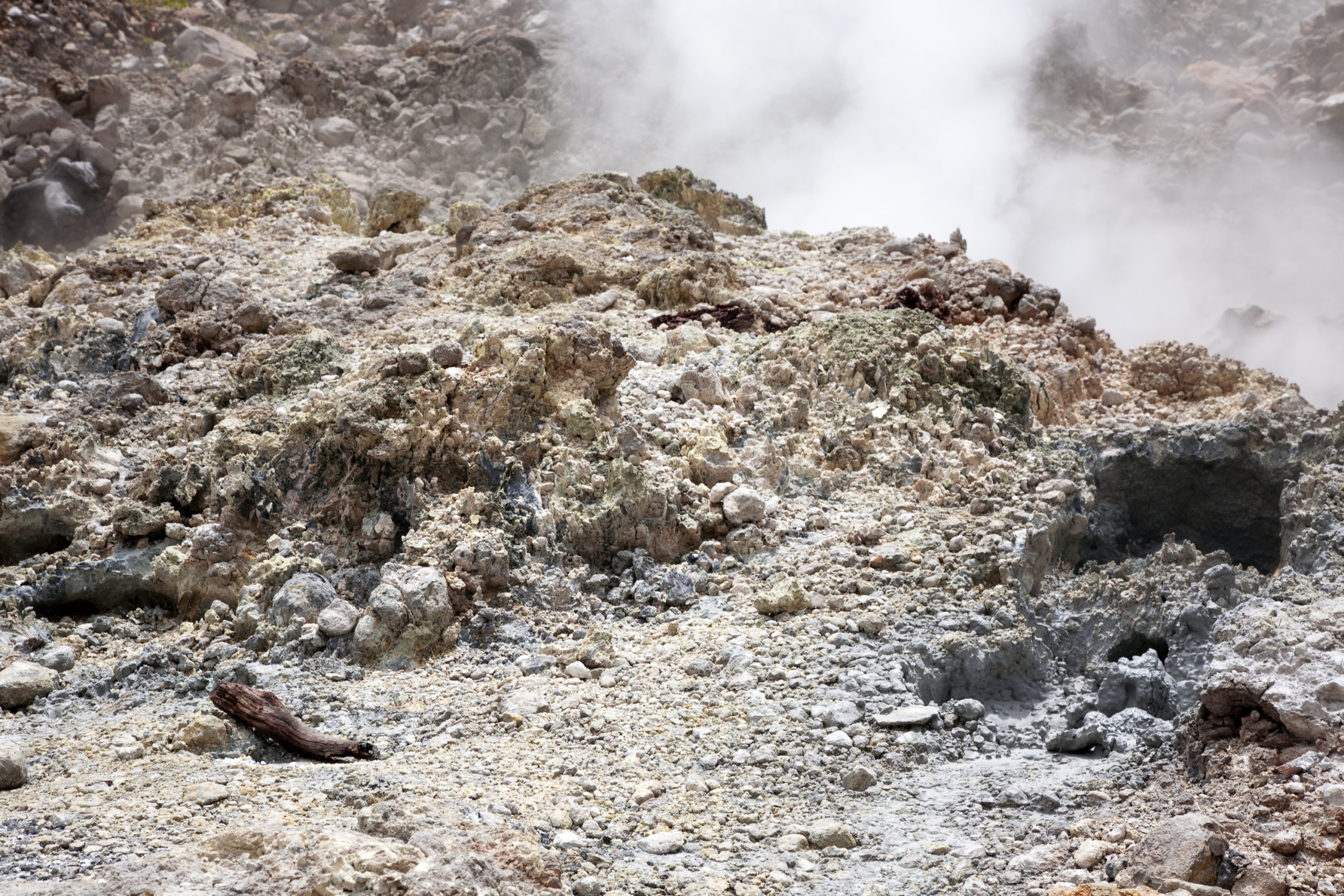
Yet even this extreme environment supports specialised organisms with lizards, insects and other small creatures found around the valley, while plants gradually recolonise areas where conditions allow.
Wildlife to spot in Dominica
Endemic parrots call from the canopy, frogs inhabit the forest floor and small reptiles and insects survive in habitats ranging from dripping rainforest to steaming volcanic valleys.
Imperial parrot
The imperial parrot is arguably Dominica’s most famous animal. Also known as the sisserou, this spectacular bird is endemic to the island and is one of the world’s rarest parrots. It lives primarily in mature montane rainforest, where it feeds on fruits, seeds, flowers and shoots.
Its dark plumage, bright red belly and green-and-purple markings make it distinctive, although it can be elusive and spends much of its time high in the forest canopy with a distinctive call.
Red-necked parrot
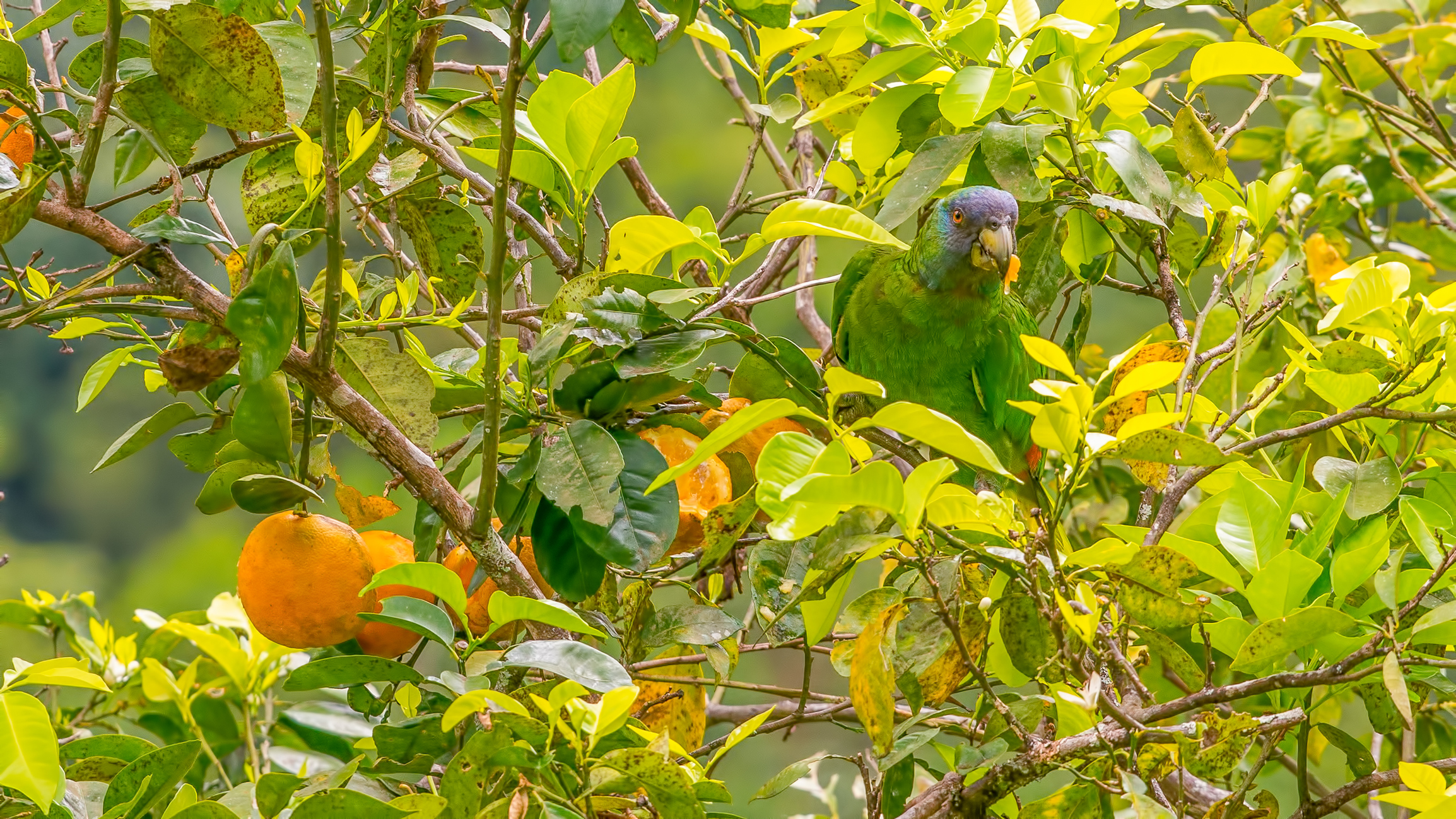
The red-necked parrot is another endemic species and can sometimes be seen flying above the forest in noisy groups. Its bright green plumage provides surprisingly effective camouflage among the leaves, but its loud calls can give away its presence.
Mountain chicken
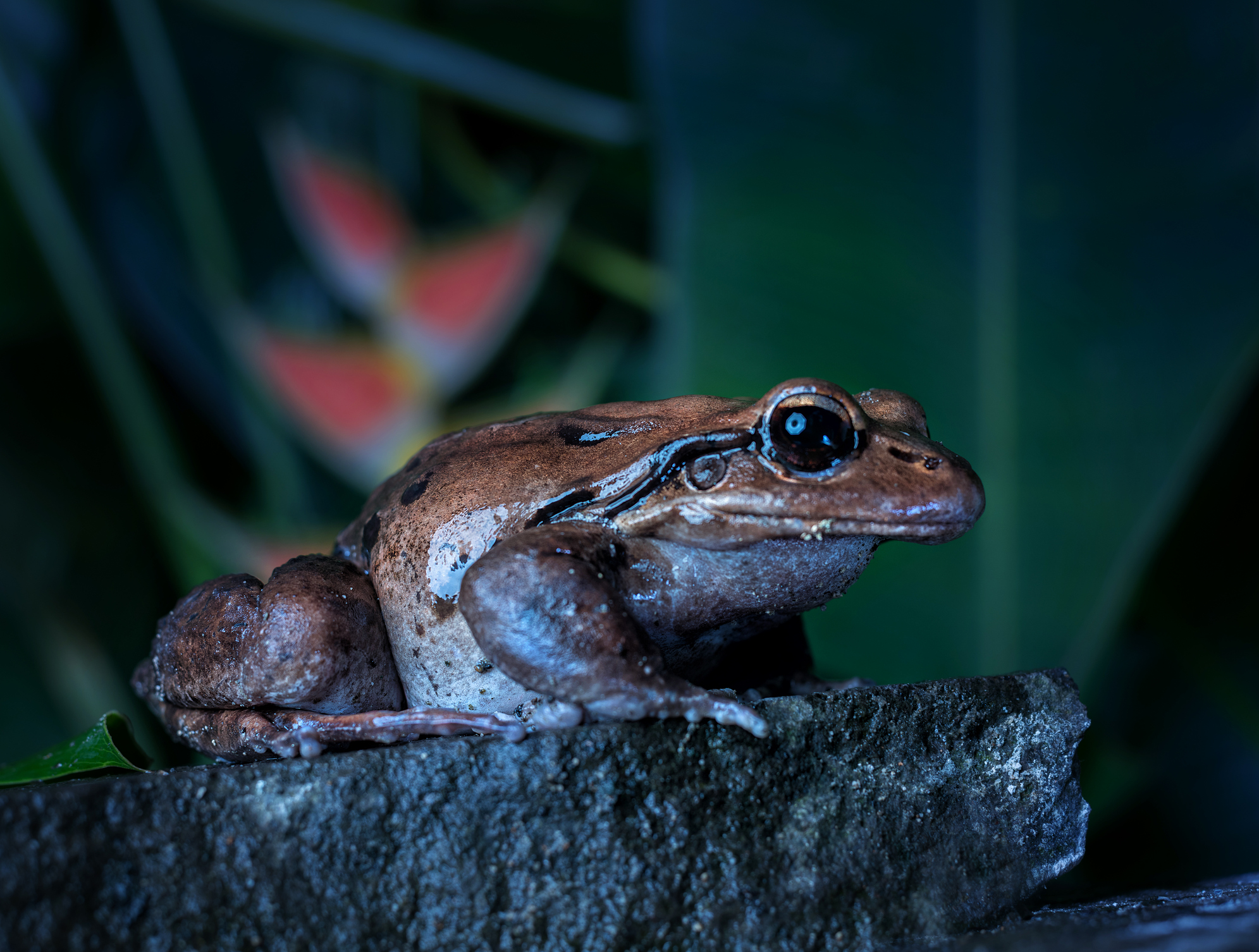
Despite its name, the mountain chicken (Leptodactylus fallax) isn’t a chicken at all. It is a frog, and a particularly impressive one too: adults can reach around 20cm in length. It was once widespread across Dominica and neighbouring islands, but populations have been devastated by chytrid fungus, an infectious disease affecting amphibians worldwide. Although the species survives in Dominica, conservation remains a major priority.
- These ‘miniature Komodo dragons’ faced extinction on a remote Caribbean island – until a difficult ‘regreening’ project started
- Forget Love Island: This barren Caribbean rock is the hottest dating spot on Earth for a species on the brink of extinction
Dominica’s forests
The importance of the Boiling Lake landscape extends well beyond its famous lake as Dominica’s forests regulate water, protect soils and provide habitat for species not found anywhere else in the world. They are also part of a much larger Caribbean story: islands that have evolved unique wildlife communities, but where habitat loss, invasive species, disease and climate change can have serious consequences.
Morne Trois Pitons National Park protects a tropical ecosystem and is one of the Caribbean’s last great rainforest wildernesses in an active volcanic landscape.
How to hike to Boiling Lake
The hike to Boiling Lake is a demanding full-day route and requires a decent level of fitness. Starting at Titou Gorge, the trail is around four miles each way and involves steep climbs and descents, slippery and muddy sections and challenging volcanic terrain. It is advisable to use a local guide, stay on the designated route and keep some distance from hot springs, fumaroles, or Boiling Lake itself, as the water can reach temperatures close to boiling point.
When can you visit Boiling Lake?
Wildlife can be spotted throughout the year, but weather conditions are an important consideration when tackling the trail. Dominica has a tropical climate, with frequent rainfall, and wet conditions can make the already challenging route muddy and slippery.
For wildlife watchers, however, wet weather encourages frogs and other moisture-loving creatures to emerge, while the lush vegetation provides food and shelter for a wealth of insects and birds.
Discover more fascinating lakes to visit:


