

Some animals are so unusual that they seem more at home in a fantasy novel than in the wild. Yet from the volcanic shores of the Galápagos to the cloud forests of Costa Rica these creatures are ever present.
Much Better Adventures' newly launched Wildlife Collection invites travellers to experience remarkable ecosystems in search of iconic and unusual species.
Let's take a look at five extraordinary animals that showcase the diversity of the collection and learn how Much Better Adventure's guided tours can take the hassle out of planning, so you can focus on seeing them up close.
Marine iguana: the world's only sea-going lizard
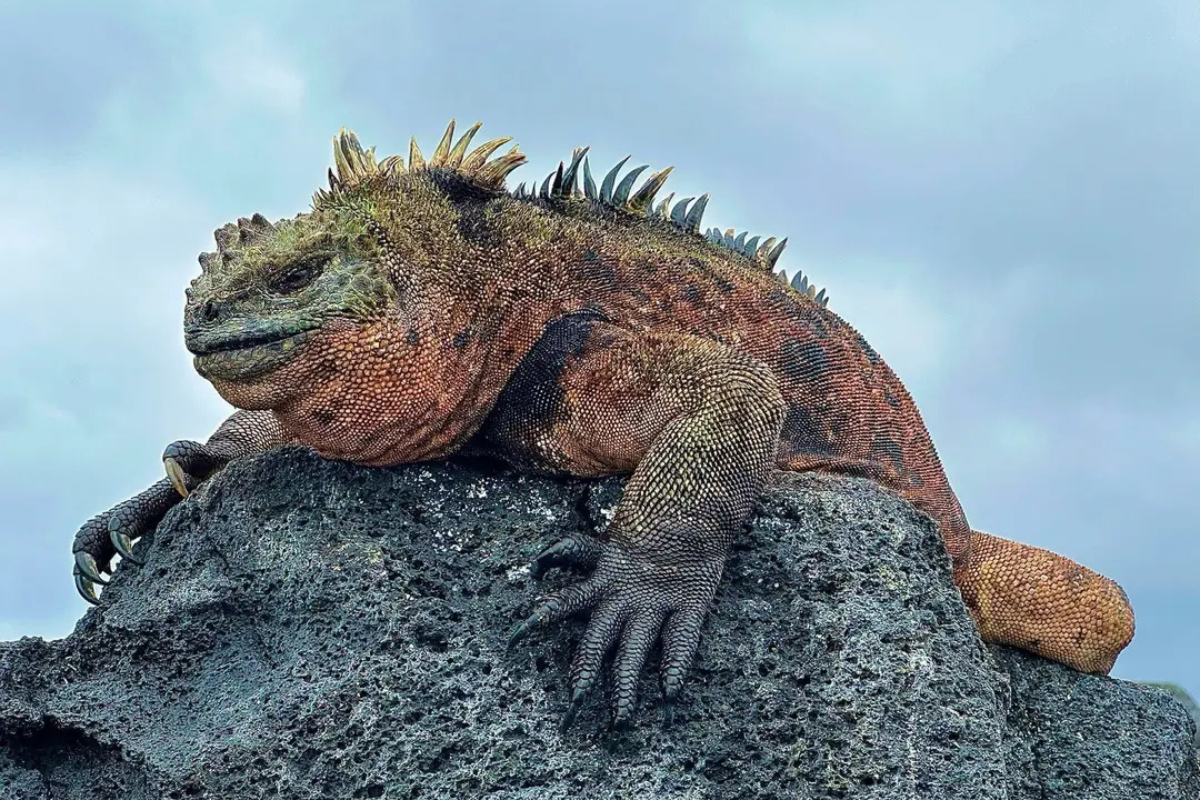
Marine iguanas are endemic to the Galápagos Islands and are the only sea-going lizards in the world. Experts aren't sure how far marine iguanas can swim, but have found they can relocate between different islands – sometimes travelling up to 65km between them.
Typically, marine iguanas feed on algae on rocks in the sea. Smaller iguanas stay closer to shore and feed in rock pools. As their diet contains so much salt, they're known to sneeze out the excess to prevent crystals from blocking their snouts.
How could you see them?
On day 3 of Much Better Adventure's Galápagos Islands tour, you'll snorkel at one of the island's most celebrated marine wildlife sites.
Indri: the lemur with the haunting call
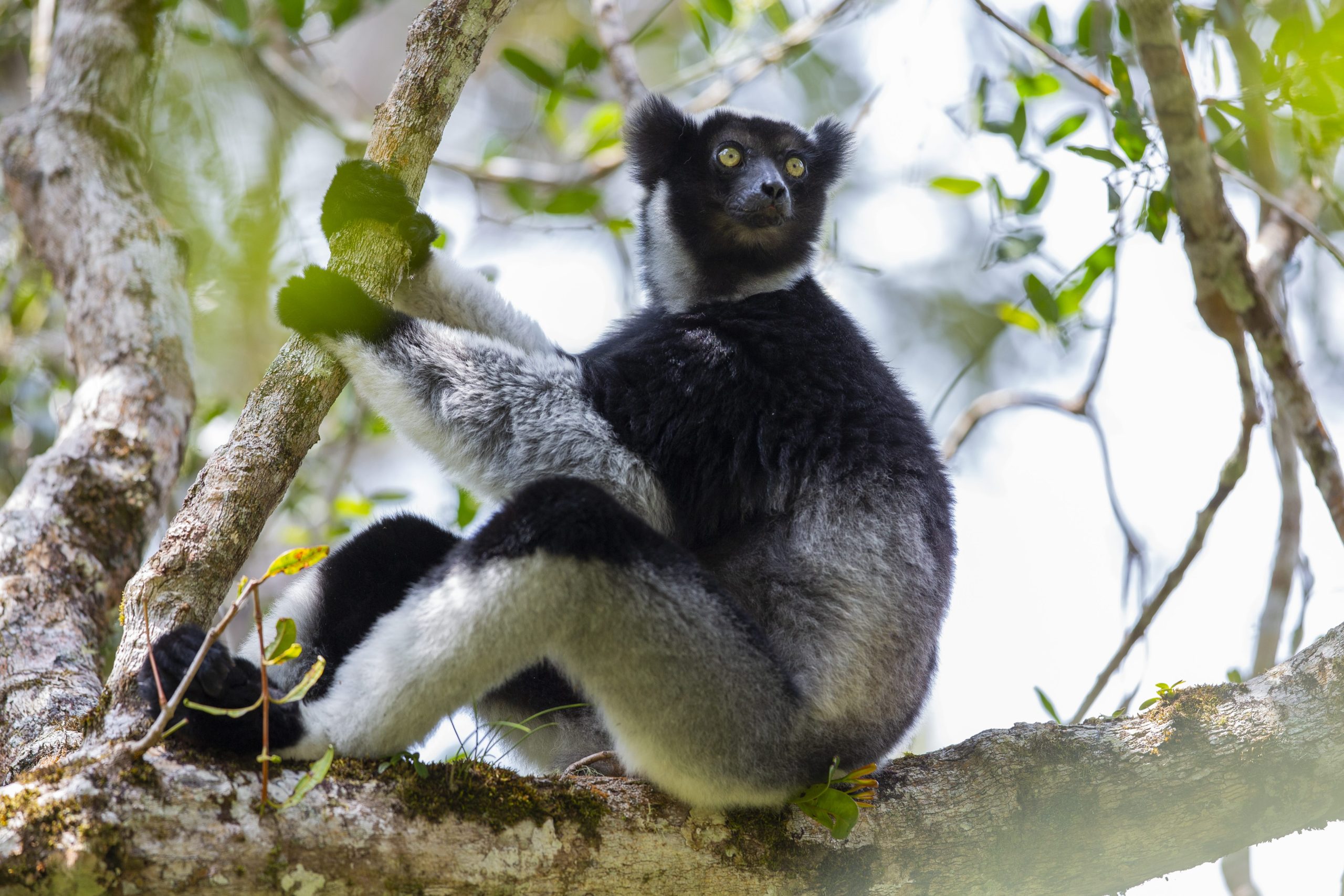
Madagascar is home to more than 100 species of lemur, but few are as memorable as the indri. They may be one of the largest living lemurs yet aren't always easy to spot among the canopies. They make up for this with ear-splitting wails known as 'long calls', which carry over 2km and sometimes even up to 4km.
Indris have phenomenal locomotor ability, with long, powerful hind limbs that allow them jump up to 10m with ease. Despite this impressive leaping ability, they are surprisingly lethargic and may only travel up to a kilometre a day in the summer.
How can you see them?
Throughout Much Better Adventures' Wildlife Adventure in Madagascar you'll explore rainforest habitats known for their lemur populations.
Resplendent quetzal: the bird once worshipped by the Maya
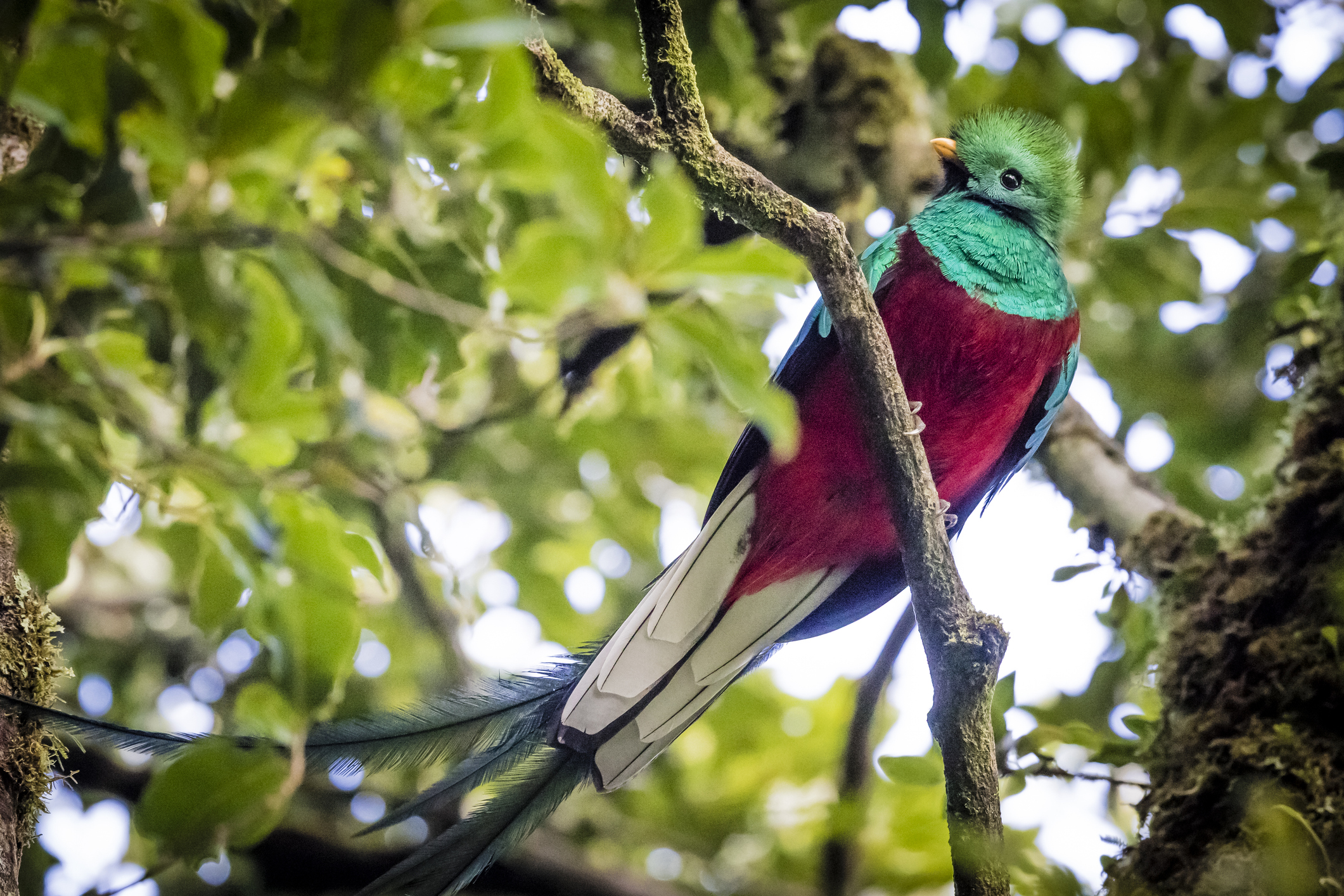
With elegant long feathers and shimmering green plumage, the resplendent quetzal is often regarded as one of the most beautiful birds in the Americas. It held deep significance in Mayan culture, and was associated with the wind god Quetzalcoatl.
The long, green feathers of the tail were considered by indigenous people to reflect the characteristics of a reptile, therefore representing a bird and a snake. This link may have led to its significance as a sacred being that connected heaven and earth.
How can you see them?
Tracking the resplendent quetzal is the highlight of Much Better Adventures' Wildlife Adventure in Costa Rica.
Much Better Adventures has many more wildlife-focused tours, including safaris, cruises and gorilla treks.
Snow leopard: the ghost of the mountains
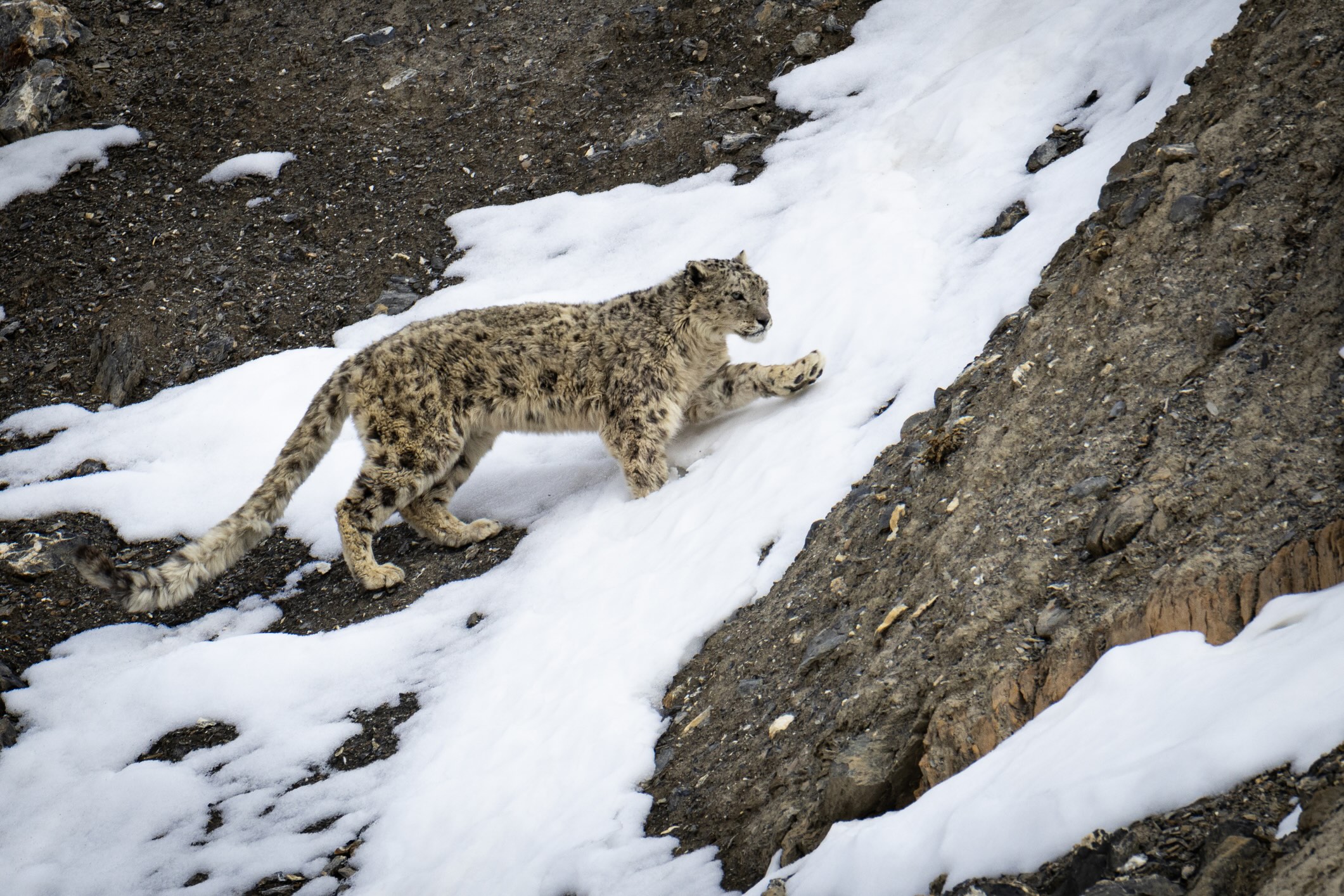
One of the rarest cats in the world, snow leopards are solitary and elusive by nature. They live among the remote peaks of the Himalayas, blending effortlessly into its rocky mountains and hunting prey to devastating effect. These cats can jump as far as 15m and can take down prey three times their own weight.
Their rarity adds to their allure, as simply seeing one stalking the mountains is a special experience many will never get to see.
How can you see them?
Much Better Adventures' Track Snow Leopards In The Indian Himalayas is built entirely around searching for these incredible predators.
Whale sharks: the largest fish on Earth
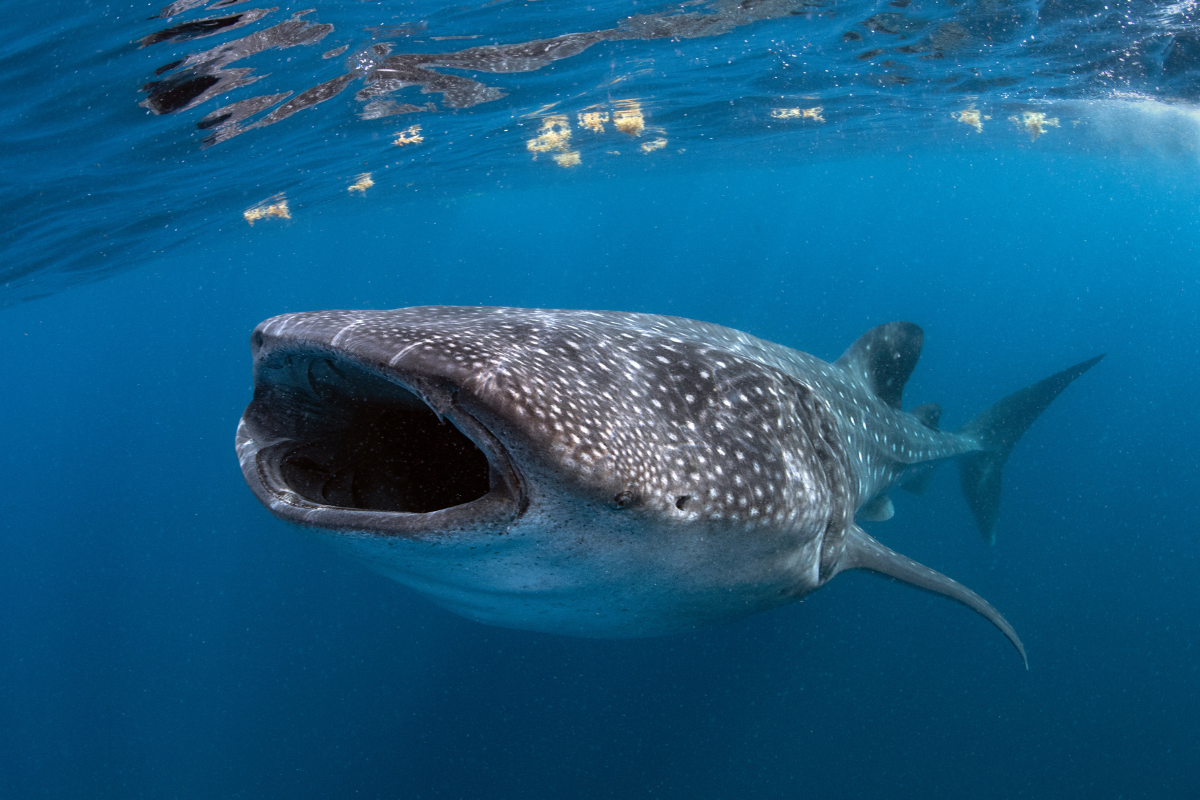
The whale shark is the world's largest shark and fish species, with a maximum age estimated to be 100 years. They can reach up to 20 metres in length yet despite their fearsome size, they are surprisingly docile creatures.
Studies have revealed that while whale sharks spend much of their time below 40m - even plumbing depths close to 2,000m - they also spend significant periods feeding in plankton-rich surface waters.
How can you see them?
Whale sharks are among the marine species that can be encountered on Much Better Adventures' Marine Wildlife Adventure in the Maldives, particularly during the right season.
Why travel with Much Better Adventures?
- Join small, solo-friendly groups of like-minded adventurers. Fewer people means better sightings in good company.
- Local experts know where to look and how to read the signs.
- 5% of all Much Better Adventures' revenue is donated to the World Land Trust. Plus, each of its wildlife trips also supports conservation locally.
- Partnered with World Animal Protection to ensure every trip meets welfare standards.
- Certified B Corp™.
While quetzals, whale sharks and snow leopards are highlighted on this list, they aren't the only reasons you should visit these locations. All of Much Better Adventures' wildlife tours feature itineraries packed with remarkable sightings of many different species.
Book your next wildlife adventure
Much Better Adventures is financially protected – ABTA: P8623, ATOL: 12365, ABTOT: 5475 and ASTA: 900385666. Learn more here.
