

Restoring our wonderful ancient woods
Ancient woodland covers just 2.5% of the UK, yet it supports a remarkable diversity of wildlife. Unlike newly planted woodland, these habitats have evolved over centuries, creating complex ecosystems that, once lost, can't be simply recreated elsewhere.
Perhaps surprisingly, one of the big challenges to these ancient woods is the planting of new trees. Nearly 40% of the UK’s ancient woodland has been replanted with dense plantations of non-native trees, while invasive plants, pests, diseases, high deer populations and unsustainable management continue to threaten its future.
The good news is that, all across the UK, restoration projects like those carried out by the Woodland Trust are helping damaged woods recover, creating healthier habitats where wildlife can flourish once again.
They're also helping protect the memorable woodland moments that reconnect people with nature, from spotting elusive wildlife to discovering the beauty of ancient woods for the first time.
Find out how you can help support the Woodland Trust and become a member today.
Dartmoor: why moths matter
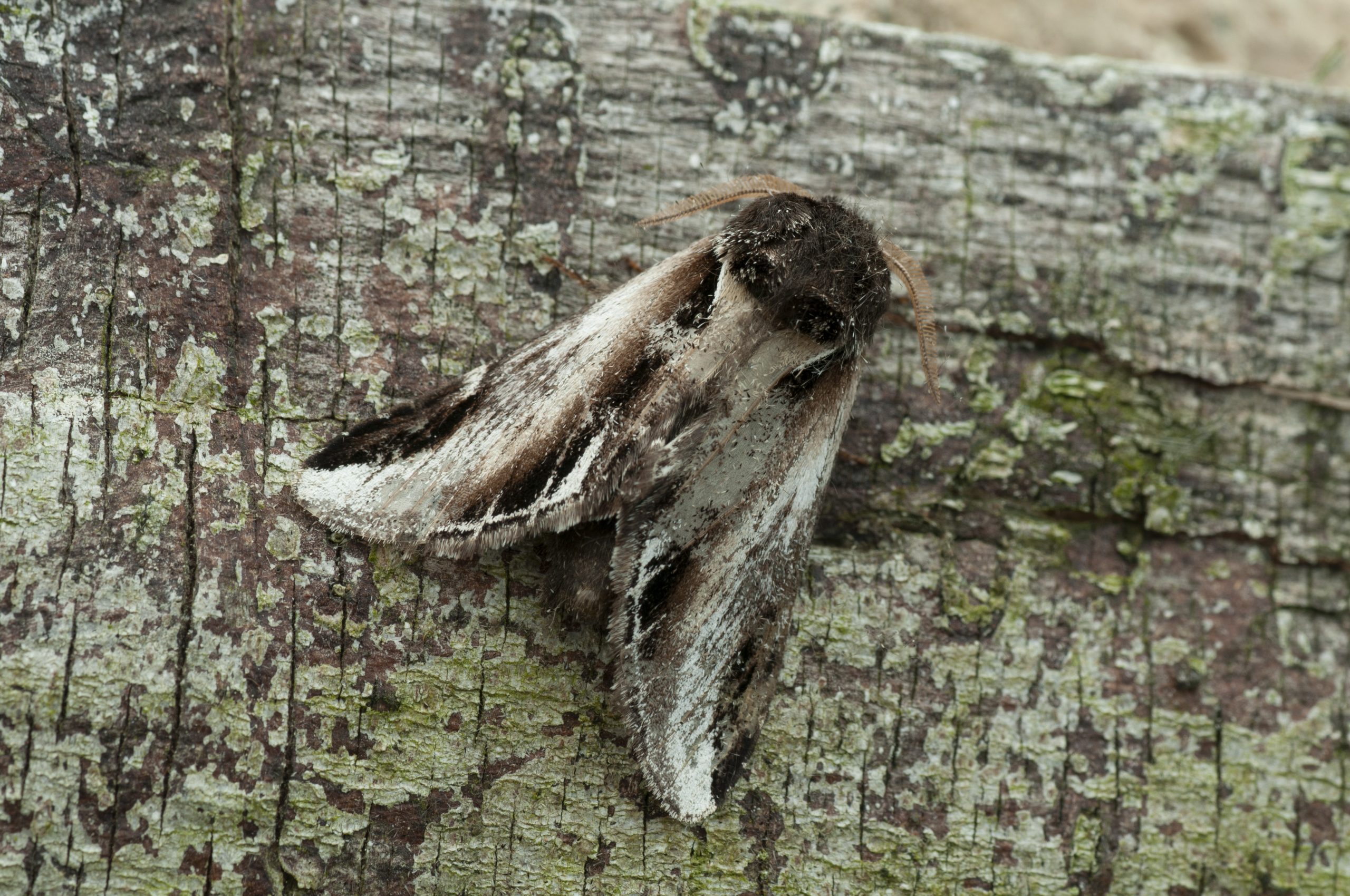
The success of woodland restoration is often measured not by the largest animals, but by some of the smallest – and discovering a striking moth at dusk is a small moment that reveals a woodland’s recovery.
At Fingle Woods on Dartmoor, the Woodland Trust joined forces with the National Trust to restore hundreds of acres of ancient woodland by gradually replacing dense conifer plantations with native broadleaf woodland.
As more light reaches the woodland floor, native plants begin to return. Flowers bloom, shrubs regenerate and the woodland develops a richer structure – a change that can be transformative for moths and other insects.
Many woodland moth species depend on particular trees and plants during different stages of their lifecycle. A more diverse woodland creates more feeding opportunities, more breeding habitat and a healthier ecosystem overall. In turn, those insects support bats, birds and mammals higher up the food chain.
It’s often moments like these – an unexpected encounter with a colourful moth dancing in the last light of the day – that make a walk through the woods memorable.
Wales: the return of the pine marten
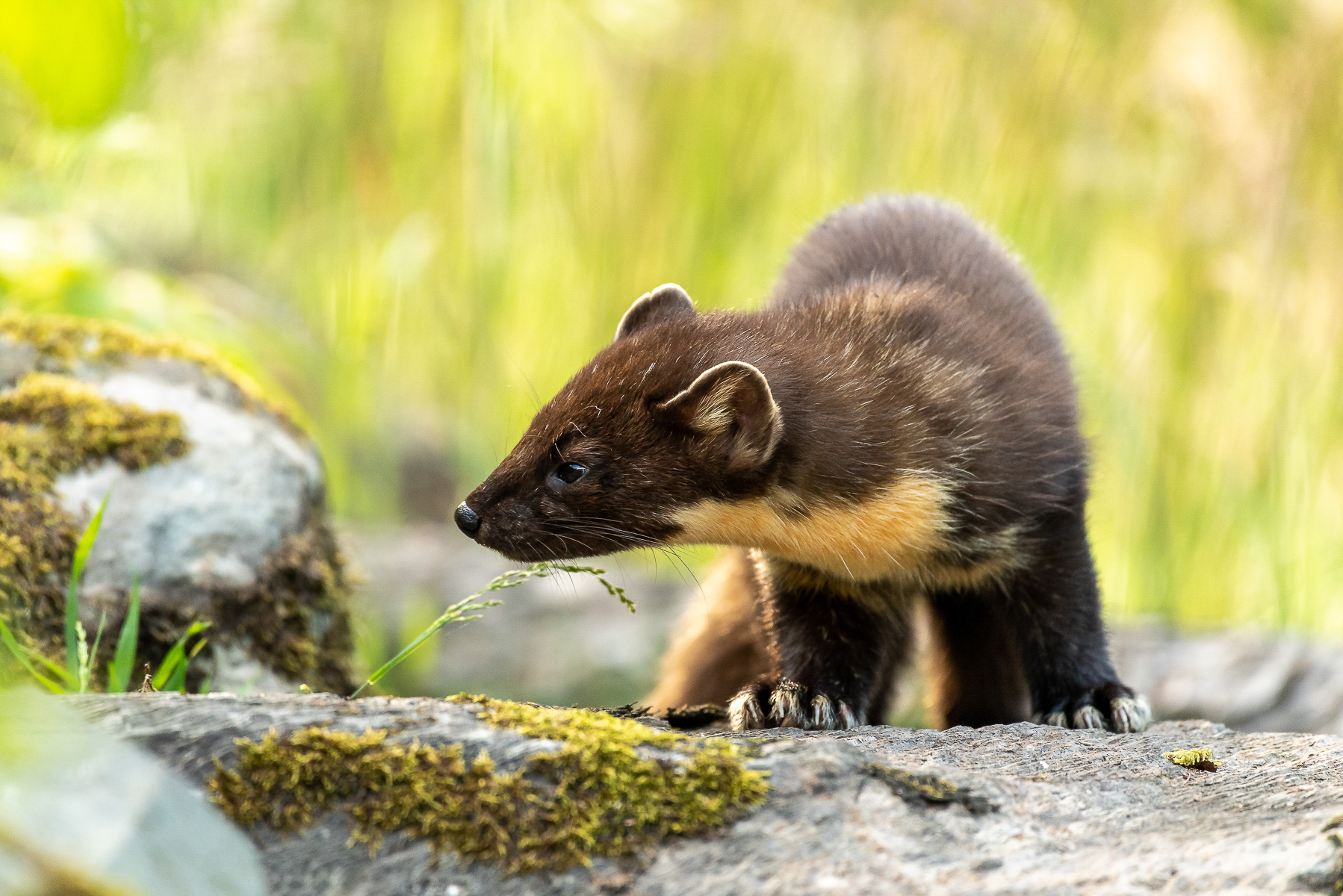
Catching a glimpse of a pine marten may only last seconds, but it’s a sighting that’ll stay with you.
Once widespread across Britain, pine martens suffered severe declines through habitat loss and persecution. By the early 20th century, they had disappeared from much of England and Wales. Now, conservation efforts and improved woodland connectivity are helping the species make a comeback.
Pine martens reappeared in mid-Wales in 2015, and recovering woodland habitats have played an important role in supporting the species as its numbers increase. A further 18 Scottish pine martens were released into the Forest of Dean in 2019, while another 15 were translocated to Devon in 2024 as part of efforts to re-establish the species in areas where it had long been absent.
As elusive as it may be, increased sightings of Britain’s largest tree-dwelling mammal is a promising sign of healthier woodland habitats.
Find out more about the return of pine martens and where to see them in the UK.
Managing challenges for the future
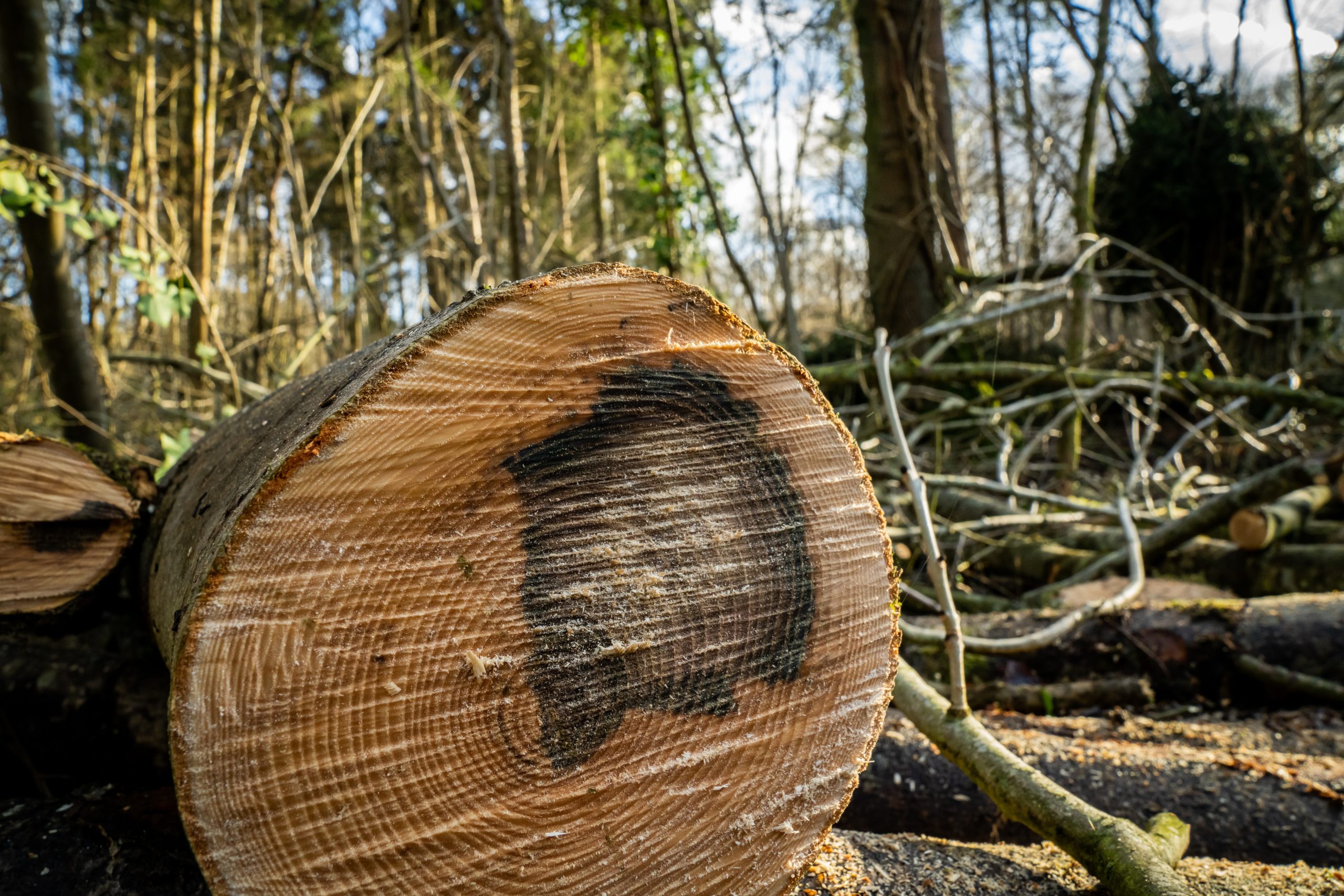
As ancient woodlands continue to face challenges, from tree diseases and invasive pests to the impacts of climate change, restoration remains a long-term commitment.
And woodland restoration isn’t just about protecting habitats. It’s about protecting the moments like the first time you spot a red squirrel, the first walk through a woodland full of bluebells, or the first surprise encounter with a rare bird.
Moments like these are waiting in more than 1,000 Woodland Trust woods across the UK. By becoming a Woodland Trust member from just £4 a month, you can help protect and restore these special places, ensuring they continue to support wildlife and inspire future generations to create their own woodland stories.
Find out how you can help support the Woodland Trust and become a member today.
