
The most colossal organisms on the planet are almost unimaginable in scale. From a huge fungal network to a swirling marine meadow, they can span acres and weigh tons.
Their sheer size is jaw-dropping enough – but they also hide plenty of secrets behind their sprawling success.
Largest organisms on Earth
Posidonia australis seagrass
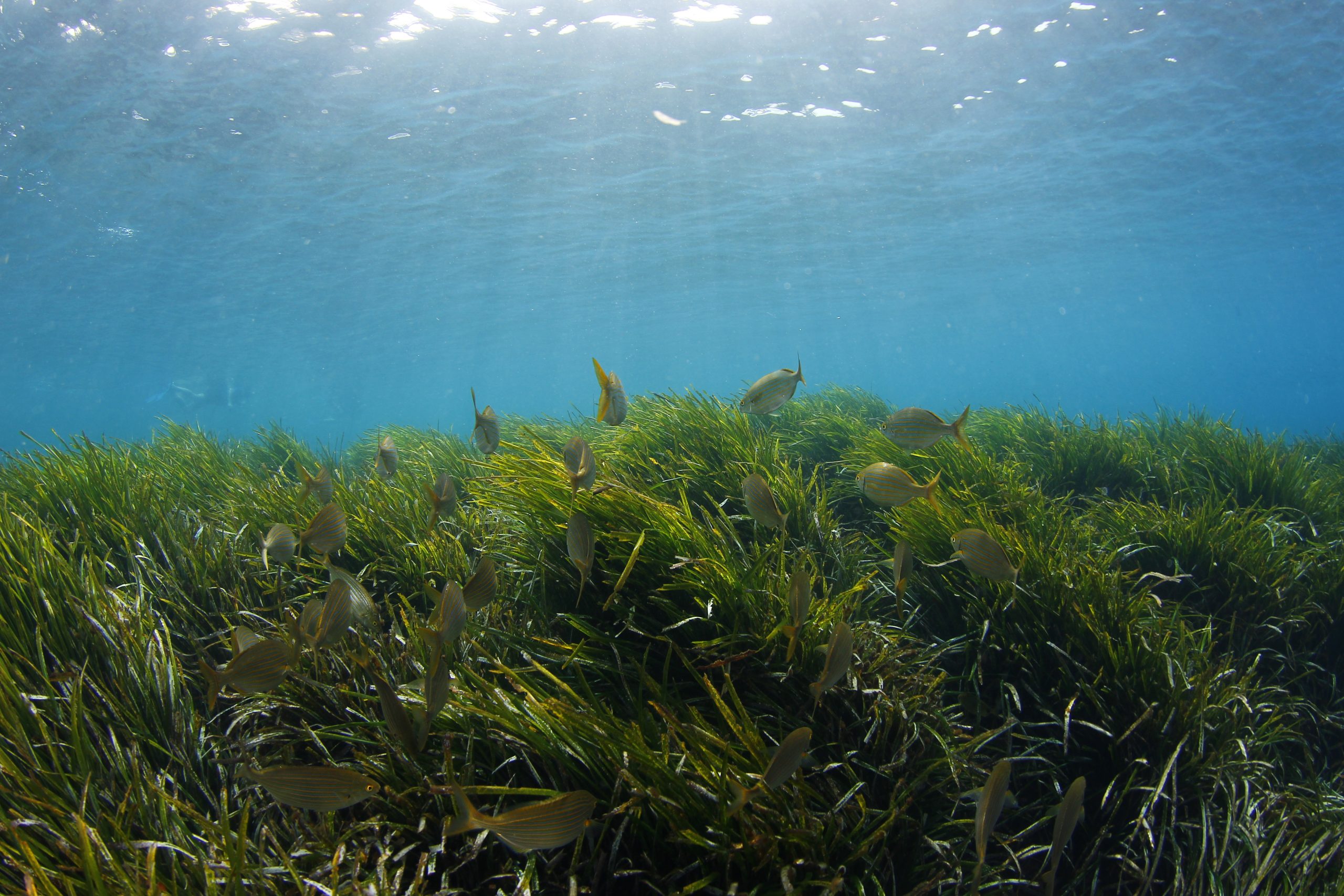
In the shallow waters of Shark Bay, in Western Australia, you’ll find a seagrass meadow that’s larger than the Caribbean country of Aruba. The habitat supports many marine animals such as fishes, dugongs and turtles.
So, scientists were surprised to discover that it is made up of just one plant which had cloned itself to reach a whopping size of 77 square miles.
This makes it the largest plant on Earth.
Humongous Fungus
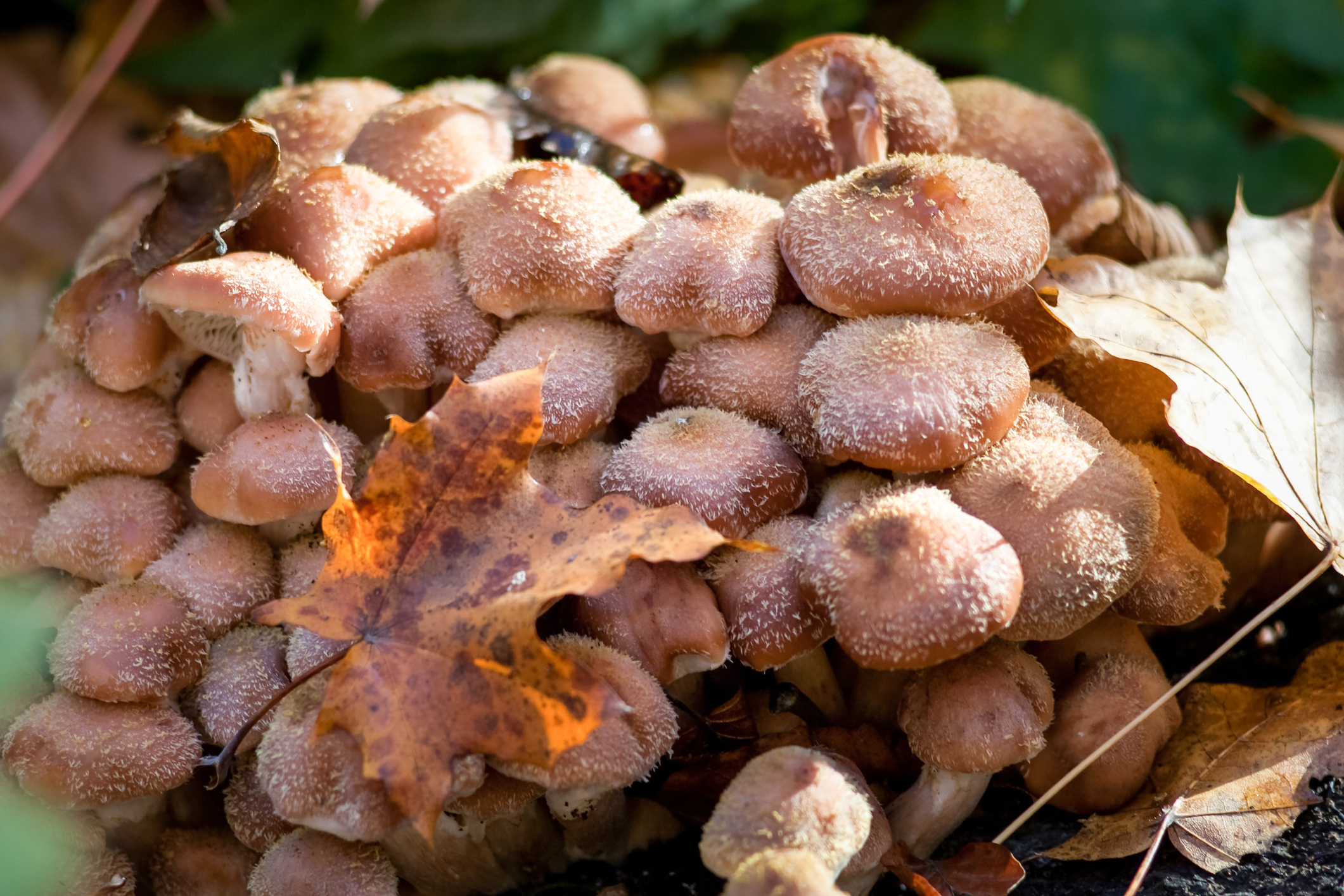
A huge network of honey fungus was discovered in Oregon’s Malheur National Forest in 1998 after more than 100 trees died. It occupies an area of 2,385 acres (nearly 9.6 square kilometres), making it both the largest fungus and the largest single organism on Earth.
However, it remained hidden for so long as much of it exists as mycelium under the soil, with only the fruiting bodies seasonally popping up above ground. But it’s also one of the oldest organisms, as experts estimate that it’s between 2,400 and 8,650 years old.
- It's the equivalent of a humongous 1,500 soccer fields and is 8,650 years old
- Weirdest fungi in the world you (probably) haven't heard of, from the gross-looking bleeding tooth to the creepy dead man's fingers
Blue whale
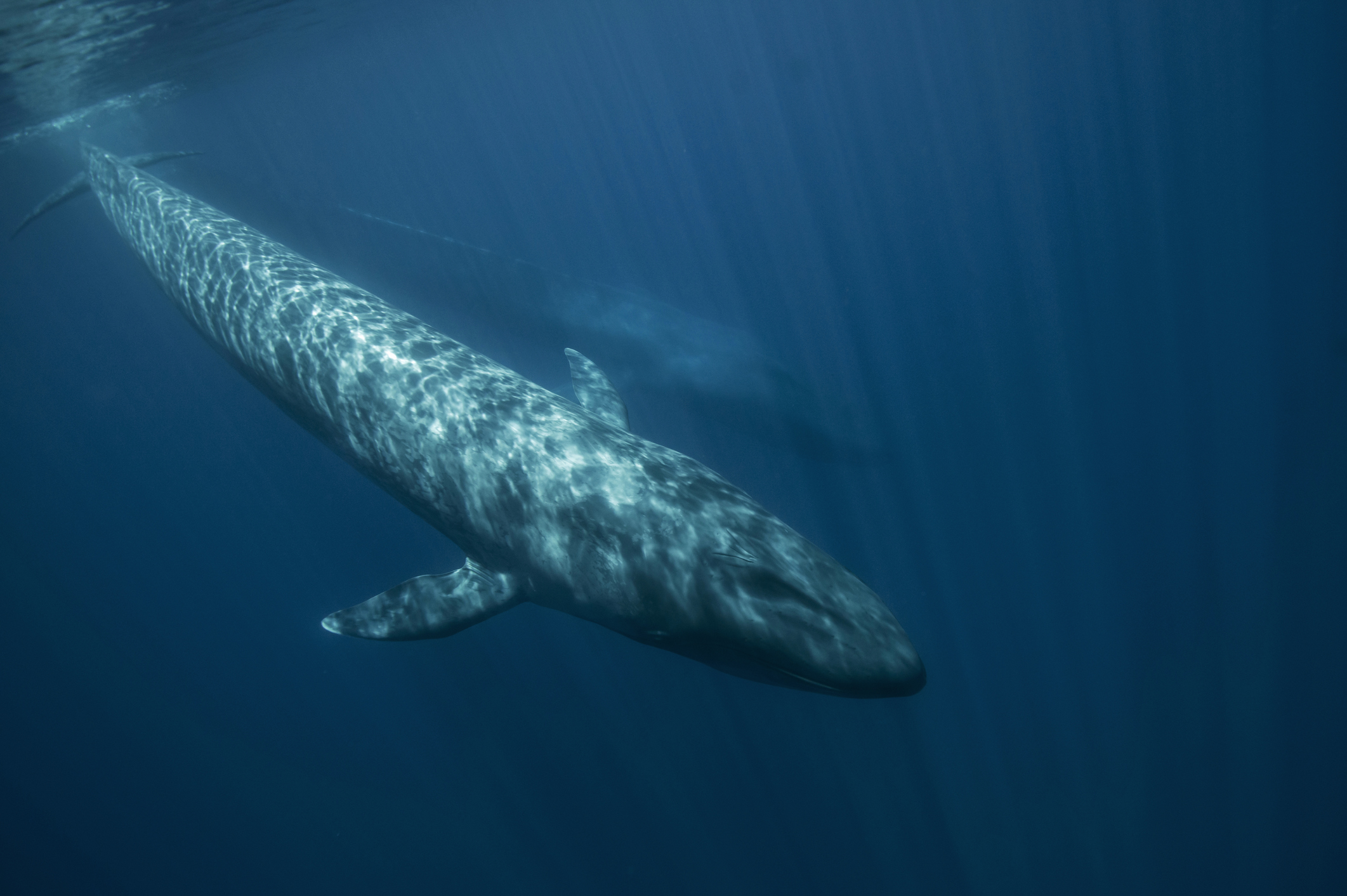
Among animals, the largest species to have ever lived is blue whales. They can grow up to 33 metres long and females can weigh up to 180,000kg. As a mammal living in cold ocean waters, they need to be large enough so as not to lose too much body heat to the surrounding water.
But their metabolism puts a limit on their growth, as it gets faster as they get bigger.
General Sherman tree
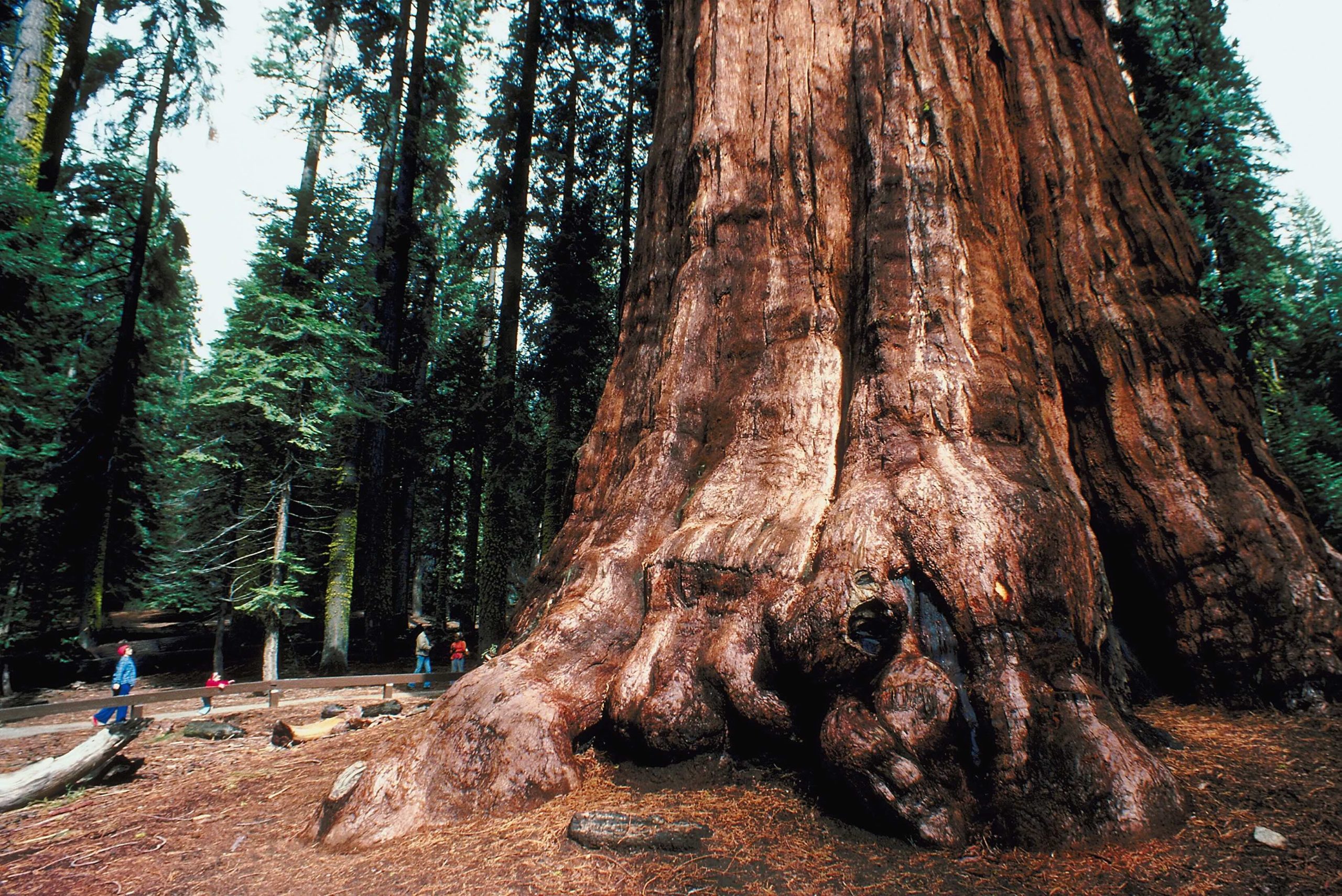
Towering at almost 84 metres tall in California’s Sequoia National Park is the General Sherman tree. That makes it almost twice the height of the Statue of Liberty in New York.
Although it doesn’t hold the title for tallest tree in the world (that goes to a redwood known as Hyperion), it’s estimated weight of around 1,270,000 kilograms means it’s certainly one of the largest.
Pando
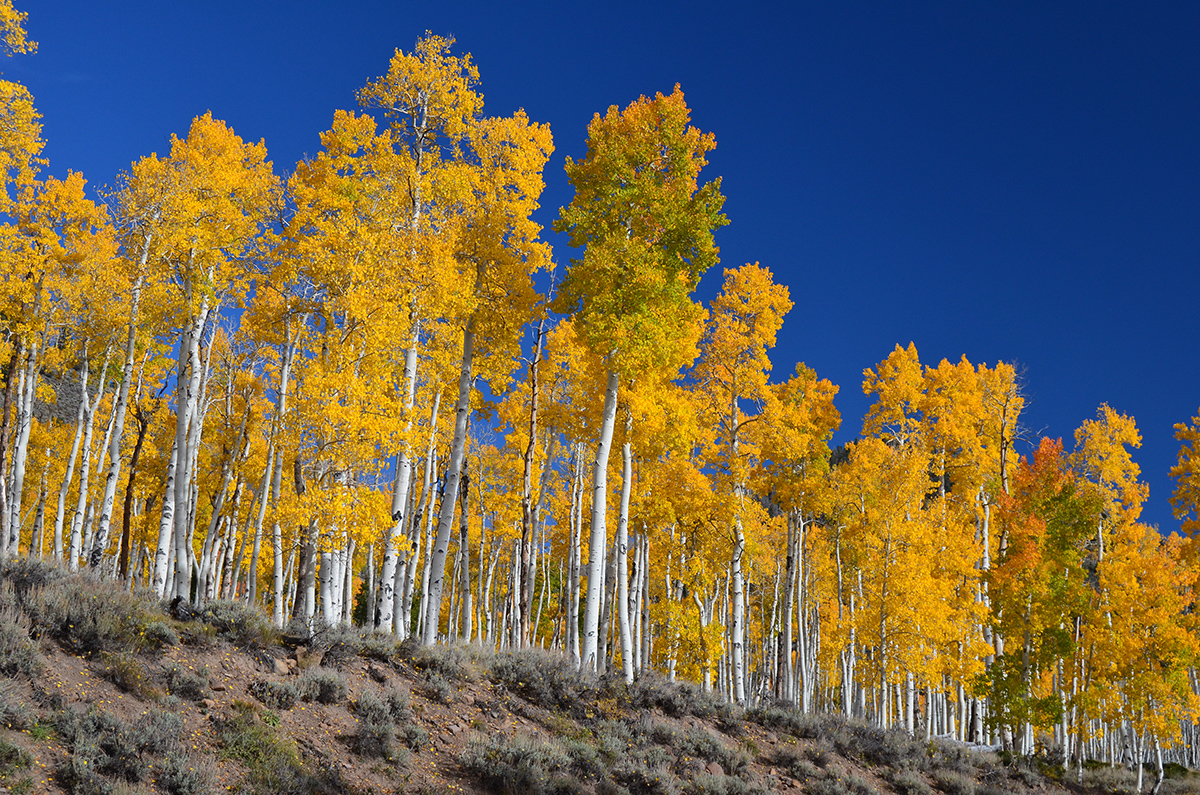
If you visit Utah’s Fishlake National Forest you’ll see a golden grove that isn’t a forest at all. Instead, it’s a single living organism – each of its estimated 47,000 quaking aspen trunks are connected by one underground root system.
Rather than reproducing through seeds, Pando renews itself by sending new shoots from this system. This means it is a clonal colony, as every tree is genetically identical.
Some experts have estimated that it could have been doing this for almost 9,000 years, meaning it has survived since the end of the last Ice Age.
Corpse flower
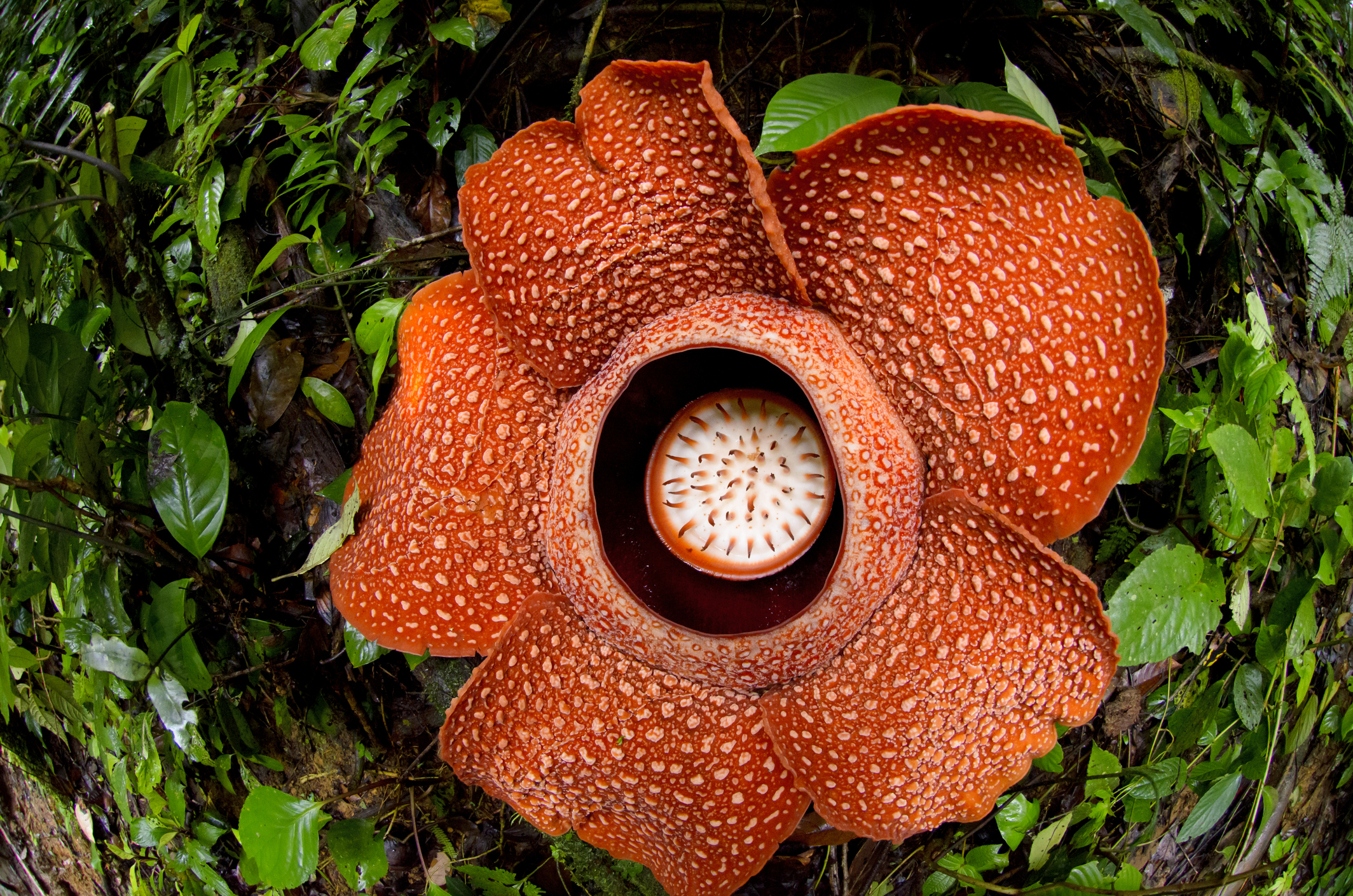
The accolade of biggest flower in the world goes to Rafflesia arnoldii, which is nicknamed the ‘corpse flower’. It can grow up to 1 meter in diameter and can weigh up to 11 kilograms.
It shares its corpse flower moniker with Amorphophallus titanium, which is larger in bulk but is technically considered a cluster of flowers rather than a single flower.


