Down with the “pa-tree-archy”! So ran the comments on a 2021 TikTok, viewed nearly 3 million times, which blamed your hay fever on cities’ fondness for male trees. Catchy, certainly. But like many things that go viral, the truth is more tangled.
Most trees aren’t one sex or the other at all. They’re male and female. Some, like cherry, have male and female parts in each flower; others, like oak and birch, have separate male and female flowers on the same tree. Only a minority, including ginkgo, mulberry and poplar, are ‘dioecious’ – with separate male and female trees.
Nor does all pollen end up in our noses. Showy blooms lure insects, which carry pollen from flower to flower. “It’s the plant trying to be sexy for insects,” says pollen expert Dan Katz from Cornell University. It’s wind-pollinated trees, with drab flowers, that release pollen into the air and make us sneeze.
- Nectar vs pollen: what's the difference between these two substances that bees love?
- Pollination guide: All you need to know about pollination - but were afraid to ask
So why would anyone choose one sex over the other? Mostly, it’s about mess. Female poplars shed flurries of fluffy seeds, while female ginkgos drop fruit that Katz says can smell like a combination of “vomit and dog faeces”.
In Manchester, botanist Clive Stace checked about a hundred planted black poplar trees in 1970 and found they were all male – grown from cuttings. US horticulturalist Tom Ogren later gave the deliberate planting of male trees a name: botanical sexism. His theory? More male trees mean more pollen, and as a result, more hay fever.
It sounds plausible. But for botanical sexism to cause hay fever, a species would need to have wind-dispersed allergenic pollen, be dioecious and deliberately planted as males. Very few tick all three
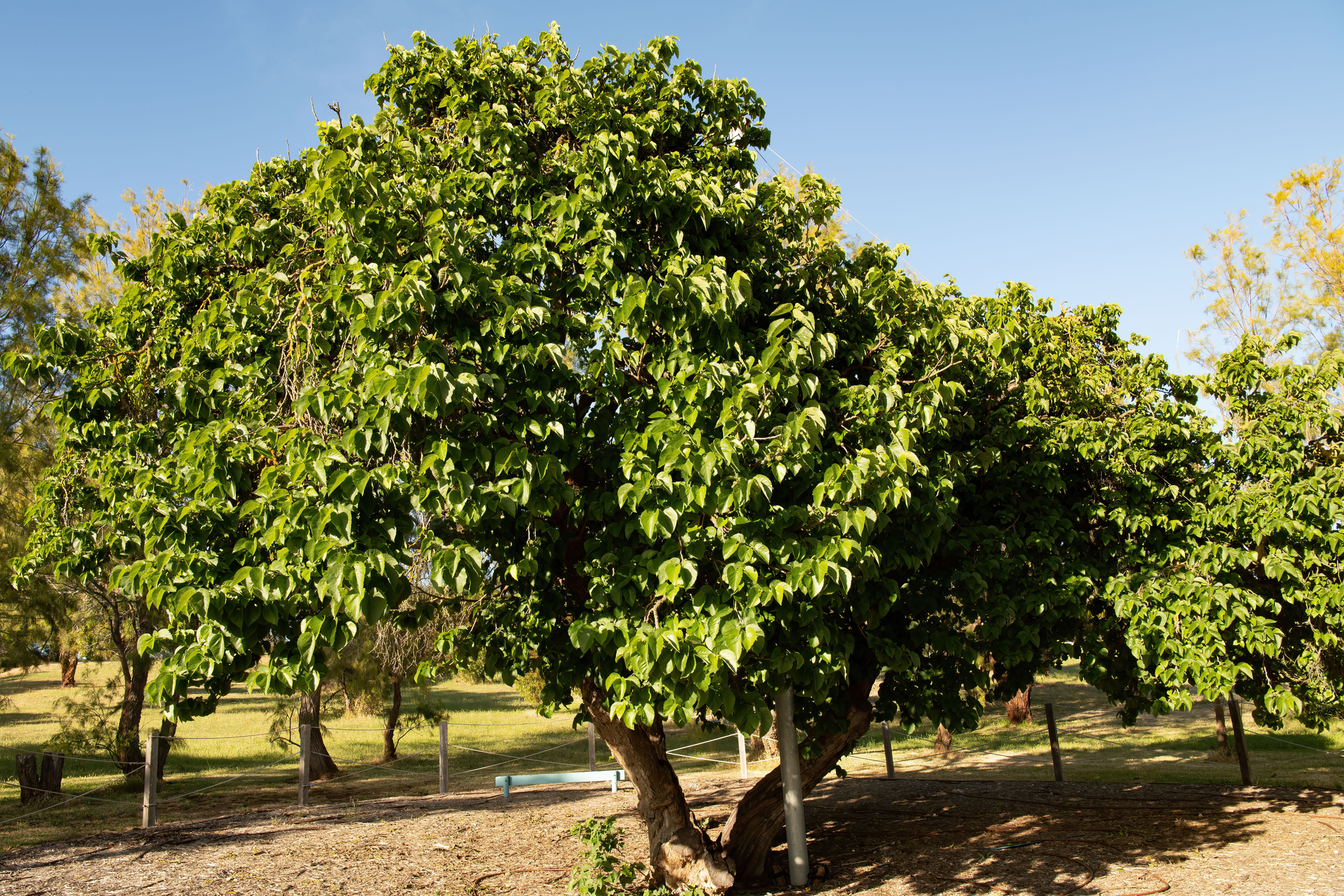
When Katz studied New York’s trees, he realised that three of the city’s four most important sources of allergenic pollen – oak, plane and birch – aren’t dioecious, so there’s no way to plant only males. The exception is mulberry. And while it is wind pollinated, most of the city’s mulberries spring up from seeds dropped by birds, he says, so males and females are likely to grow in a natural mix.
So, is botanical sexism making us sneeze? In New York, Katz estimates it accounts for a few percent of allergenic pollen exposure at most, a “relatively trivial concern”. In the UK, there’s even less scope: our worst allergy trees – birch, alder and oak – all have male and female flowers on the same tree.
If botanical sexism has a victim, it may be the trees. Shunned for their fluffy seeds, female native black poplars are thought to number just 600 of the estimated 7,000 left in England, Wales and Ireland. Now, the species is struggling to seed itself.
So don’t blame the “pa-tree-archy”. When it comes to hay fever, a tree’s species matters far more than its sex. Choosing the right trees for our streets, and making room for a few more female black poplars, could help both our noses and our wildlife.
- "1 in 10 people will sustain long-term damage to their lungs, & for 1%, the infection can spread to their brain & spinal cord." What you need to know fungus storms
- How do trees make it rain?
- How do trees and plants know when it's spring? It's all thanks to a protein...
"Treetops appear to lock together like the pieces of a jigsaw puzzle, separated by channels of blue sky." Why do some trees refuse to touch each other?