
London’s Natural History Museum has reopened a restored gallery – and it’s free to the public.
Nature and Us explores our evolving relationship with the natural world by showcasing 50 remarkable objects throughout history, dating to the Palaeolithic period.
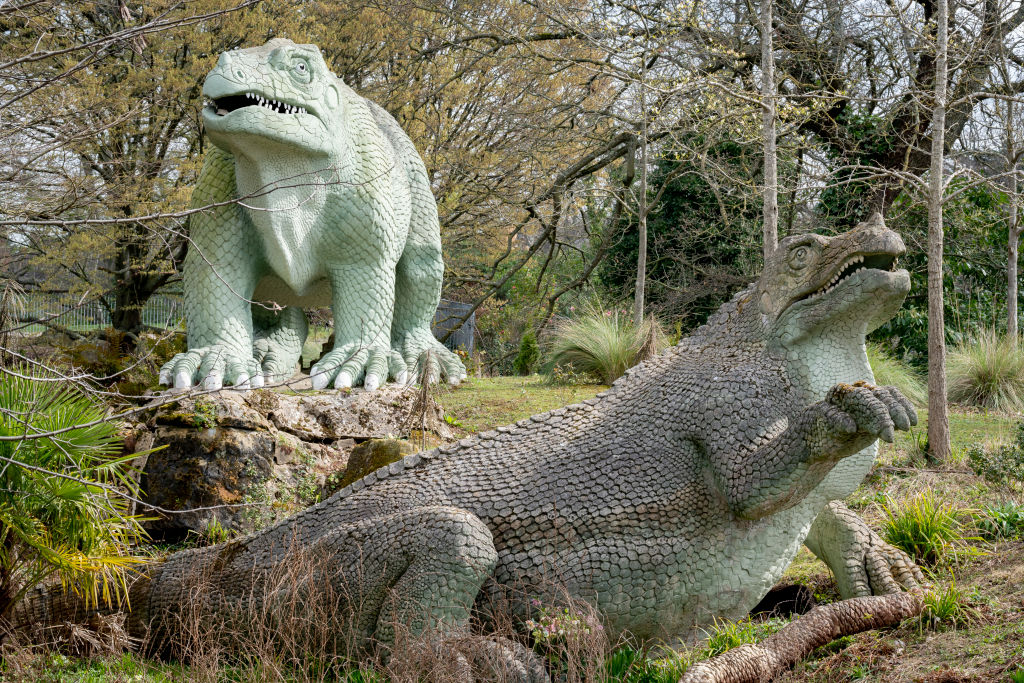
It includes a miniature model of a Crystal Palace dinosaur, which were the world’s first life-scale reconstructions of dinosaurs. During the Victorian period, scientists and artists recreated what they thought these creatures looked like, based on limited fossil discoveries.
They’re inaccurate based on modern standards but they fascinated the public at the time – and provide an incredible insight into the emerging field of palaeontology. The sculptures went on display in 1854 and can be found today in Crystal Palace Park in South London.
Other objects include a skeleton of a monk seal called Jenny (known as the ‘Talking Fish’, a popular live exhibition during the Victorian era) and a bryozoan-encrusted Star Wars toy from the 1980s.
Another item on display is a hand axe that was discovered close to the remains of a woolly mammoth in 1859. This challenged creationist understanding of when humans first existed on Earth, with it being presented at a lecture at London’s Royal Society six months before Charles Darwin published his theory of natural selection.
- "It could have weighed as much as 10 tonnes, more than double the weight of an African elephant and possibly as much as 14.3 tonnes!"
- Did elephants and mammoths co-exist?
According to the BBC, the hand axe was donated to the Natural History Museum in 1896, where it lay in its collection for over 100 years, before being rediscovered.
Visitors can also touch a replica jaw of one of Britain’s earliest domesticated dogs, dating to around 14,300 years ago. The jaw was found at Gough’s Cave in Cheddar Gorge in Somerset, where evidence of cannibalistic rituals among humans have also been discovered.
- It didn't much look like a dog – or act like one as it climbed trees like a cat – yet it was the first-ever dog on the planet and the ancestor of all dogs today…
- Can dogs crossbreed with wolves?
Nature and Us will initially open for 18 months as a temporary gallery on the second floor of the main Museum’s Waterhouse building. Visitors are encouraged to share feedback on the items displayed in Nature and Us, deciding which stories will appear in the permanent gallery opening in 2029.
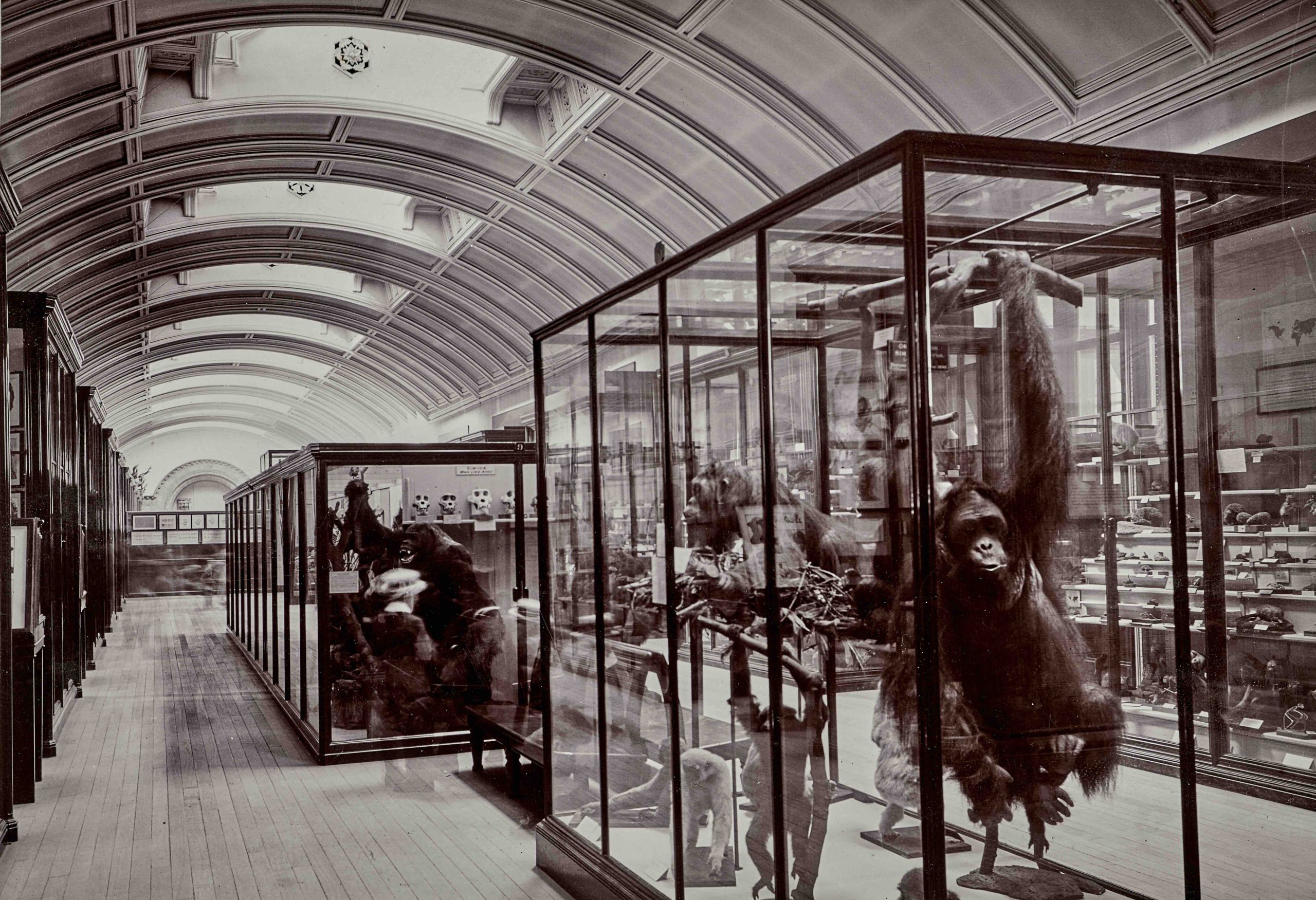
The space was historically used as a skeleton gallery and a mammals gallery. When the Museum’s original herbarium was damaged during World War II, the gallery was repurposed to house the botanical collection and has been closed to the public since.
The opening of Nature and Us is part of the Museum’s plans to mark its 150th anniversary in 2031, opening one brand new or revitalised gallery each year in the run-up.
Top image: the final touches are added to the Nature and Us gallery at the Natural History Museum, including a model of a Crystal Palace dinosaur. Credit: The Trustees of the Natural History Museum, London


