
The Brazilian Atlantic Forest, stretching over an area of over one million square kilometres along the Atlantic coastline of South America, is a global amphibian biodiversity hotspot. But in the 1970s, the area experienced dramatic population declines in several species of frogs and toads. The cause of these mass die-outs has remained a mystery – until now.
- It breaks its own bones in the battle for a mate, can regenerate and is oddly hairy – meet this bizarre 'Wolverine'-like creature
- This bizarre animal creates its own sunscreen by secreting a waxy substance 40 times more powerful than morphine
The story starts in the Boracéia Biological Station in the Atlantic Forest, a field research centre in the Brazilian state of São Paulo, where amphibian populations experienced severe declines between 1979 and 1982.
Scientists have proposed different reasons over the years, such as climate change or unusually extreme weather. And while these factors might have contributed, another possible culprit has finally been identified by scientists from the Centre for Conservation Genomics at the Smithsonian’s National Zoo and Conservation Biology Institute (NZCBI) and Pennsylvania State University (PSU).
The findings, published in the journal Molecular Biology, suggest that a pathogen only formally identified and described by science in 1999 is to blame – years after it had potentially already wreaked havoc on hundreds of amphibian species worldwide.
After examining preserved frogs from the 1940s, 1970s and 1980s, the researchers identified an infectious disease known as amphibian chytridiomycosis (chytrid), caused by the microscopic fungal pathogen Batrachochytrium dendrobatidis (Bd), in many of the specimens.
Scientists believe the pathogen originated in Asia before spreading around the world in the 1970s and 1980s. But as it has remained a mystery to science until years after the worst amphibian die-offs, determining whether it was responsible – and in which cases – has proven particularly difficult.
“After almost 50 years, we still aren’t confident what caused many historical amphibian die-offs, making these declines some of the most enduring cold cases in wildlife epidemiology,” says Jack Boyette, an NZCBI graduate fellow and doctoral candidate at PSU who led the research.
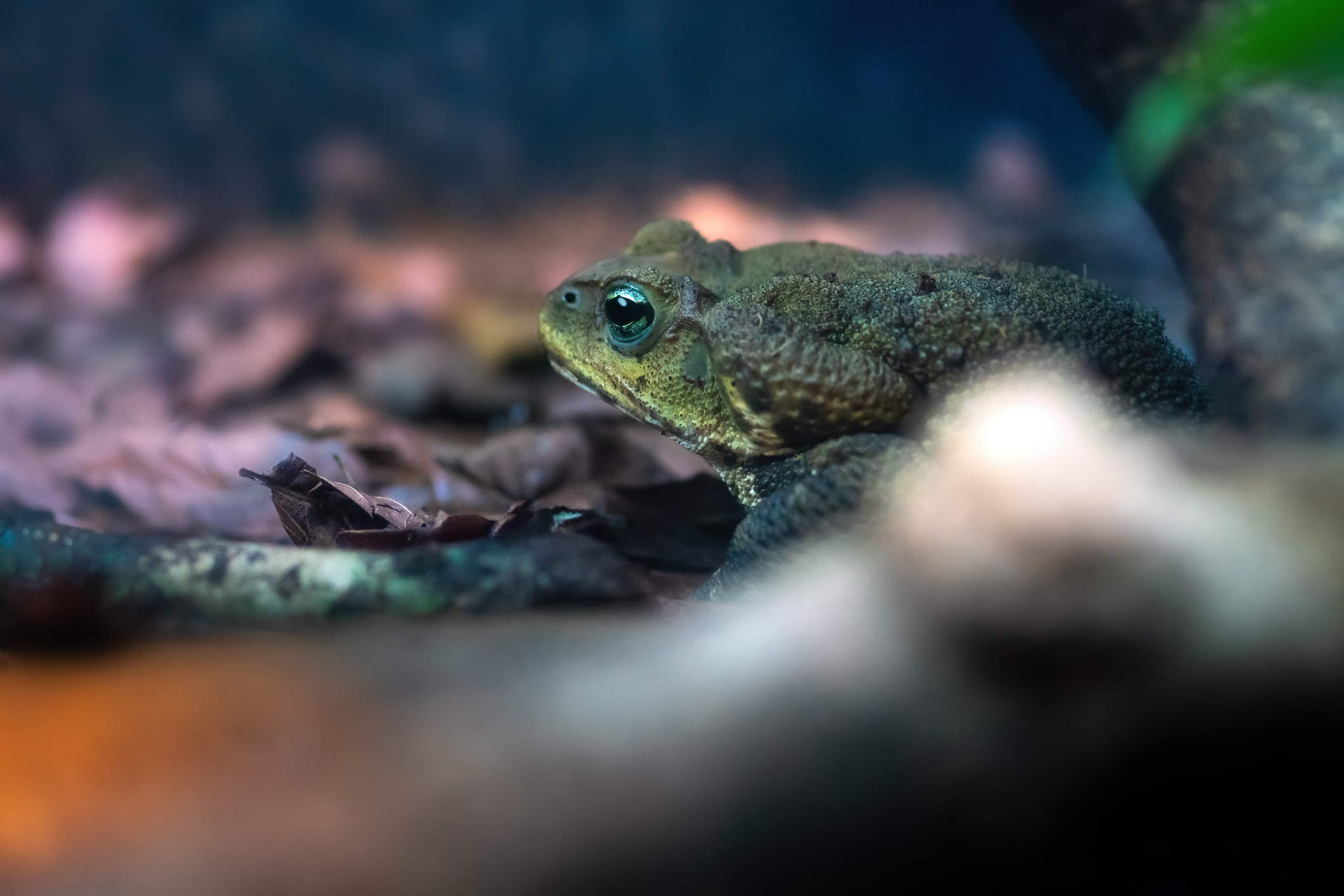
Museum specimens
The Smithsonian’s National Museum of Natural History houses specimens that proved to be especially useful in solving this cold case. Collected by William Ronald Heyer, a former curator of amphibians and reptiles, the specimens came from his expeditions to Boracéia: two during the 1970s, before the major population declines, and three during the 1980s, after the die-offs.
This gave the scientists a rare glimpse at the timeline of this mysterious occurrence. The team analysed samples from more than 370 preserved amphibians representing 17 species. Among the species tested were the yellow cururu toad (Rhinella icterica), clay robber frog (Haddadus binotatus), Campo Belo snouted treefrog (Scinax crospedospilus) and lesser treefrog (Dendropsophus minutus).
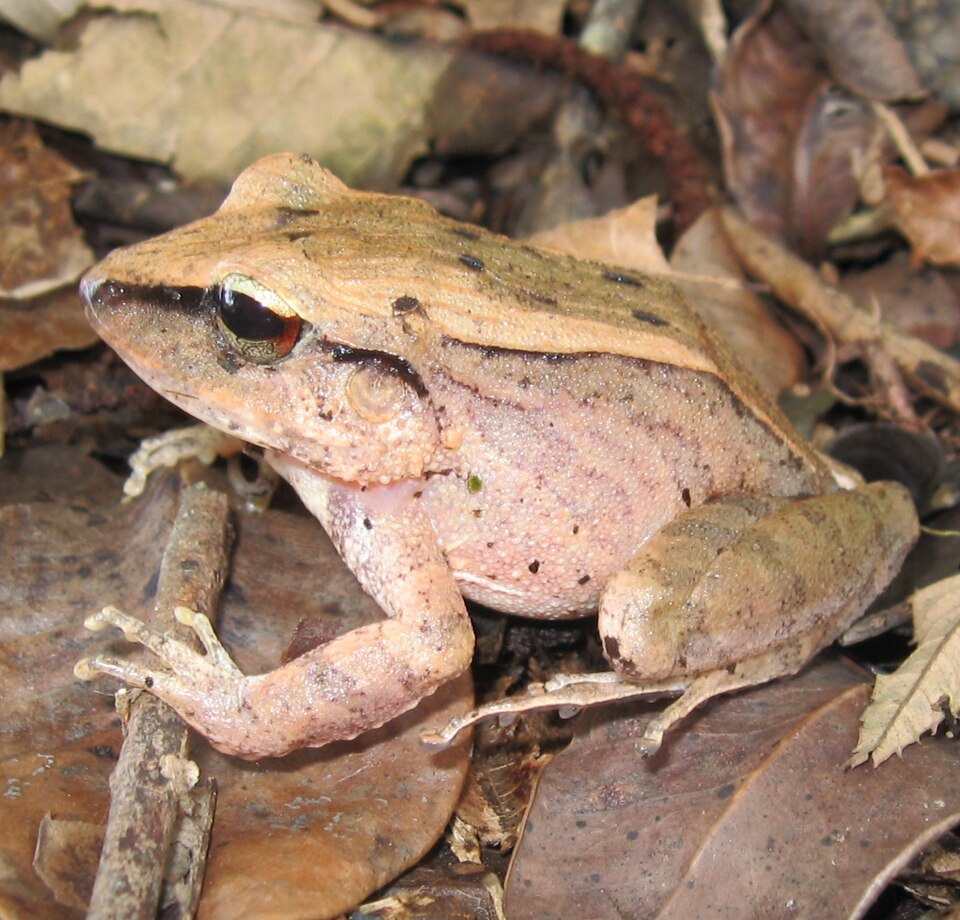
The specimens collected before 1979 showed no evidence of chytrid infection. Among those collected during the 1980s, almost 60 per cent tested positive for the fungus, suggesting the pathogen arrived and spread between the animals around the same time that frog populations started collapsing in the area.
But that’s not all – from the species that suffered the most severe declines, the preserved specimens showed no signs of infection. But the species whose populations remained stable frequently tested positive for the fungus.
So doesn’t this prove that the fungus wasn’t responsible for the die-offs? At first glance, maybe. But the researchers believe the secret might lie in how different species reacted to the disease and that some of them might simply have survived long enough to be collected – while others completely perished.
- This extremely rare starlit frog may be slipping into extinction – are wildlife photographers to blame?
- The bizarre paradoxical frog shrinks as it grows up – and could help treat diabetes in humans
“It’s important to keep in mind that not all species suffered catastrophic losses at Boracéia,” said Boyette. “The species that didn’t decline may have naturally tolerated the fungus, allowing them to become infected without suffering mass mortality.
“By contrast, the species that declined most dramatically may have been so susceptible that infected frogs died before Heyer could collect them.”
The researchers acknowledge that recent research has proposed that amphibian declines in the Brazilian Atlantic Forest are better explained by climate change and extreme weather events than Bd. But they propose that these are not mutually exclusive, since environmental conditions are known to influence disease transmission in the area.
They also caution that their findings apply to the particular location of Boracéia, and don’t automatically explain amphibian mass mortality in other parts of the rainforest.
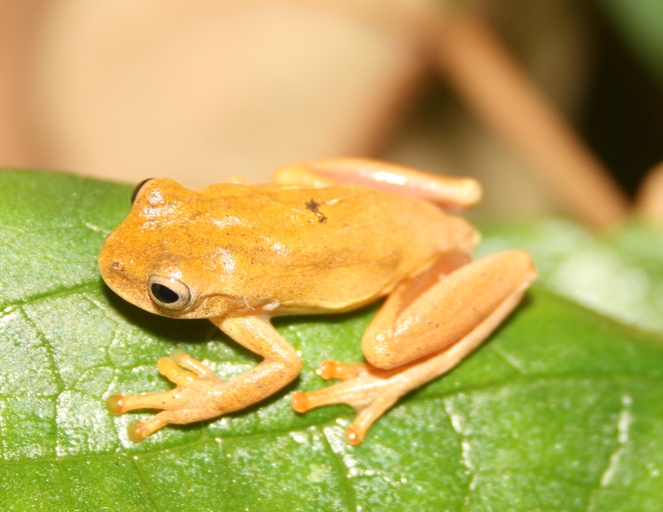
Recovery
Fortunately, the latest findings also offer evidence of recovery within amphibian populations of the Atlantic Forest. In collaboration with researchers from the University of São Paulo, the team took part in six expeditions to Boracéia between 2022 and 2024 to investigate current species numbers.
They managed to locate 12 of the 17 species represented in the historical museum collection but the remaining five were not found, leaving their status uncertain.
But the research is ongoing, with the scientists now examining DNA recovered from museum specimens to find out how exactly amphibians responded to chytrid infections in the past, and why some species took stronger hits to populations than others.
Read the full findings here.
Top image: a vast stretch of Atlantic Forest in southeastern Brazil. Credit: Leoaraujo7/Getty Images


