
The bar-tailed godwit has the longest known migration route, without stopping, of any bird. Now scientists from the Royal Society for the Protection of Birds (RSPB) have mapped an individual’s route for the first time, and found that it covered 6,800 miles (10,900 kilometres). In comparison, a flight from London to LA is around 5,440 miles (8,756 kilometres).
The individual, named Phil, was fitted with a tracking device that detailed his journey from the east coast of England to his breeding grounds in Siberia, and back again.
- Do all bird migrants fly twice a year?
- "To survive, it consumes a large portion of its internal organs, including its kidneys, liver, gizzard and intestine"
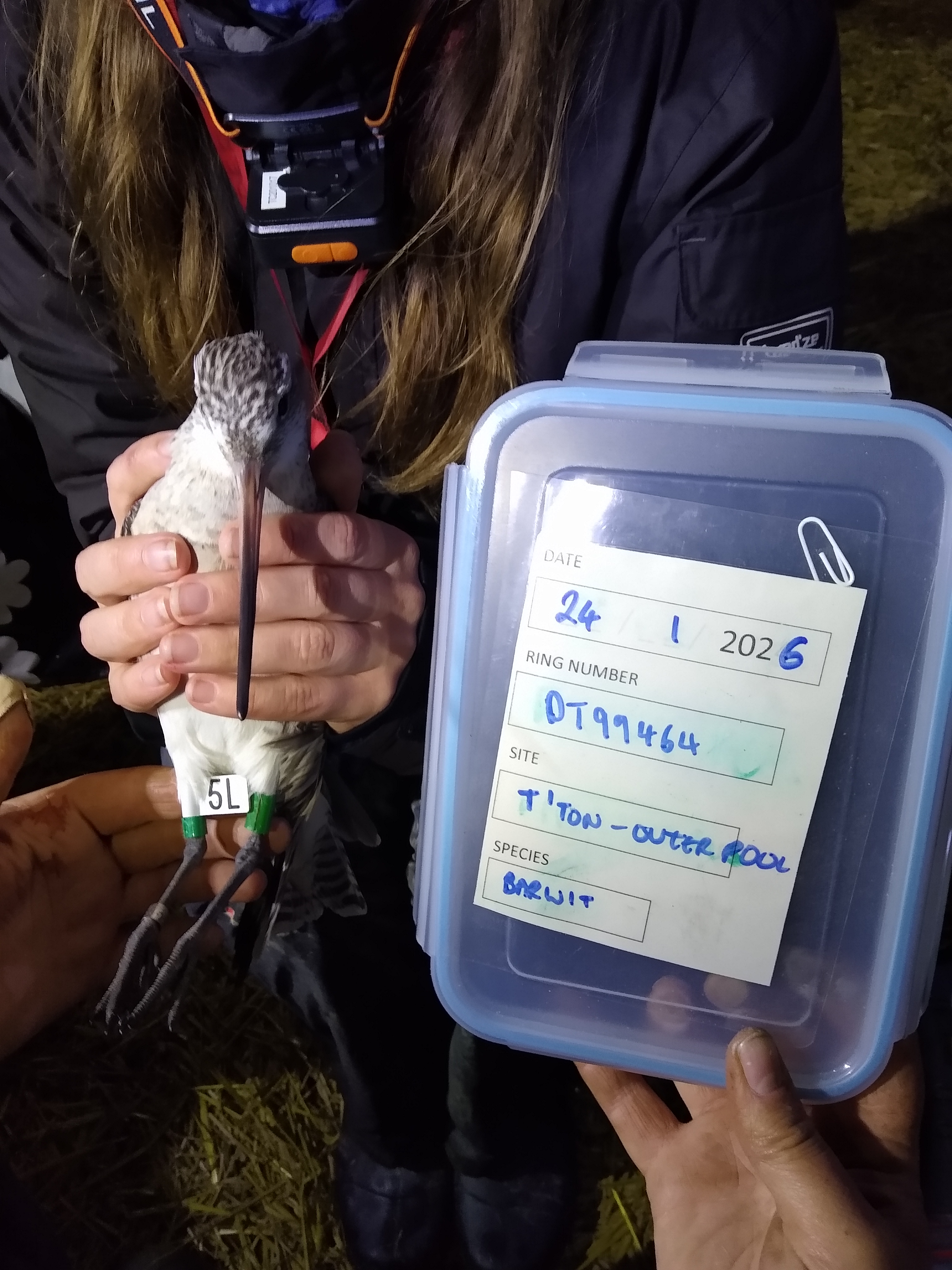
Bar-tailed godwits breed in the Arctic of Scandinavia and Siberia before migrating to spend winter in the UK or further south. Until recently, the exact migration routes taken by bar-tailed godwits wintering in the UK were relatively unknown.
However, advances in technology are allowing researchers to track them in greater detail, with members of the conservation charity Wash Wader Research Group fitting the tracker to Phil in January. The bird is named in honour of Phil Ireland, who led the group for many years.
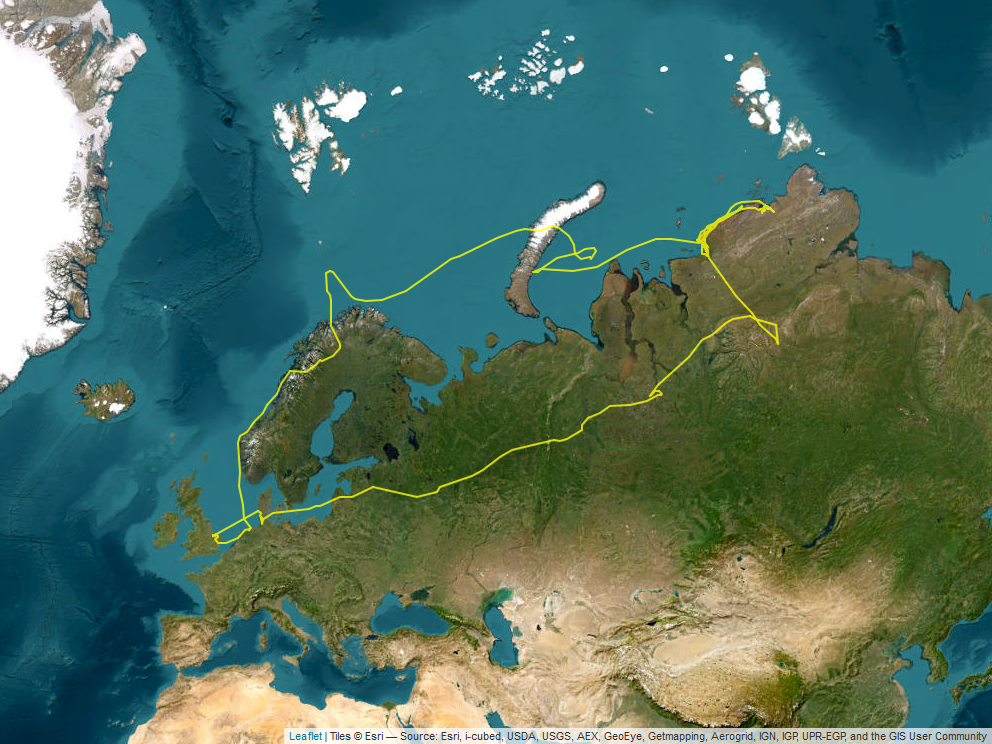
Between January and March, Phil travelled from the Wash (a bay and estuary on the east coast of England) to the Wadden Sea (which stretches along the coastline of the Netherlands, Germany and Denmark). He then travelled onto Central Siberia’s Taymyr Peninsula, then flew back across the Arctic Ocean to northern Norway (stopping on three small islands on the Norwegian coast along the way) before returning to the Wash.
“It’s amazing to think that a bird we tagged here on the Wash in January has travelled thousands of miles to Siberia and made it all the way back again,” says Jeff Kew, an RSPB coastal advisor. “By tracking Phil, we’re reminded why protecting migratory birds needs to be a global effort. Many species cross borders and depend on a whole network of wetlands along the way.”
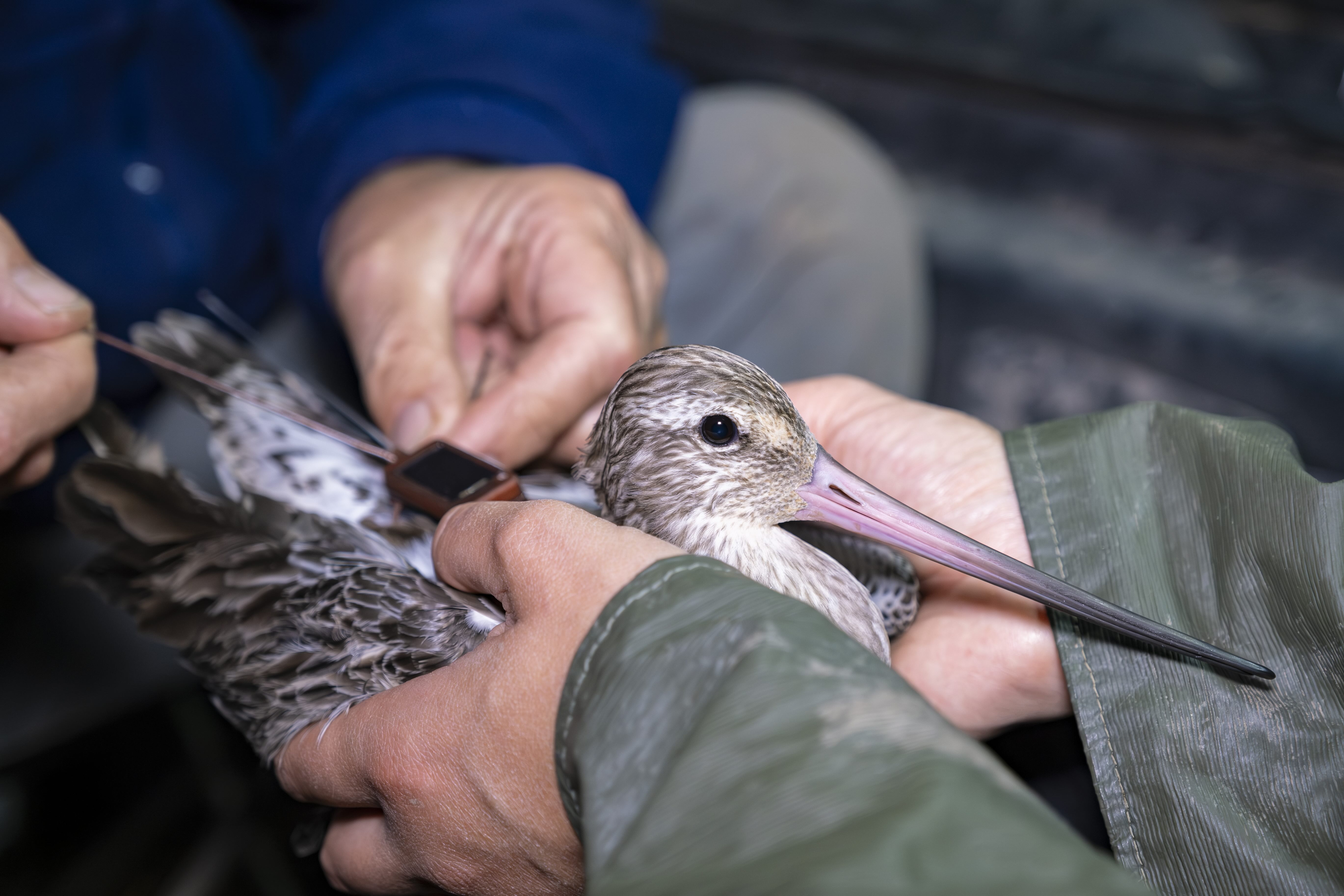
Bar-tailed godwits that visit the UK use the ‘East Atlantic Flyway’, a major bird migration route that extends from the Arctic to South Africa that’s used by millions of birds each year.
“Tracking birds like Phil the godwit shows us how connected the Wash is with the rest of the flyway,” explains Nigel Clark, from the Wash Wader Research Group. “This network of sites is more important than any single ‘service station’ alone.”
The RSPB has initiated an application for England’s east coast wetlands to secure UNESCO World Heritage status in 2022, with the wetlands now added to the UK’s Tentative List of World Heritage sites.
Top image: a bar-tailed godwit in flight in Norfolk, UK (not part of the tracking study). Credit: Mike Powles/Getty Images


