
The endangered thick-billed parrot in Mexico’s Sierra Madre Occidental is set for one of the most successful nesting seasons in recent years, according to researchers.
- What's the world's biggest parrot? There are two contenders: one has a massive 1m wingspan and the other weighs a whopping 3kg
- The 12km long, bustling, coastal metropolis that's filled with thousands of homes and a vibrant, colourful community
The thick-billed parrot (Rhynchopsitta pachyrhyncha), a medium-sized, bright-green parrot, is endemic to Mexico and largely restricted to the Sierra Madre Occidental mountain range in the Mexican states of Chihuahua and Durango.
But the parrot’s range once included the United States, specifically Arizona and New Mexico. Unfortunately, its population has dwindled in the last century, with the last reliable reports of the birds in the US in the 1930s in the Chiricahua Mountains, Arizona.
Main threats to this rare parrot are the illegal pet trade, habitat loss due to logging, climate change, and predators, especially hawks and owls.
Today, fewer than 3,000 thick-billed parrots are estimated to remain in the wild, and the species is classified as Endangered on the IUCN Red List.
But scientists have been working on keeping the thick-billed parrot alive for the past three decades. After 32 years of joint, multi-institutional, binational research and conservation effort led by Organizacion Vida Silvestre and San Diego Zoo Wildlife Alliance, there is hope for this rare parrot.
The researchers tracking the species in pine forests of Mexico’s Sierra Madre Occidental mountains have reported signs of an exceptionally successful nesting season this year. This is based on traditional observations assisted by highly accurate satellite telemetry (tracking technology that works out an animal's location using satellites).
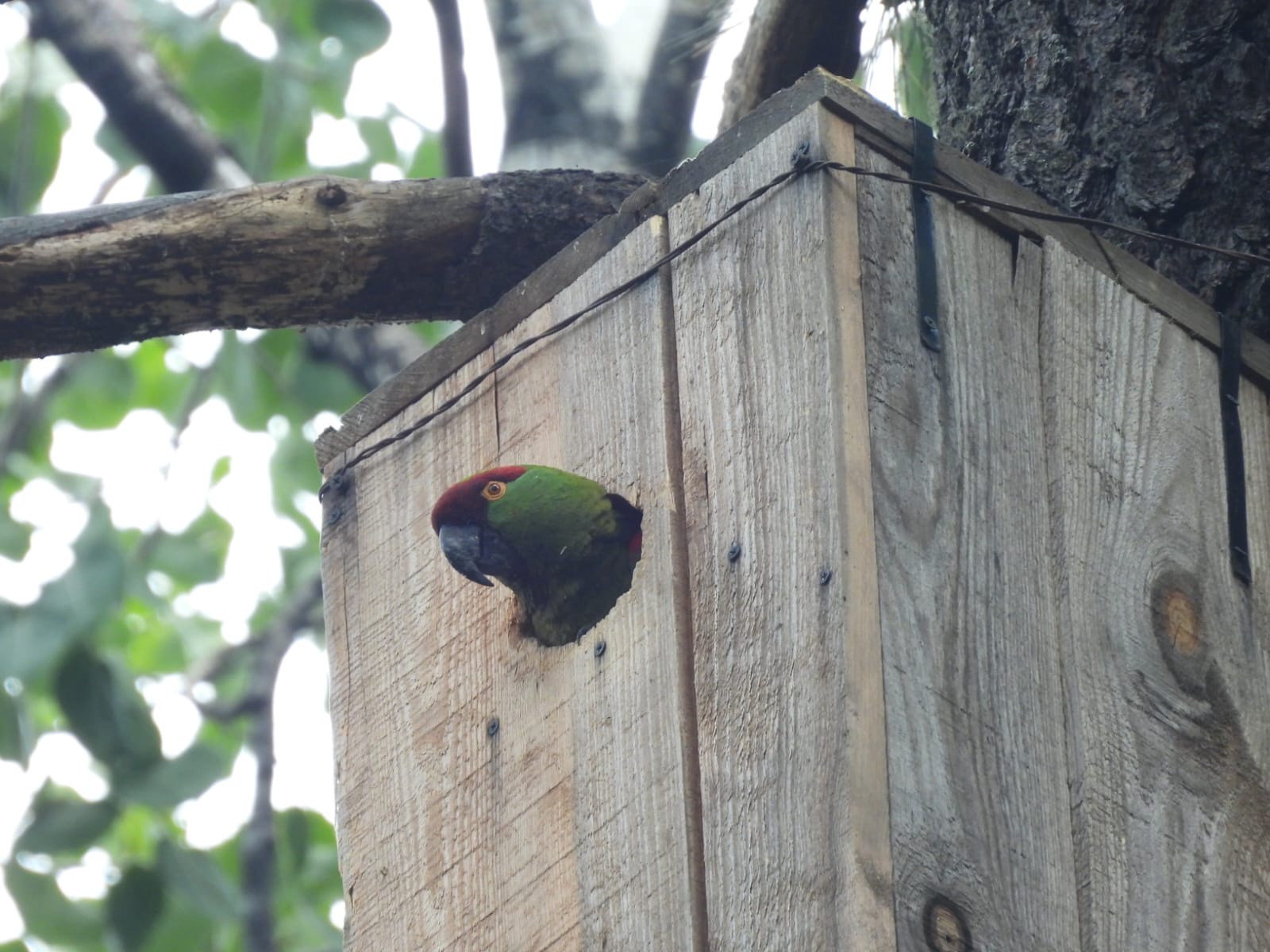
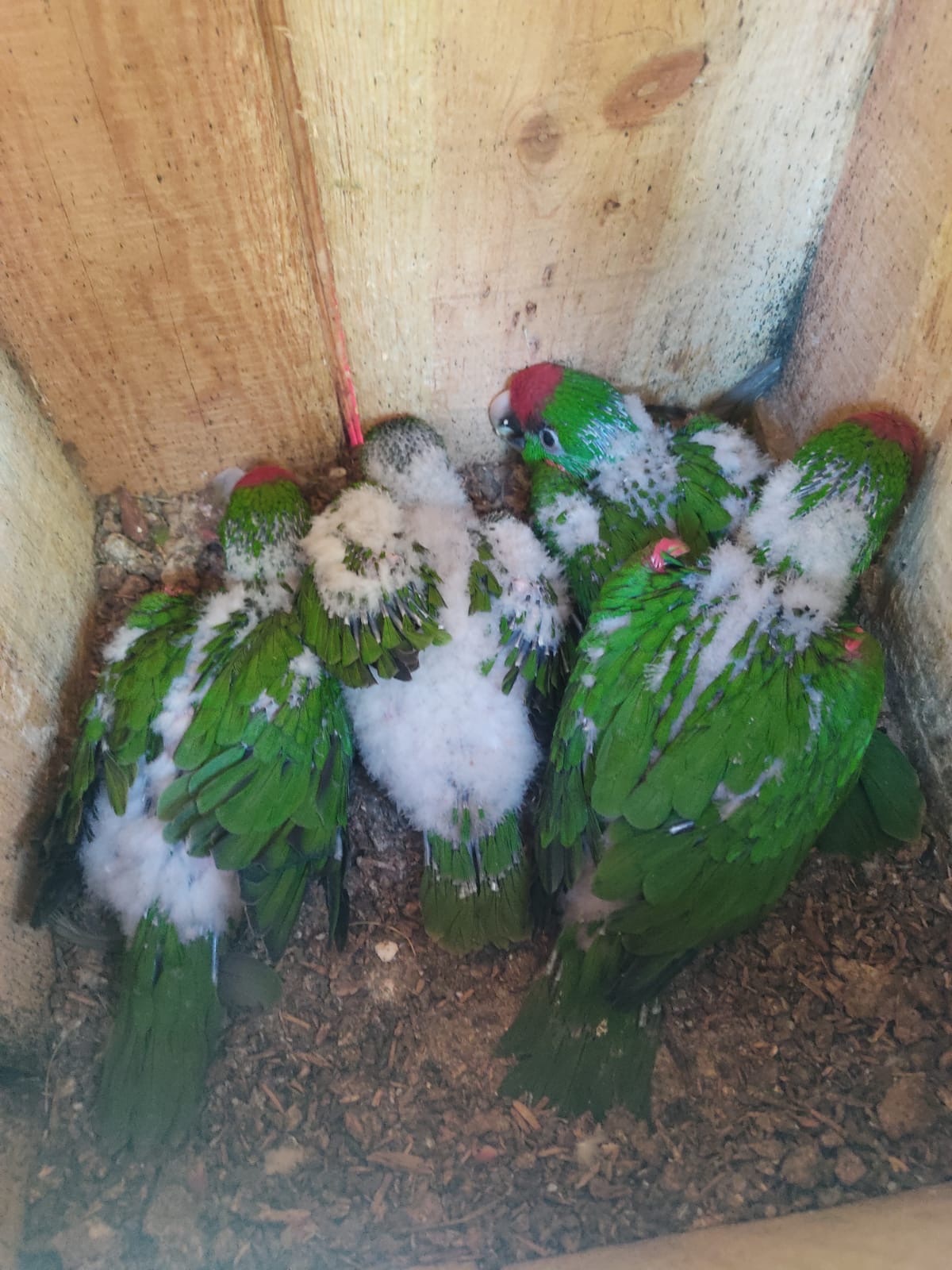
Preliminary findings suggest that total nesting sites could exceed those of 2024 and 2025, with nest boxes alone expected to recruit a substantial number of young birds into the population.
Formal data is expected to be shared later this year at the International Ornithological Congress in Merida, Mexico. This could mark the most significant development in decades for the thick-billed parrot’s recovery.
In pictures: studying thick-billed parrots
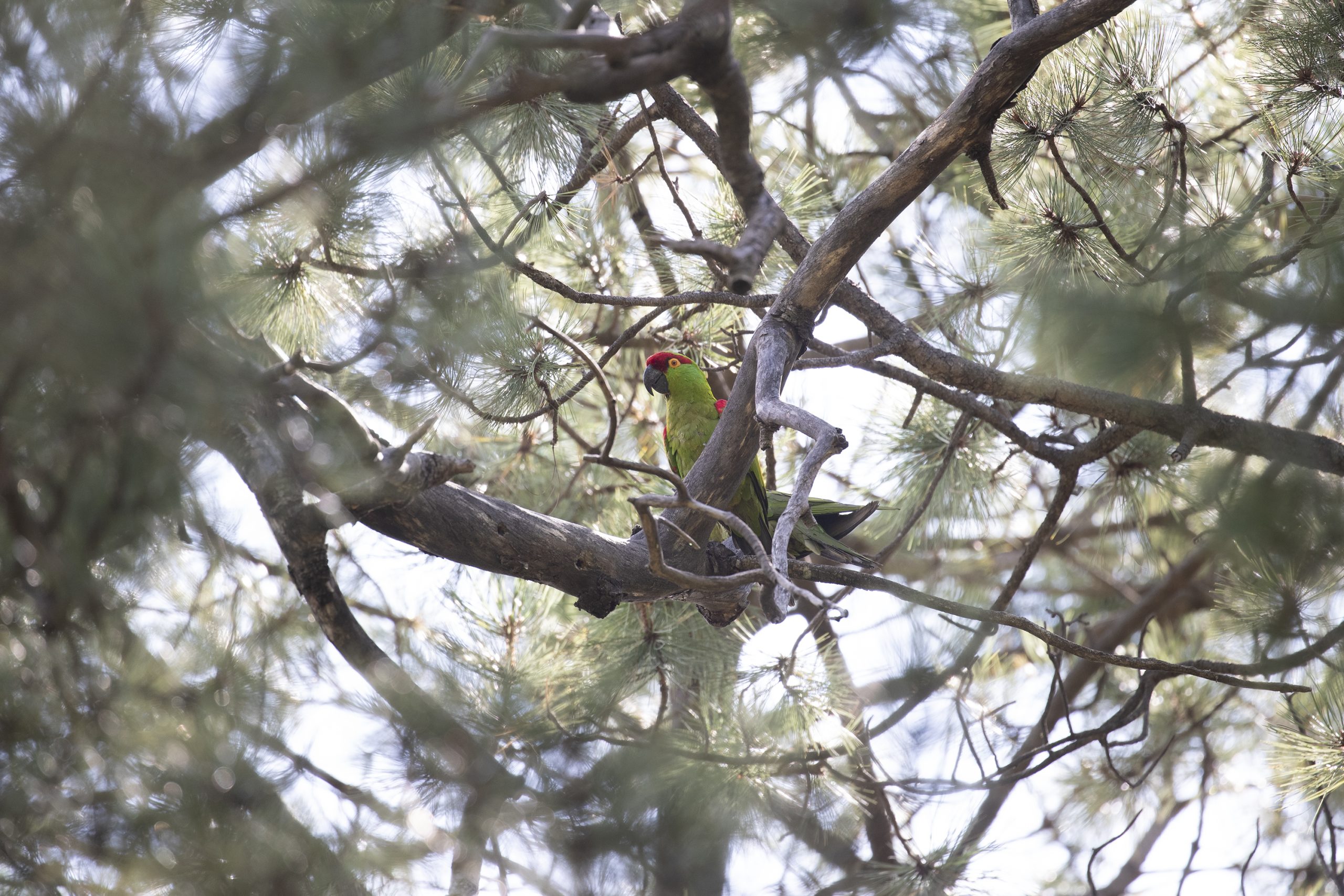
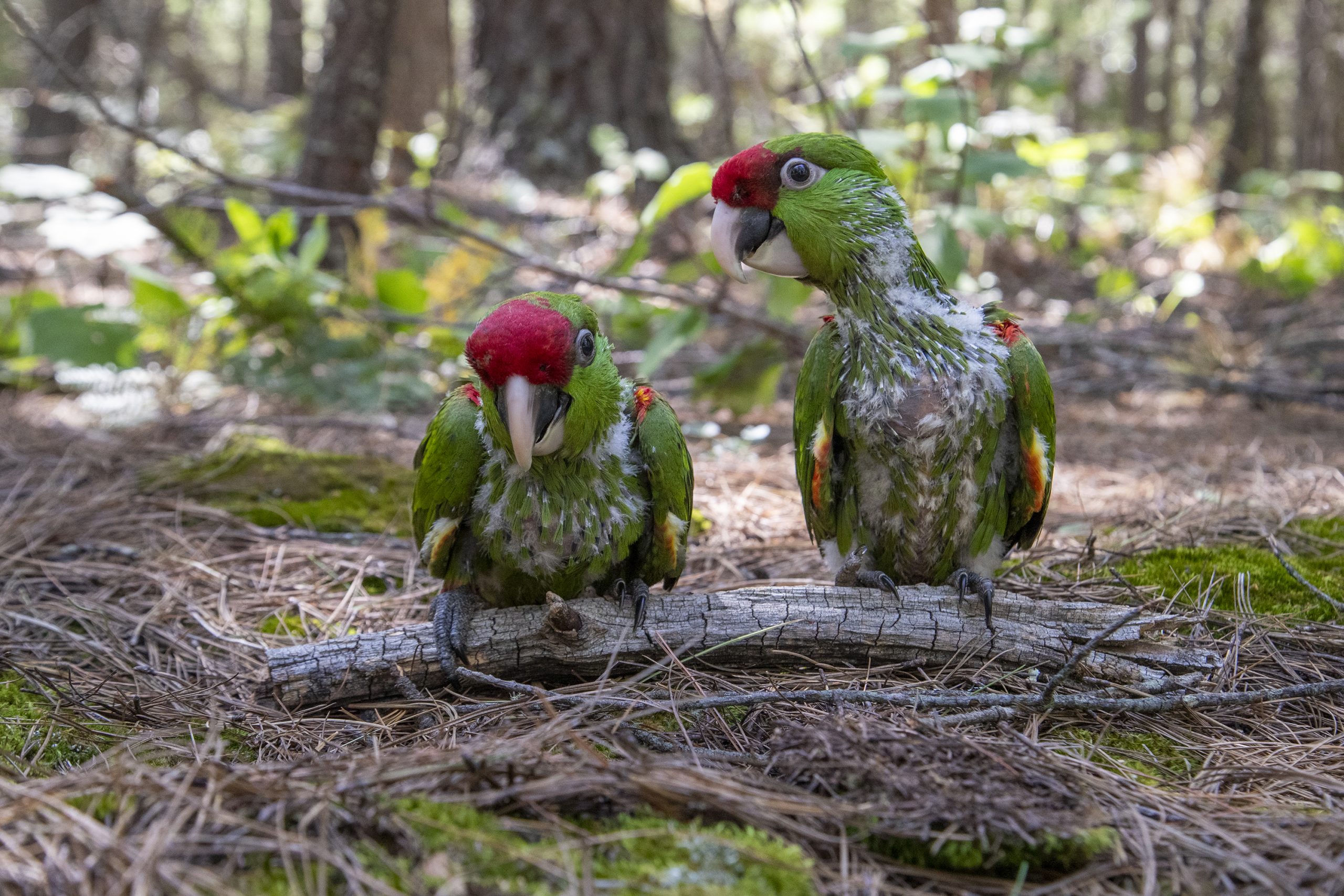
Top image: Thick-billed parrot (Rhynchopsitta pachyrhyncha). Credit: San Diego Zoo Wildlife Alliance


