
Think Seattle, think grunge music, coffee shops and tech giants – and you can now add coyotes to the list. According to a University of Washington study, coyote density within the Pacific Northwest city is now nine times greater than in more natural and wild areas of Washington State.
Published in Environmental Research: Ecology, the research shows that Seattle has become a hub for the wild native canines, despite their natural wariness of humans.
Data was gathered from analysing coyote scats within the city and across two wilder study areas elsewhere in the state, with researchers calculating the animals’ density based on how often they collected scats from the same coyote.
“(The results) might surprise people who think of coyotes as afraid of humans,” says lead author Laura Prugh, a professor of environmental and forest sciences, “but I think it just shows how ideal the urban setting is for coyotes”.
The creatures, also known as prairie wolves and American jackals, have colonised every major North American metropolitan area over the past century. As many as 4,000 of them live in Chicago, for example, and Seattle evidently offers the same benefits, with plenty of parkland, a ready food supply, and a relatively safe environment.
Coyotes in wilder areas face a range of threats – from larger predators such as pumas to farmers safeguarding their livestock – while their only main hazards in a city like Seattle are traffic and disease. In an urban environment, they essentially become apex predators.
- Coyote finds vulture nest in Texas. What it does next has never been caught on camera before
- Coyote spotted on Alcatraz - how did it get there?
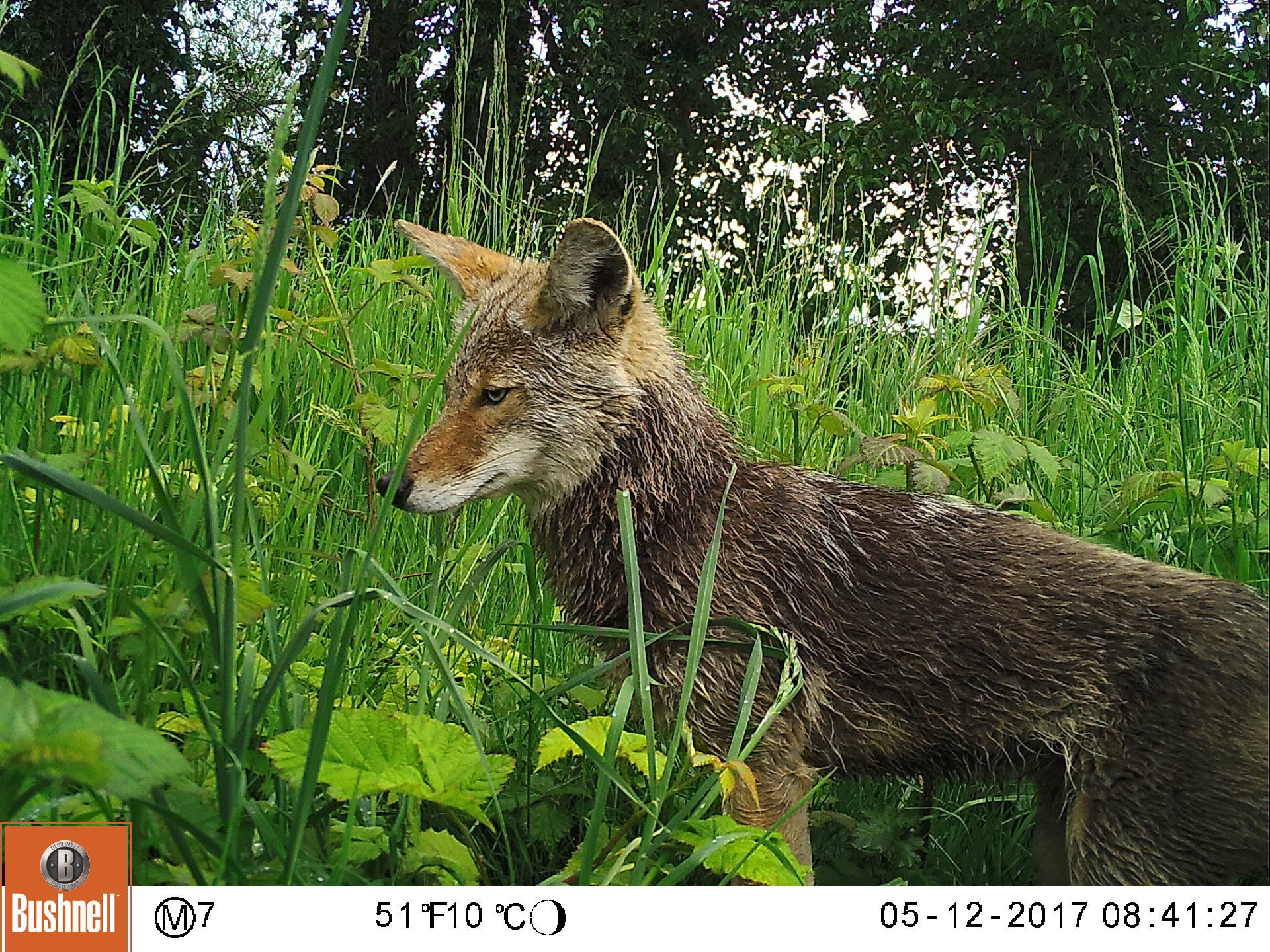
Unsurprisingly, the study showed coyotes were more abundant in parts of the city with fewer humans. Whether a neighbourhood was wealthy or not – upmarket areas tending to have more plant and animal diversity – seemed unimportant. Analysis of the scats also showed that city-dwelling coyotes had diets which were twice as diverse as their wilder counterparts, although rabbits and berries were the most dominant foods in both cases.
Not all of Seattle’s residents are happy about the presence of coyotes in the city, but the situation seems unlikely to reverse – and is nigh impossible to change. “One thing that coyotes have shown over and over is that they are incredibly resistant to control efforts,” says Prugh. “With enough food, they will just have more pups.”
More wildlife stories from around the world
- This lake in Canada just vanished. And it's not coming back
- Racoons, pigs, rats and cats found in poop of San Francisco's coyotes
- Forest eagle finds goose eggs in nest. What happens next is staggering
- Oregon’s biggest city was drowning in crow poop. Then a new predator came to town
Top image: Seattle at night. Credit: july7th/Getty Images


