
Ever since Alexander Fleming discovered penicillin at St Mary’s Hospital in London in 1928, antibiotics have provided a reliable shield against bacterial infections. But an increasing number of them are now being outsmarted by a mutating army of potentially deadly germs.
The decline of antibiotic efficiency could potentially spell a future where acne is untreatable, an STI could kill you and rare diseases make an unwelcome return. Before the discovery of antibiotics, the standard treatment for tuberculosis (see number 6) was fresh air; mothers and babies routinely died in childbirth, and even an infected paper cut could be fatal.
- Microbiomes: what they are, where they are found, and why they're important
- "Giving birth through their narrow clitoris, a female has a birth canal of only about one inch across, making it both painful and risky." 10 craziest animal births ever...
So, grab the hand sanitiser and strap on a face mask as we count down the eight most worrying microbes, according to the World Health Organisation’s (WHO) Bacterial Priority Pathogens List (BPPL).
Warning: you’re going to want to try and avoid the last three like the plague…
8 deadliest bacteria
1. Staphylococcus aureus – high priority
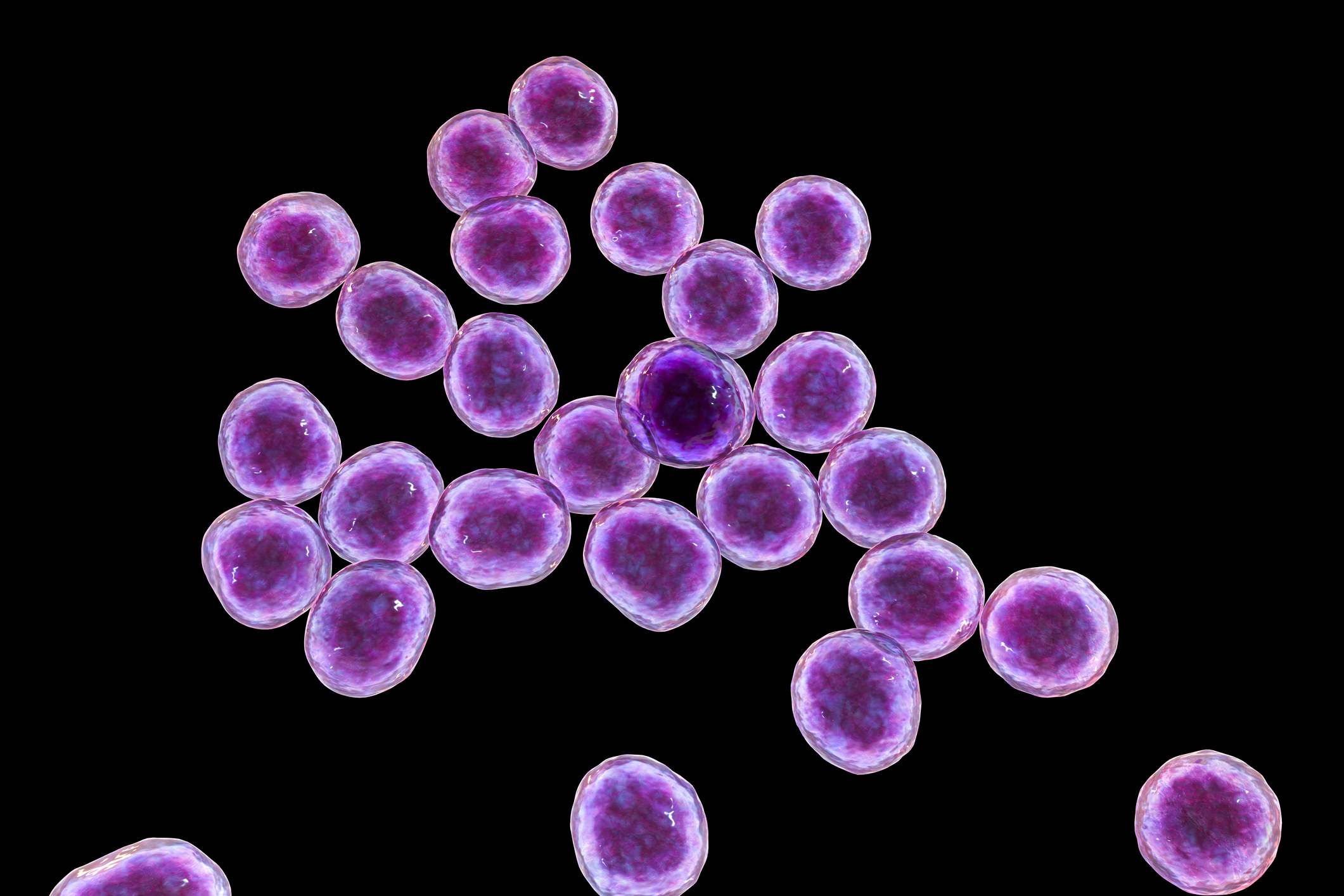
Methicillin-resistant Staphylococcus aureus, better known as MRSA, is a type of bacteria that's become resistant to many of the antibiotics used to treat ordinary staph infections. It is carried harmlessly by around one in three people in their nose or on their skin. However, if it gets under your skin, it can cause skin infections such as boils, abscesses or infected wounds. It can also cause severe, life-threatening infections, including pneumonia, bacterial meningitis and sepsis.
MRSA is one of the most common causes of hospital-acquired infections, often linked to surgery or use of artificial joints or tubing. In the USA alone, the Centers for Disease Control and Prevention (CDC) estimates that MRSA is responsible for more than 70,000 severe infections and 9,000 deaths per year. According to the Institute for Health Metrics and Evaluation (IHME), MRSA was the deadliest pathogen-drug combination globally in 2019, causing 121,000 deaths globally due to antimicrobial resistance.
2. Neisseria gonorrhoeae – high priority

Are you sitting comfortably? Because the next bacteria on our list might have something to say about that. Gonorrhoea is a common sexually transmitted disease caused by Neisseria gonorrhoeae, a bacterium that can grow and multiply easily in the warm, moist environment of the reproductive tract, including the cervix, uterus and fallopian tubes in women, and in the urethra in women and men.
- Do animals get STDs?
- The first animal to have sex, the animals that had sex on the moon and penises that can sing: Discover 12 amazing facts you never knew about animal sex
- How stress makes koalas more at risk from a fatal STD
Untreated infections can lead to complications such as pelvic inflammatory disease, ectopic pregnancy and infertility in women. Complications for men include scrotal swelling, urethral stricture (a narrowing of the urethra caused by scar tissue, restricting urine flow from the bladder) and infertility.
- Which animal has the longest pregnancy? How one female species makes the ultimate sacrifice
- New study reveals evolutionary origins of masturbation in primates
Neonatal conjunctivitis (eye infections caused during childbirth) can also cause blindness if left untreated.
3. Non-typhoidal Salmonella – high priority
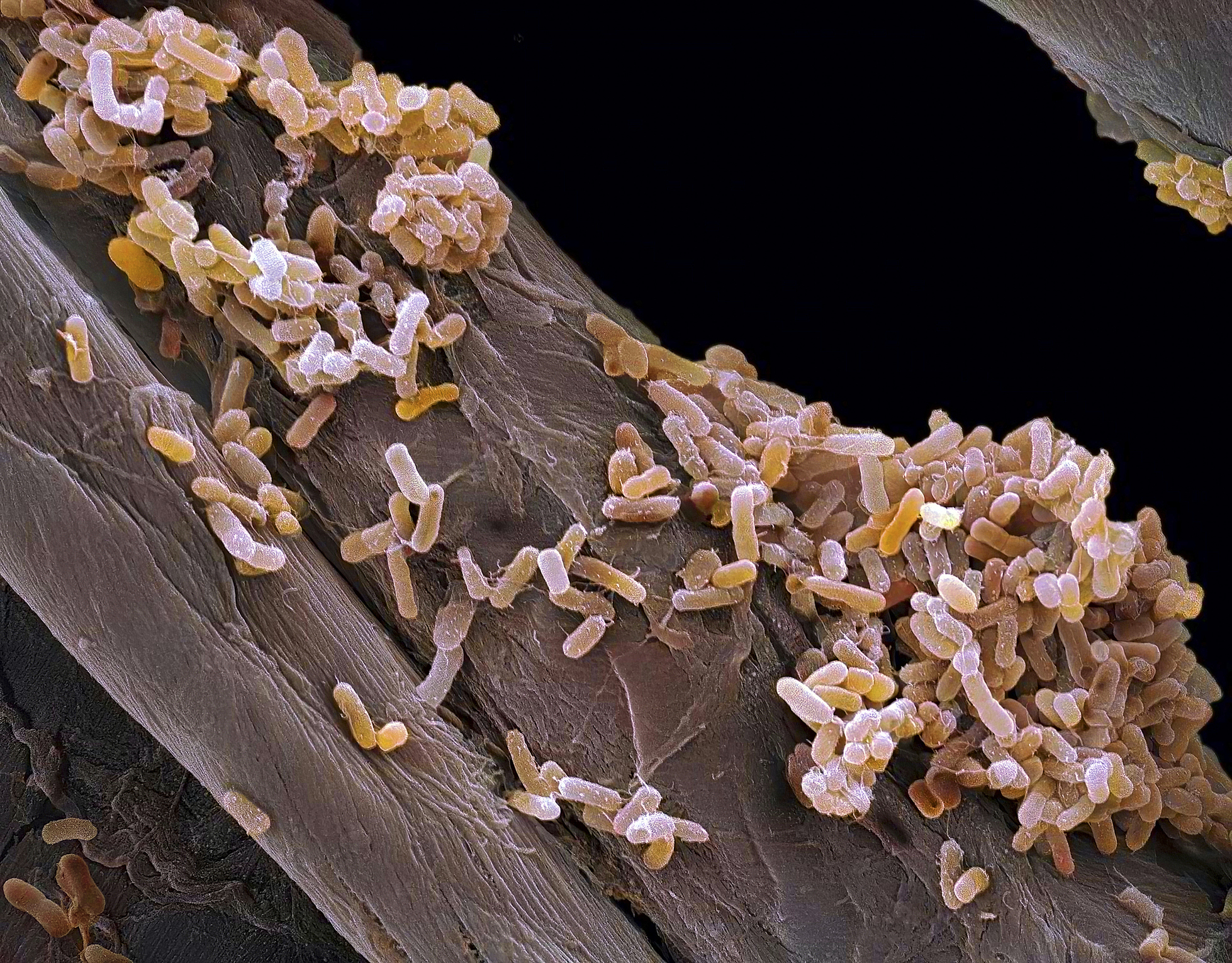
Not since UK Conservative politician Edwina Curry’s one-woman crusade against eggs in the 1980s have concerns about Salmonella been so great. This is due to the bacteria’s increasing drug resistance thanks to the widespread use of antibiotics in farming.
Infection with Non-typhoidal Salmonella (NTS) is a leading cause of bacterial gastroenteritis (stomach bugs to you and me), typically transmitted through contaminated food (poultry, eggs, and raw milk) or animal contact. Symptoms include fever, abdominal pain, diarrhoea, nausea, and sometimes vomiting, with the illness usually lasting between two and seven days.
Although most people will make a full recovery without specific treatment, it can become life-threatening in children and elderly patients due to dehydration.
4. Salmonella Typhi – high priority
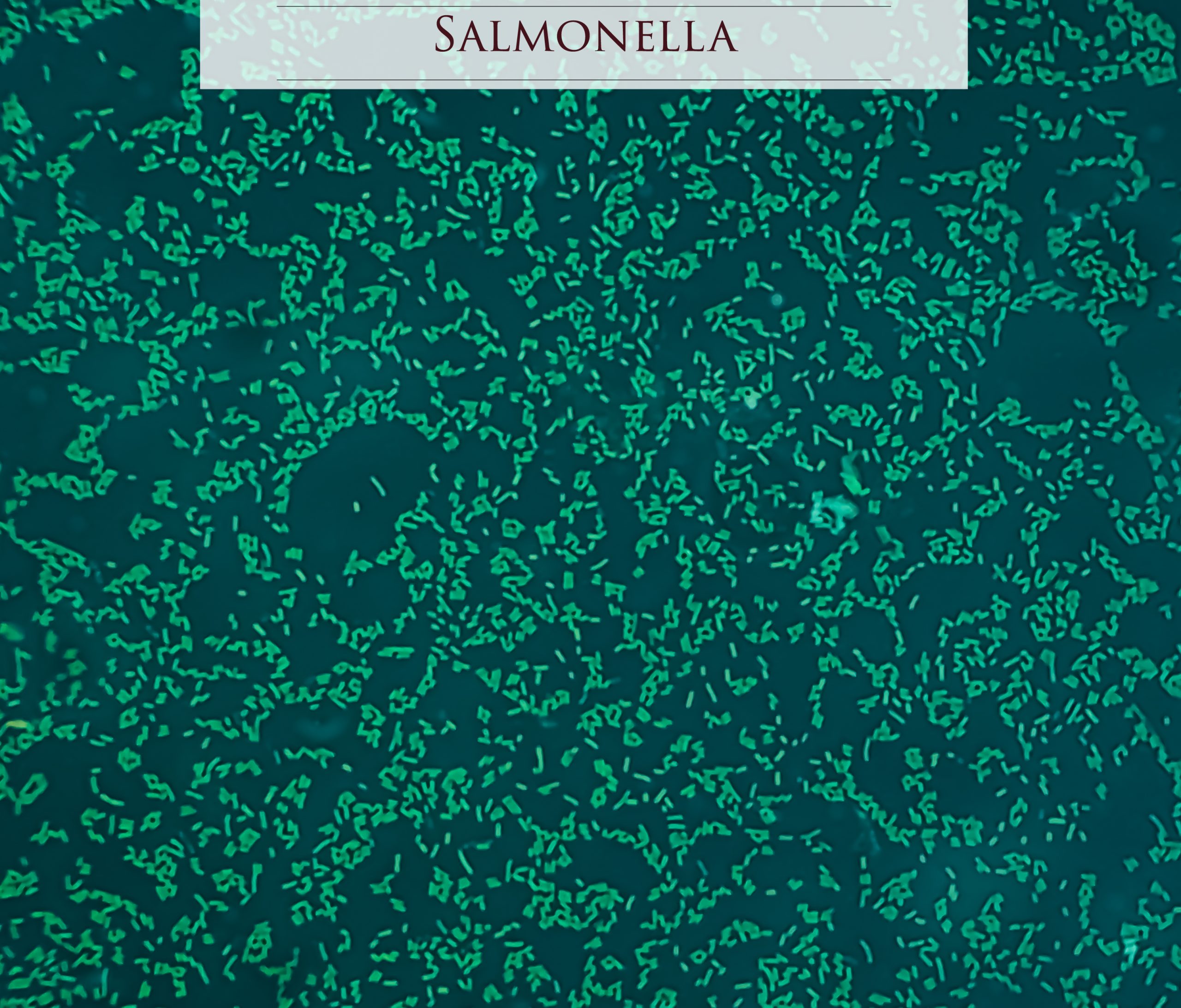
If a dose of Non-typhoidal Salmonella sounds unpleasant, brace yourself, as it’s about to get worse. Salmonella Typhi is the bacterium responsible for typhoid fever, a severe and potentially fatal infection contracted through contaminated food or water.
In Victorian Britain, it was a, if not the, defining "filth disease", causing widespread mortality, particularly in overcrowded cities. High-profile victims included Prince Albert, who died of typhoid in 1861. His son, Prince Albert Edward (later Edward VII), nearly died of it in 1871, which galvanised public concern and efforts toward better sanitation.
Today, typhoid is making a worrying comeback due to evolving antibiotic resistance. While once easily treated with common antibiotics, new, highly resistant strains are spreading rapidly, particularly in South Asia.
Symptoms include a high, prolonged fever (104ºF/40ºC), headaches, stomach pain and weakness. It lasts several weeks without treatment, which can be fatal.
5. Pseudomonas aeruginosa – high priority
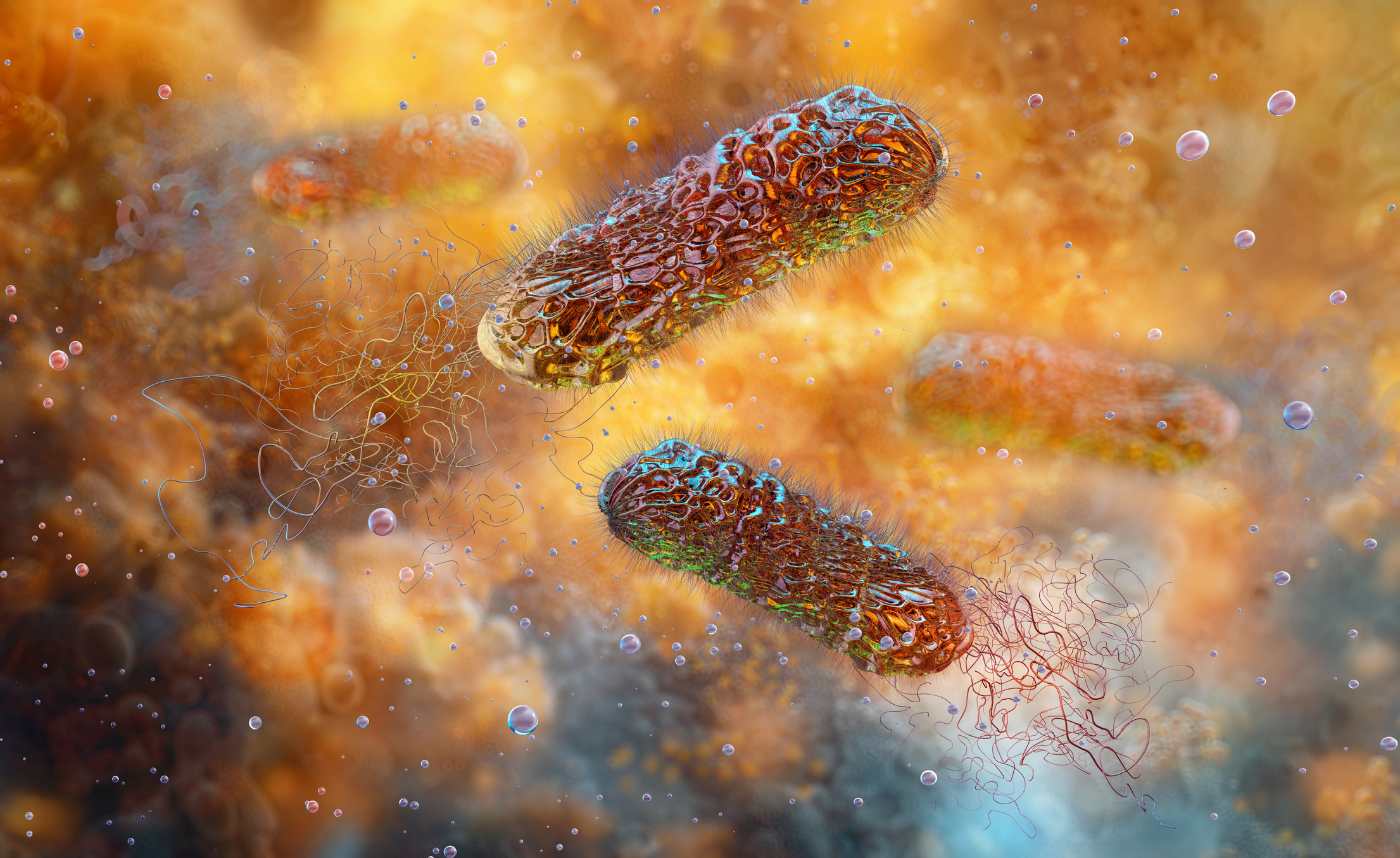
Pseudomonas aeruginosa is a germ that can pass from person to person through contaminated surfaces or hands and cause infections in the blood, lungs or other parts of the body. In the worst cases, it can trigger other serious conditions, including sepsis and organ failure.
- 10 gruesome deaths preserved as fossils: Nature’s most brutal final moments frozen in time
- All your blood questions answered, from why is it red to do all animals have blood? The answer is no...
A Pseudomonas aeruginosa infection can be hard to shift as the bacteria have evolved in response to treatments, meaning the previous go-to antibiotics no longer work.
Although most people with healthy immune systems are unlikely to get an infection, it’s more dangerous for those with a weakened immune system, and up to 33% of hospital patients may encounter it.
6. Mycobacterium tuberculosis – critical priority
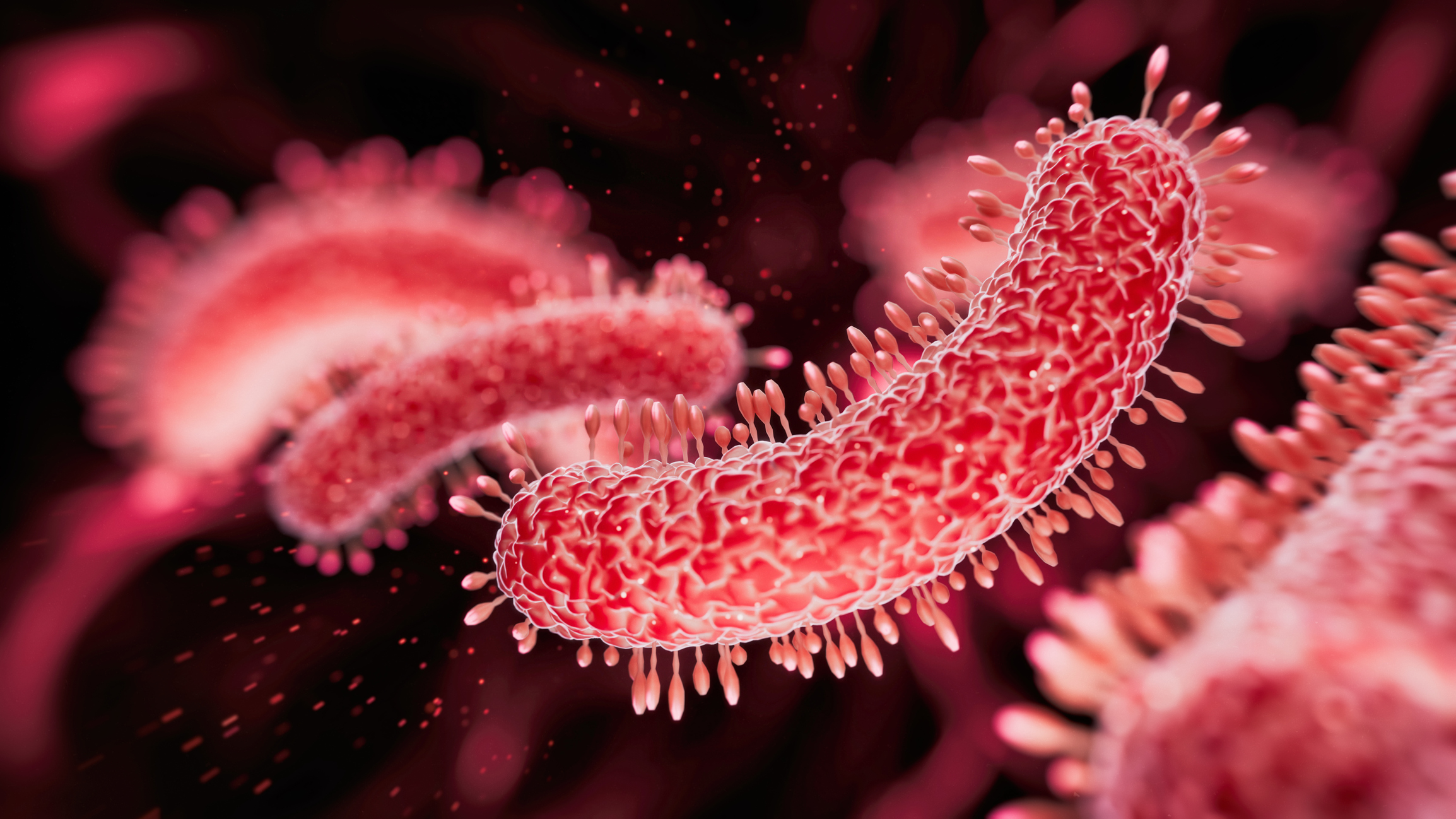
Also known as Koch's bacillus due to its discovery in 1882 by German physician Robert Koch, Mycobacterium tuberculosis is the bacterium that causes tuberculosis, an infection that usually affects the lungs. During the disease’s peak in the 18th and 19th centuries, it was known as “consumption” due to the way it appeared to “consume” or waste away the bodies of sufferers.
- Plague, pox and pain: The deadliest medieval diseases that changed history forever
- World's 10 deadliest diseases humans can get from animals – including the torturous. sleeping sickness, which affects the brain causing insomnia and worse
People with the active disease can spread it by coughing, sneezing or even singing by releasing tiny droplets that carry the bacteria through the air.
Common symptoms include a persistent cough, fever, fatigue and weight loss, and it can be fatal if left untreated. The increasing incidence of drug resistance in Mycobacterium tuberculosis has diminished the efficacy of almost all available antibiotics, complicating efforts to combat the spread.
7. Enterobacterales – critical priority
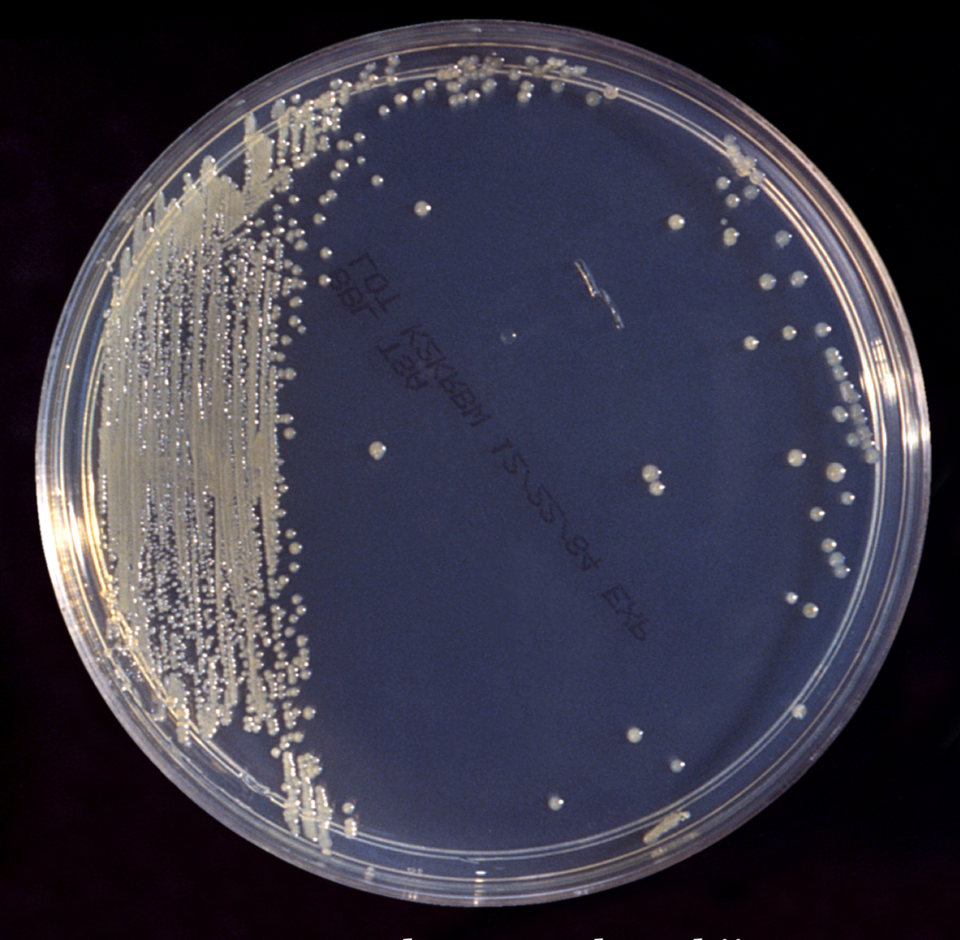
Enterobacterales is an order of bacteria found in the human and animal gut that is causing double trouble for scientists, with two varieties of drug-resistant Enterobacterales bacteria on the WHO’s critical priority list. The first of these is resistant to third-generation cephalosporin, while the other is resistant to carbapenem.
In layman’s terms, this means they have developed resistance to a broad range of antibiotics, which is making them increasingly difficult to treat.
- Why some animals have just one hole for everything – from pooping to mating – and how this all-in-one exit actually works
- Do wild animals get cancer?
- Can humans spread disease to wildlife?
Enterobacterales is among the largest groups of bacterial families, with over 250 species, including Escherichia coli, or E. coli. Collectively, Enterobacterales are also among the most common human germs, causing a range of diseases, from complicated urinary tract and bloodstream infections to gastroenteritis and pneumonia. Symptoms of infection include fever, chills, fatigue and pain.
8. Acinetobacter baumannii – critical priority

Named after the bacteriologist Paul Baumann, Acinetobacter baumannii is a bacterium commonly found in the environment in soil and water, with human infections typically occurring in healthcare settings. Like the other germs in our list, it has become resistant to antibiotics, making it difficult to treat.
Acinetobacter baumannii can cause infections in the blood, urinary tract, lungs (pneumonia) or wounds. Common symptoms include high fever, cough, chest pain and breathing difficulties. According to the Global Antibiotic Research & Development Partnership, Acinetobacter baumannii is currently associated with around 400,000 deaths a year globally.
Those most at risk of infection are hospital patients on breathing machines (ventilators), those with devices such as catheters or those with open wounds from surgery. People who have prolonged stays in hospital or have weakened immune systems, chronic lung disease or diabetes can also be more susceptible.
Most deadly
The World Health Organisation’s full list of Bacterial Priority Pathogens – and the antibiotics they’re outfoxing.
CRITICAL GROUP:
- Acinetobacter baumannii, carbapenem-resistant;
- Enterobacterales, third-generation cephalosporin-resistant
- Enterobacterales, carbapenem-resistant
- Mycobacterium tuberculosis, rifampicin-resistant
HIGH GROUP:
- Salmonella Typhi, fluoroquinolone-resistant
- Shigella spp., fluoroquinolone-resistant
- Enterococcus faecium, vancomycin-resistant
- Pseudomonas aeruginosa, carbapenem-resistant
- Non-typhoidal Salmonella, fluoroquinolone-resistant
- Neisseria gonorrhoeae, third-generation cephalosporin- and/or fluoroquinolone-resistant
- Staphylococcus aureus, methicillin-resistant
MEDIUM GROUP:
- Group A Streptococci, macrolide-resistant
- Streptococcus pneumoniae, macrolide-resistant
- Haemophilus influenzae, ampicillin-resistant
- Group B Streptococci, penicillin-resistant
