This valley has one of the highest concentrations of life on Earth – from early human fossils to a mammal with vampire teeth

This valley has one of the highest concentrations of life on Earth – from early human fossils to a mammal with vampire teeth

The Great Valley in East Africa has one of the highest concentrations of animals on Earth, from hippos and flamingos to lions and gazelles


East Africa's Great Rift Valley is the world's longest rift, stretching a massive 4,000 miles (6,400 kilometres) from the Red Sea to the mouth of the Zambezi.

The rift was formed by shifting tectonic plates 30 million years ago, creating a dramatic landscape of towering escarpments, active volcanoes, forest-clad mountains and vast savannahs.

For millions of years, life has adapted to life within this geological corridor. Early human fossils, including Homo erectus and Australopithecus afarensis, have also been found in the area.

Today, its diverse habitats support an extraordinary abundance of wildlife, including lions, crocodiles, elephants, hippos and flamingos.

Many of Africa's great lakes owe their existence to the Rift Valley. Among them are Lake Tanganyika and Lake Malawi, while Lake Victoria lies between its eastern and western branches.

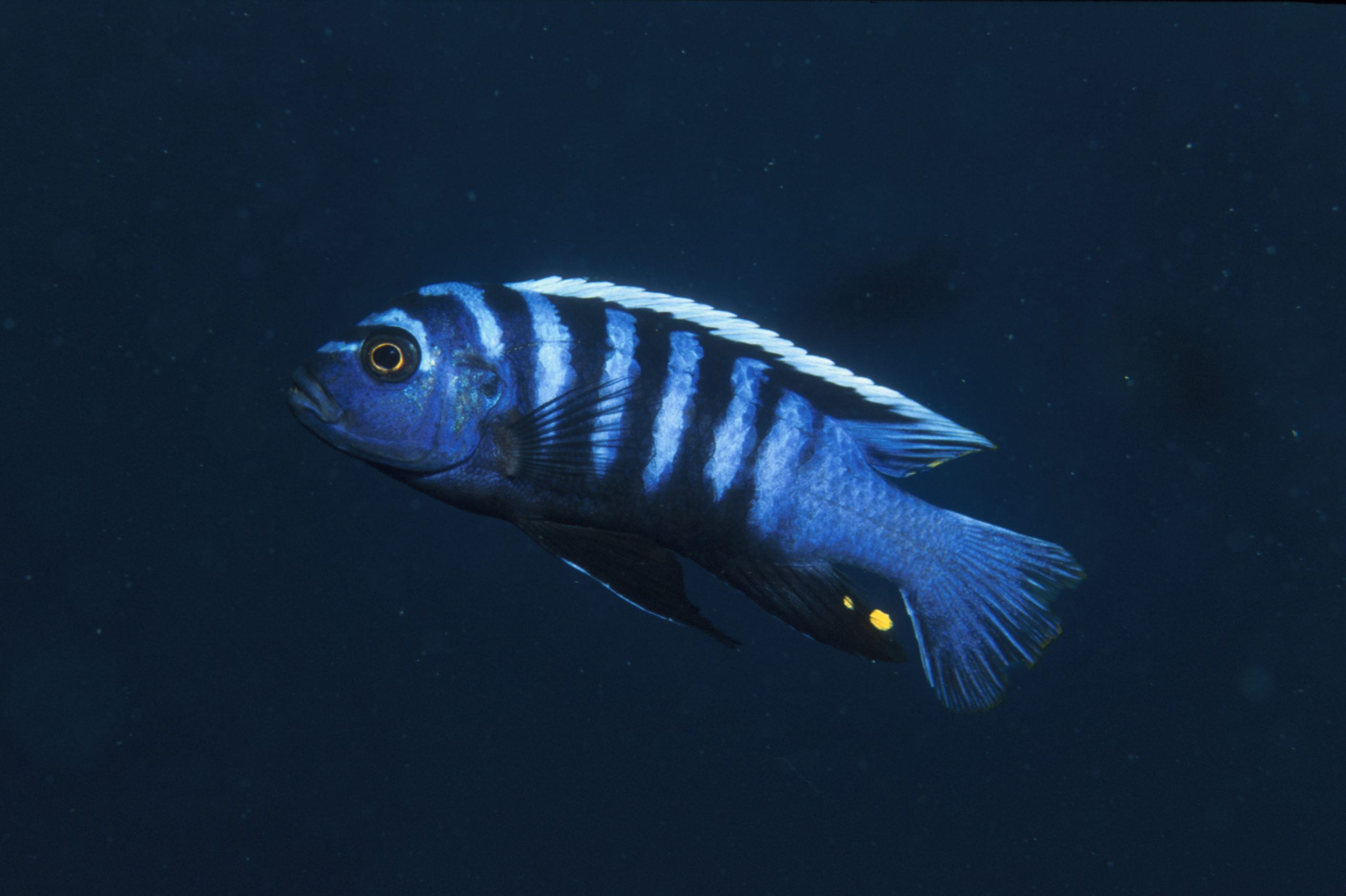
Lake Malawi is the world's third-deepest freshwater lake and is home to more than 500 species of fish, including the brilliantly-coloured cichlids.
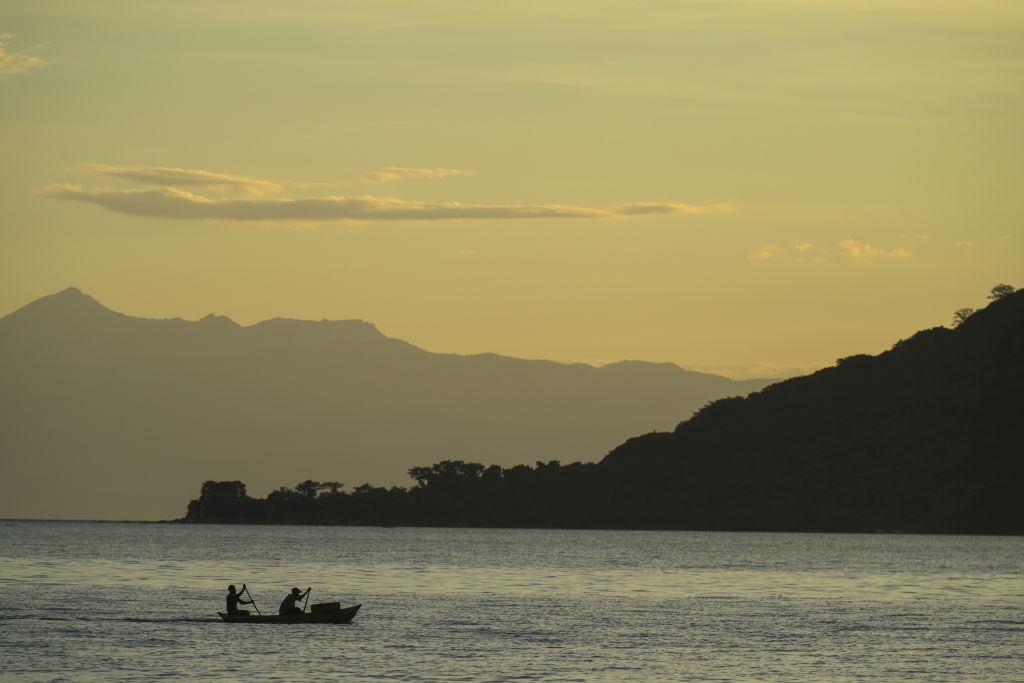
Lake Malawi supports more fish species than any other lake on Earth. Photo by: Ian Cumming/Design Pics Editorial/Universal Images Group via Getty Images

The rift remains a hotbed of tectonic activity. Deep beneath the surface, parts of eastern Africa are slowly pulling away from the rest of the continent, creating the beginnings of a new ocean basin. The process is incredibly slow, however, and a fully separate landmass is not expected to emerge for 50 million years.

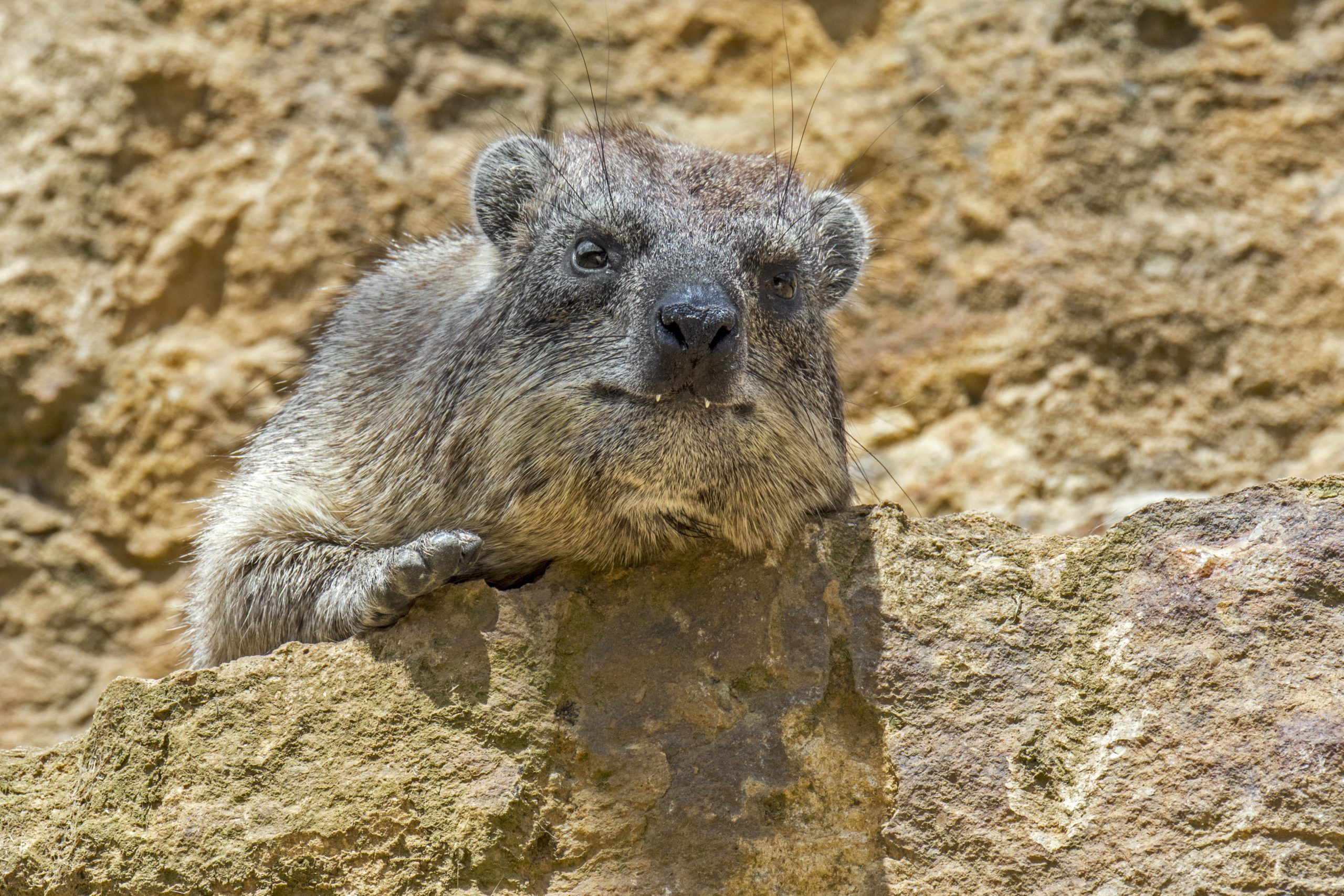
The most common mammal found in the Great Rift Valley is the rock hyrax, a rabbit-sized mammal that's genetically most closely related to elephants.

Although quite ordinary in appearance, rock hyrax have some remarkable attributes, including an adapted iris that allows them to gaze directly into bright sunlight without being blinded, and rubbery pads on the soles of their feet that secrete moisture to act like suction cups.

Owing to its lineage with elephants, rock hyrax also have vampire-like miniature tusks.

Great Rift Valley wildlife
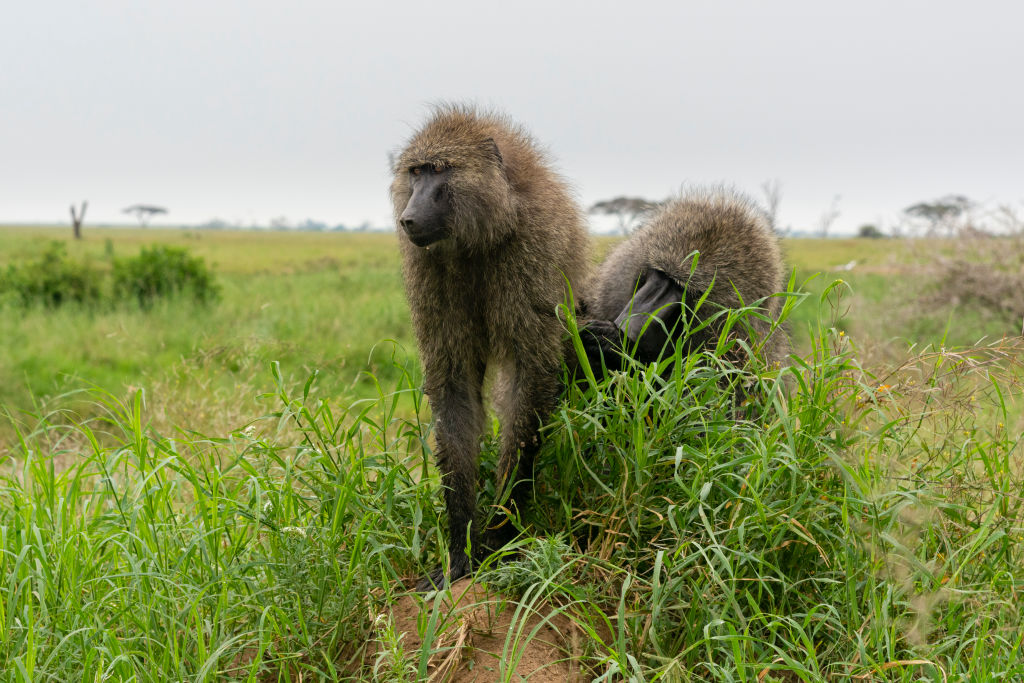
Also known as Olive baboons, Anubis baboons have highly complex social hierarchies and survival strategies. Photo by: Sergio Pitamitz/VWPics/Universal Images Group via Getty Images
The rock hyrax has unique survival traits, including 'vampire' tusks and built-in sun visors. Photo by: Arterra/Universal Images Group via Getty Images
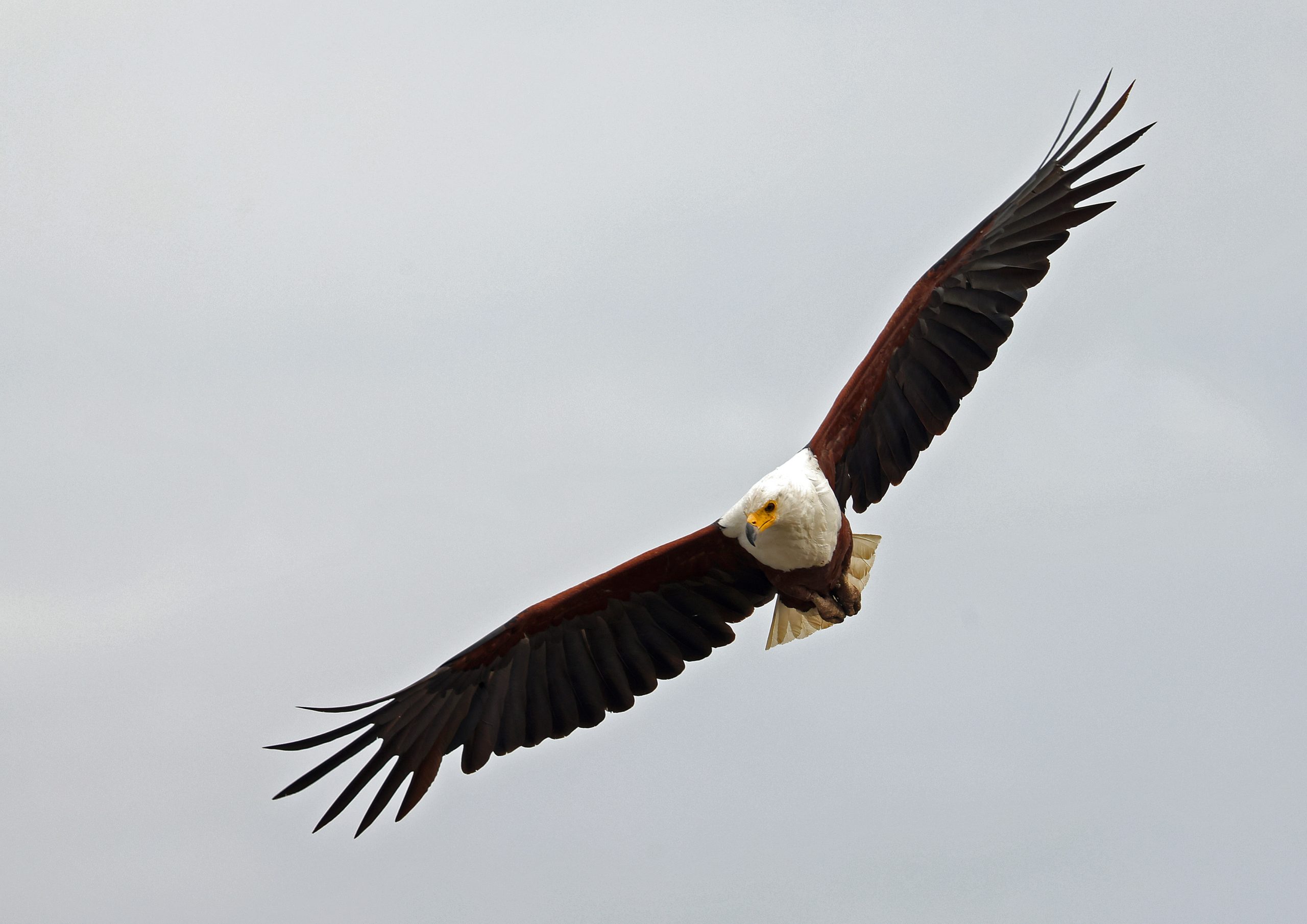
Closely related to the North American bald eagle, the African fish eagle is uniquely adapted to an aquatic lifestyle. Photo by: Delwasse JP/Alpaca/Andia/Universal Images Group via Getty Images
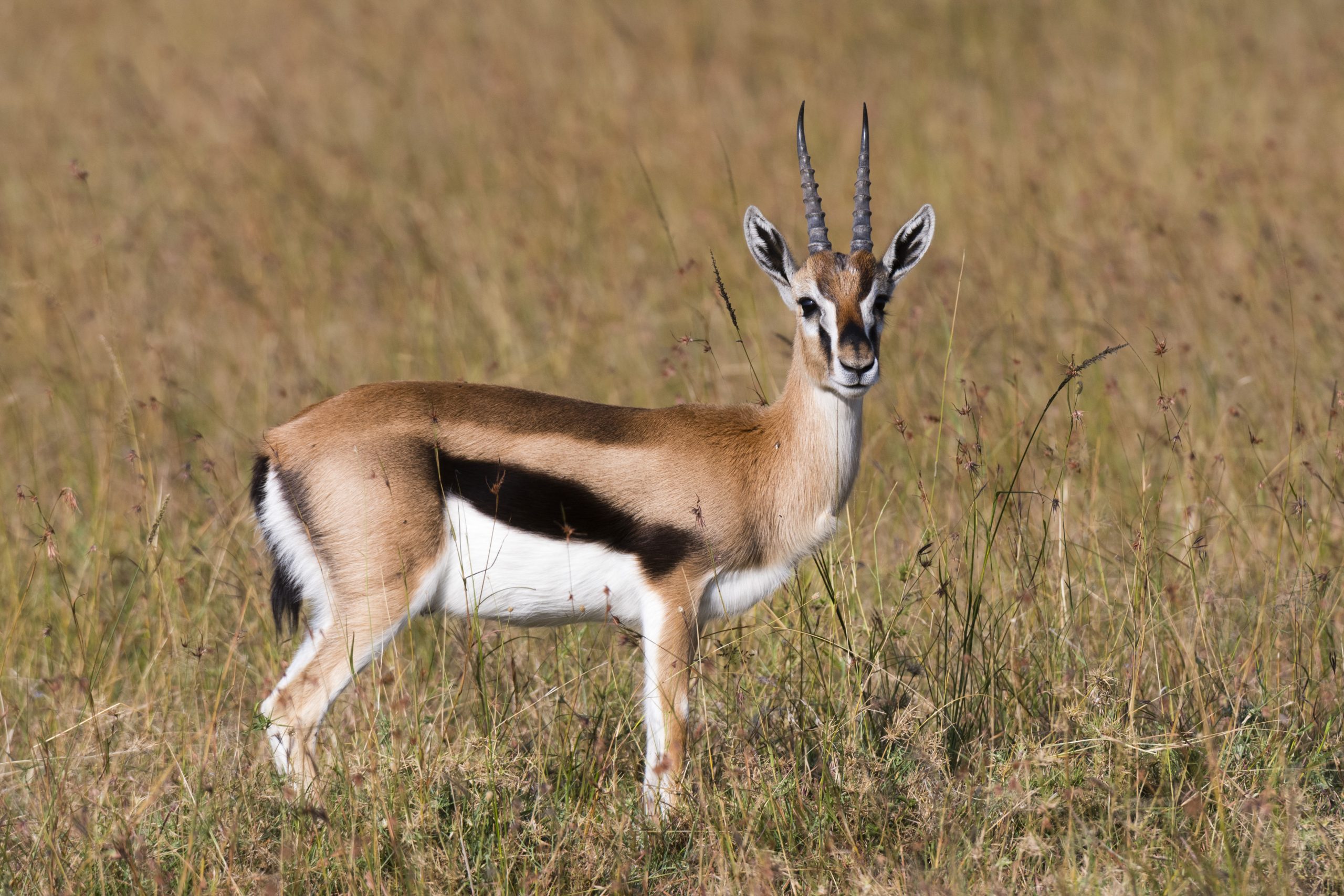
Thomson's gazelles, affectionately known as 'Tommies', are highly adaptable East African antelopes famed for their incredible speed. Photo by: Sergio Pitamitz / VWPics/Universal Images Group via Getty Images
Cichlids (pronounced 'sick-lids') are famous for their vibrant colours. Photo by Cristian Umili/Mondadori Portfolio via Getty Images
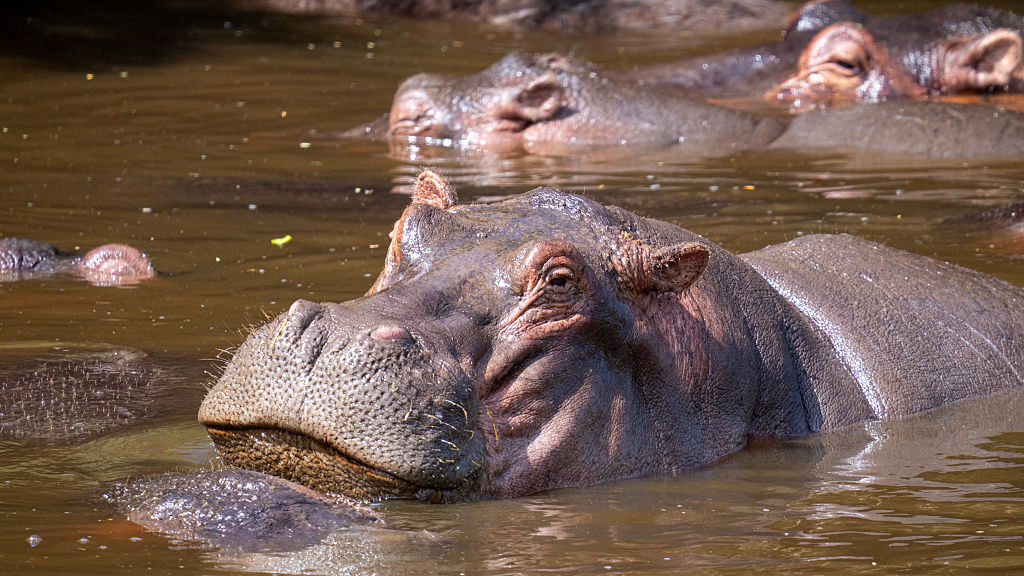
Hippos are the third-largest land mammals on Earth. Despite their aquatic habitat, they can't actually swim. Instead they bounce or walk along riverbeds. Photo by: Edwin Remsberg/VWPics/Universal Images Group via Getty Images
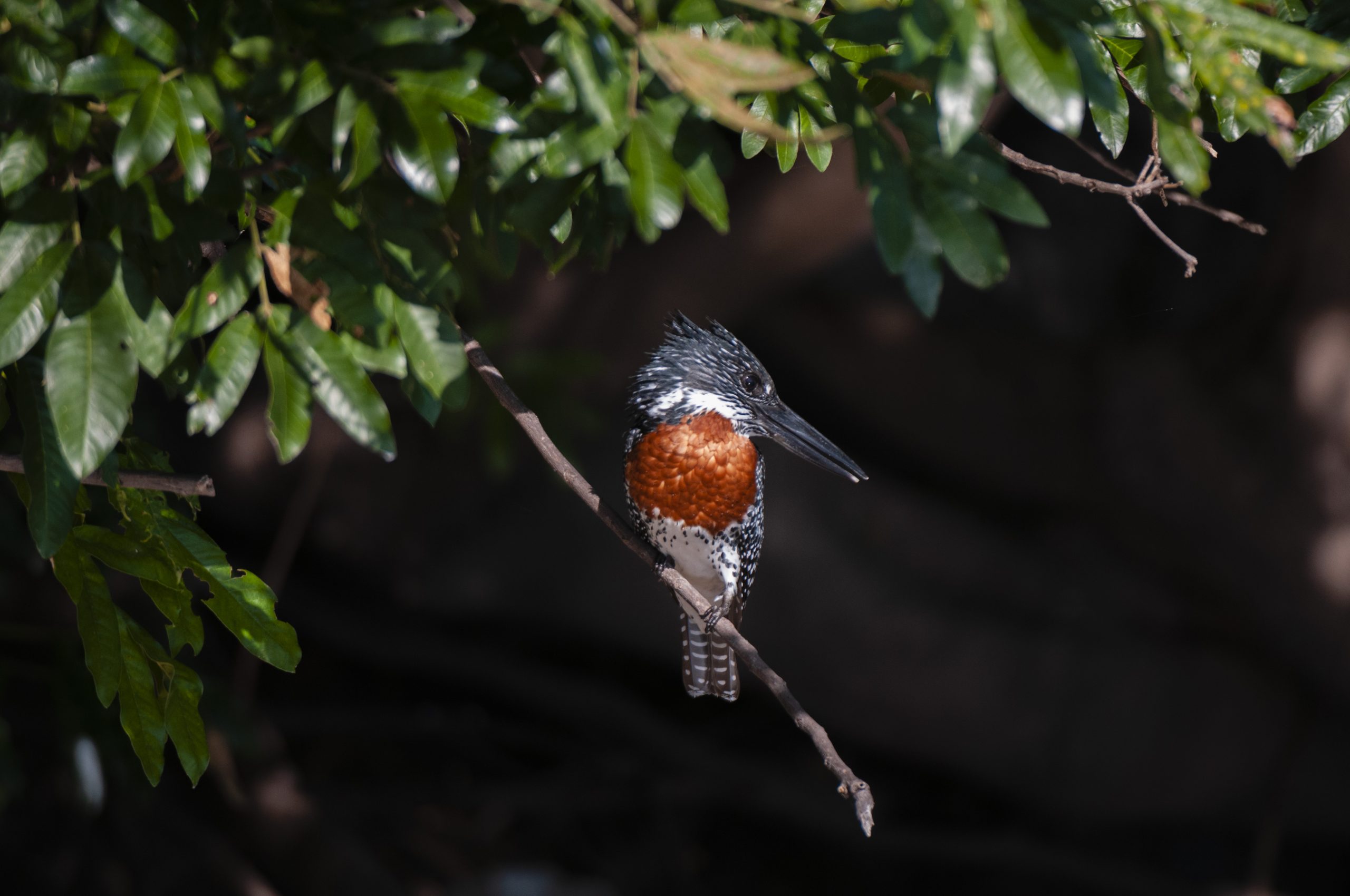
The largest kingfisher in Africa, Giant kingfishers patrol rivers, lakes, and estuaries to hunt for fish, frogs and crabs. Photo by: Sergio Pitamitz / VWPics/Universal Images Group via Getty Images
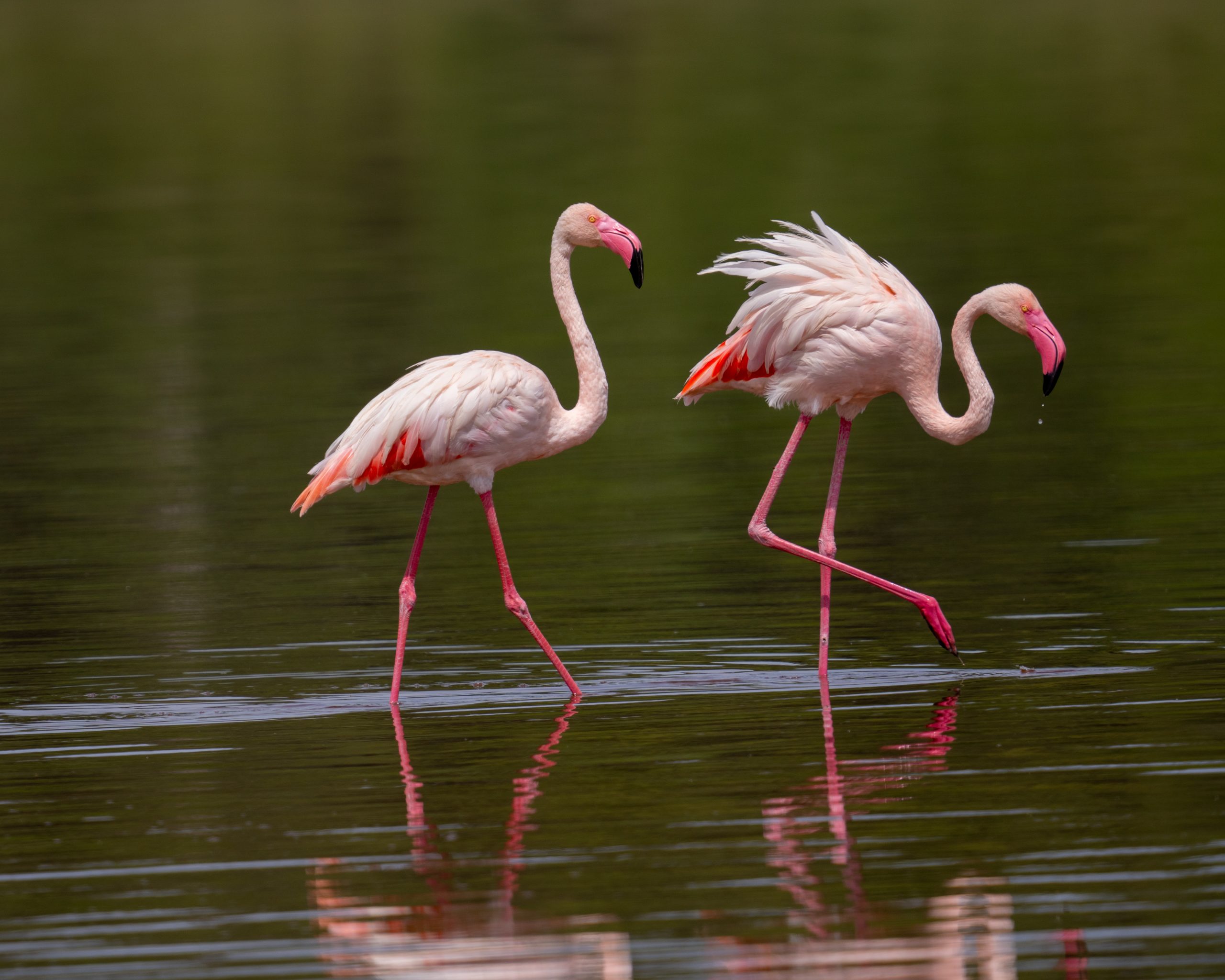
The flamingo's famous pink hue comes from their diet of algae and shrimp. Photo by: Edwin Remsberg/VWPics/Universal Images Group via Getty Images
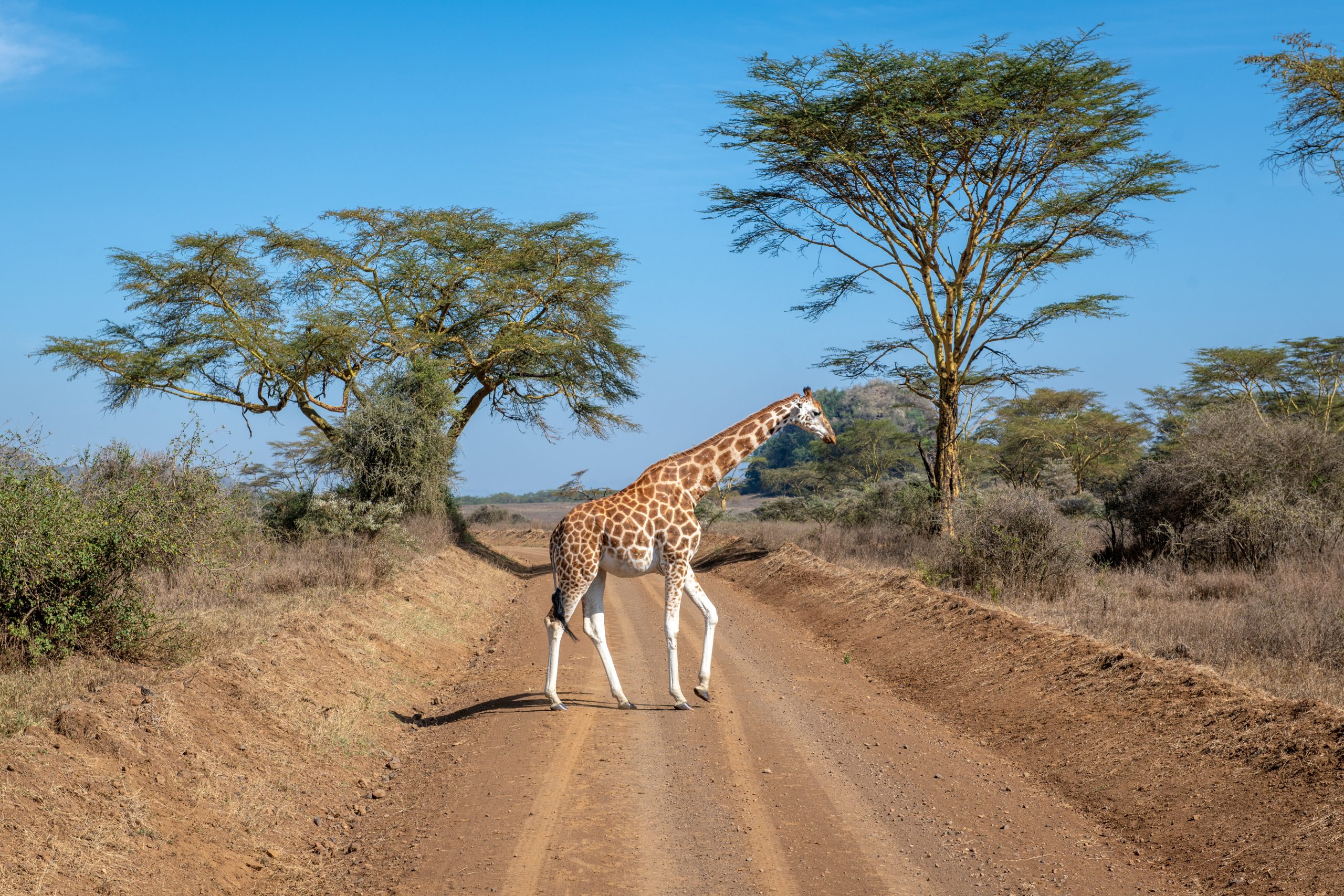
Rothschild's giraffe
The Rothschild's giraffe is one of the world's most endangered giraffes, with fewer than 2,500 mature individuals remaining in the wild. Photo by: Edwin Remsberg / VWPics/Universal Images Group via Getty Images
Footer banner
This website is owned and published by Our Media Ltd. www.ourmedia.co.uk
© Our Media 2026