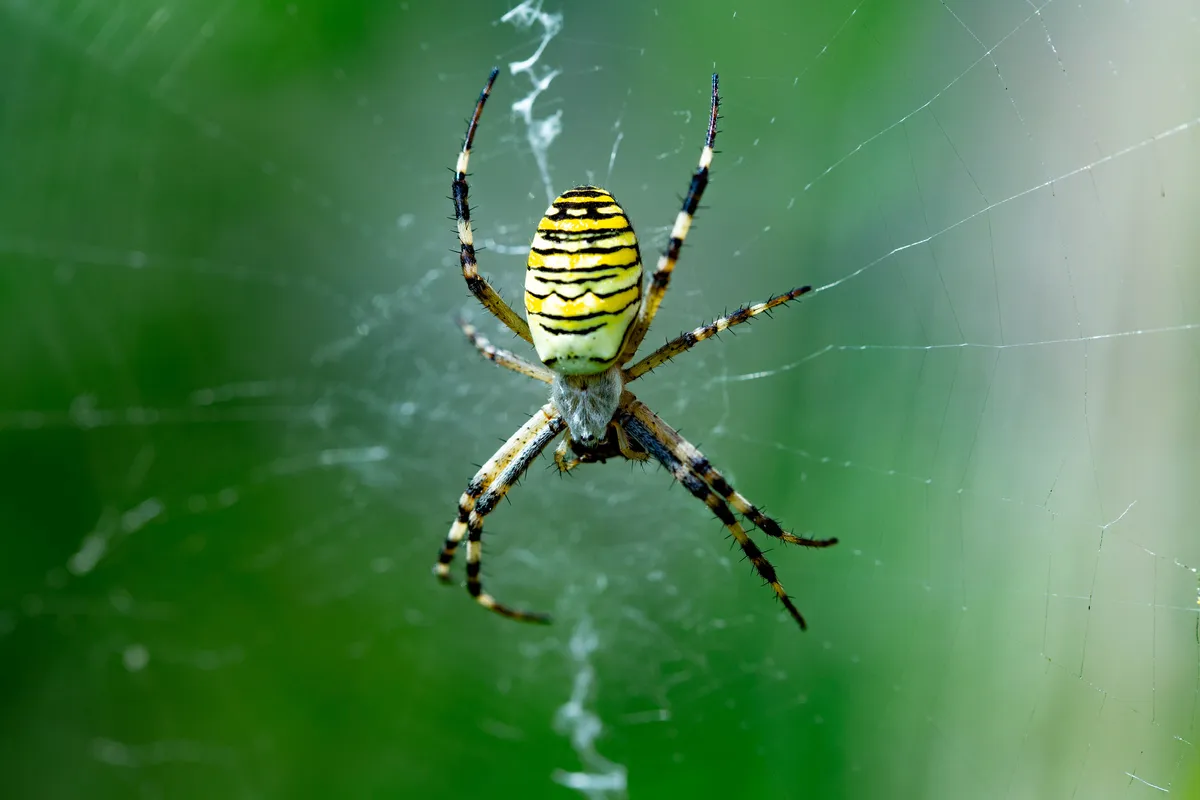
During an ecological survey on Chester Zoo’s estate in Cheshire, conservationists spotted a wasp spider – a big, brightly coloured species that, until now, had never been sighted in the area before. The find highlights how environmental change is impacting UK wildlife.
The discovery was made by Chester Zoo conservationists working with RECORD, Cheshire’s local environmental records centre, and confirmed by an expert from the British Arachnological Society.
- This wasp lookalike is almost the size of a credit card – and it drops onto its victims from above
- Meet the tube web spider, a British spider that can pierce skin with its fangs
This spider species, Argiope bruennichi, is an orb-weaver, with distinctive yellow, white and black markings on its abdomen. It's found across Central and Northern Europe, several regions of Asia and Africa, and the Azores.
There are records of the spider in the south of England, but it now seems to be spreading north in response to a changing climate. The arachnid, nicknamed ‘Wendy’ by the zoo team, is among a number of species whose ranges are moving northwards.
“We were really thrilled to find Wendy. She’s a beautiful and fascinating species, and recording a wasp spider in Cheshire for the first time is really exciting,” said Ruby Merriman, Chester Zoo’s estate biodiversity manager.
“Wasp spiders are slowly moving north as their southern ranges in Europe warm too quickly for them to adapt," adds Merriman. "Some conservation organisations refer to animals driven to migrate by climate change as ‘climate refugees’ – which is a good term. They are moving because of human activity, and we need to make space for them.”
Chester Zoo’s wider estate spans 205 hectares, including an array of habitats such as wet meadows, ponds, grasslands and woodlands, supporting a range of important UK species. Among them are harvest mice, listed on the IUCN Red List as Near Threatened, great crested newts and badgers. It’s also a nesting site for barn owls and hosts dozens of dragonfly, moth and butterfly species.
“It’s exciting to see new species like Wendy on site, but her arrival is part of a broader, more worrying trend," said Scott Wilson, head of field programmes at Chester Zoo. "Our conservationists work across the world, and we are witnessing the impacts of climate change in real time, from droughts in Chile to floods in Indonesia. It is a major threat to biodiversity.
“When mountain snows thaw unseasonably, montane forests dry out and small islands face rising sea levels, the species that depend on them must disperse of die. There is a causal link between habitat loss and climate change, and both are already driving species to extinction.
“European spiders are among many species finding it harder to persist in their traditional ranges as the climate shifts. Wendy is a reminder UK biodiversity is not immune to this.”
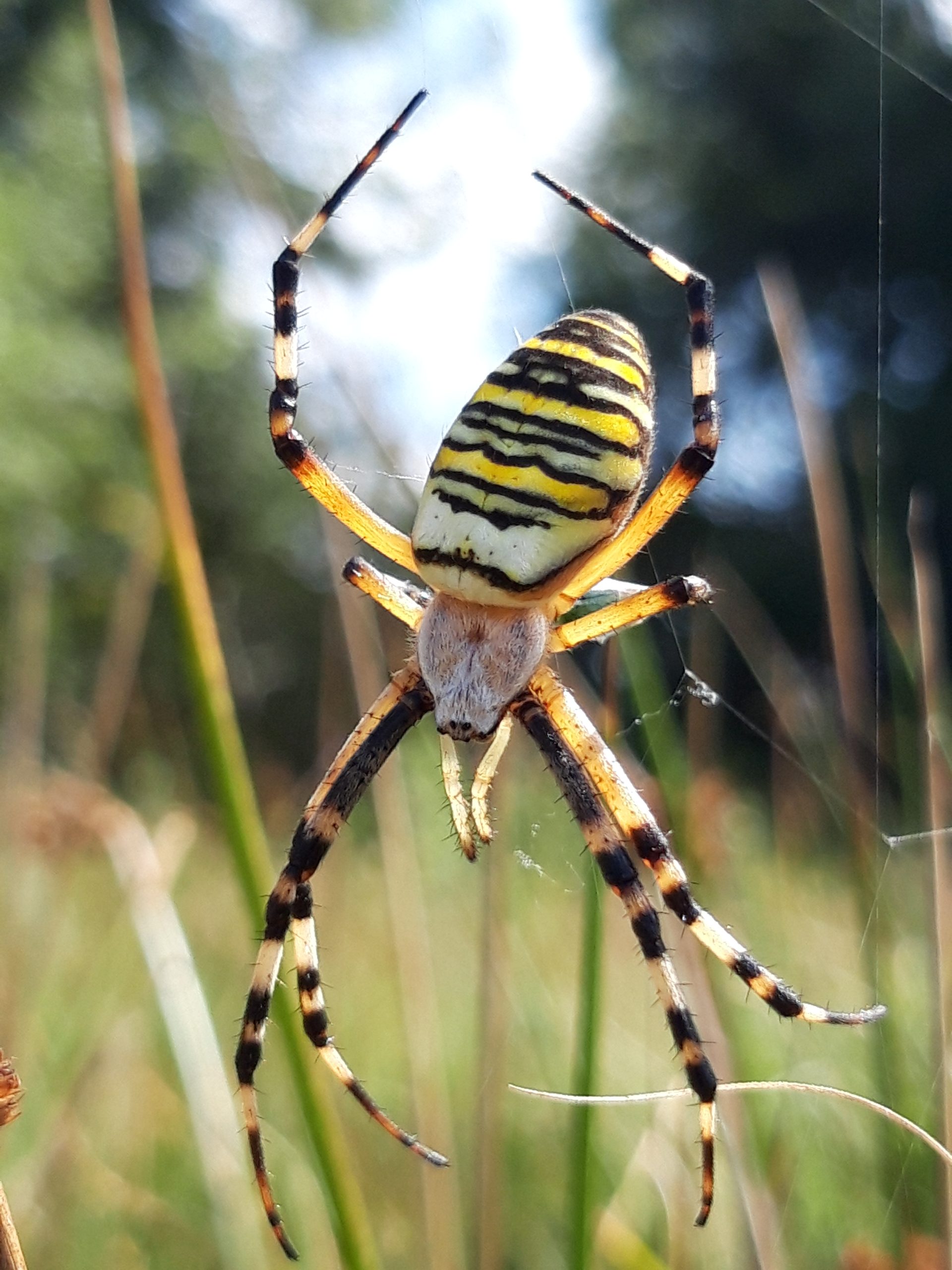
Top image: Wasp spider found in Cheshire for the first time. Credit: Chester Zoo