Famed for their healing powers, people bathed in the hot spring waters of Bath’s Roman Baths for centuries. Then, in 1978, the practice was banned after a young girl who swam there died from an infection she caught.
The culprit? Naegleria fowleri, a free-living amoeba that thrives in warm freshwater lakes, rivers and hot springs. Known ominously but accurately as the ‘brain-eating amoeba’, Naegleria fowleri causes a rare but often fatal brain infection called primary amoebic meningoencephalitis (PAM).
- Wriggling 8cm-long roundworm larvae found in Australian woman’s brain
- "It causes rapid death in humans, with symptoms including lung collapse and brain haemorrhage"
People become infected when water containing the amoeba goes up their nose. From there, the amoeba travels along the olfactory nerve to the brain, where it directly consumes brain cells. Early symptoms, including headaches, nausea and vomiting, can be vague and easy to dismiss. But the disease can progress rapidly. Confusion, hallucinations and seizures can give way to coma and ultimately death. Historically, around 97% of those infected with the microbe have died.
Naegleria fowleri has been detected on every continent except Antarctica. Most infections occur after swimming in warm freshwater, but some cases have been linked to bathing, water sports and nasal irrigation.
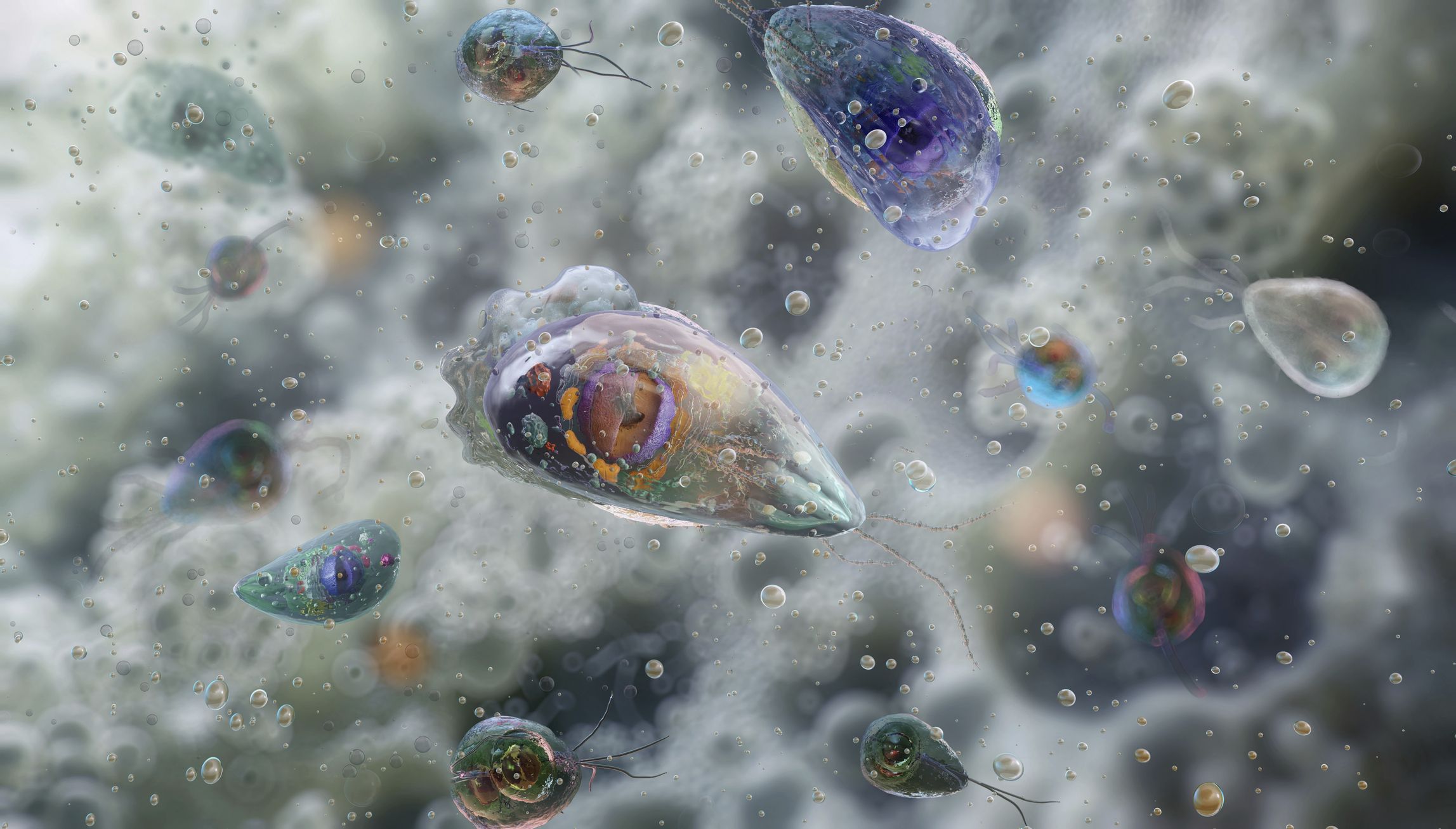
The amoeba can also lurk in untreated or poorly chlorinated swimming pools, residential water heaters and industrial warm-water discharge areas. It multiples in water temperatures up to 46 degrees Celsius, making infections more likely during summer months and raising concerns about climate change. As the world warms, Naegleria fowleri may be expanding its range, making infections more likely.
Don’t give up wild swimming just yet though. To keep things in perspective, the disease is incredibly rare. Since it was first described around 60 years ago, there have been around 500 documented cases.
Many people who are exposed to the microbe don’t become ill. A study of young people in northwestern Mexico, where the amoeba is endemic, found that 98% of them had antibodies against the amoeba, suggesting that many had encountered it without developing the disease.
There are also treatments. In 2025, an unusually large outbreak occurred in Kerala, India. Around 200 people with PAM were treated with anti-parasitic and anti-fungal drugs. More than half of those whose outcomes were known survived – a striking improvement on the historical death rate.
So, do swim, but do be careful. Remember, you can’t catch Naegleria fowleri from another person or from salt water, and you can’t catch it from swallowing water either. If you’re swimming in warm freshwater, the US Centers for Disease Control and Prevention recommends holding your nose or wearing a nose clip when you jump in.
- "Symptoms rapidly worsen, including nausea, vomiting and stomach pain, and can lead to death." 9 most dangerous, deadliest tick diseases for humans
- "It feeds on your blood for a week before you even notice – and then leaves behind a rare and life-threatening disease…"
- “A mutating army of deadly germs” – 8 deadliest bacterial diseases to avoid like the plague