
Insects represent the largest proportion of animal diversity in most terrestrial ecosystems. But despite their ecological importance, insects remain underrepresented in large-scale conservation assessments.
That’s why the California Insect Barcode Initiative (CIBI) was created; a $6 million grant-funded project to collect and identify every species of insect in the US state, led by researchers at the Natural History Museum (NHM) of Los Angeles County in collaboration with various institutions across the state.
- "Symptoms involve fever, severe headaches, seizures, and disruption of the sleep cycle and death" 10 most dangerous, deadliest insects on the planet
- Prehistoric insects were absolutely massive. Here's why they needed to be so darn big
As part of this initiative, more than one million insect specimens were DNA barcoded, leading to an ‘explosion’ in the number of known insect species in California.
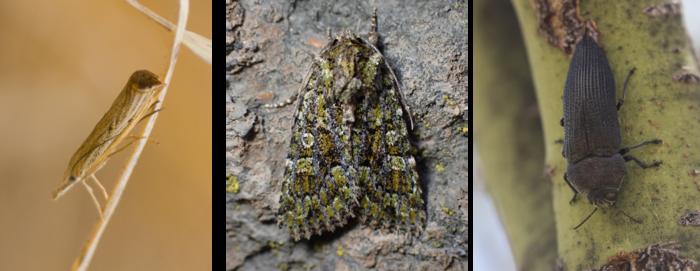
The results of the study, which have been published in the journal Ecography, include the identification of more than 60,000 species – and only around two-thirds have been officially described by science.
To build this data set, researchers collected tissue samples from museum collections (including the NHM), and also set Malaise traps in 72 ecoregions statewide. They also undertook expeditions to 454 additional locations across California.
Malaise traps are large, tent-like structures used to passively trap flying insects – but they do require active maintenance, which wouldn’t have been possible without help from volunteers and other researchers from across the state.
- Bugs vs insects: what's the difference?
- If all Earth's insects suddenly disappeared, here's what would happen
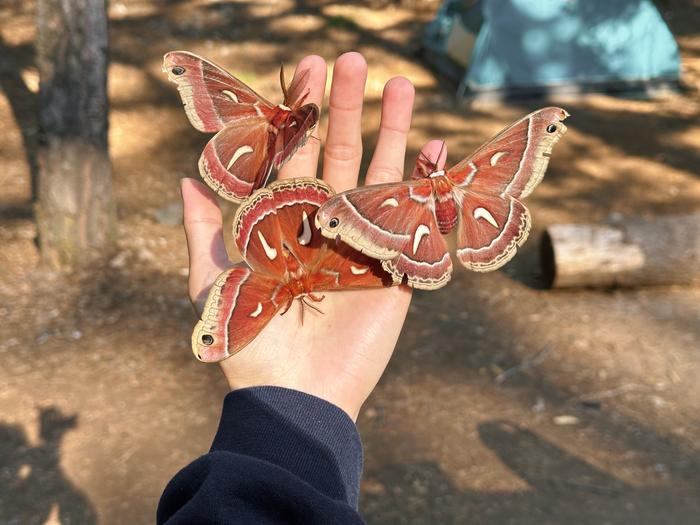
“This is an example of community science. Volunteers stepped forward to help with sampling by managing traps, which we would not have been able to do for continuous weekly sampling,” says Giar-Ann Kung, co-author of the study and the entomology collections manager at the NHM .
Among the ecoregions studied (places with similar ecosystems defined by the Environmental Protection Agency), the highest insect species richness was recorded in the Mojave Basin and Range, a region of warm deserts in southern California.
The researchers also compared parallel regions and found that each had its own unique array of insect life, despite sharing climate and geography.
“The deserts are more similar to each other, and the mountains in northern California are a little bit more similar to each other, but every part of the state hosts a really different insect fauna,” explains Megan Barkdull, a supporting author of the study and an NHM entomologist.
The researchers say that this unexpected richness of insect life across California only further highlights the need for more aggressive conservation in the state.
Read the full findings in the journal Ecography.
Top image: Scientists collecting insects in the field. Credit: courtesy of the Natural History Museum of Los Angeles County
