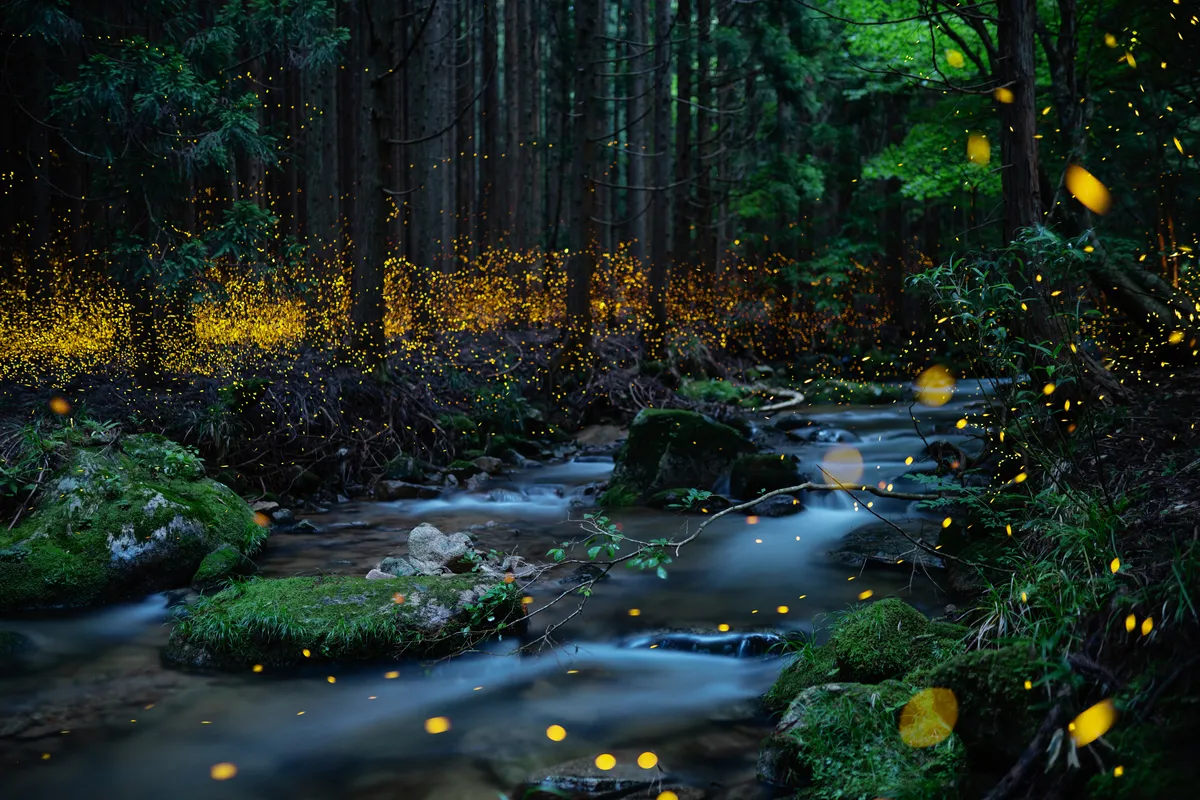
Fireflies and glow-worms are responsible for some of the most impressive and romantic natural spectacles in the world. But did you know these creatures are not flies or worms at all, but beetles?
Found throughout the world, fireflies and glow-worms are bioluminescent – which means they are able to emit light and glow in the dark. It's a phenomenon that can be found not just in the animal kingdom, but the plant kingdom, too.
Bioluminescence is caused by a chemical reaction between the enzymes luciferase and luciferin, and a third element, which can vary from organism to organism. There are lots of theories as to why bioluminescence is used, but for glow-worms and fireflies it's thought to be linked to attracting mates and prey, and warning off predators.
What's the difference between fireflies and glow-worms?
What is a firefly?
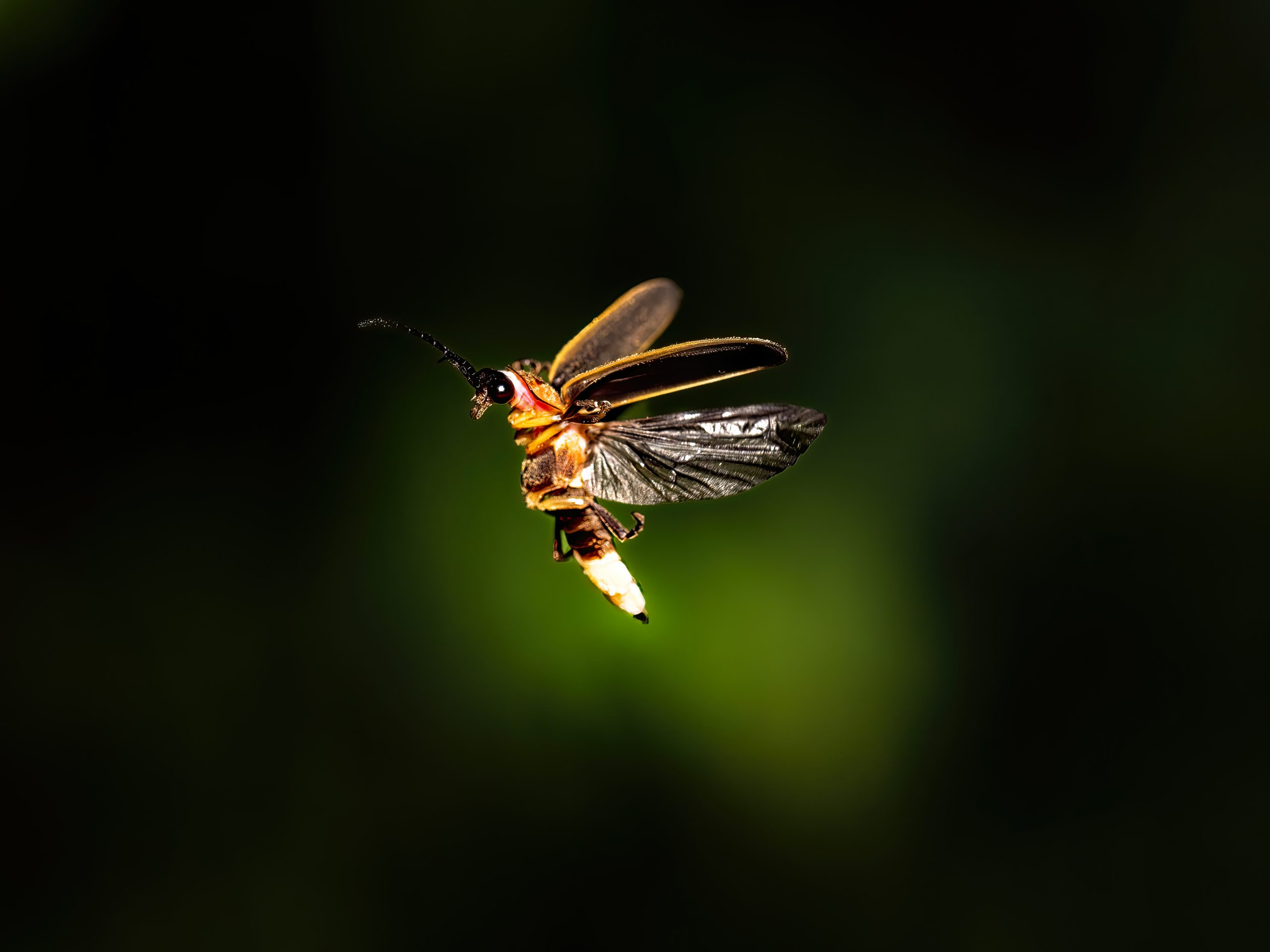
Many people will have seen fireflies before. There are about 2,000 species and they live on every continent in the world, except Antarctica. They thrive in damp, humid habitats.
Fireflies have wings, all are beetles and they are members of the family Lampyridae. They are nocturnal and their way of emitting light is incredibly energy efficient – barely any heat is created in order to make the light.
Fireflies have flashing light patterns that differ according to the species. These dazzling creatures live for around two months.
What is a glow-worm?
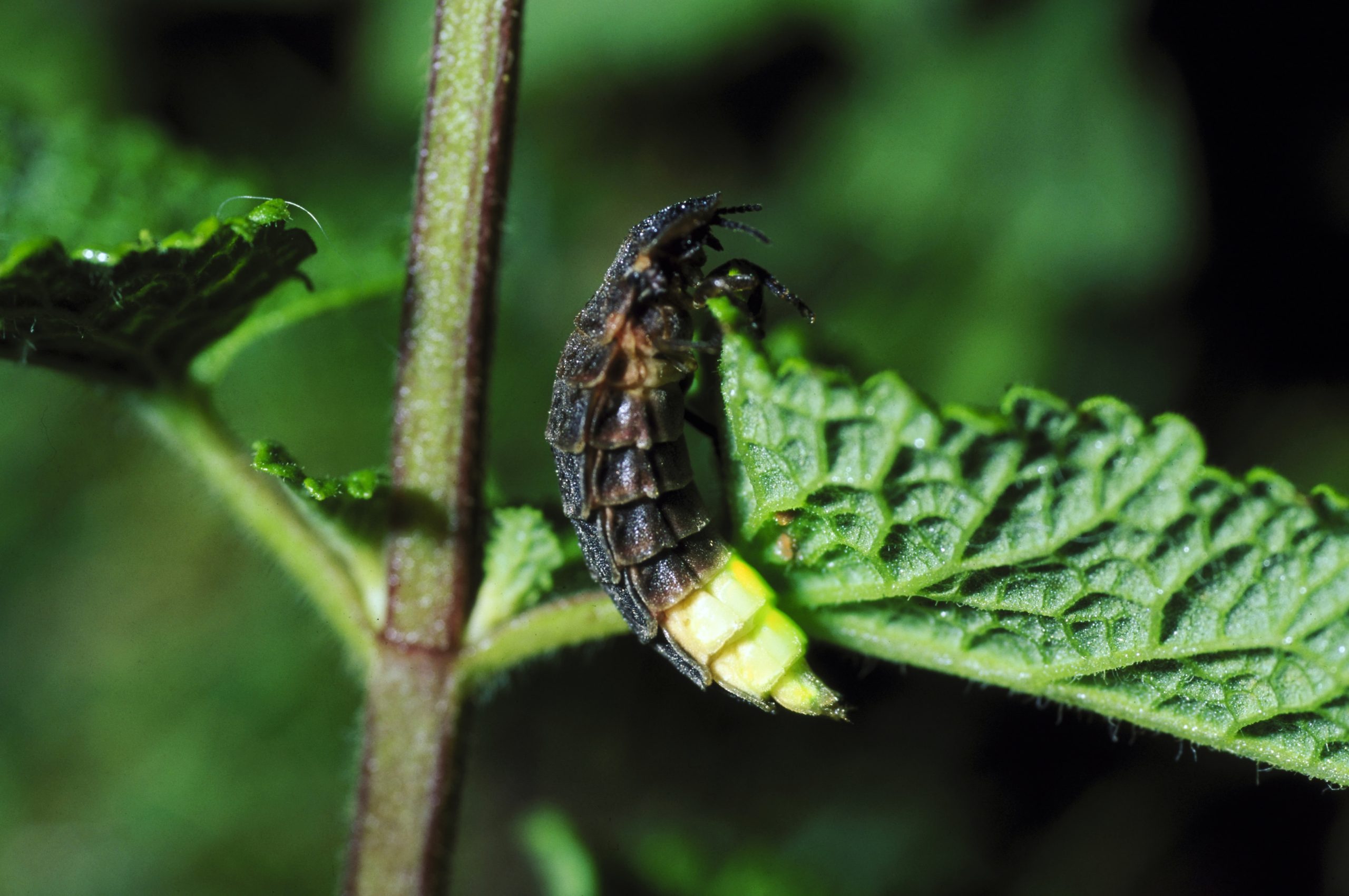
When people use the term glow-worm, they usually mean either an insect larvae that uses bioluminescence, or a wingless adult female beetle using bioluminescence (males can use it, too, but it's not usually as bright). Often adult females continue to look like larvae – these are known as larviform females.
There are also large earthworms that use bioluminescence, but as these are rarely seen by people, the name 'glow-worm' usually refers to the beetles.
Some glow-worms are in the family Lampyridae, but not all of them. The beetle family Phengodidae includes adults and larvae that glow. Some larval members of the families Elateridae and Rhagophthalmida also have bioluminescent organs.
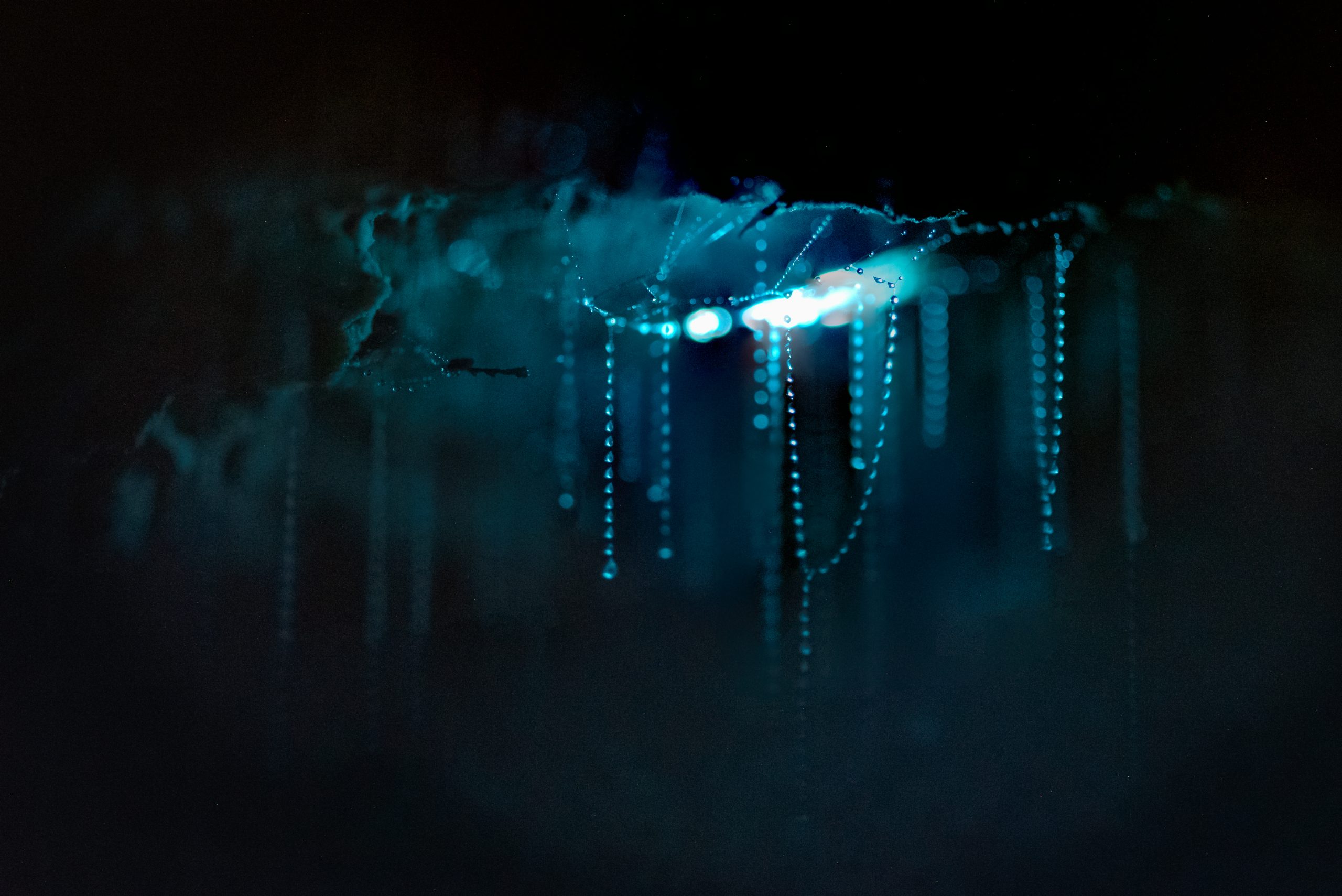
There are also three types of fungus gnat that are referred to as glow-worms during their larval stage. These produce a blue-green light and spin sticky silk that hangs down from cave walls to catch prey.
There are glow-worms in the UK - Lampyris noctiluca - and it is the females and larvae of these that emit most light. The larvae are particularly good predators, delivering a toxic bite to paralyse and kill prey.
Do glow worms and fireflies get confused by artificial light?
Yes, much like moths, these beetles are attracted to artificial lights on at night, which confuse their navigation.
Top image credit: Chasing Light - Photography by James Stone james-stone.com via Getty