It’s Chicago and you are trains rumble past filled with people rushing to and fro to get to their destinations. However, at this time of night, another kind of traveller may be undertaking its own journey on the same routes.
Coyotes make use of the city’s transit network, showing that, in this case, wildlife has actively sought to enter and be part of our urban lives.
- It looks like a wolf, acts like a wolf – but don't be fooled this is no wolf...
- Deadly city dwellers: 4 lethal apex predators lurking in urban streets, from big cats to deadly bears
The coyote is native to North America and is a smaller version of its close relative, the grey wolf. Widely credited with being versatile, wily and able to adapt into environments reshaped by humans, coyotes fill the same ecological niche as the golden jackel in Eurasia. Indeed, the coyote has become one of the most successful urban mammals in North America, and nowhere is that success more remarkable than in the Midwestern city of Chicago.
These adaptable canids have not only made themselves at home in one of America’s largest cities, but they have also become masters of its transport network. While reports of coyotes boarding subway trains are rare and often exaggerated, scientists have discovered that many regularly use railway corridors and transit routes as wildlife highways, moving through the city with astonishing efficiency.
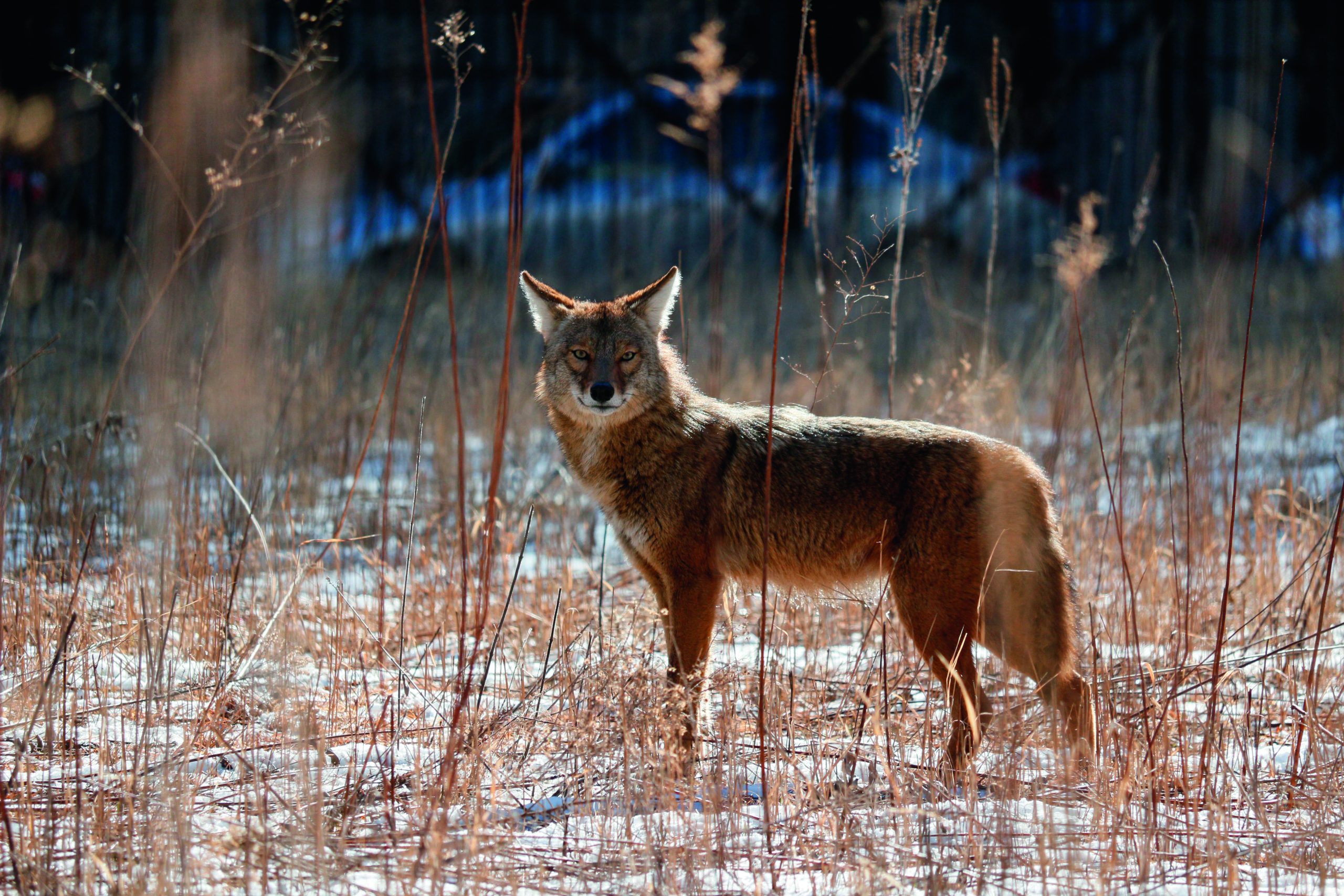
To the coyote, it’s simply the safest, fastest and most direct way to get from one part of its territory to another. Researchers have documented coyotes crossing roads, negotiating rail networks and travelling through densely populated neighbourhoods while remaining largely unseen.
Some of these animals have even established territories in the heart of Chicago. One famous pair successfully raised pups near Soldier Field, the sports stadium that’s home to the Chicago Bears American football team.
- Racoons, pigs, rats and cats found in poop of San Francisco's coyotes. Here's why that's important
- Coyote vs wolf: what's the difference between these two beautiful and charismatic canids that thrive in North America?
Much of what we know about these animals comes from the long-running Cook County Urban Coyote Research Project, one of the most comprehensive studies of urban carnivores ever undertaken. Since 2000, scientists have fitted radio and GPS collars to, and monitored, hundreds of coyotes to understand how they coexist with millions of people.
Researchers can track where coyotes sleep, hunt and travel, often uncovering movements that seem almost impossible.
GPS data has shown that urban coyotes are primarily nocturnal, adjusting their behaviour to avoid humans. While the city slumbers, they patrol their fragmented urban territories like furry ghosts.
Perhaps the most surprising discovery is how little these animals actually rely on us. Many people assume urban coyotes survive on rubbish bins and discarded takeaway meals, much like our foxes. However, studies suggest their diet consists largely of natural prey such as rabbits, rodents and other small animals.
- “They simply moved in.” Thousands of tiny falcons are taking over this ancient Italian city
- “They produce 7 tonnes of guano – nightly”: Romans in biohazard suits are facing a relentless rain of oily poop. Here’s what’s going on
Far from being freeloaders, they are active hunters helping to regulate populations of some of the city’s most abundant wildlife.
So, what happens when humans and coyotes meet? Usually, not much. Concerns occasionally arise regarding pets, particularly small dogs and free-roaming cats. Despite an estimated population of around 2,000 coyotes living within the Chicago metropolitan area, direct conflicts remain relatively uncommon.
Most coyotes avoid people and have become experts in going unnoticed. Indeed, many Chicagoans will pass within metres of one without realising. The signs are that these animals are set to keep unobtrusively co-existing with people here for some time to come.
Discover more wildlife stories from around the world:
- Striking image of an orange-tailed damselfly peering through leaf wins photography competition
- Picture perfect planning: Get set for your next wildlife photography adventure
- It’s 600 miles wide, takes two days to cross and has claimed the lives of sailors
- Black vulture seen incubating snail shell in Brazil. It's the first time this behaviour has ever been documented