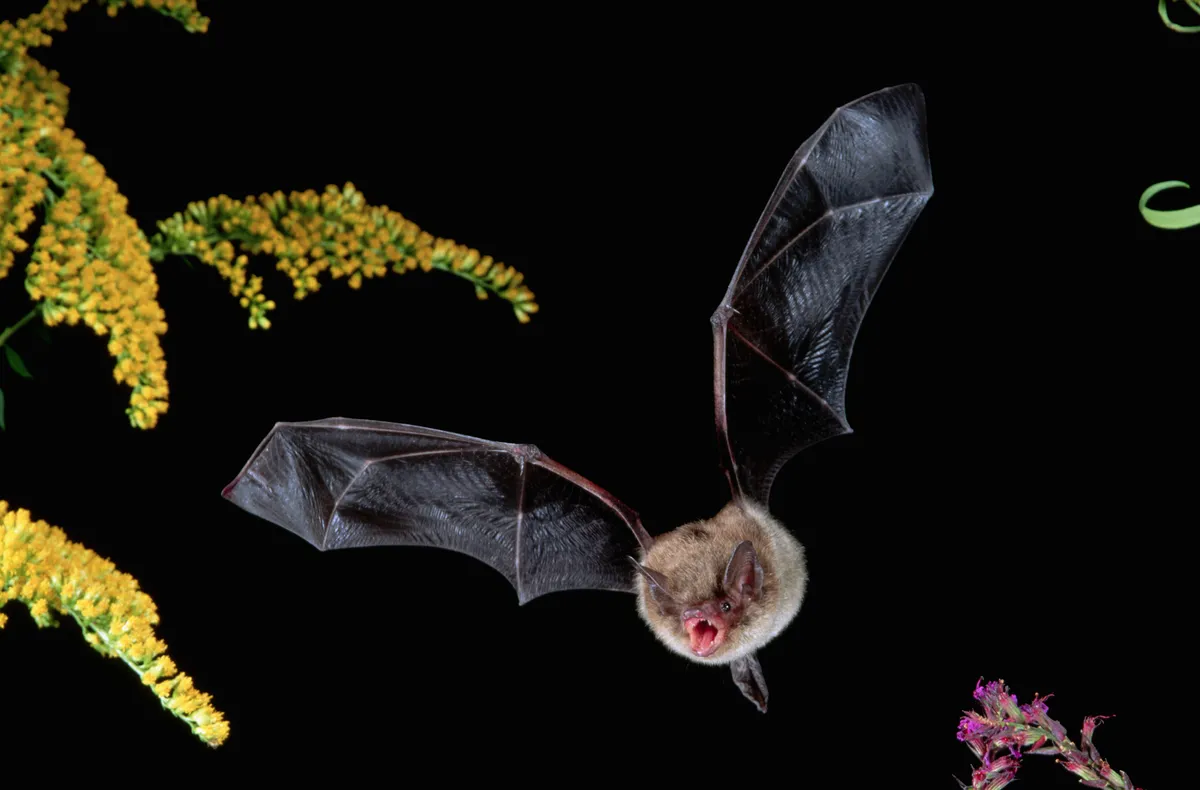
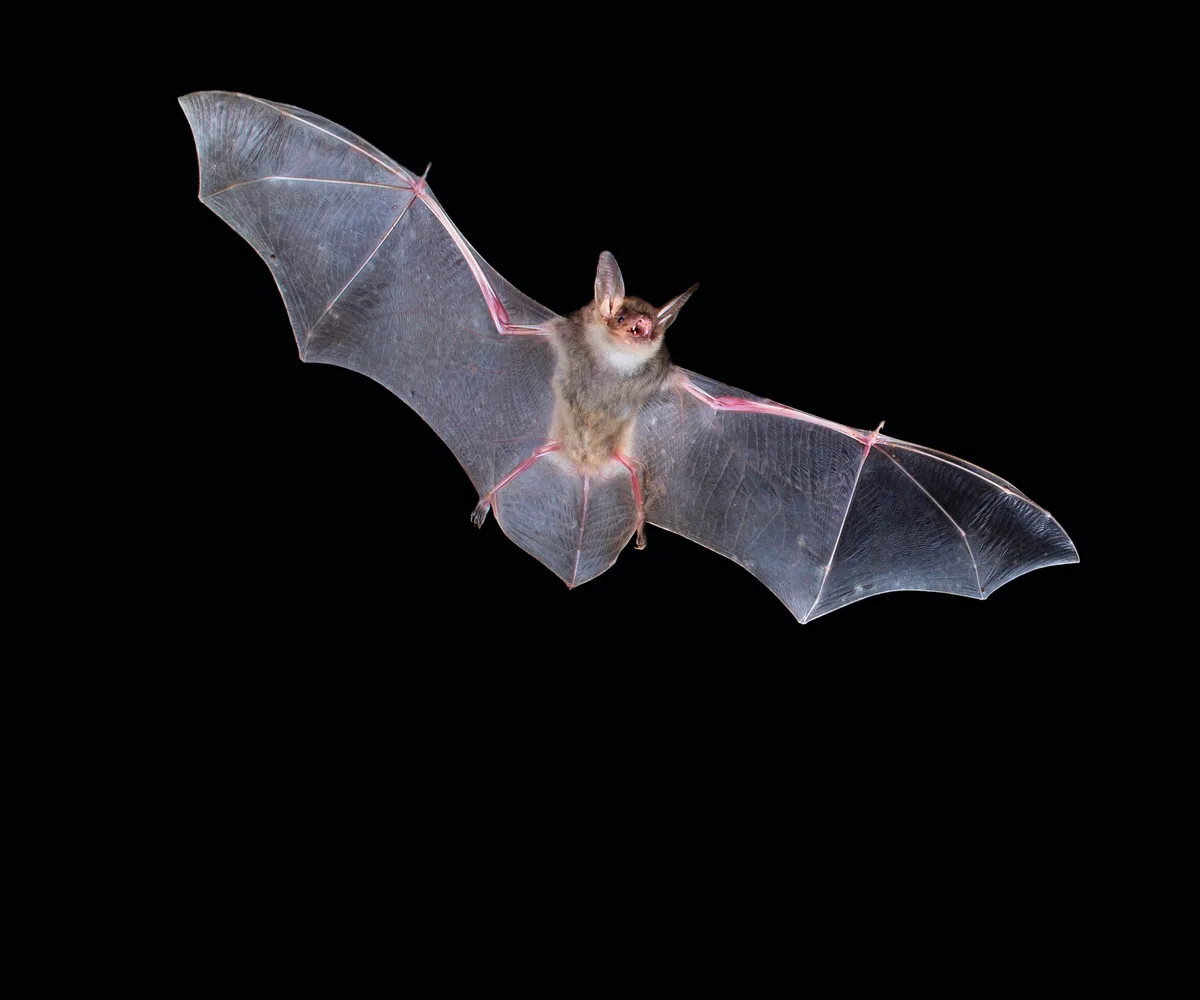
Madidi National Park, in northwestern Bolivia, may be one of the most biodiverse protected areas on Earth. Located in the upper Amazon River basin, the park covers snow-capped mountains, tropical jungles and cloud forests.
But despite its high biodiversity levels, its bat population is poorly studied. So, a multi-institutional expedition group was formed and tasked with collating as many species as possible, with its results published in the journal ZooKeys.
“Knowledge of the park’s bat fauna remained scattered across scientific publications, museum collections, technical reports, and previous field surveys,” explains the study’s lead author Lizette Siles, of the Museo de Historia Natural Alcide d’Orbigny in Cochabamba.
The team brought these records together and added surveys from 12 sites conducted between 2015-2017, representing an area ranging from 198 metres to 4,814 metres.
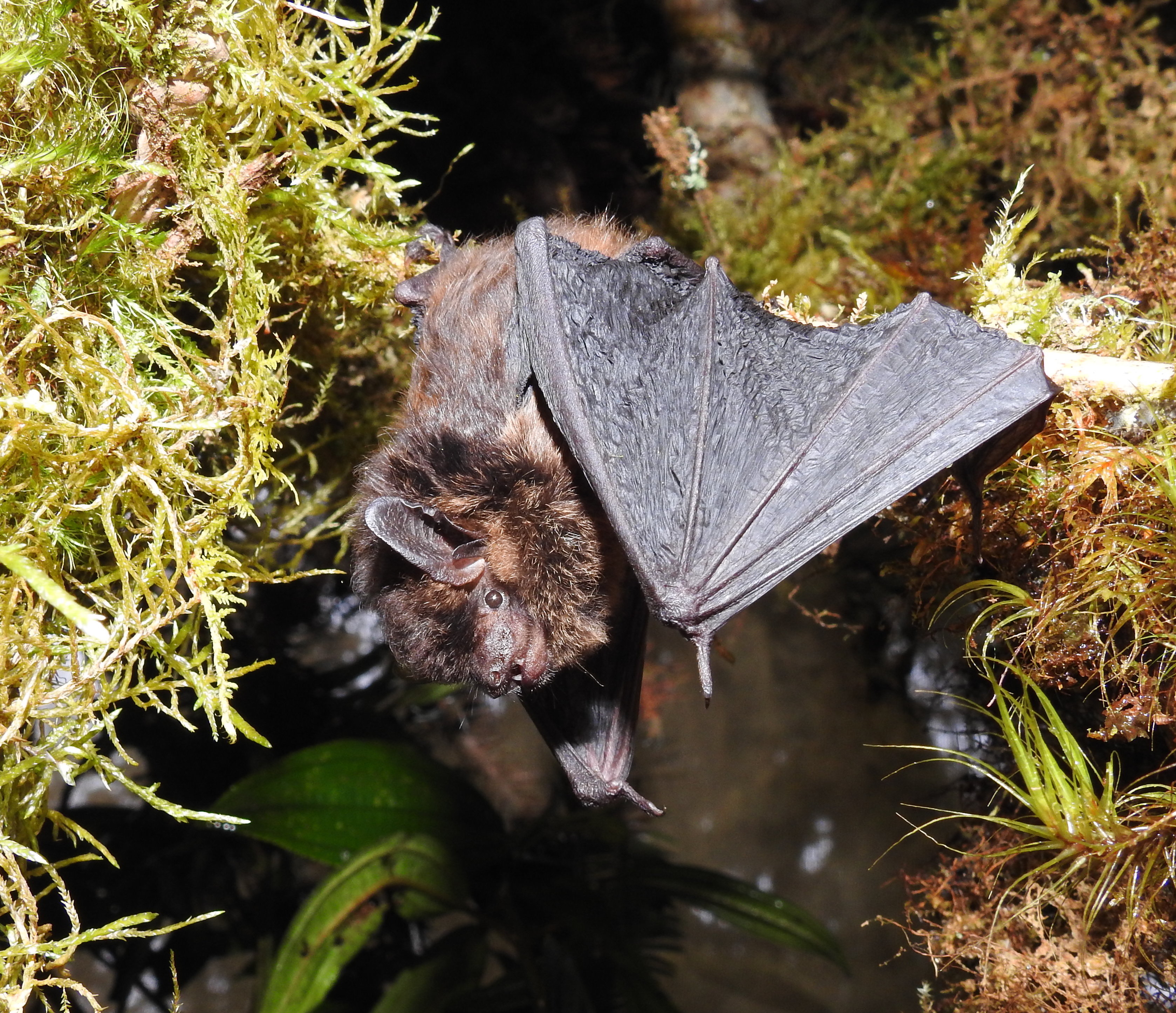
“Bats are particularly challenging to survey because species differ in their behaviour, roosting habits and echolocation calls,” explains Siles. “No single sampling method can adequately document the entire community.”
The team used a variety of methods, such as mist nets, roost searches and acoustic recorders, to log a total of 820 species. They also recorded the calls of 28 species.
“Acoustic surveys alone detected 14 species that were not recorded through physical captures,” adds Siles. “That demonstrates how much diversity can be overlooked when biodiversity assessments rely on a single sampling method.”
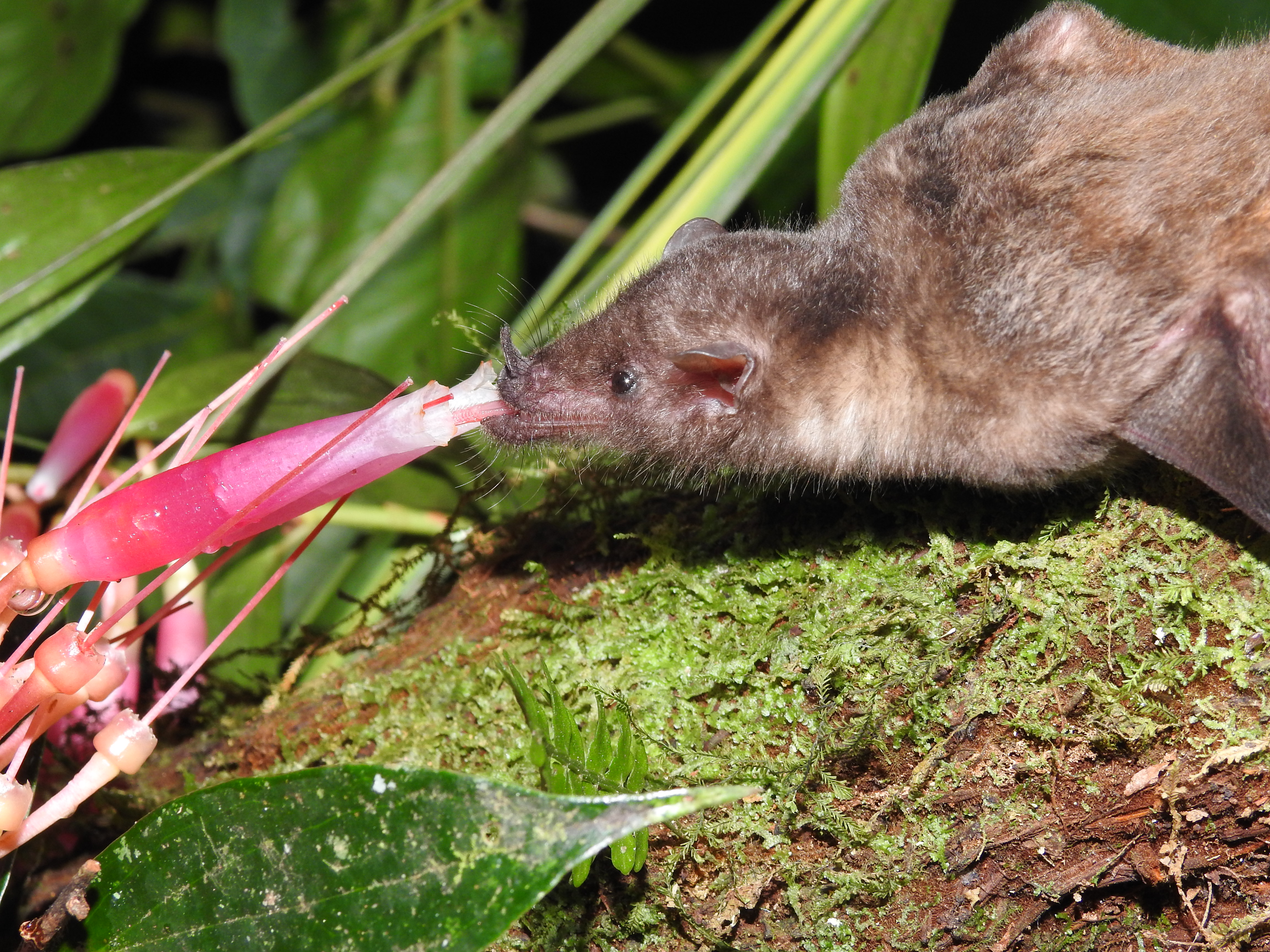
The surveys added 25 species to the park’s list, bringing the total number of bat species found in the park to 99. Among the documented species were the carnivorous Vampyrum spectrum (commonly known as the great false vampire bat), the nectar-feeding Anoura peruana and Eptesicus andinus, which had never been documented in the park before.
The team also reported a potentially undescribed species within Histiotus (a genus of South American vesper bat) that is currently under study.
The researchers note that Madidi National Park is among the most bat-rich protected areas worldwide. However, they also stated that there are likely more species to discover and that further surveys are needed across the park’s diverse landscape.
“Madidi is an extraordinary natural heritage, not only for Bolivia but for the world,” says Siles.
The study was co-led by colleagues from the Colección Boliviana de Fauna at the Museo Nacional de Historia Natural in La Paz, the Wildlife Conservation Society (WCS) Bolivia Program, Texas Tech University, the Red de Investigadores en Herpetología - Bolivia, and the Universidad Mayor de San Andrés.
Read the full findings here.
Top image: Río Beni in Madidi National Park, Bolivia. Credit: Mauricio Ocampo