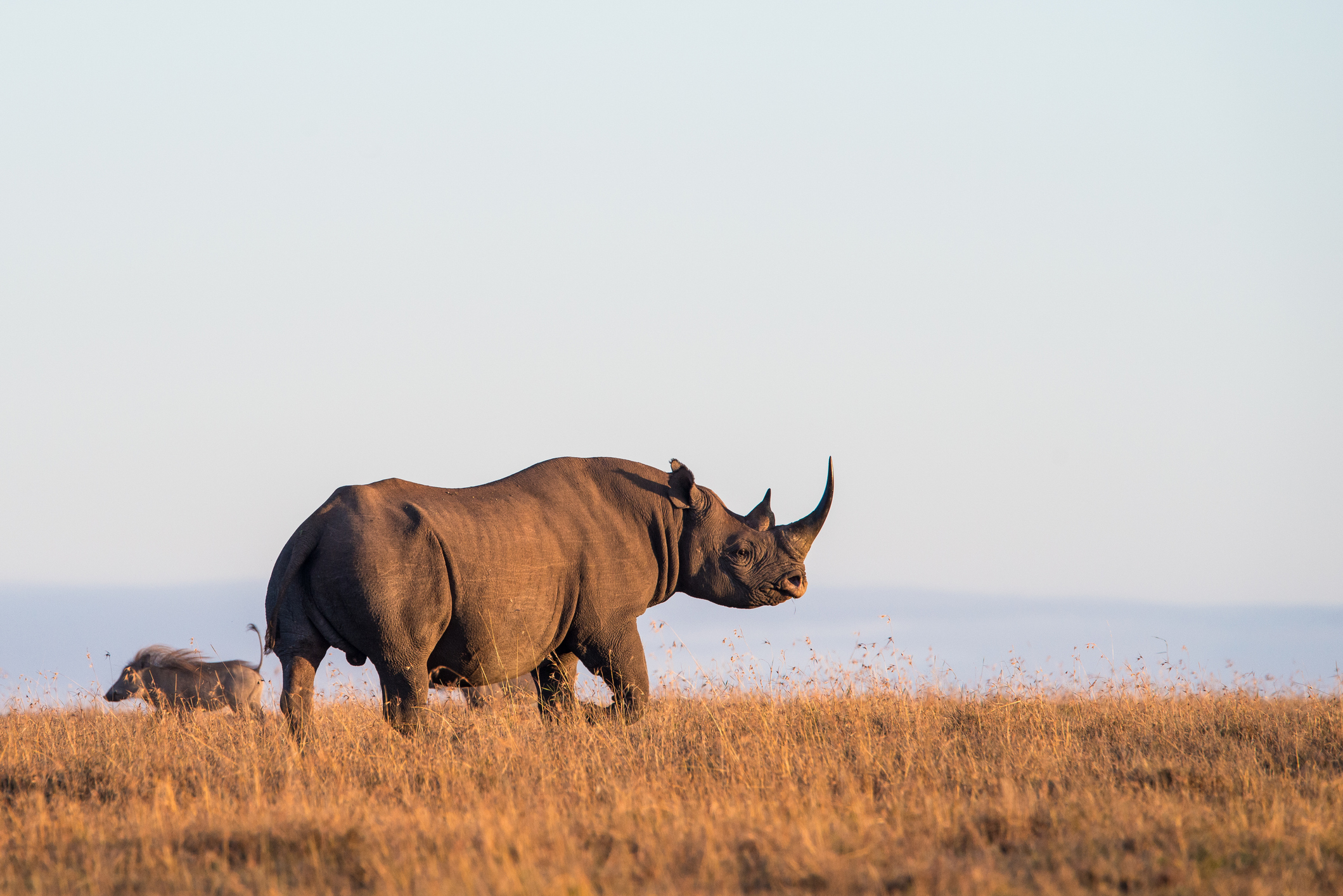
They may have small brains and eat plants, but underestimate a rhinoceros at your peril. One of the largest living land mammals, the rhinoceros can weigh up to 2,500kg and eat between 25-50kg of vegetation per day. This means they help to control plant growth and also are important in seed dispersal – through their 20-30 kg of dung a day.
There are five species of rhinoceros – three in Asia and two in Africa – and it is the African white rhinoceros that is the biggest, weighing up to 2,500kg. Three of these (the Sumatran, Javan and Black) are listed as Critically Endangered by the IUCN and few rhinoceros live outside national parks.
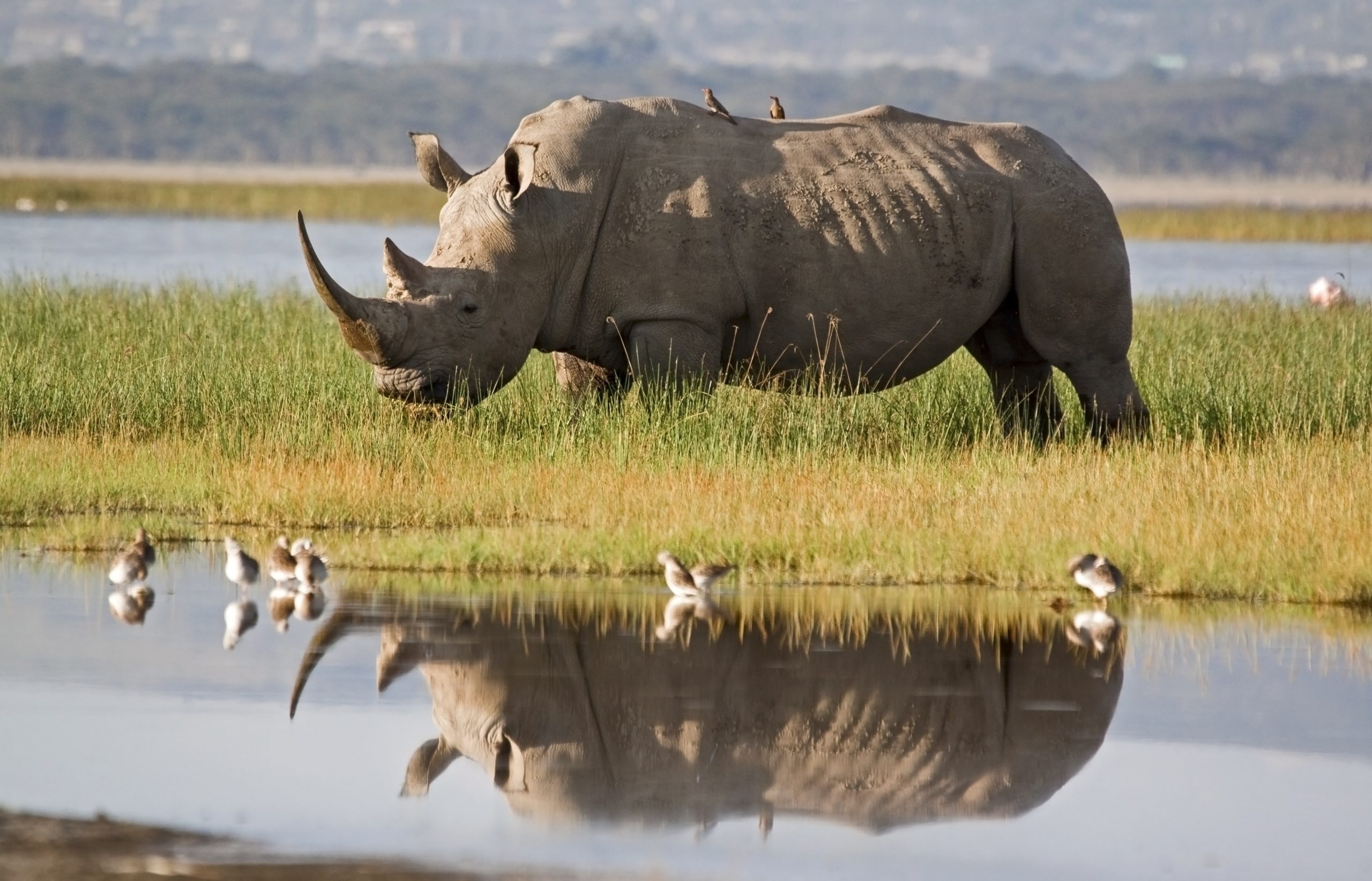
Rhinoceroses tend to live solitary lives, but some species have been known to live in groups. Oxpeckers are regularly seen with a rhinoceros, as they live on the parasites on the skin of rhinos.
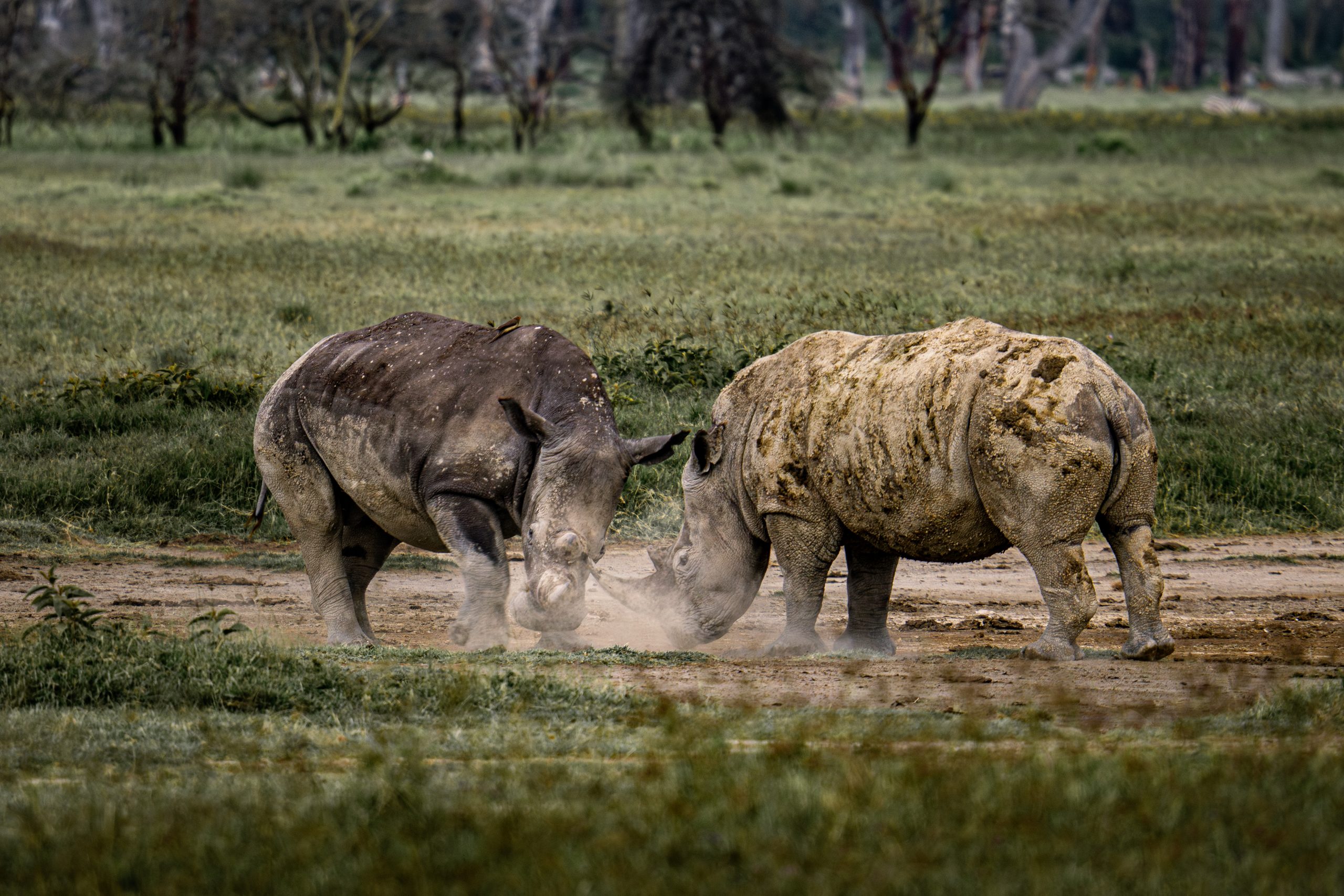
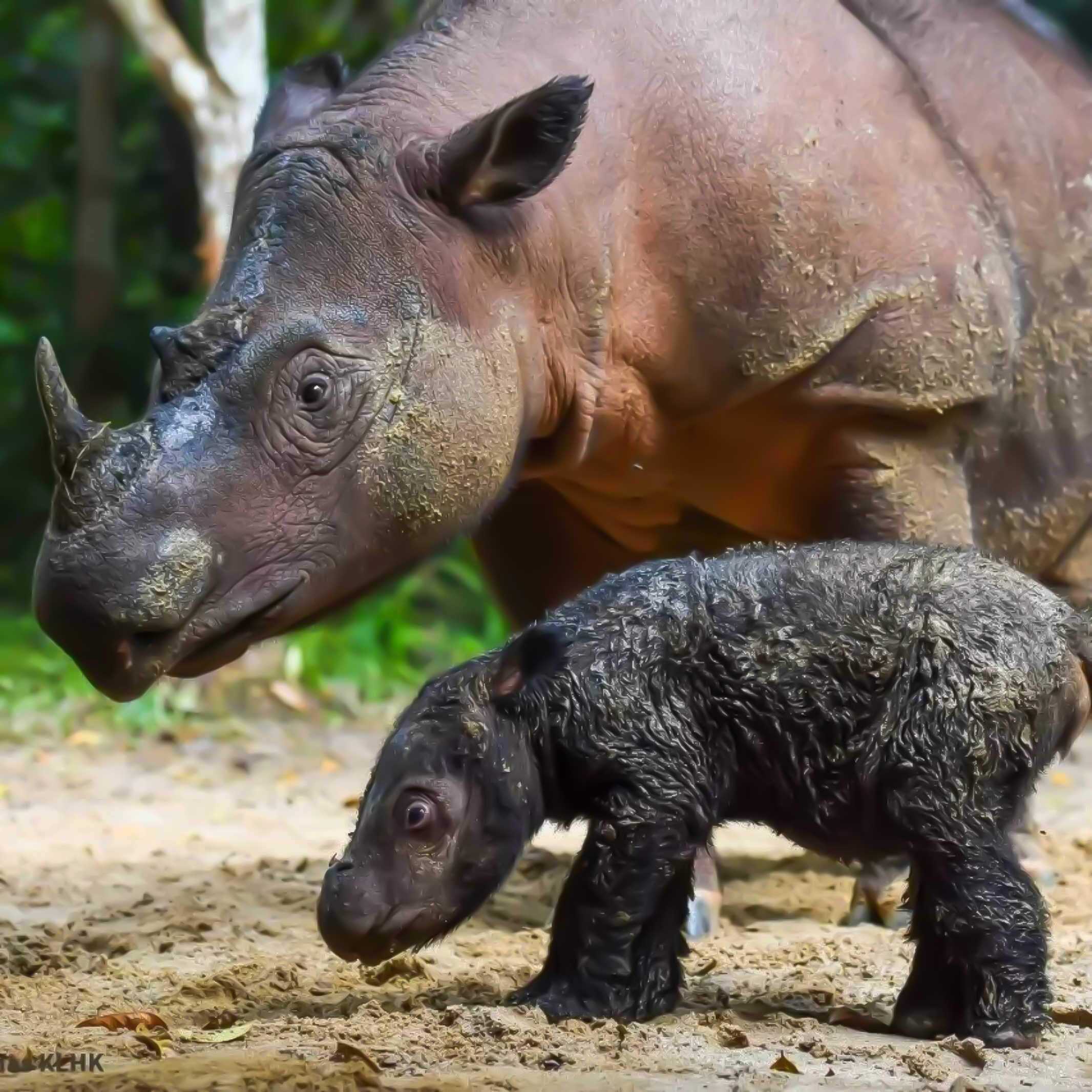
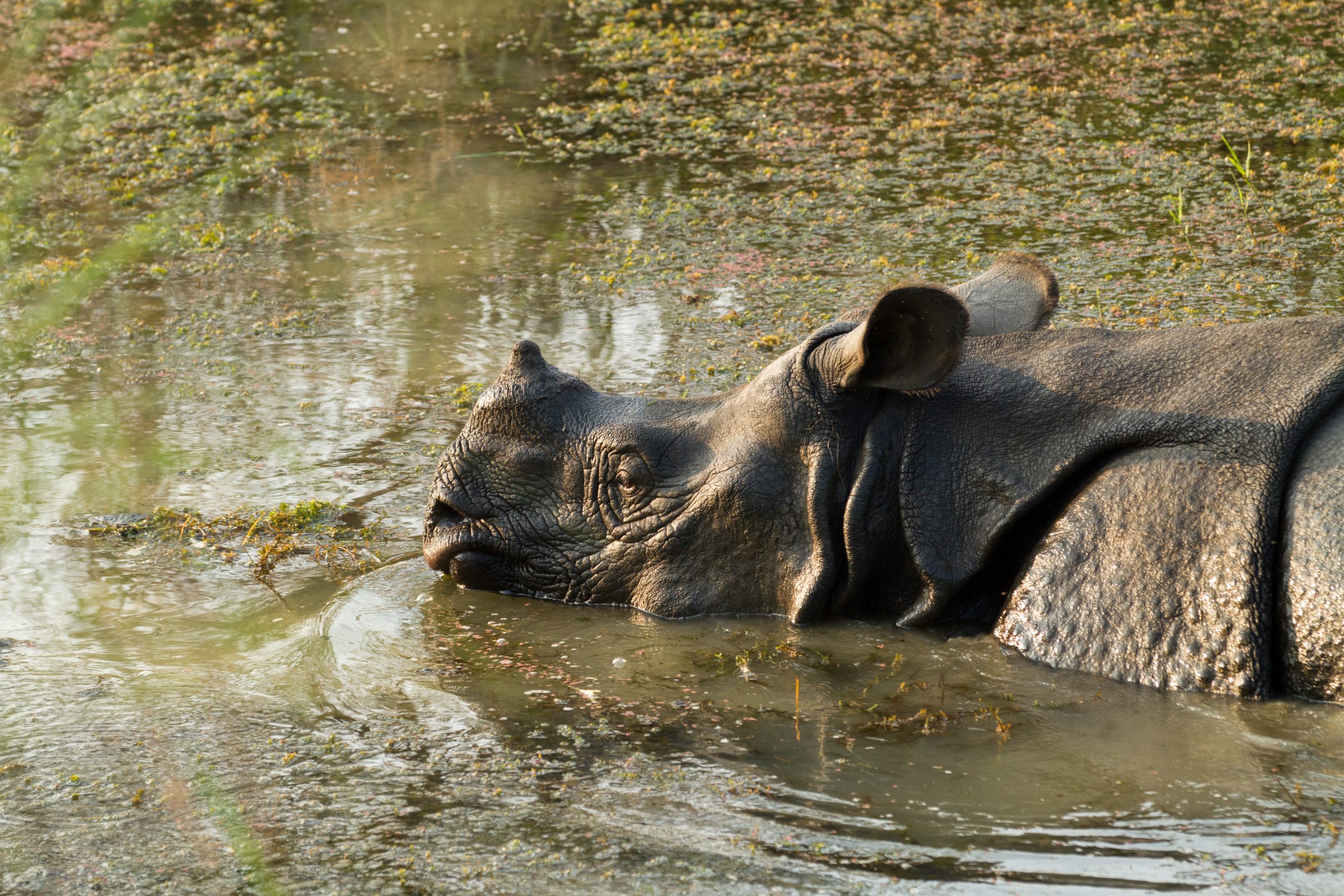
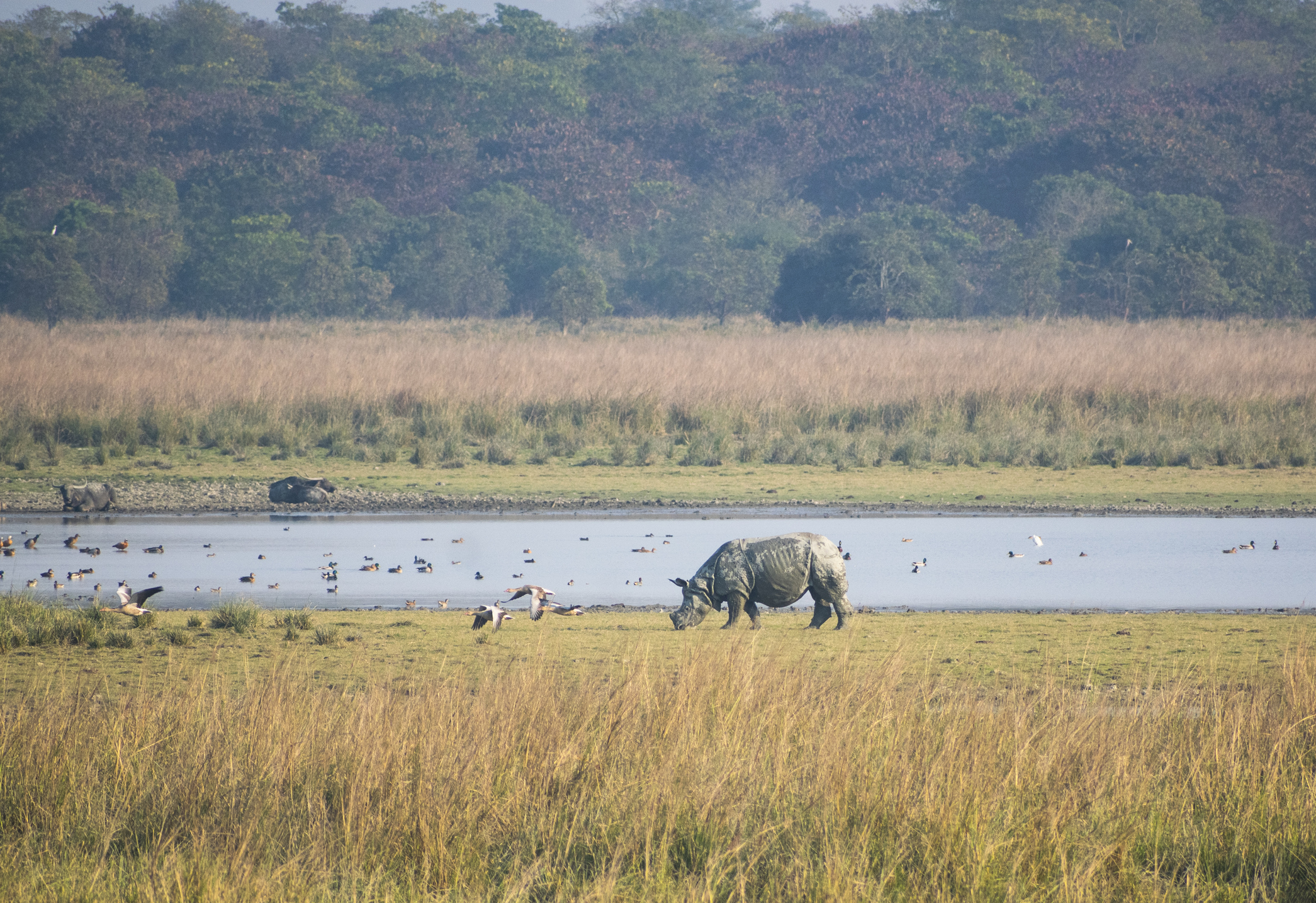
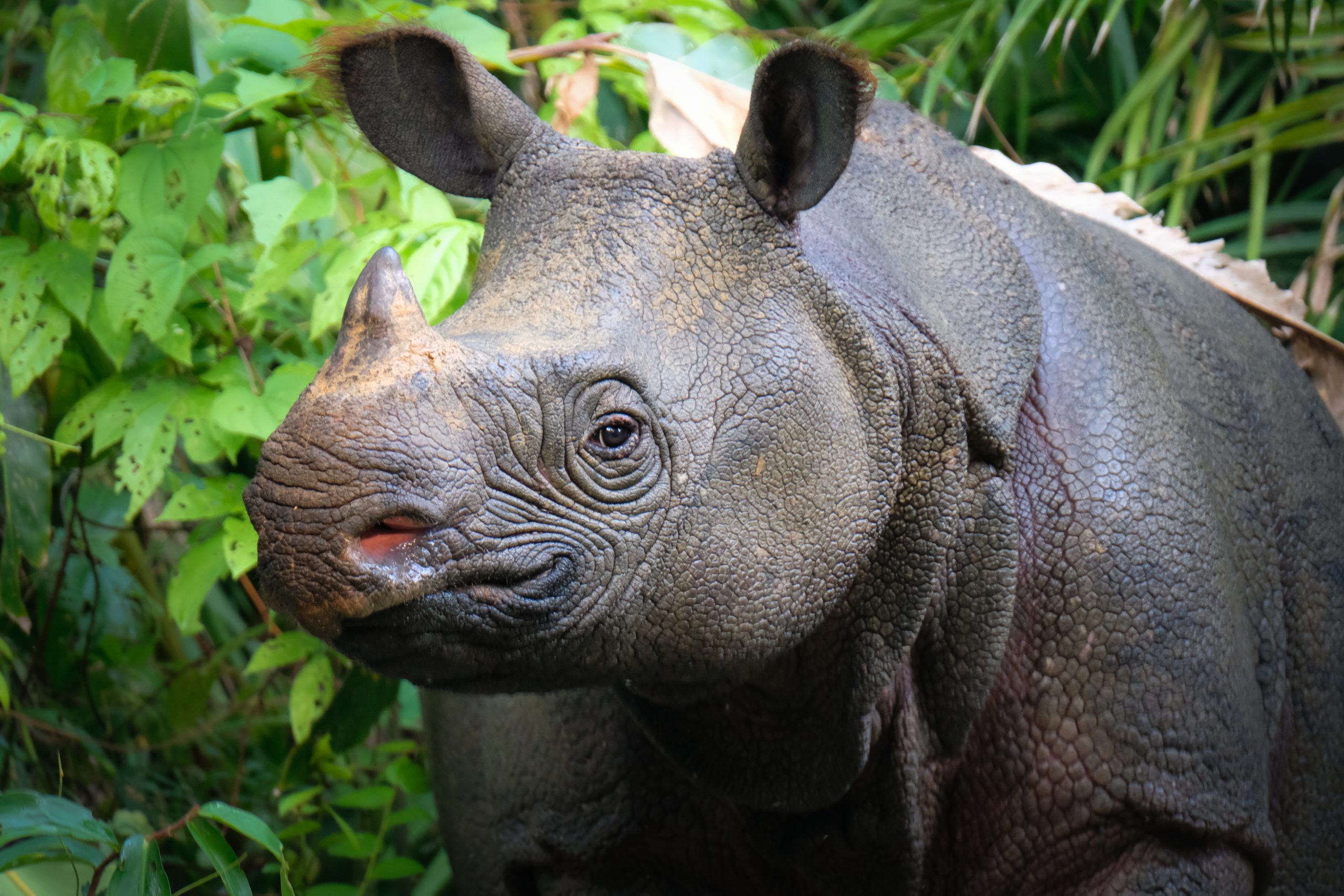
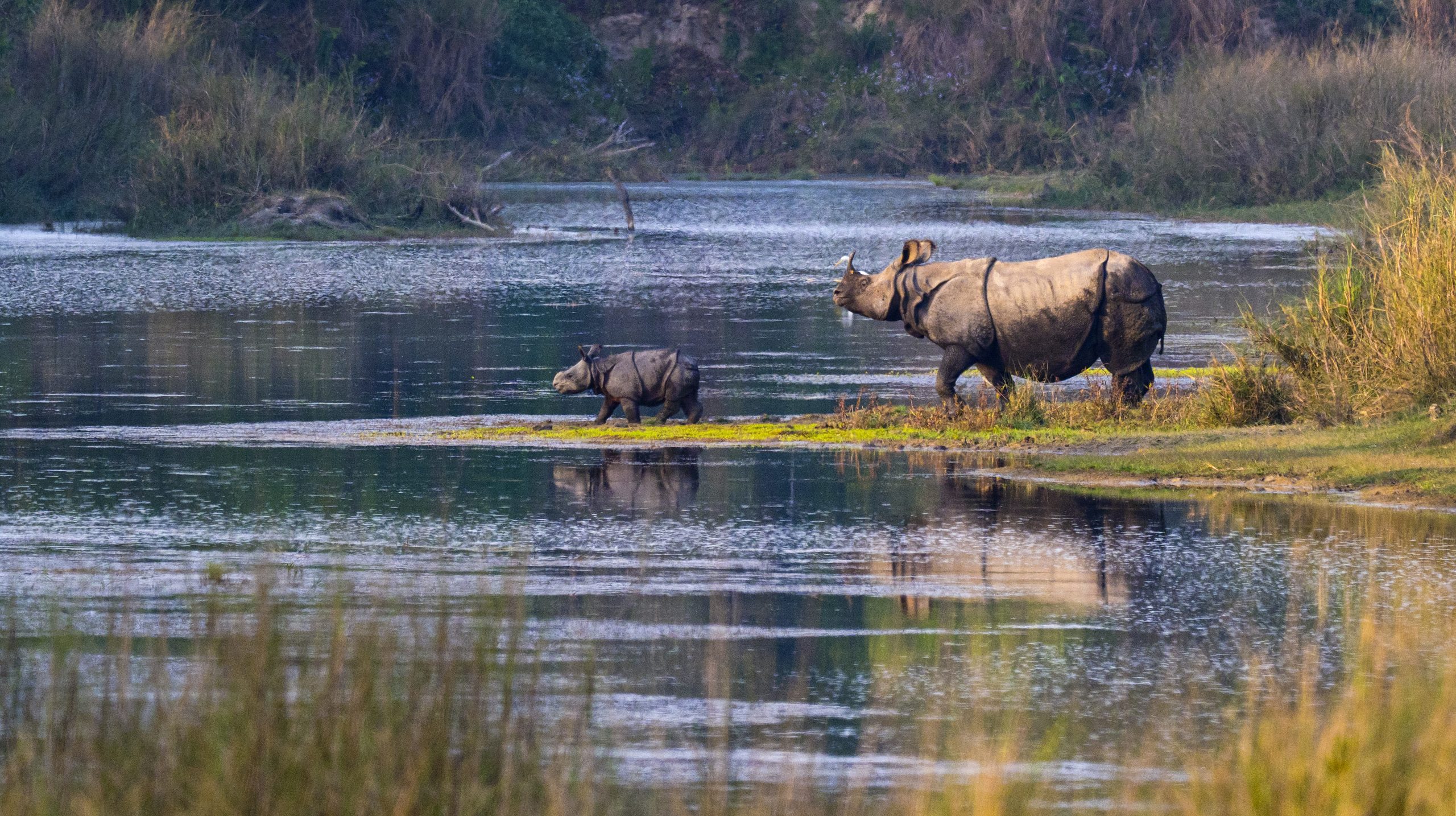
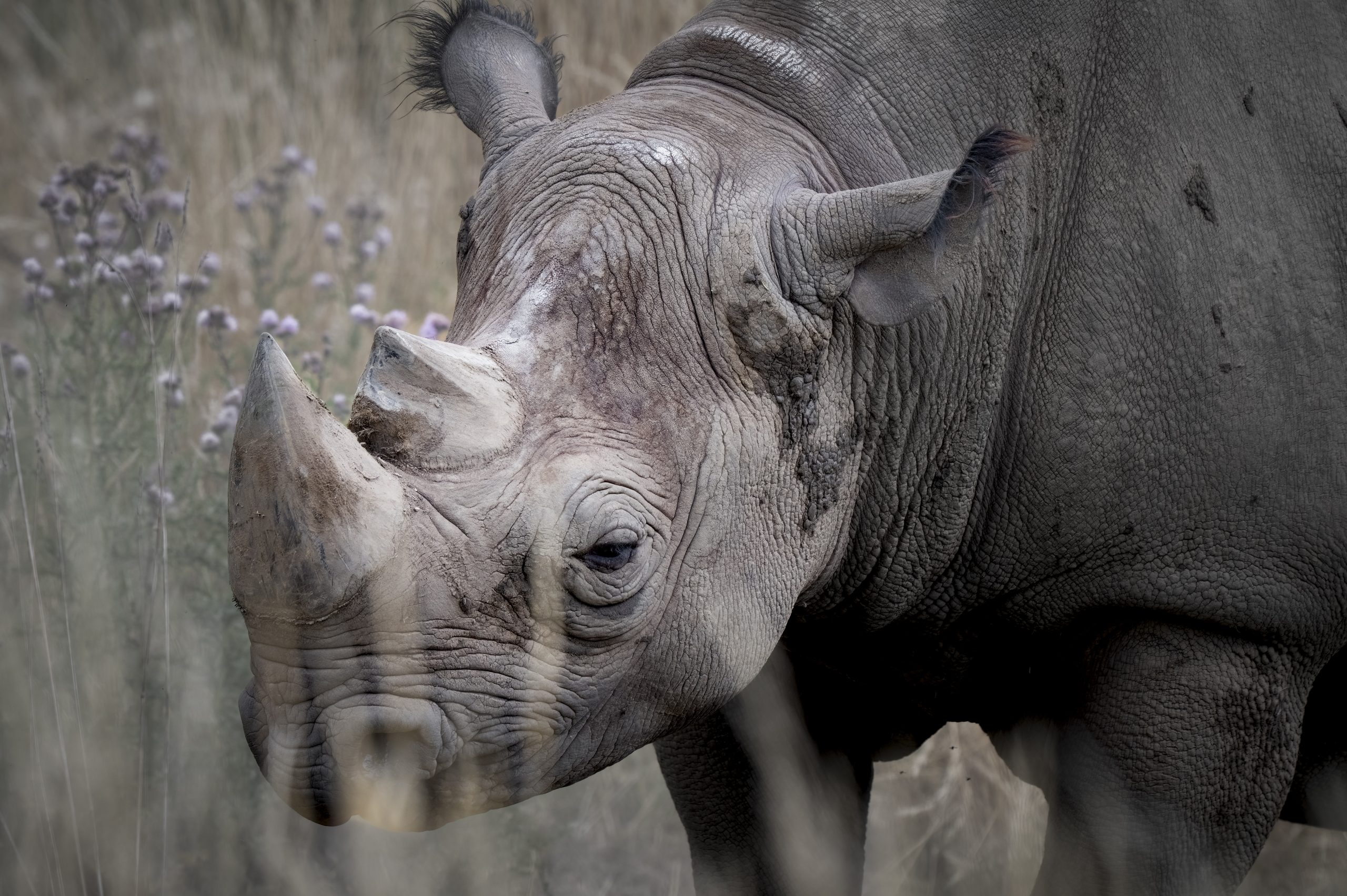
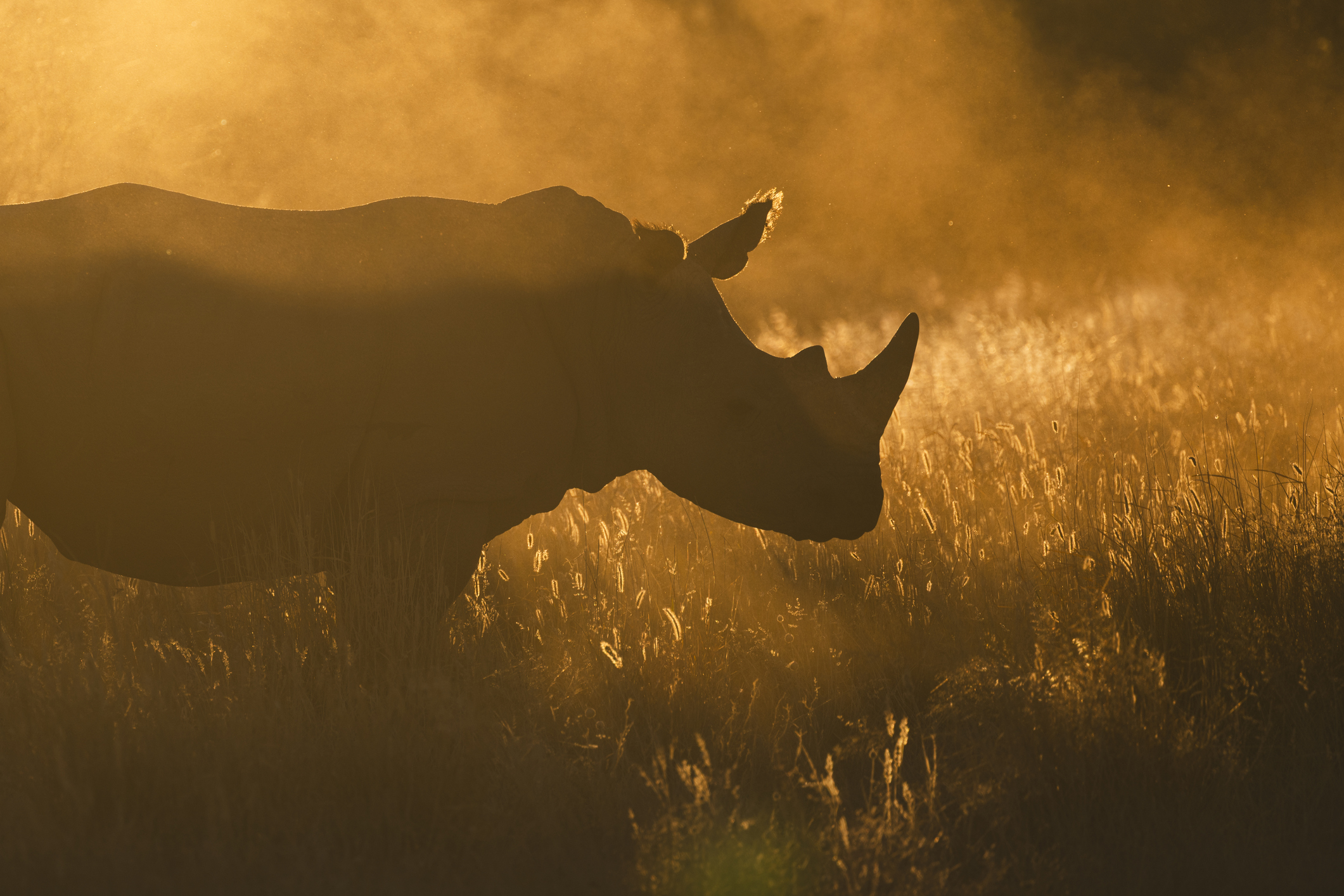
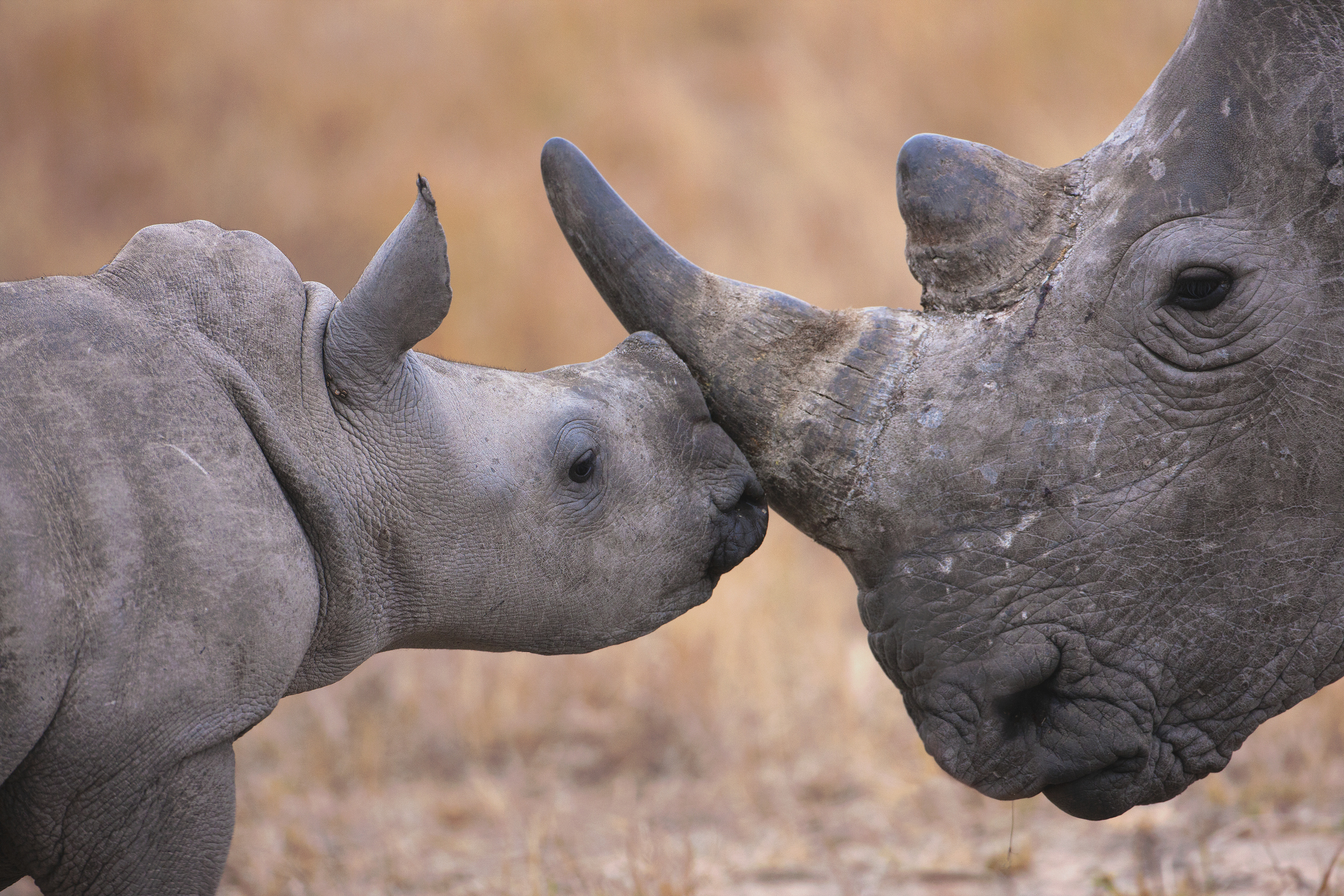
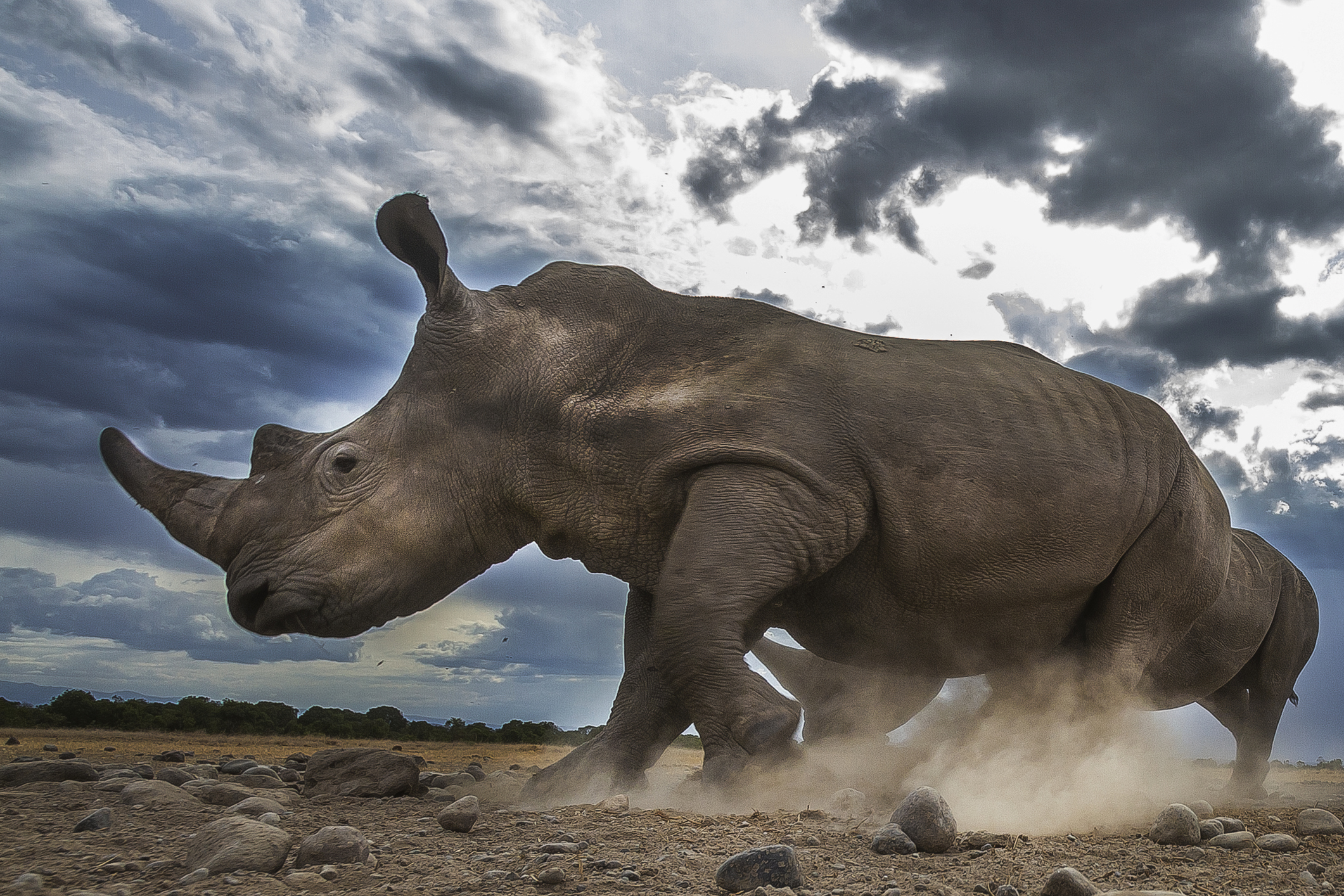
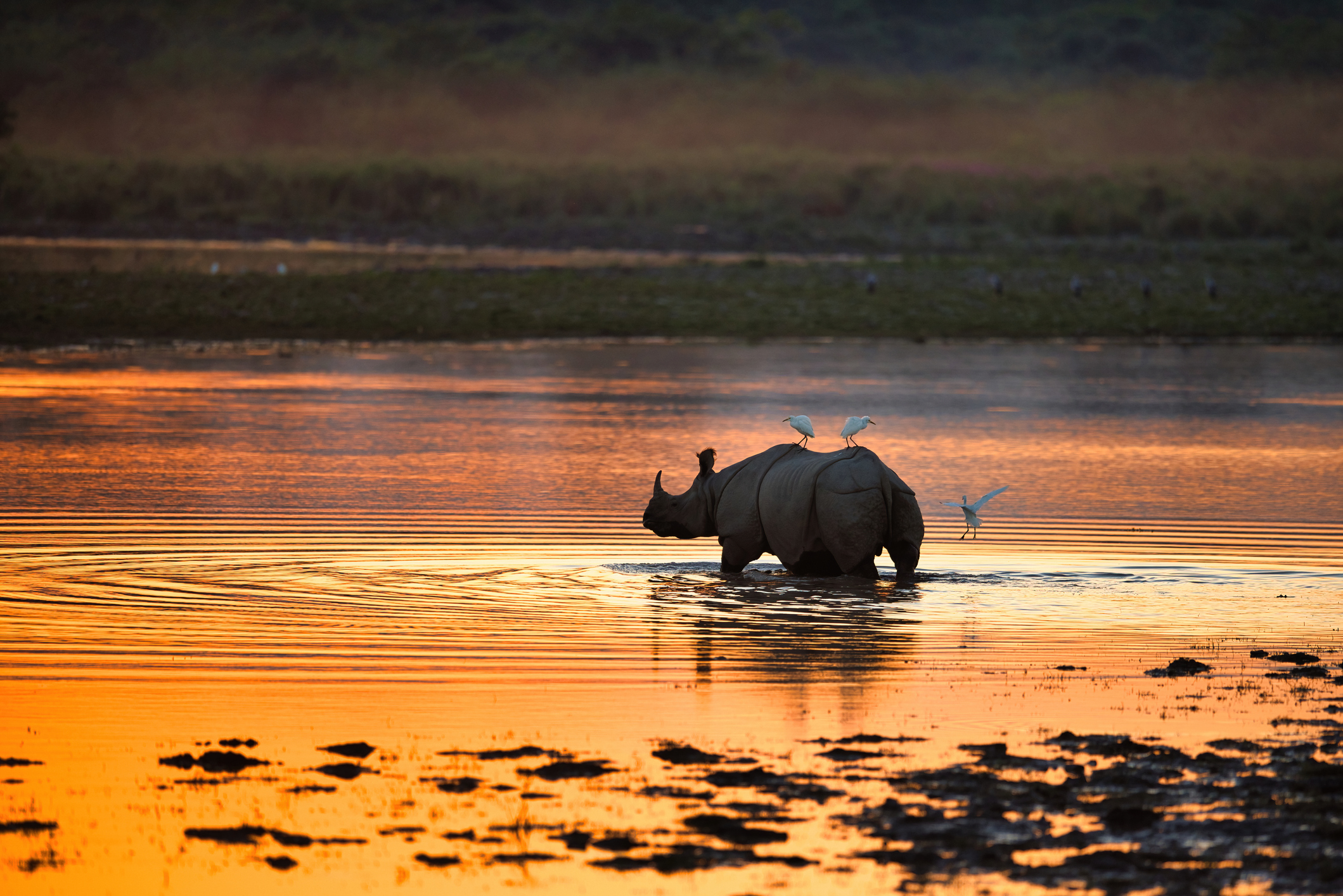
Two white rhinoceroses (Ceratotherium simum) engaged in fighting in Kenya. Credit: MDong via GettyThe Sumatran rhinoceros is the closest living relative to prehistoric woolly rhinos of the last ice age. They are the smallest species of rhino – and the hairiest. Credit: Merupik Rupik via GettyThe greater one-horned rhino (or Indian rhino) is the largest living rhino species. Credit: Smithore via GettyPobitora Wildlife Sanctuary, in India, is thought to contain the highest density of greater one horned rhinos. Credit: David Talukdar via GettyJavan rhinoceroses have only one horn which is usually quite short. They are also smaller than other rhino species, standing at 1.4-1.7 metres tall. Credit: Toby Nowlan via GettyGreater one-horned rhinoceros are generally solitary, but will commune for wallowing before separating again. Credit: Al Carrera via GettyBlack rhinos have two horns, but are smaller than white rhinos. Credit: Ian Fox via GettyMore than a third of Africa's black rhino population lives in Namibia. Credit: Marco Bottigelli via GettyRhino calves stay with their mothers until they are 2-4 years old. Credit: Martin Harvey via GettyBlack rhinos snort to express anger and make sneeze-like sounds when they sense danger Credit: Manoj Shah via GettyResearchers have discovered that oxpeckers may help alert rhinos to predators. Credit: WLDavies via GettyA greater one horned rhinoceros in Kaziranga National Park in India. Credit: Abhishek Singh via GettyThe Ol Pejeta Conservancy is believed to have the largest rhino population in Kenya. Credit: Jonas Stenqvist via Getty
Daisy is a journalist and writer with 20 years of experience working on titles including the Telegraph, Time Out London, WhatsOnStage, Gardens Illustrated, the Guardian and Ambit Magazine. Her passions are wildlife, gardens and the arts and loves it best when those things intersect.