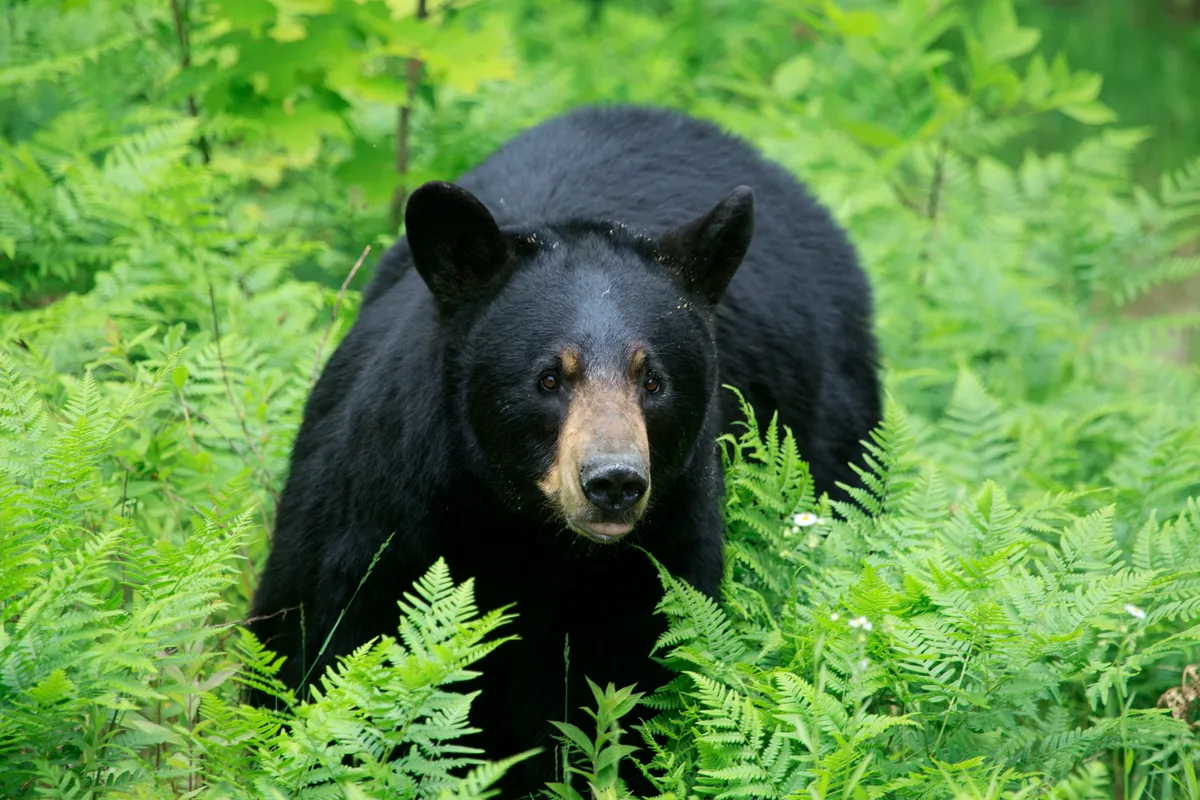
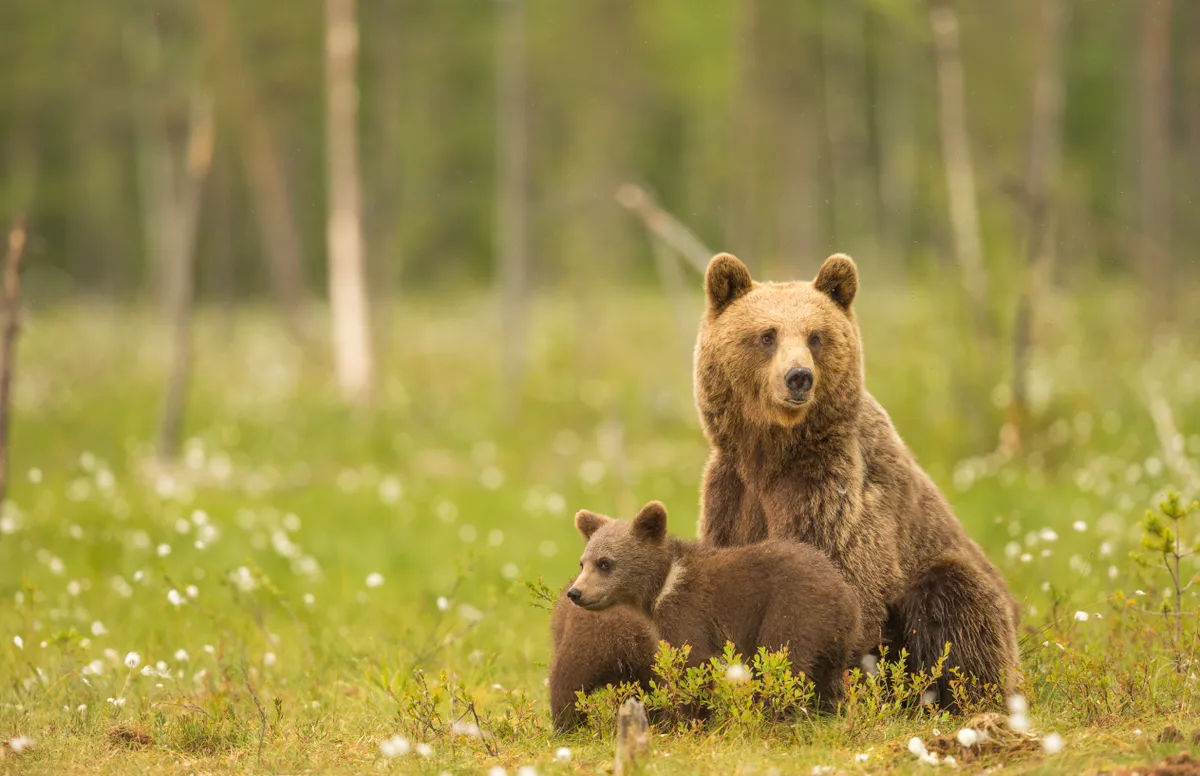
It looks like a bumbling, cuddly teddy bear. It eats mainly tiny ants and termites and a bit of fruit. So it can’t be deadly to anything else, right?
Wrong. Sloth bears have a nasty habit of going on an explosive attack if they’re startled and using their sharp claws to rake down the front of their victims, ripping off their faces and gouging out their eyes. If that’s not enough to scare off the unexpected intruder, they follow up with deep bites from their long incisor teeth.
They won’t hesitate to go head to head with anything, even a tiger, making them the most aggressive animals living in India, Sri Lanka and Nepal when it comes to defending themselves.
Soft and vulnerable humans had better beware this bear!
- "They are designed for ripping apart blubbery seals, so they will make short work of our puny bodies:" The 10 deadliest bears on the planet
- How to avoid a bear attack – information that could save your life
Why are they called sloth bears?
Sloth bears got their name from early European explorers to their Indian subcontinent home because they thought their front paws looked like the arms of a three-toed sloth – although the bears actually have five toes.
What do sloth bears look like?
Sloth bears have shaggy black or dark brown fur, a pale snout, and a distinctive white or cream -coloured patch on their chest. They They have long, curved claws and slightly rounded back, giving them a hunched appearance.
The bears’ thick black coats insulate them from the cold at higher altitudes and their skin from the sun in hotter areas. Being hairy also cushions their bodies from attacks by some of the big cats in the region and from insect stings.
They have long bottom lips and a gap in their top front teeth so they can fasten their mouthsover an ant nest and suck up the insects, making loud slurpy noises.
They are the only bear species to have long hair on their ears.
Young cubs ride on their mother’s back, using their claws to hang on to her shaggy coat, another characteristic that likens them to true sloths.

- What is the biggest bear in the world? Clue: it towers overs humans and weighs almost a tonne
- These are the world’s smallest (and adorable) bear species – and no, you still can’t cuddle them
What do sloth bears eat?
They are unique in the bear world for relying almost entirely on insects as their main food source, although they do supplement these meals from time to time by foraging for fruit, sugar cane, honey, the petals of some flowering trees and by raiding bird’s nests for eggs.
They can close off their nostrils so they don’t inhale a lot of dust as they are hoovering up the termites.
They have an excellent sense of smell – so much so they can sniff out ants even if their colony is deep underground.
How big are sloth bears?
For animals that exist on a diet of such small things, they are quite sizable, about 1.4-1.9m (4-6ft) long, although the Sri Lankan sloth bear is slightly smaller than the Indian.
They are very strong and fast-moving and use their height to dominate a would-be attacker, standing up on their hind legs and presenting those razor-sharp claws.
Are sloth bears dangerous to humans?

Although they can be formidable weapons, the chunky claws are mostly used to dig out termite nests where the mud has set like concrete. Although the description you’ve just read makes them sound terrifying, sloth bears would actually rather avoid any contact with humans, cats and even any other bears.
Killing is not their aim, they just want to be left alone. They live solitary lives, seeking food mainly at night. They hide in caves, under rocky overhangs and dense undergrowth during the heat of the day and only come together to mate and rear cubs.
How fast are sloth bears?
They have a shambling, clumsy walk, putting their feet down in a flapping way, as if they were wearing flipflops. But they can lope along faster than humans can run.
How can humans stay safe from sloth bears?
Farmers in sloth bear territories will carry a stick with blunt prongs on the end and hanging with little bells, called a ghanti kathi in Hindi. Ringing the bells will alert the bears to the presence of another creature on their patch, giving them the chance to move away. If that advance warning fails, then the prongs will hopefully fend off the deadly claws without hurting the bear.
Are sloth bears at risk?
Sloth bears are valued for their forest management, keeping down rampant populations of termites and dispersing seeds through their dung as they forage. They also add to the thrill of visitors to a local nature reserve and so contribute to the country’s tourism economy.
However, they have lost much of their ancestral forest habitats to farming, logging and urban expansion, so they are classed as Vulnerable on the IUCN Red List, with populations deceasing.
Consequently, sloth bears are protected by law in India. Conservation education projects help dispel local opposition to the animals by equipping villagers with ways to prevent conflict.Reforestation move in parts of the country provide the bears with new living spaces away from human habitation.