
Here are the marine species to watch out for in the Mediterranean Sea, how concerned you should be and ways to treat stings
Many people feel nervous when looking out to sea, wondering “what’s underneath those waves?” From sharks and rays to venomous critters and stinging jellyfish, there are many species that can – in theory – harm humans if we get on the wrong side of them.
But how dangerous are the animals lurking in the Mediterranean Sea and should we need to worry about the risk? Here’s everything you need to know.
- Strongest bites on the planet: For many animals their jaws are their deadliest weapons - able to pierce skulls, crack bone and crush prey
- Deadliest bites on the planet: These animals crush, slice or inject their victims, drain their blood or dismantle them piece by piece
The Mediterranean’s most dangerous marine animals
Great white shark
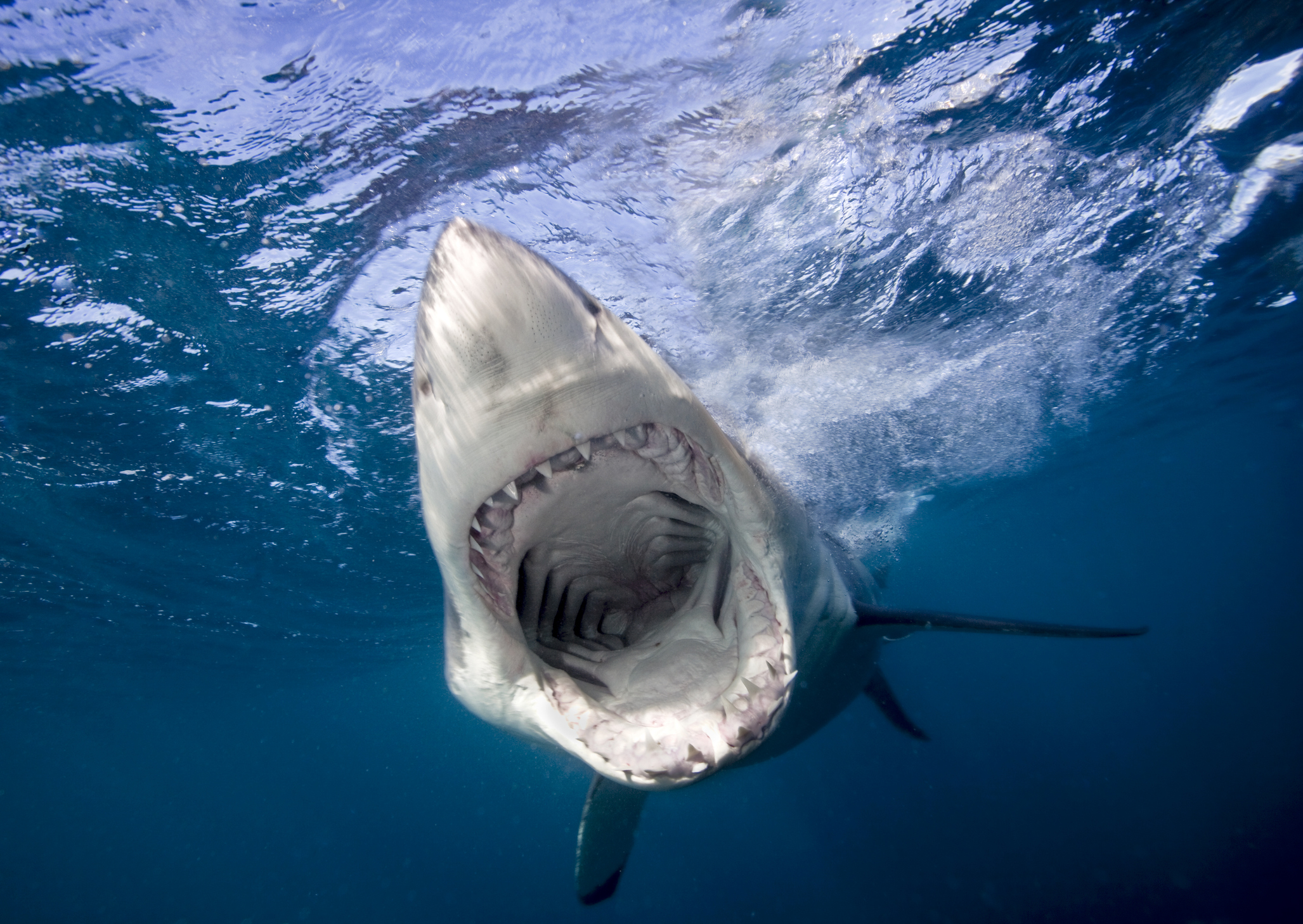
The Med might not be the first place you’d expect to see Jaws but there are great white sharks in the Mediterranean, scientists say.
- Are there any great white sharks in the Mediterranean?
- A population of white sharks is hiding in the Mediterranean Sea – and scientists are desperate to find them. Here’s why
Great whites are probably the best known predatory sharks (thanks, Jaws) – and one of the “big three” species most likely to harm a human, alongside bull and tiger sharks – but the chances of a negative encounter with a white shark, in the Med or elsewhere, is incredibly low.
Globally, there were just 65 unprovoked bites and 29 provoked bites (from all species) around the world in 2025, according to data from the International Shark Attack File.
Even though white sharks inhabit these waters, this critically endangered population is extremely rare so there’s very little need to worry about being bitten. Even the researchers actively looking for them are struggling to find these elusive sharks.
- Can any animals kill a great white shark?
- 8 brutal, jaw-dropping great white shark moments captured in photos and film that expose their raw, explosive power and deadly ferocity
Shortfin mako
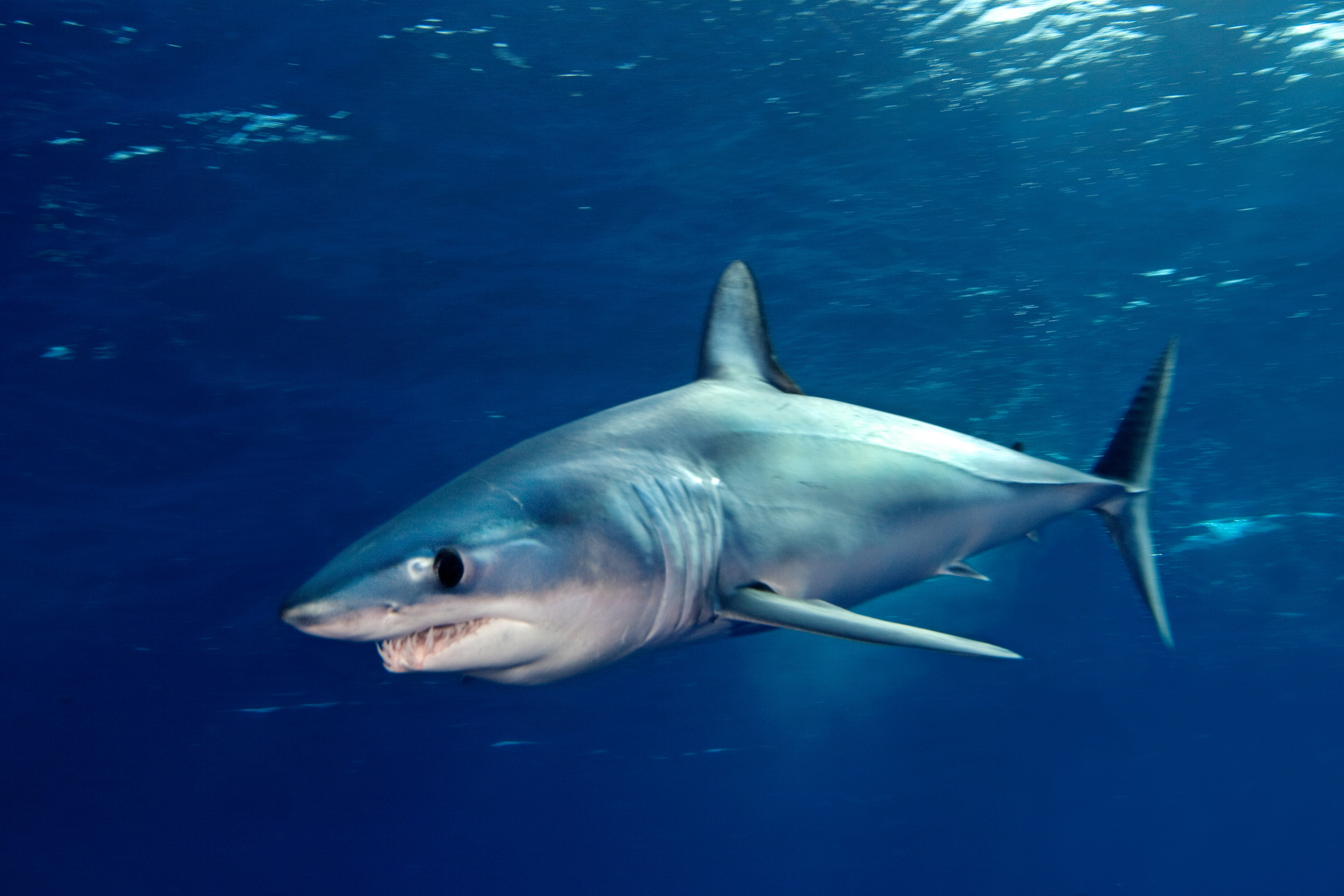
https://www.discoverwildlife.com/animal-facts/fish/whats-the-fastest-shark-in-the-worldAnother species found in the Mediterranean is the world’s fastest shark: the shortfin mako. These powerful, fast-moving sharks can tear through the water at speeds of up to 43 miles per hour when chasing their prey. Thankfully for humans, they prefer to eat bony fish, cephalopods, squid and small cetaceans. There are just 10 unprovoked attacks on humans, including one fatality, on record.
Often caught as bycatch, shortfin makos are considered critically endangered in the Mediterranean Sea so should be much more afraid of us than we are of them.
Mauve stinger
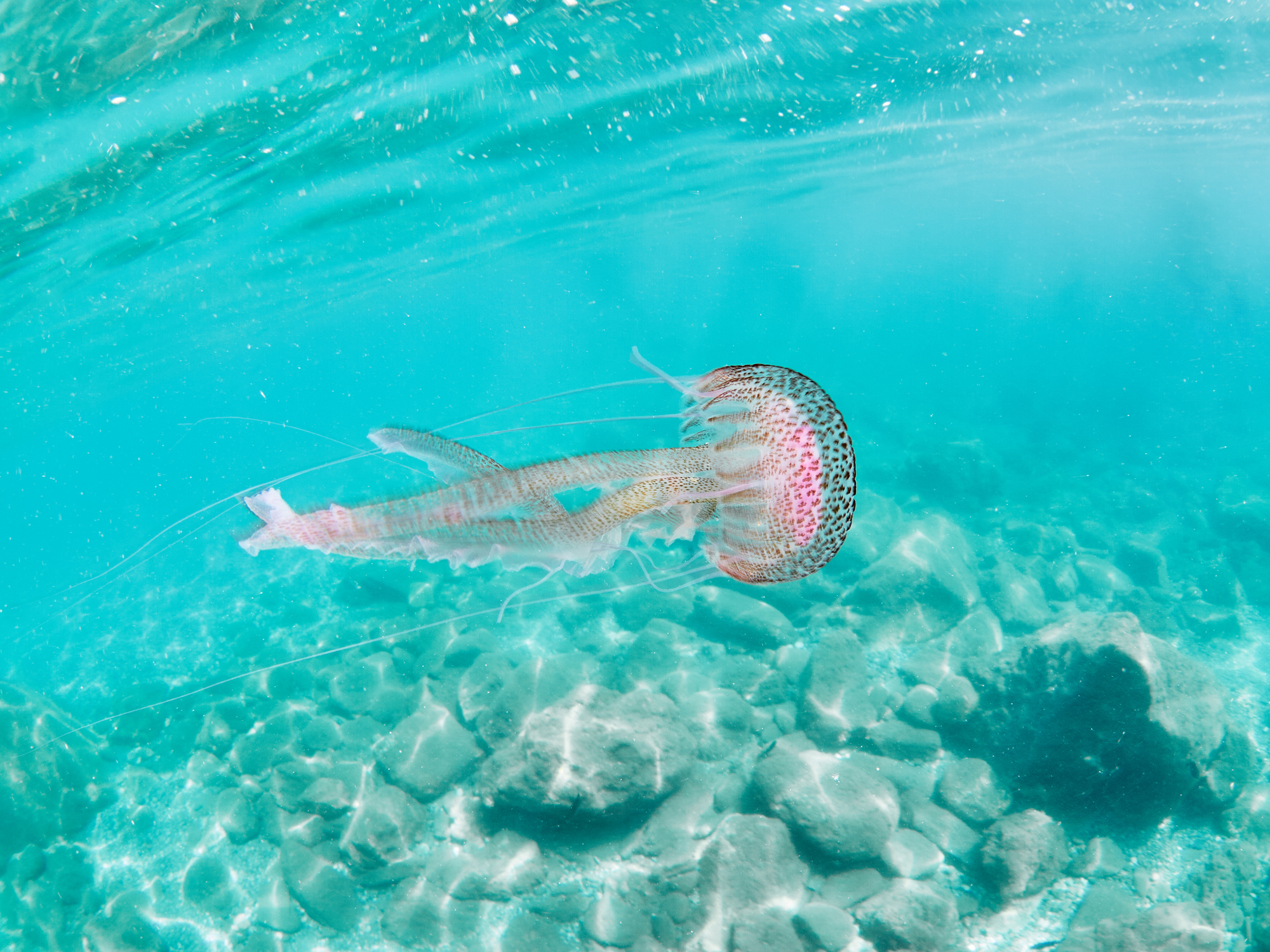
Rather than keeping an eye on the water for the tell-tale sign of a shark fin, swimmers might be better to look out for clouds of purple floating through the water: mauve stingers. Swarms of these toxic jellyfish are known to erupt in the Mediterranean and their stings can be intensely painful.
Although they are believed to be the most venomous jelly in the Med, mauve stingers aren’t deadly. If stung, you might experience pain, blisters and nausea among other symptoms.
To treat the sting, don’t pee on it (that’s a myth)! Instead, rinse the affected area with seawater (not freshwater), being sure to remove any visible tentacles, then wash it with vinegar or hot water. If there’s a lifeguard nearby, go and ask them for assistance.
Weever fish
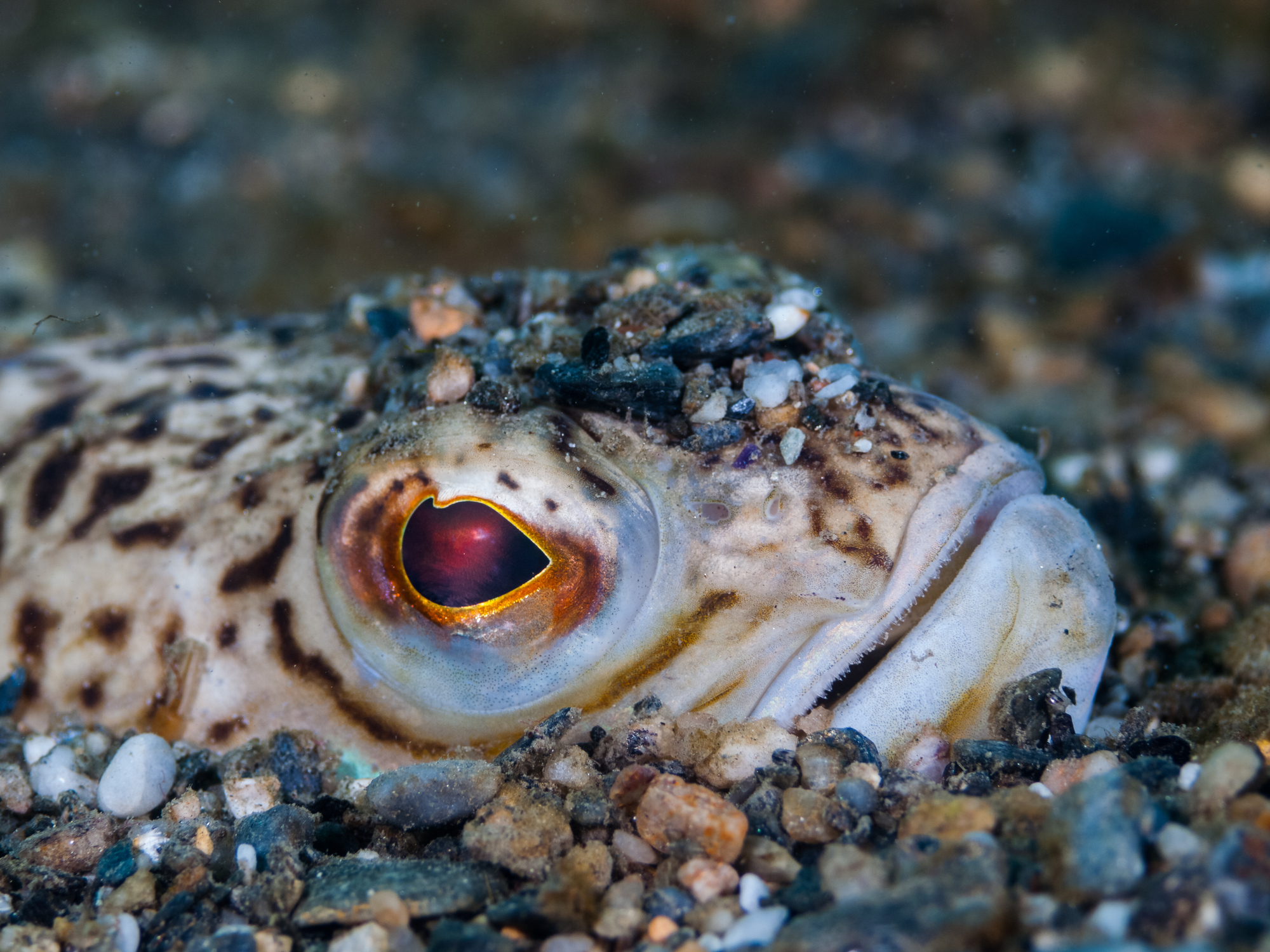
Another creature that might ruin your day, particularly during summer, is the venomous weever fish. These little ambush predators bury themselves in the sand in the shallows at low tide and wait for their prey. Unfortunately for us – and them – this can put them in the way of tourists’ unsuspecting feet. Accidentally stomp on their venomous dorsal spines, which they use for self-defence, and it’s going to hurt.
As long as you’re not allergic, weever fish stings aren’t fatal but expect pain, swelling and numbness after a sting. Or it’s simple enough to prevent a sting: wear beach shoes.
Stonefish
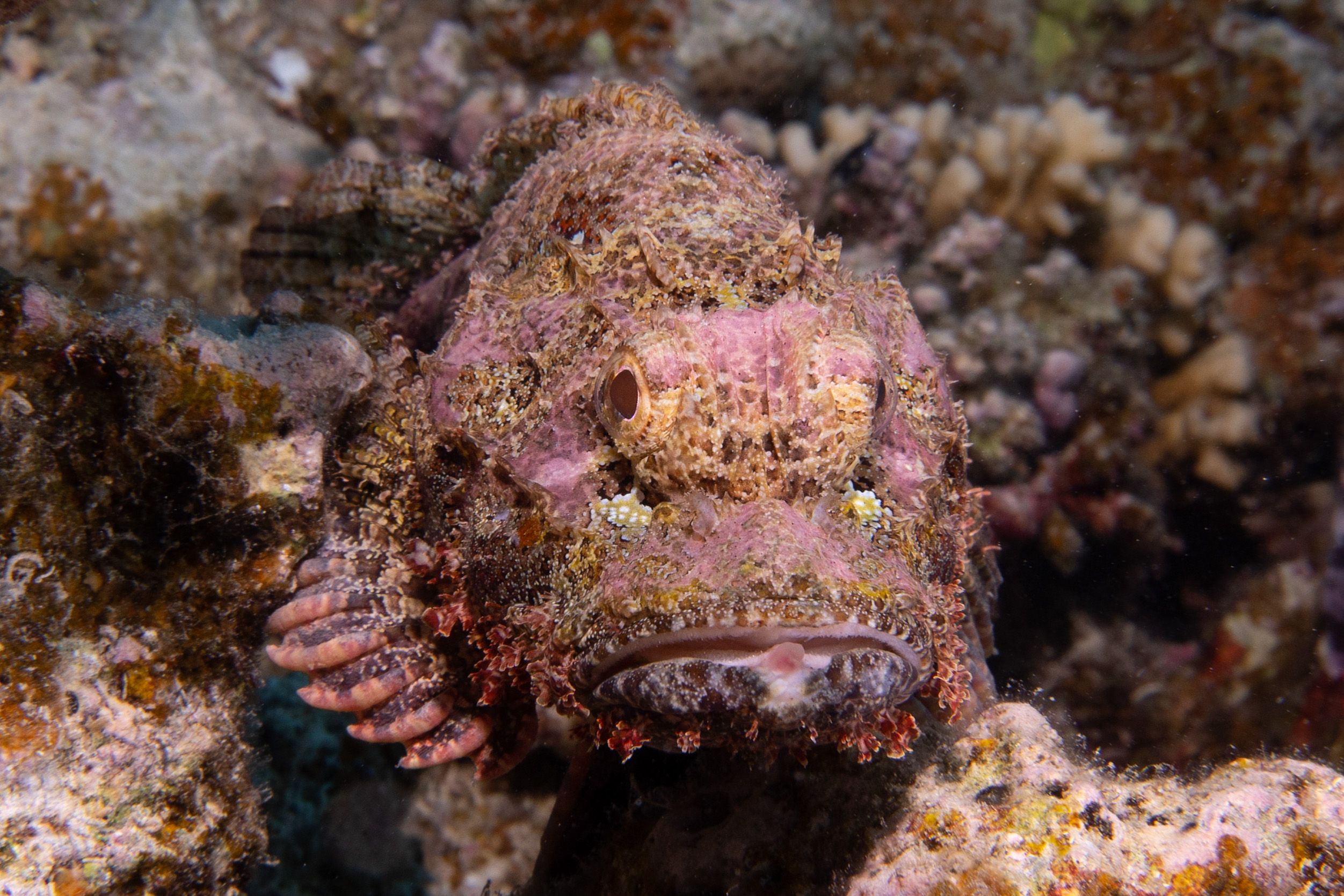
Another troublemaker you might not see until it’s too late is the stonefish. These venomous fish have excellent camouflage so it can be hard to spot them against the reef or rock. If you do pick them out, they look like grumpy lumps of stone – hence the name – with comically downturned mouths. Their dorsal spines can release venom as a form of self-defence: it’s these that will cause you problems if you touch, kick or step on one by accident.
Stonefish aren’t native to the Mediterranean Sea but some have made their way here from the Indo-Pacific. They were first recorded in the region in 2010. Although there haven’t been any stonefish-related injuries reported in the Med, if the population continues to grow it could be a matter of time before someone gets on the wrong side of these toxic fish.
Lionfish
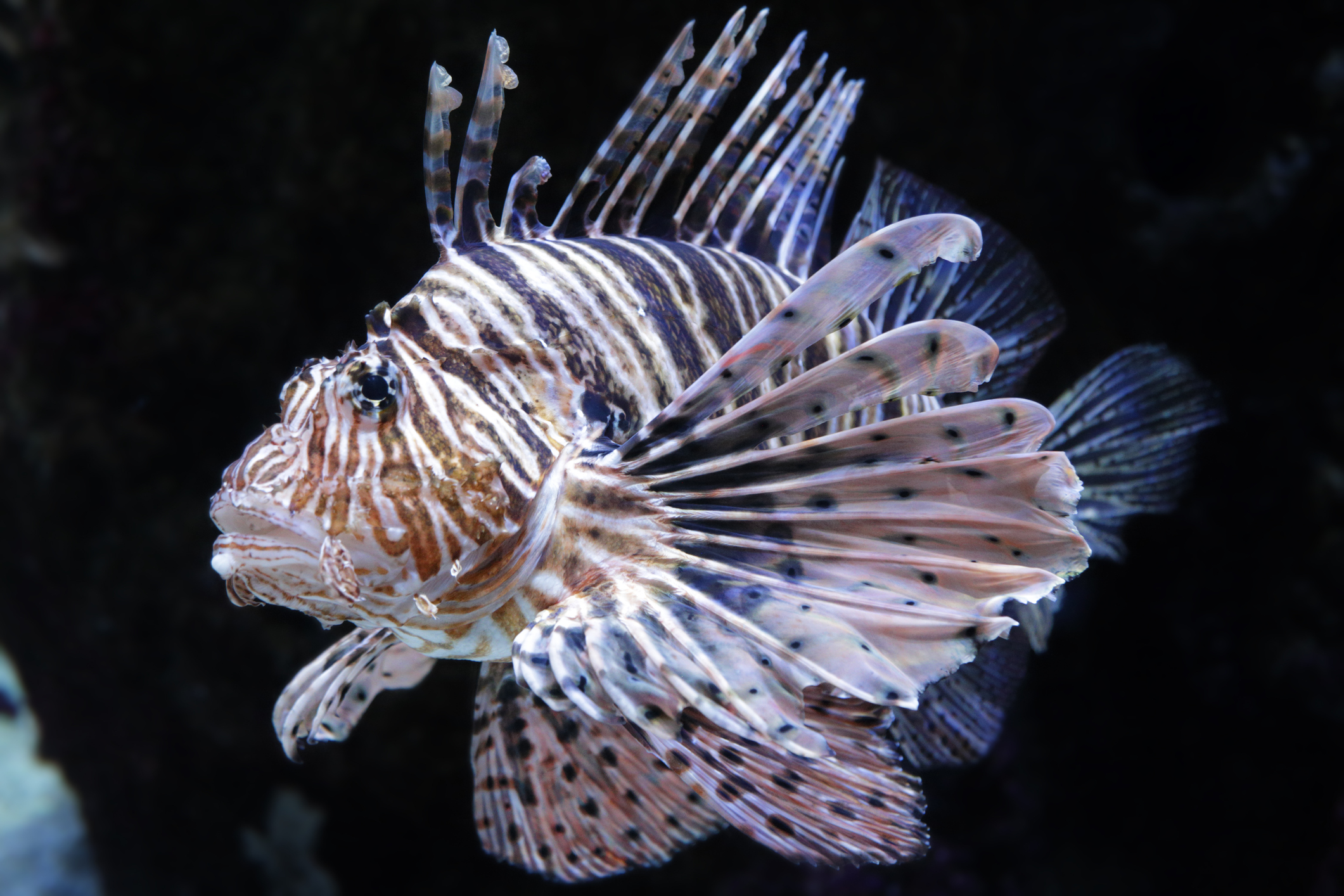
Like stonefish, lionfish don’t originate from the Mediterranean but, since establishing themselves, the spreading population is causing problems. Here, lionfish have no natural predators so numbers are booming and they’re gobbling up the native fish.
- Venomous lionfish are invading the Mediterranean Sea. The rise of these deadly predators has scientists worried
- This beautiful, flamboyant predator has a deadly, venomous streak...
They also add another venomous fish to the list of ones to watch out for in the Med, although at least their flamboyant, colourful fins make them much easier to see.
Lionfish defend themselves by injecting venom using their dorsal, anal and pelvic fins. A sting is rarely deadly but, if someone gets stung, administer treatment quickly to minimise the pain as much as possible. Lionfish stings should be treated in a similar way to jellyfish stings: vinegar won’t work but soaking the wound in hot water (being careful not to scald the patient) should neutralise the venom.
Stingray
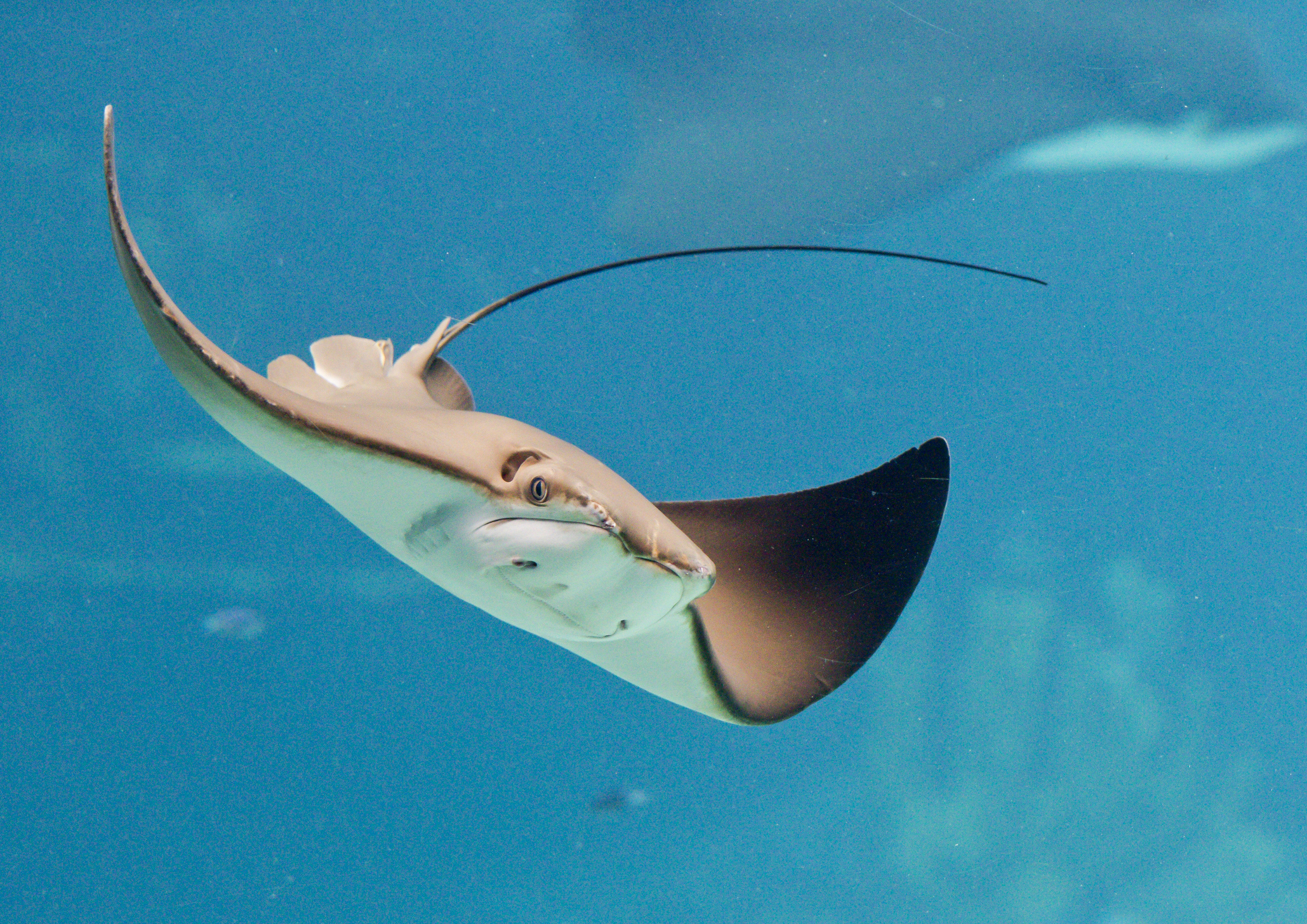
Several species of stingray call the Mediterranean Sea their home but this is no reason for alarm. Although these rays have a venomous barb on their tail – poised to defend themselves if they need to – they rarely use them on humans.
You’re most likely to be at risk of a sting if you step on one by accident while it is hiding, buried in the sand. The best way to prevent this is to do the “stingray shuffle” when walking in the shallows: rather than picking your feet up as you walk, slide them along the floor as if you’re roller skating. The stingrays will likely hear you coming and scramble out of the way. If they don’t, you can’t accidentally step on a barb if you haven’t lifted your foot up from the sand. Genius.
Portuguese Man’o-war
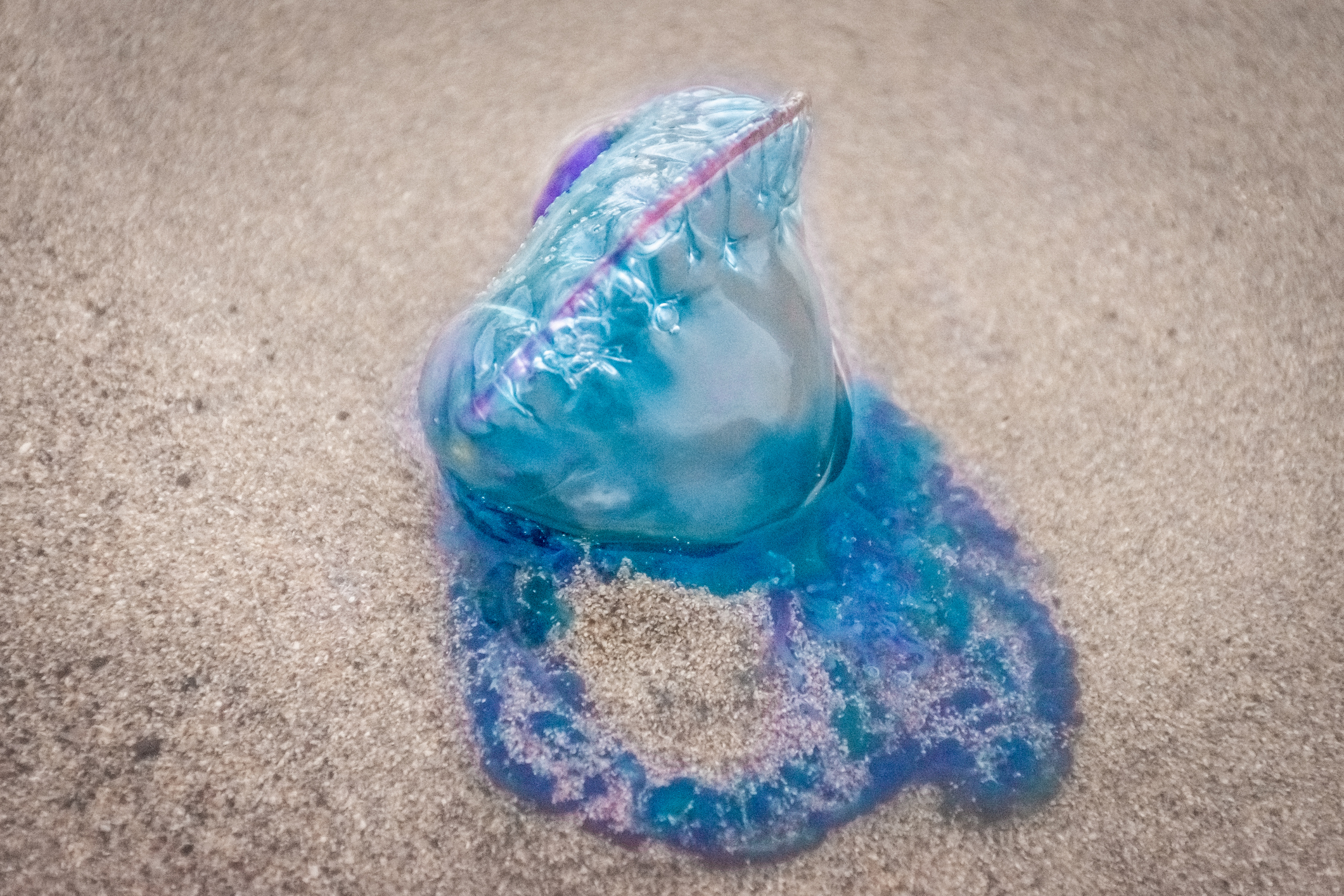
Another famously venomous animal – the Portuguese man of war – can also sometimes be found in the Mediterranean. Although their trailing tentacles make them look like jellyfish, these colonial organisms are made up of different polyps all working together.
- What is a Portuguese man of war? This is why they aren't jellyfish...
- 5 animals that can kill you without touching you – or at least cause serious harm...
Stings aren’t to be taken lightly – pain and symptoms such as fever, vomiting, cramps and shortness of breath can last for several days – but are rarely fatal.
Be careful though, Portuguese men of war can still deliver a sting after they’ve died: so, avoid any tentacles that have washed up on the beach as they could still do you an injury.


