
Along with whales, dolphins and porpoises are known as cetaceans. While they share many similarities, such as high intelligence and sleek marine adaptations, these two groups have distinct differences in their size, shape and behaviour.
There are around 40 extant species of dolphins, but only six or seven species of porpoises. Here is how to tell them apart next time you look out to sea.

Dolphins vs porpoises: what’s the difference?
Size and shape
One of the biggest differences between a dolphin and a porpoise is the size. All species of porpoise are much smaller than their dolphin cousins.
Dolphins generally have a more streamlined body, whereas porpoises are smaller and stockier.
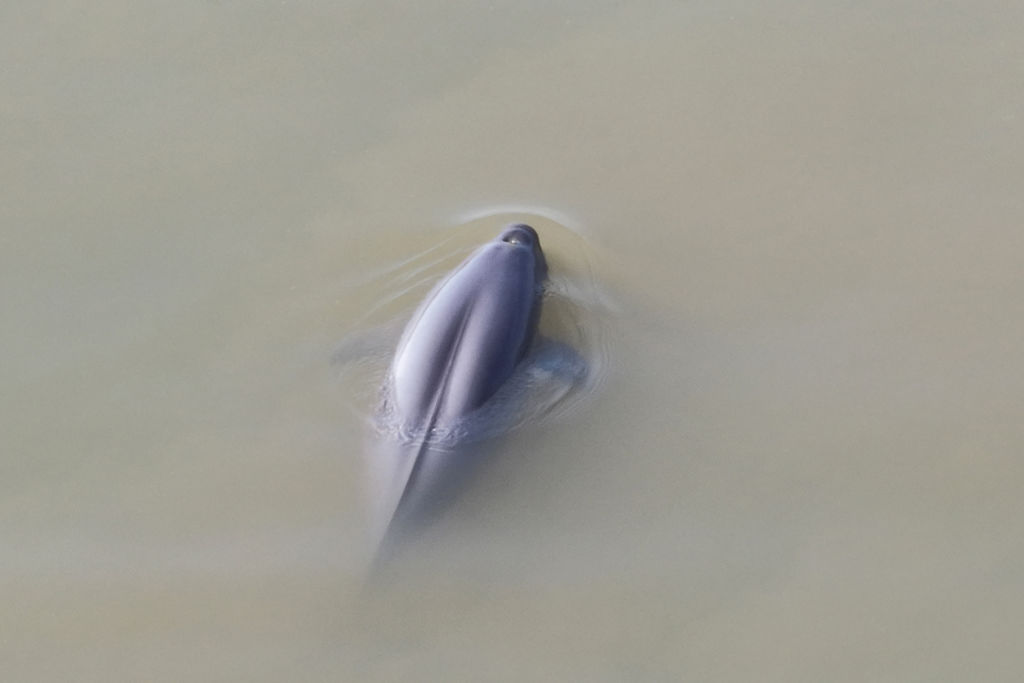
Teeth
Porpoises don't have the pronounced beak that most, but not all, dolphins have and they also have different-shaped teeth: porpoise teeth are spade-shaped, while dolphins are conical.
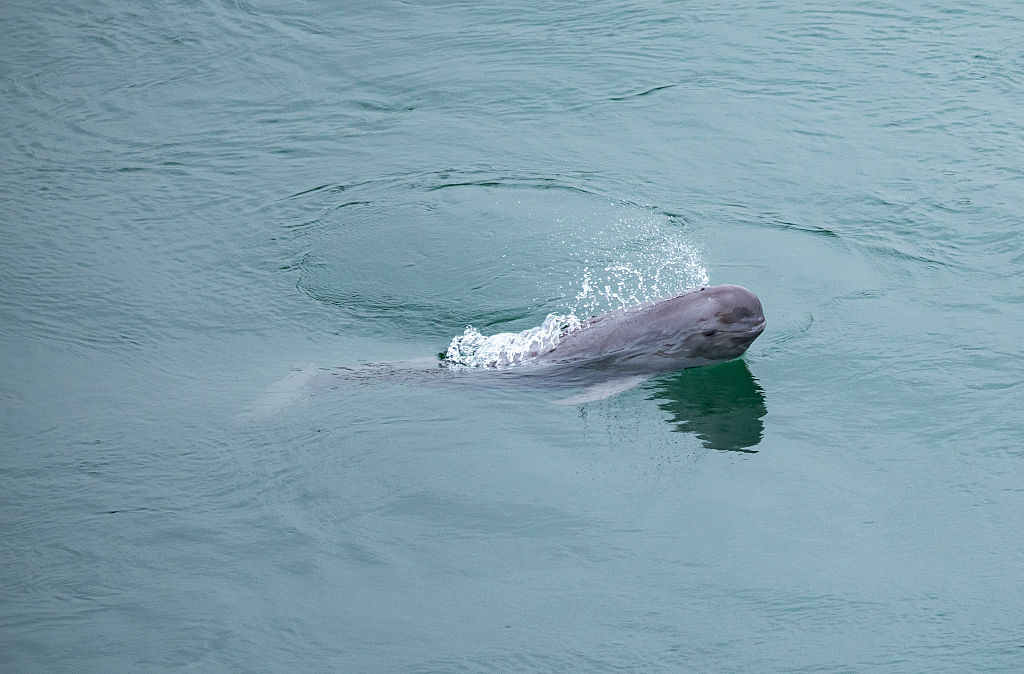
Dorsal fin
A dolphin's dorsal fin (if it has one) is hooked or curved, whereas a porpoise has a more triangular dorsal fin. Generally speaking, dolphin bodies are leaner, and porpoises’ are a little more chunky.
Sounds
Dolphins are more 'talkative' than porpoises. The whistles made by dolphins are produced through their blowholes. Although porpoises do not do this, possibly due to structural differences in their blowhole, they can still be pretty noisy as they 'puff' the air out when they surface.
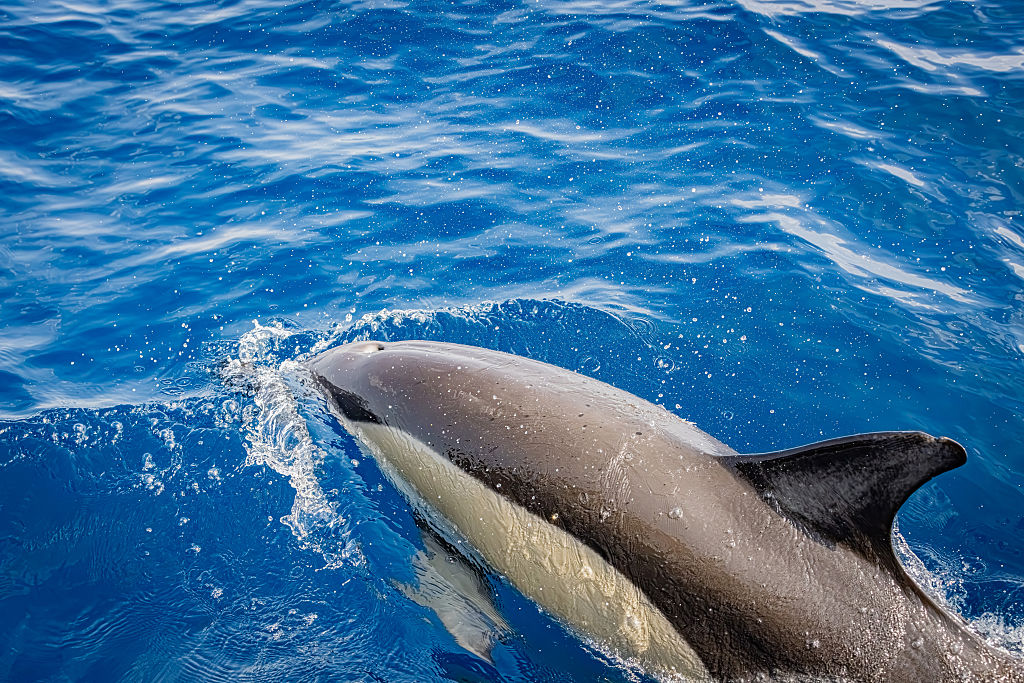
Intelligence
Dolphins and porpoises also have many similarities, one of which is their extreme intelligence. As research evolves, it is likely that more (or perhaps fewer) differences between dolphins and porpoises will be revealed.
Find out more about the difference between whales and dolphins here.

Top image: striped dolphin. Credit: izanbar/Getty Images


