Whether it’s using individual ‘names’ within their pods to passing on skills between generations, all whales and dolphins display remarkably smart behaviour – much of which we are only just beginning to understand.
- 10 smartest animals on the planet: Discover the world's cleverest creatures, including some unexpected species redefining intelligence
- What’s the most intelligent animal in the ocean?
‘Smart’ can mean a range of different things – such as problem-solving, communication, memory, social learning, cooperation or brain complexity. The experts from Whale and Dolphin Conservation (WDC) share several species of whale and dolphin that particularly stand out.
Smartest dolphins and whales in the ocean
Orcas
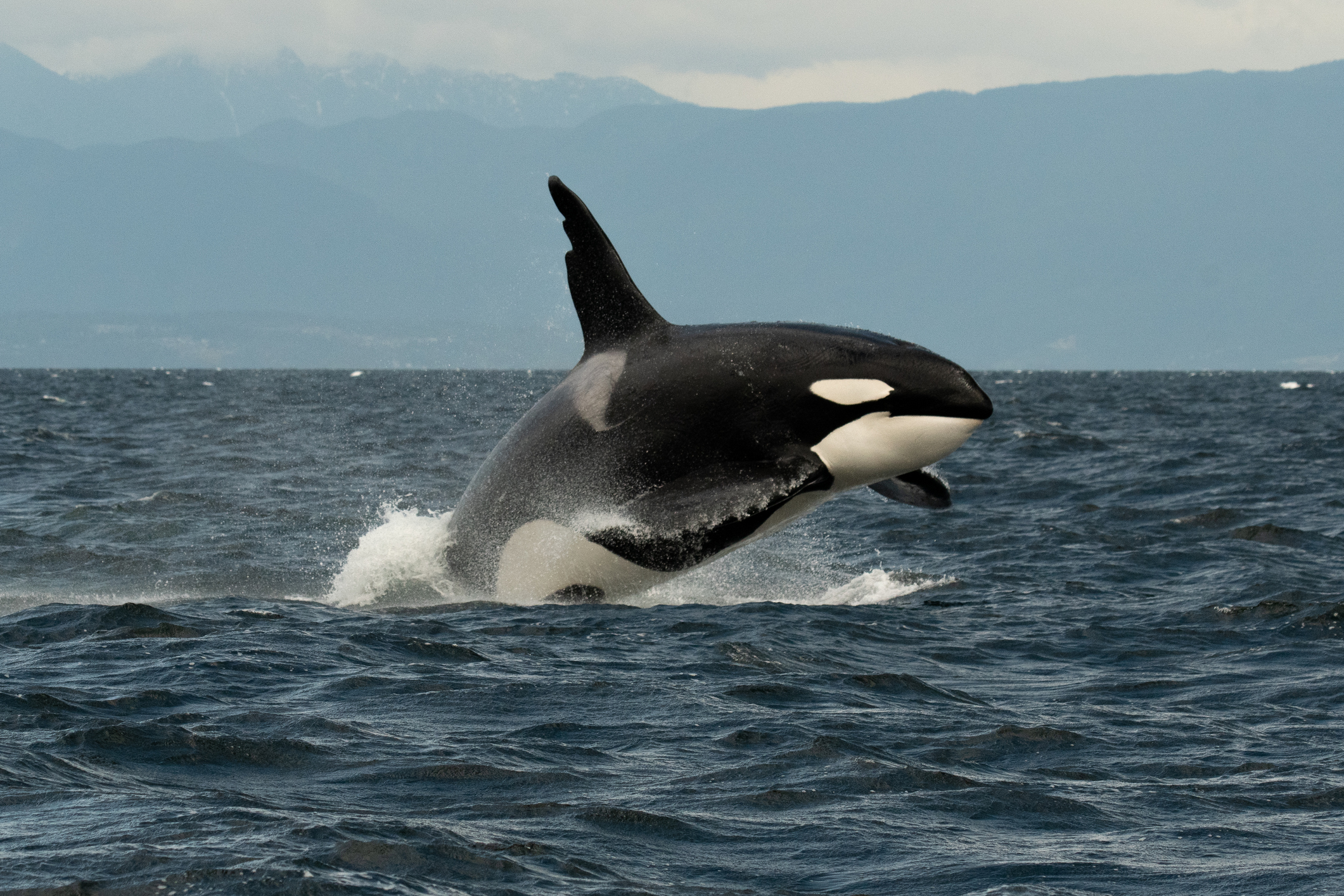
Orcas are often considered among the most cognitively sophisticated beings in the ocean.
- Complex societies: orcas live in close family groups and can maintain relationships for decades.
- Cultural traditions: different groups have distinct calls, diets and hunting techniques that are learned socially.
- Cooperative hunting: they work together to catch prey, sometimes using remarkably specialised strategies.
- Teaching: young orcas spend years learning hunting and social behaviours from older individuals.
- Large, complex brains: orcas’ brains are highly developed and contain structures associated with sophisticated social processing.
- 10 deadly, mind-blowing and simply ingenious ways whales and dolphins hunt and kill their prey – from bubble net fishing to wave washing
- Orcas filmed paralysing and eating great white sharks in the Gulf of California
Bottlenose dolphins
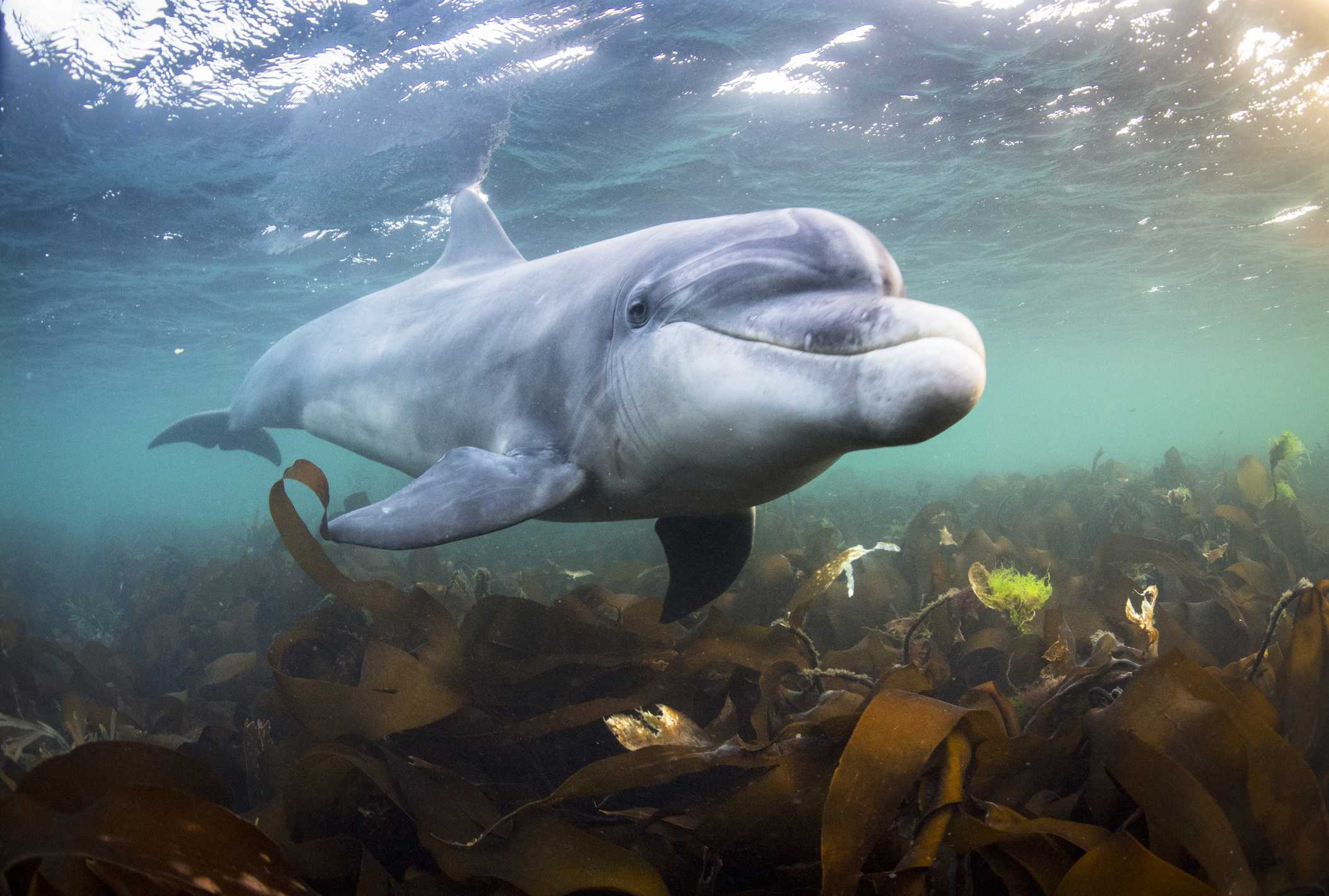
Bottlenose dolphins are probably the best-studied of all whales and dolphins when it comes to clever behaviour.
- They develop individual signature whistles, sometimes described as functioning like names.
- They can imitate sounds and learn novel behaviours.
- They demonstrate impressive memory and problem-solving abilities.
- They cooperate when hunting and can form complicated social alliances.
- Some populations have learned unusual techniques, such as using marine sponges and shells as tools while foraging.
- They have been shown to understand symbolic instructions in controlled captive experiments.
- “I can’t express to you how rare this behaviour is”: 'tail walking' dolphin filmed in California
- How do dolphins sleep?
Sperm whales
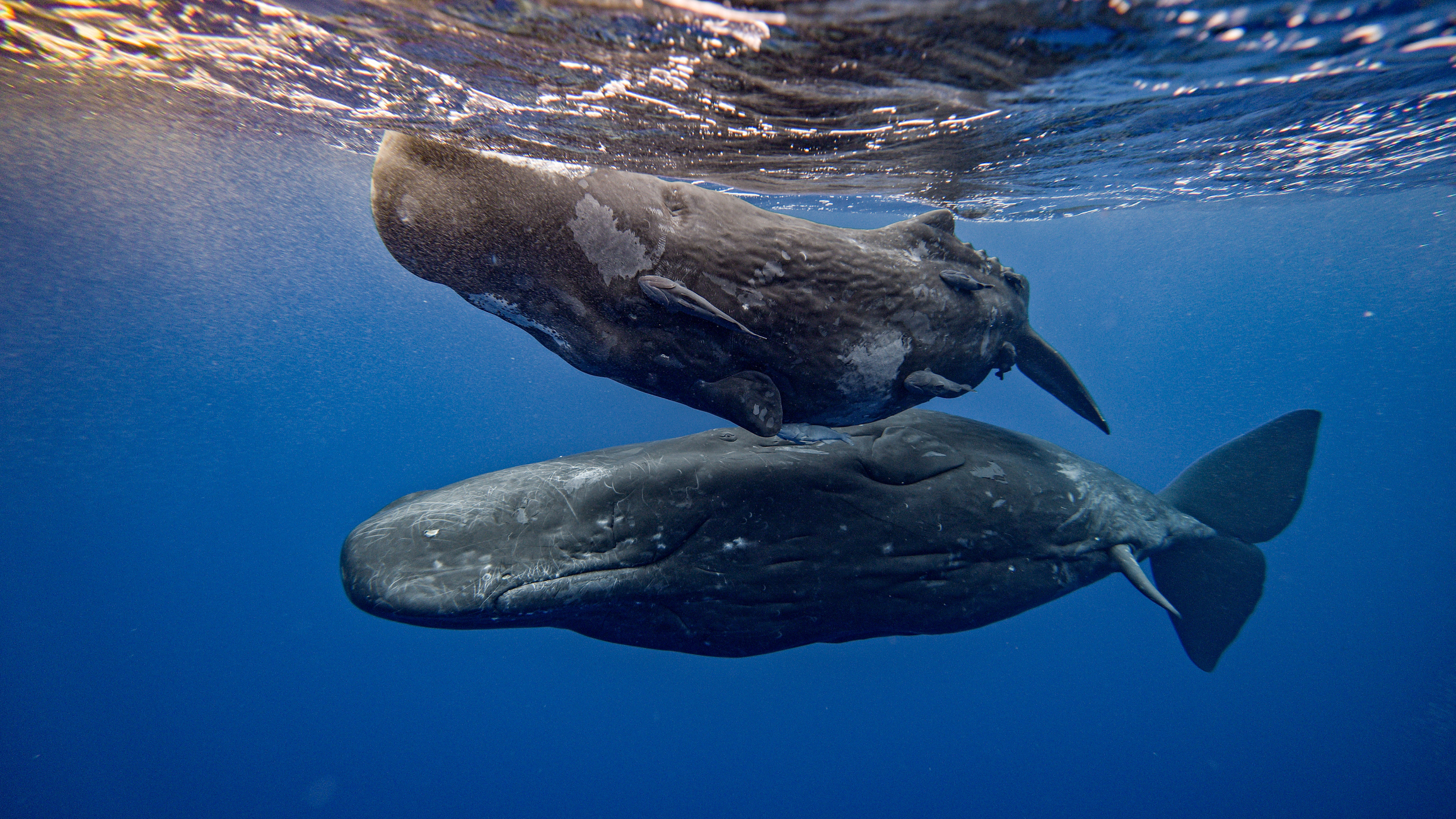
Sperm whales are fascinating because they have the largest brain of any known being on Earth.
- They communicate using patterned sequences of clicks called codas.
- Different social groups can have distinctive songs or vocal patterns.
- They live in complex social groups, particularly females and their young.
- They cooperate and communicate while travelling and foraging.
- They make extraordinary deep dives into the ocean, requiring sophisticated sensory and navigational abilities.
- Can any animals kill sperm whales?
- Sperm whales have been seen pooing on orcas in what scientists think may be a form of 'defensive defecation'
However, having the largest brain doesn’t automatically make the sperm whale the ‘smartest’. Brain size is only one part of the story.
Humpback whales
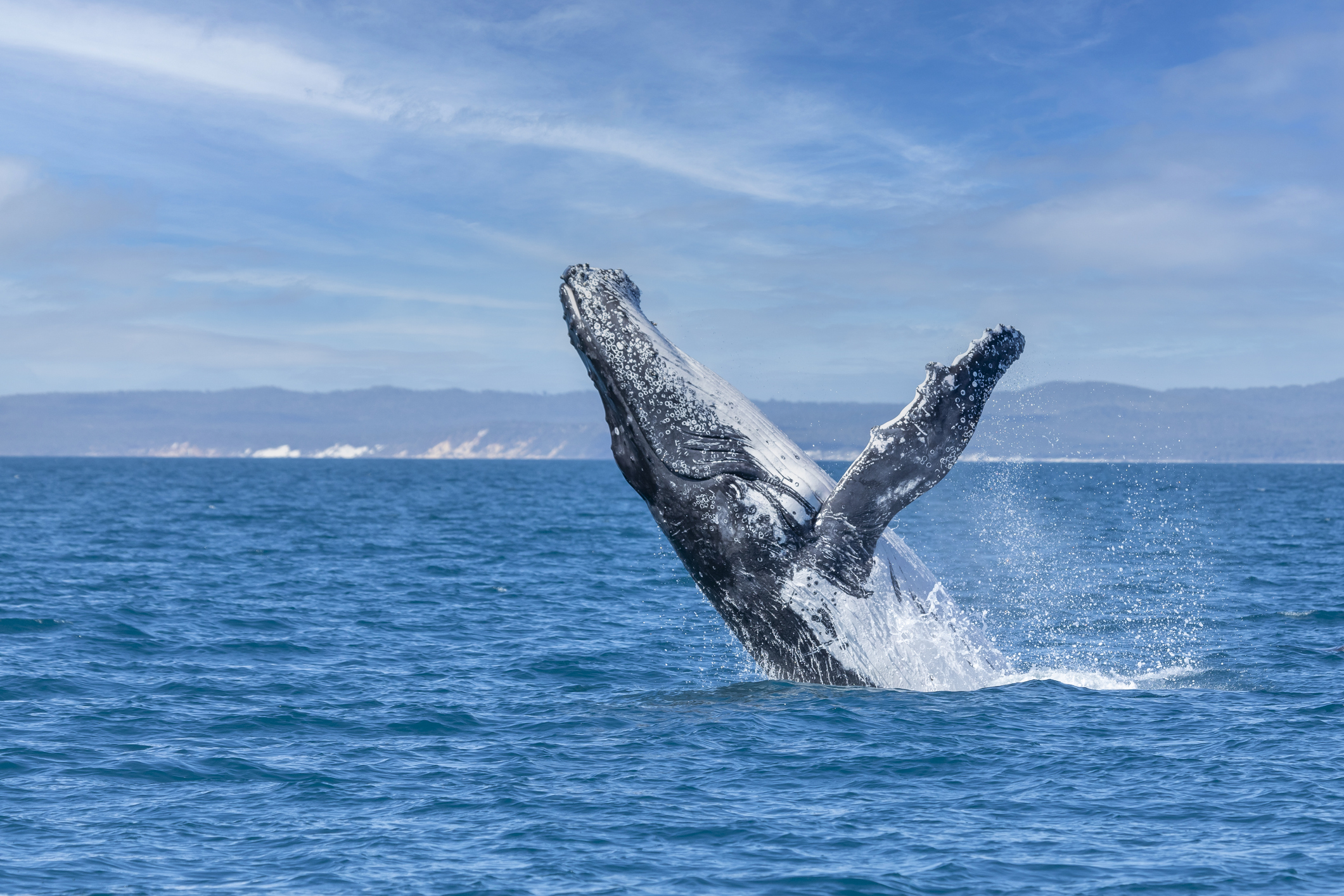
Humpbacks are particularly remarkable for learning and communication.
Their songs can be extraordinarily complex and change over time. New song patterns can spread through populations, suggesting a form of cultural transmission – a little like the way we share songs.
They also cooperate when feeding. Groups may use coordinated techniques such as bubble-net feeding to concentrate prey.
Other dolphins
Several other dolphin species show impressive intelligence.
Indo-Pacific bottlenose dolphins are particularly well known for tool use and complex social behaviour. Common dolphins can coordinate within enormous groups while feeding. Risso’s dolphins and several other species also demonstrate sophisticated communication and social behaviour, although they have been studied less extensively.
Intelligence cannot be measured simply by how large an animal’s brain is – what matters is how a whale or dolphin uses its brain power. Each species has developed its own solution to the challenges of life at sea and whale and dolphin intelligence doesn’t look exactly like ours.
When we refer to signature whistle ‘names’, these refer to names the animal is likely calling itself, rather than others – a bit like saying ‘hi it’s me’. The brains of whales and dolphins have evolved to solve the problems that matter in their own watery world: finding food, navigating the ocean, communicating, remembering individuals, cooperating and passing knowledge onto the next generation. This is what makes their intelligence so fascinating.
Discover more wildlife stories from around the world:
- It’s bigger than the City of London and is home to a whopping 7.5 billion residents – or even more
- 5,000 years ago, these forests drowned. Now they're thriving reefs – home to oysters, sponges, sharks, rays and turtles
- "They flip sharks upside down so they can tear out their nutritious liver…" The ocean's 9 most powerful, ruthless killers that rule the waves