
Researchers in Bazaruto, Mozambique, have discovered the underwater remains of forests that were submerged by rising seas thousands of years ago – and they were surprised by the amount of biodiversity living on these so-called ‘peat reefs’.
Using radiocarbon dating, the scientists found that the reefs formed between around 300 and 5,000 years ago. Published in the journal Scientific Reports, the paper is believed to be the first ecological study of tropical peat reefs.
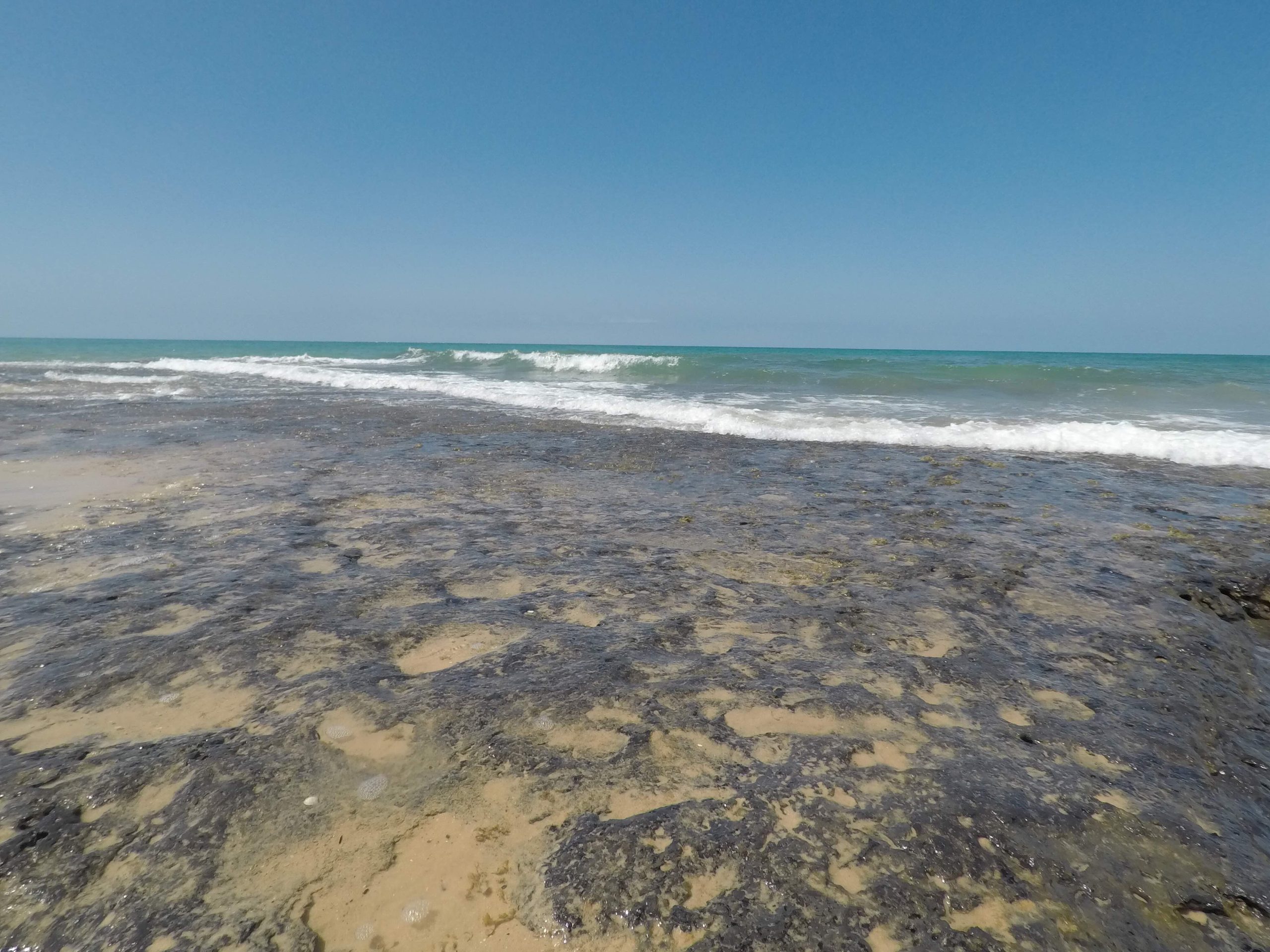
The reefs were created when rising seas flooded the area, covering coastal swamps and trees with water. Once underwater, the waves washed away the sediment and exposed the layers of peat. The relatively hard surfaces that were unveiled then became a platform for living things – such as seagrass, macroalgae and sponges – to settle on, creating homes for other creatures.
“This coastline has very little natural hard seabed, mostly shifting sand. When rising seas expose these old peat layers, they create rare, solid habitat where marine life can settle, hide and feed,” says the study’s lead author Dr Mario Lebrato, co-founder of the Bazaruto Center for Scientific Studies (BCSS) Ocean Observatory, in a statement.
- “The speed of recovery we saw is incredible”. Scientists have developed an amazing technique to restore coral reefs
- This coral reef gets bombed every 62 minutes. And it’s changing the way the ocean sounds
Surveys comparing three of these peat reefs and a coral reef nearby showed that the level of biodiversity between the two types of reefs was similar.
Despite having no coral at all, each peat reef hosts between 26 to 36 species of small fish – a similar mix to the coral reef nextdoor. The scientists noticed that lots of animals – such as spiny lobsters, oysters and barnacles – liked to hide in nooks and crannies.
They also observed green turtles and dugongs nearby, both of which like to eat seagrass.
“We were surprised by how much life these ancient peat deposits support, and how many species move between them and the coral reefs nearby,” says Lebrato.
- “The speed of recovery we saw is incredible”. Scientists have developed an amazing new technique to restore coral reefs
- Can the Great Barrier Reef be saved? How Australia’s indigenous peoples could hold the key
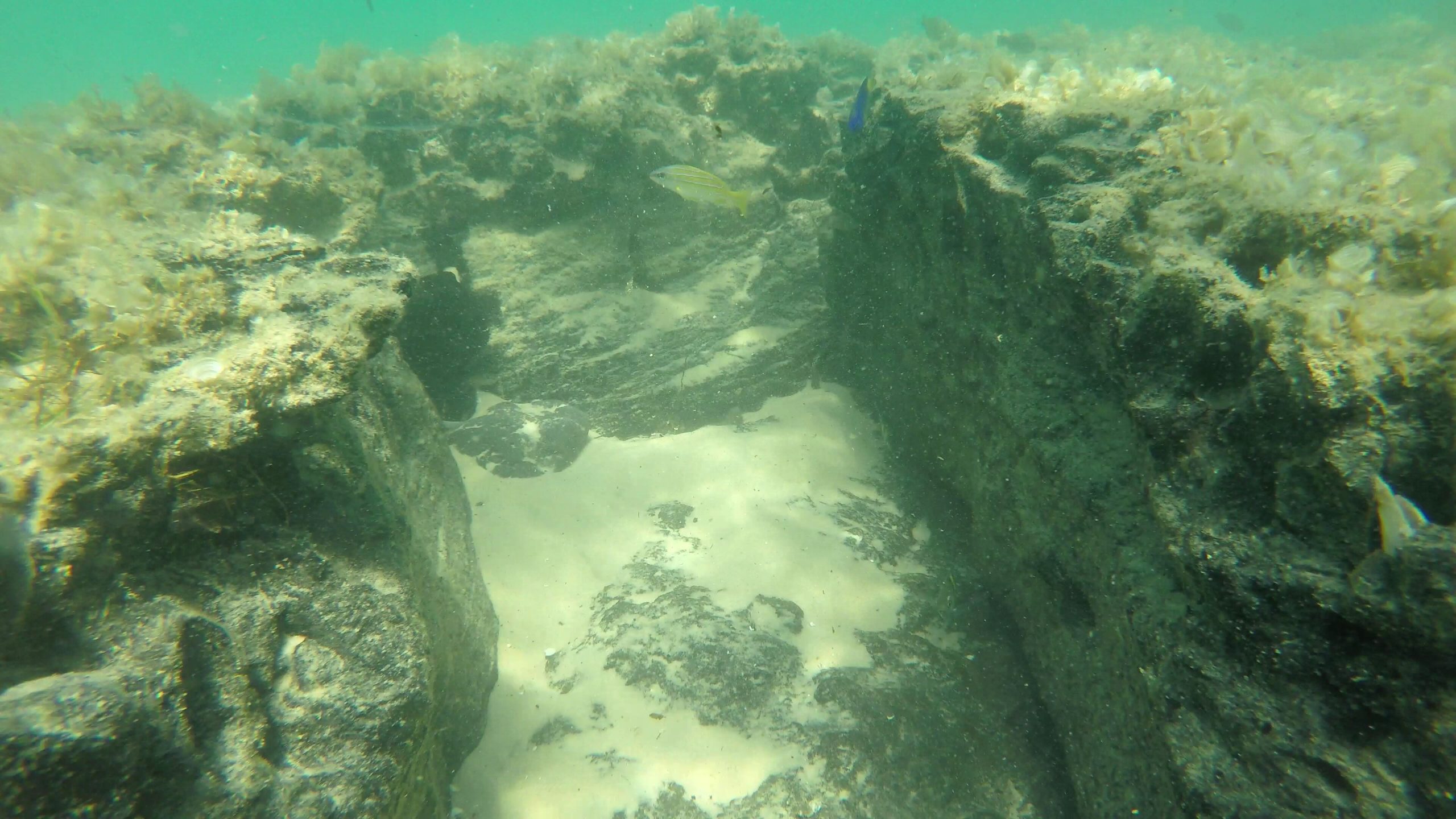
Baby fish also hide in the crevices where they can be safe from predators, making it a great nursery for species including snappers and grunts. “What was once a forest floor is now a nursery for reef fish,” he adds.
It could also prove to be an important blue carbon habitat. Some samples of the peat were found to contain up to 40% organic carbon by dry weight.
Although more studies are needed to quantify how much carbon these peat reefs can store in the long term, their discovery highlights how important it is to learn about and protect overlooked but prosperous habitats like this.
Just two to four metres deep, they are exposed to more sunlight and heat than corals in deeper waters. The water temperatures can vary by four degrees in a day (recorded temperatures were between 24.5 and 28.6°C) and can be buried, exposed or damaged by strong storms.
“The ability to demonstrate the vitality of these habitats as a result of our continuous observation excites me for the prospect of implementing conservation policy that protects similar regions around the world,” says Lebrato.
More wildlife stories from around the world
- “The fish life has exploded": 400,000 corals planted on dying reef in Bali. What happened next was remarkable
- This animal could be worth 12 times more than Elon Musk
- “It was so sudden.” This great white shark just did something that’s never been filmed before
- Scientists record world's longest underwater timelapse. What is reveals is astonishing


