These ocean predators might look soft and fuzzy but don’t be tempted to stroke their bristles – they’re full of a potent neurotoxin that can be seriously painful if you get stung. Apart from the burning pain, you might feel a bit dizzy or sick but the symptoms aren’t typically any worse and no-one is known to have died from a sting.
What is a fireworm?
Fireworms are a type of polychaetes (bristle worm) that live in the ocean. Sometimes brightly coloured and with delicate bristles brimming from all over their body, they’re quite beautiful… if you’re into worms. These predators are found in shallow waters where they eat corals, small crustaceans and detritus in the water.
- This marine worm has eyes 20 times heavier than the rest of its head. Why? Sex, apparently
- The terrifying 3 metre, deep sea Bobbit worm can not only cut its prey in half, but is also venomous enough to cause permanent numbness in humans
What do they look like?
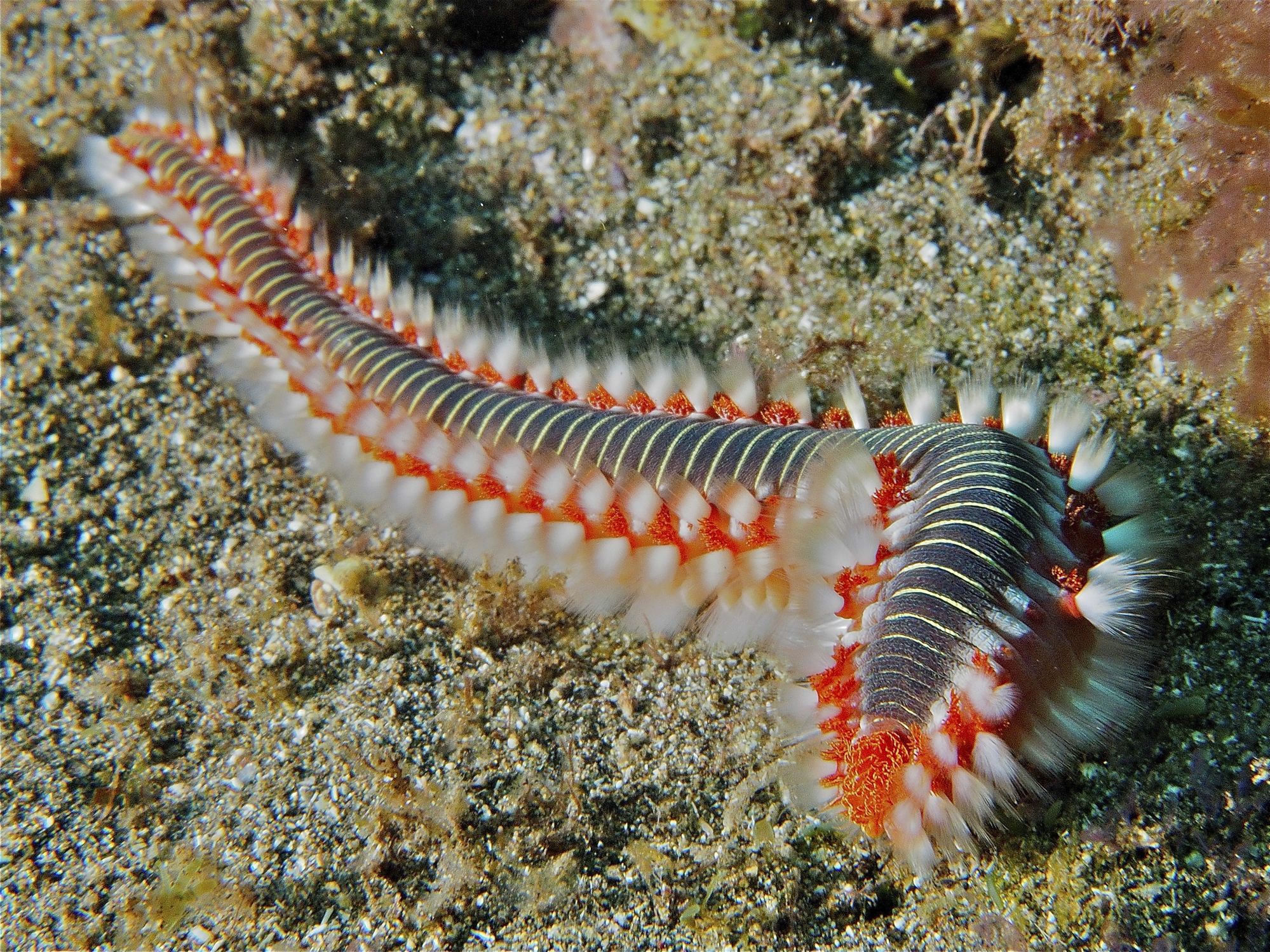
These ocean-dwelling worms look a bit like furry underwater millipedes and can come in dazzlingly bright colours such as reds and oranges. They have flat, segmented bodies covered with feather-like bristles. When they feel threatened, fireworms can raise their bristles to tell any predators to back off. This isn’t just a visual deterrent – if the aggressor gets close enough to touch, the fireworm’s bristles can snap off and poke into the antagonist’s skin, injecting venom.
Along their sides are some fleshy paddles called parapodia that help them move, swim and burrow into the seabed.
Bearded fireworms (Hermodice carunculate) have a fleshy beard called a caruncle near its head that helps these animals sense the world around them.
How big are fireworms
They are up to around 35cm long and weigh 45g
Where do they live?
These marine worms live in warm waters on the seabed around shallow coral reefs. They can be found in the Atlantic, Pacific and Indian Oceans as well as nearby seas such as the Mediterranean and Red Sea.
What do they eat?
Fireworms are scavengers. They eat dead and decaying matter and help to break carcasses down, keeping ocean ecosystems clean.
Some species are also known to eat live prey. For example, bearded fireworms sometimes have a penchant for snacking on small crustaceans and sea anemones but – above all – love to eat coral. Left unchecked they can cause problems on the reef, destroying the coral and carrying disease between colonies.
How do they hunt?
Fireworms don’t need to be speedy because their prey – corals, detritus and small organisms – are often slow or stationary. So these predators can inch slowly along the seabed looking for clues in the water that help them detect a potential meal.
When they find prey, such as branching coral, they turn their pharynx (throat) inside out and start to feed. They usually start at the tips of branching corals, devouring their tissue.
How do they reproduce?
Fireworms reproduce through spawning: releasing eggs and sperm into the water to fertilise each other externally.
Some species, such as reedy fireworms (Eurythoe complanate) can clone themselves by splitting their bodies in two and regrowing both parts. Yikes.
Are they dangerous to humans?
I mean, don’t touch one: that would hurt. That is why they’re called fireworms, after all. The bristles covering their body (known as setae) might look a bit like fur but think of them more like thousands of tiny, hollow needles poking out every inch of skin and ready to inject you with neurotoxins.
If you happen to touch one, it’s going to burn like you just stuck your hand (or other bodypart) in a hot fire. Oh, and the pain likely won’t subside for several hours.
But the sting will wear off in time and, although unpleasant, no human deaths have been attributed to fireworm toxins.
Are they under threat?
No. As climate change warms waters around the world, these worms seem to be spreading. This isn’t great news because fireworms have very few natural predators (remember those burning bristles we talked about?). Too many bearded fireworms on a reef, for example, can damage corals that are already under pressure from threats including warmer waters and pollution.
Bearded fireworms are reportedly causing havoc in Mediterranean waters with fishers in Malta saying the worms are damaging their catch – not to mention causing serious ouchies for those who accidentally bring fireworms up in their nets.