
Huge concrete-like cubes were submerged off the coast of Britain. One year later, they’re teeming with creatures
A recent survey has found that 99 per cent of the 4,000 adult oysters attached to specially designed ‘Oyster Reef Cubes’ in the North Sea were still alive and healthy nine months after the structures were installed.
Young oysters, known as spat, had also successfully survived their first winter on the reef, coping with periods of low temperatures and limited food availability – an encouraging sign for future reef growth, according to researchers.
- "At first, they are little more than bare surfaces in the ocean’s vast expanse." Why do sunken ships make good artificial reefs?
- This coral reef gets bombed every 62 minutes. And it’s changing the way the ocean sounds
The one-hectare restoration site was created in October 2025 as part of a five-year project between ZSL (Zoological Society of London) and Groundwork NE & Cumbria, The Wild Oyster Project: Tyne and Wear. The project aims to restore native oyster reefs in the North East of England, hopefully improving water quality, boosting biodiversity and providing a vital habitat for other species.
The restoration site contains 20 Oyster Reef Cubes, 60,000 juvenile oysters and 100 tonnes of scallop shell, known as cultch, which provides a stable surface for oysters to settle on. The textured cubes, which are made from a seawater-resistant and carbon-neutral alternative to concrete, have been designed to withstand the exposed conditions of the North Sea while providing a habitat for marine life, with central openings also offering shelter for fish and crustaceans.
According to conservationists, the results have helped shape the next stage of the project, with specially designed cages now fitted inside the central openings of the Oyster Reef Cubes. These contain a mixture of adult and juvenile oysters and aim to establish several generations on the reef while protecting young oysters from predation.
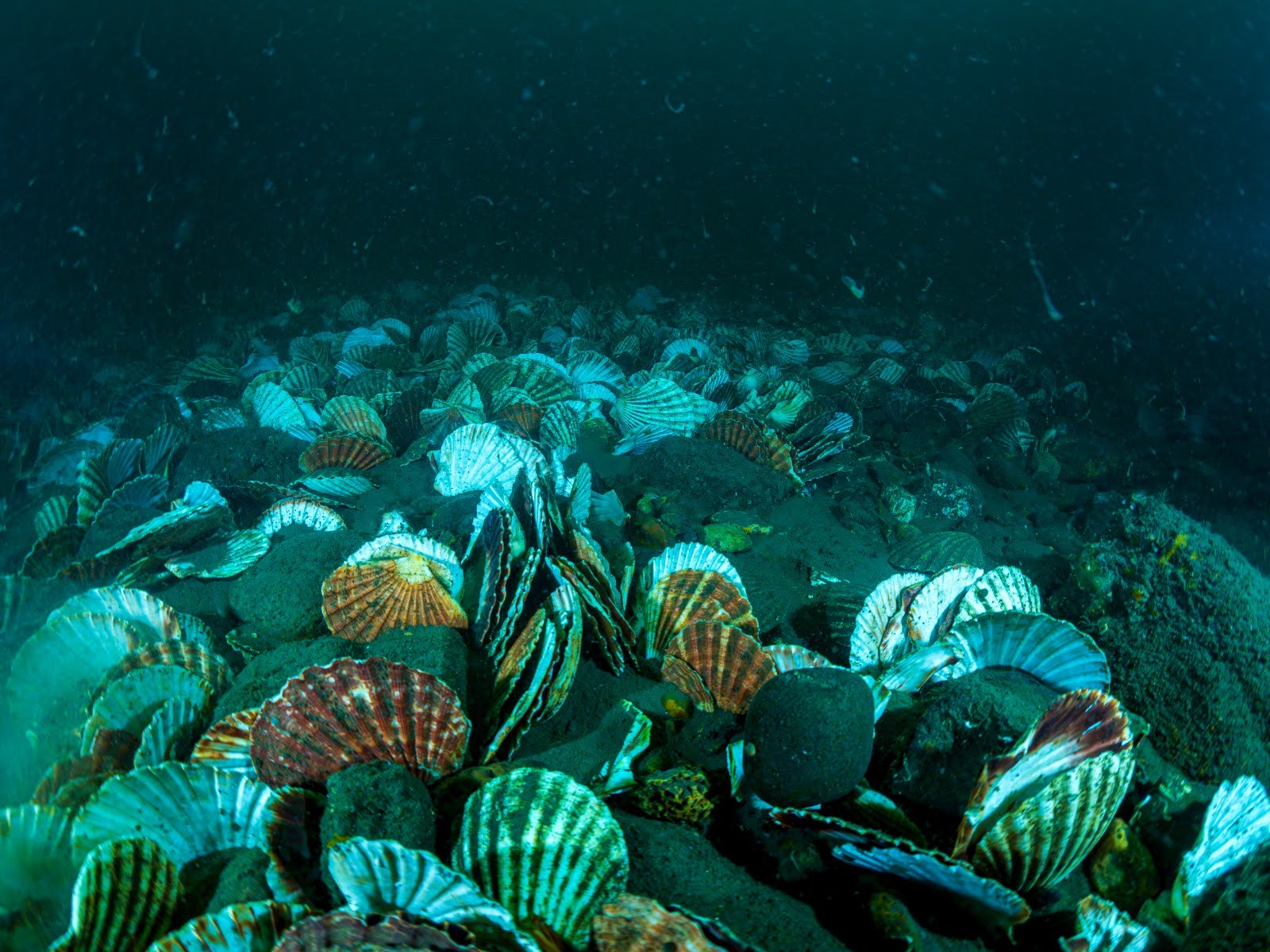
Creating an underwater habitat
As part of the latest phase of the project, the team released a further 1,000 mature native oysters and 15,000 juvenile oysters onto the restoration site. Underwater surveys recorded fish, velvet swimming crabs and sea urchins living in and around the cubes. Shrimps and squat lobsters were among the most abundant species found across the wider reef.
“Seeing the artificial reef and the oysters surviving their first winter and seeing fish, crabs, sea urchins, shrimps and squat lobsters already using different parts of the restoration site gives us confidence that this approach will help restore native oyster reefs and support wider marine ecosystems in the North Sea,” says Ashleigh Tinlin-Mackenzie, the marine ecology technical lead at Groundwork NE & Cumbria.
“We are now keen to build on these early successes and trial new restoration techniques,” she says. “A second series of dives installed the new cube cages that we hope will further boost oyster numbers. The results so far are encouraging and show what is possible when we invest in science-driven conservation.”
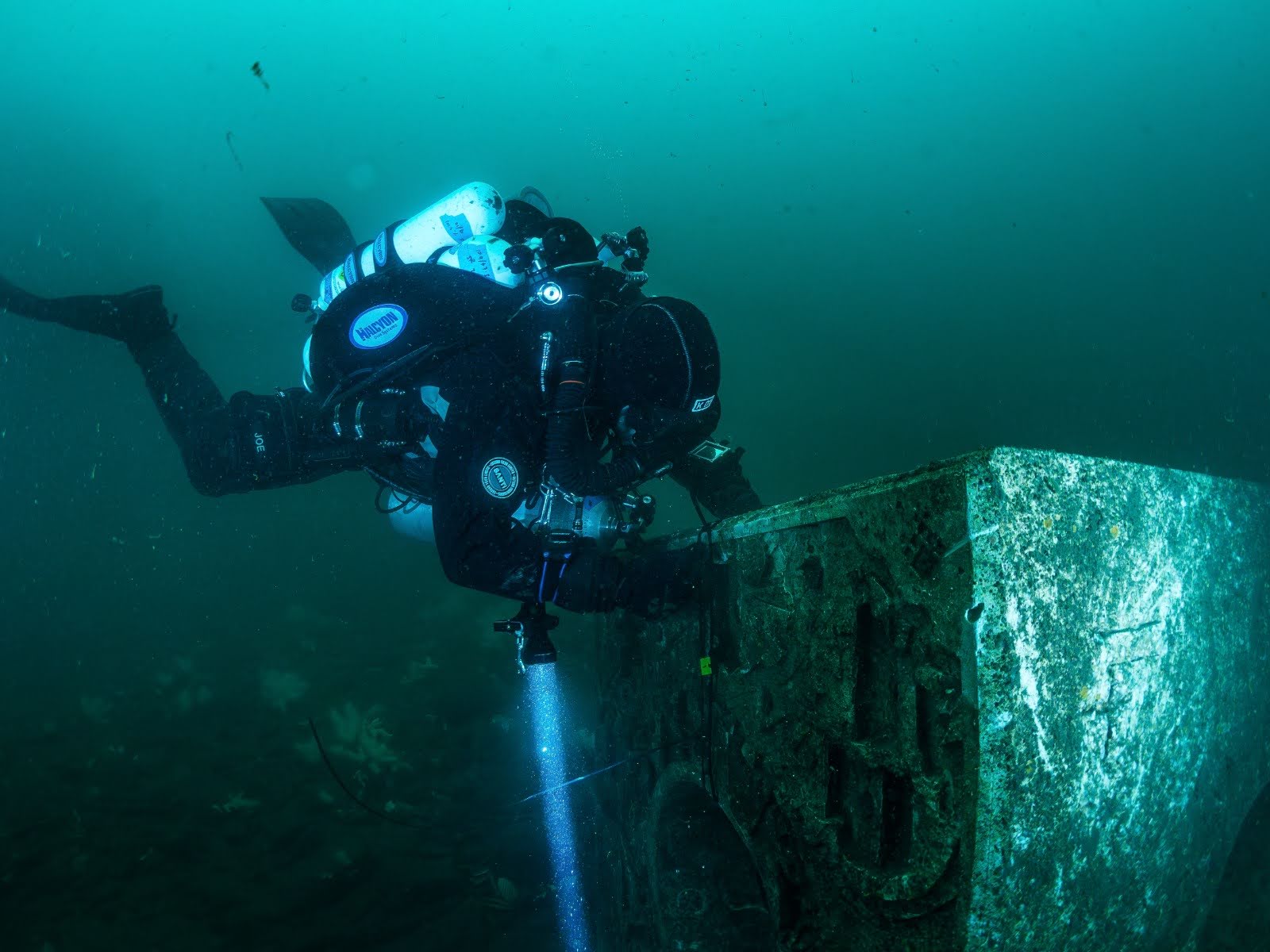
The cubes also remained securely in place during their first winter, helping to protect the oysters and cultch from waves and strong tidal currents.
The researchers will continue to monitor the reef and assess which restoration techniques are most successful, with the long-term goal of restoring native oyster reefs on a larger scale along the North East coast.
Native oysters (Ostrea edulis) were once widespread around the UK coastline, but their numbers have fallen by more than 95 per cent since the 1800s. Habitat loss, over-harvesting, pollution and disease have all contributed to their decline, with native oyster reefs disappearing from the North East more than a century ago.
Oysters are sometimes described as ‘underwater superheroes’ because of their ability to filter seawater. A single native oyster can filter up to 200 litres of water a day – around the volume of a bathtub – making oyster reefs an important part of healthy marine ecosystems.
Top image: one of the Oyster Reef Cubes used in the project on 18 June 2026. Credit: Project Baseline UK


