
An international team of scientists, led by palaeontologist Andrea Baucon from the University of Cagliari, Italy, have partly solved the mystery of a strange natural pattern called Paleodictyon found around the world. The mystery in question: what animal made – and continues to make – these unusual markings?
The findings are published in the journal Earth-Science Reviews.
- Fossil poo, fossil vomit, fossil penis... World's 10 weirdest fossils that will have you scratching your head
- Millions of years old and still here... What exactly is a living fossil?
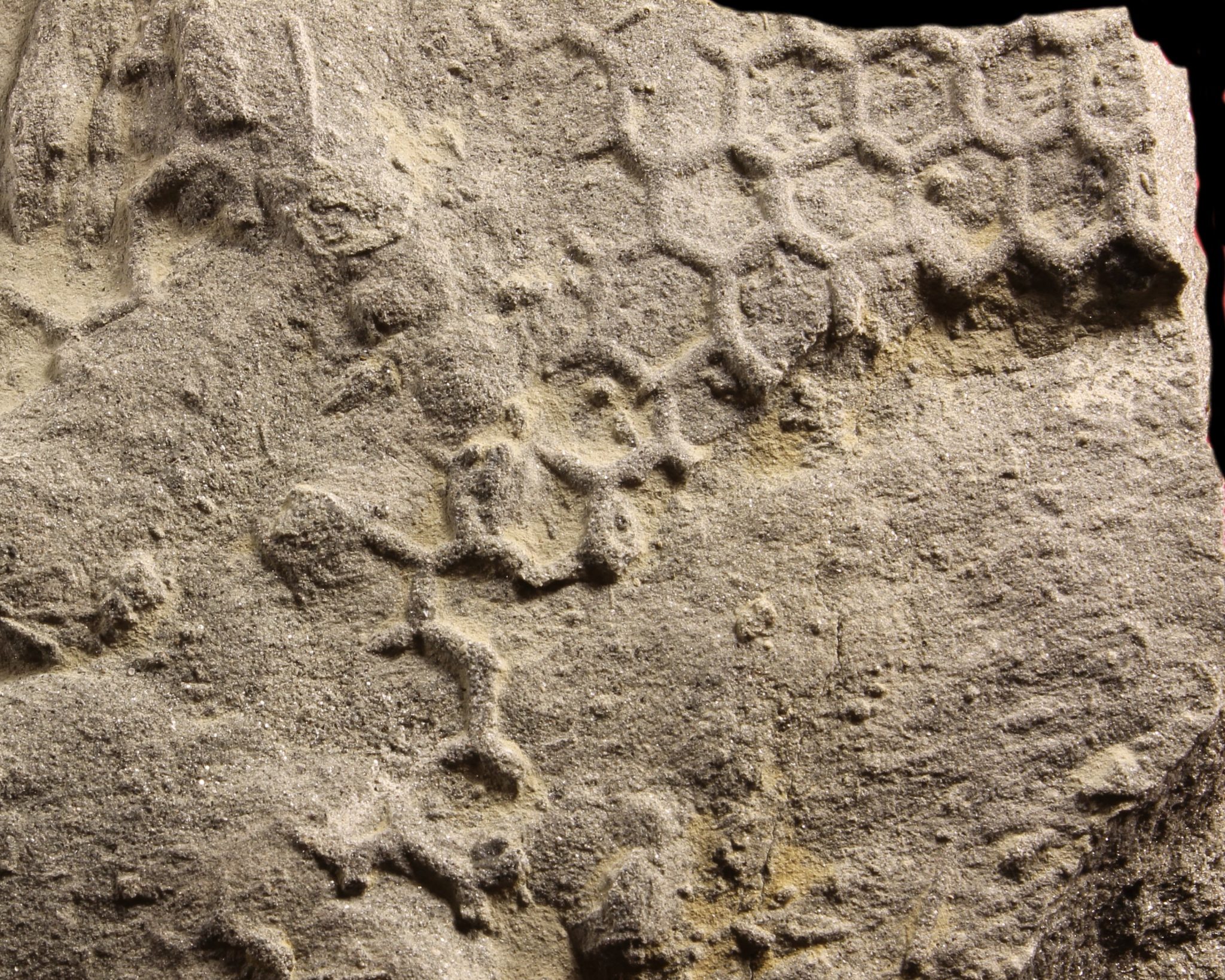
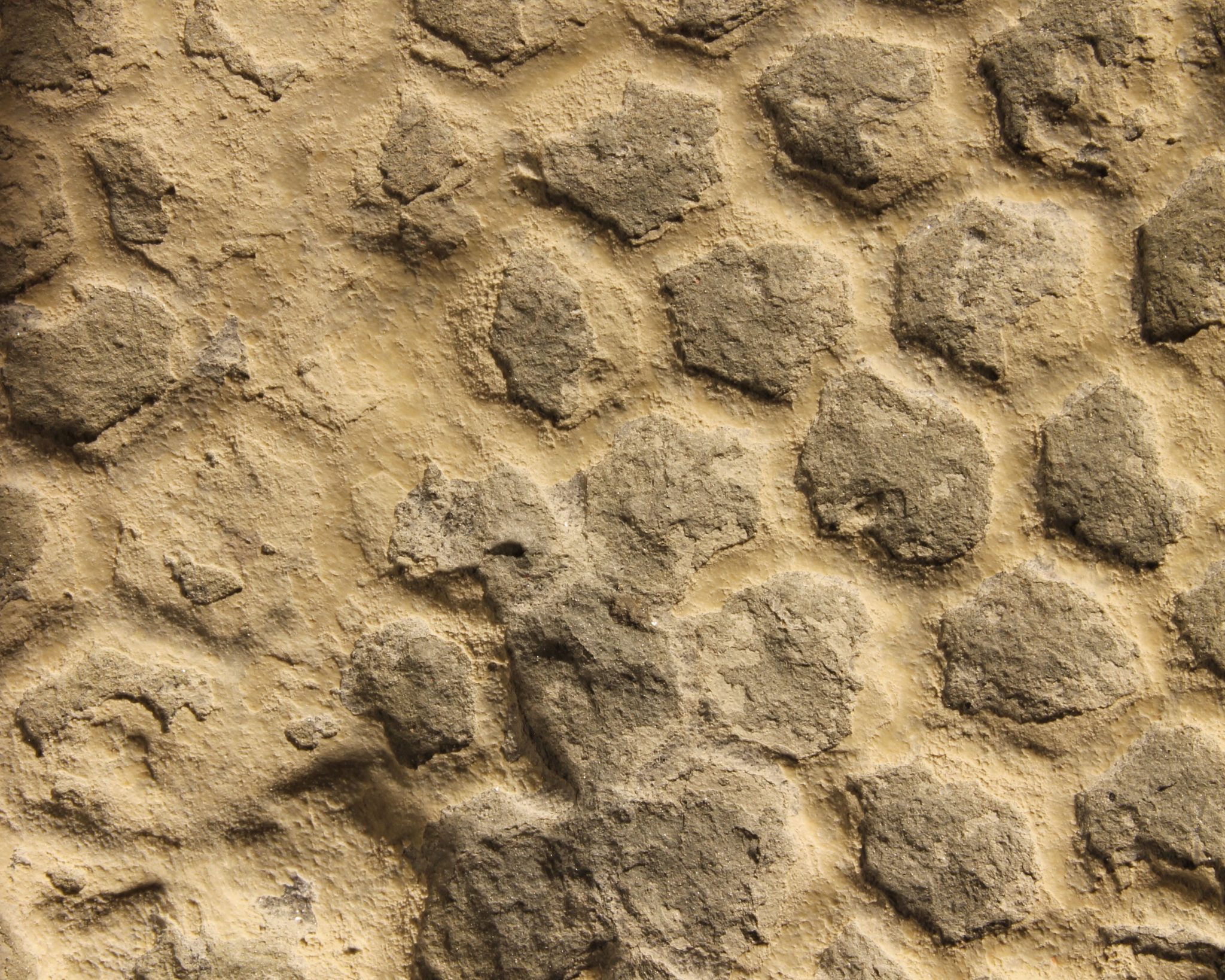
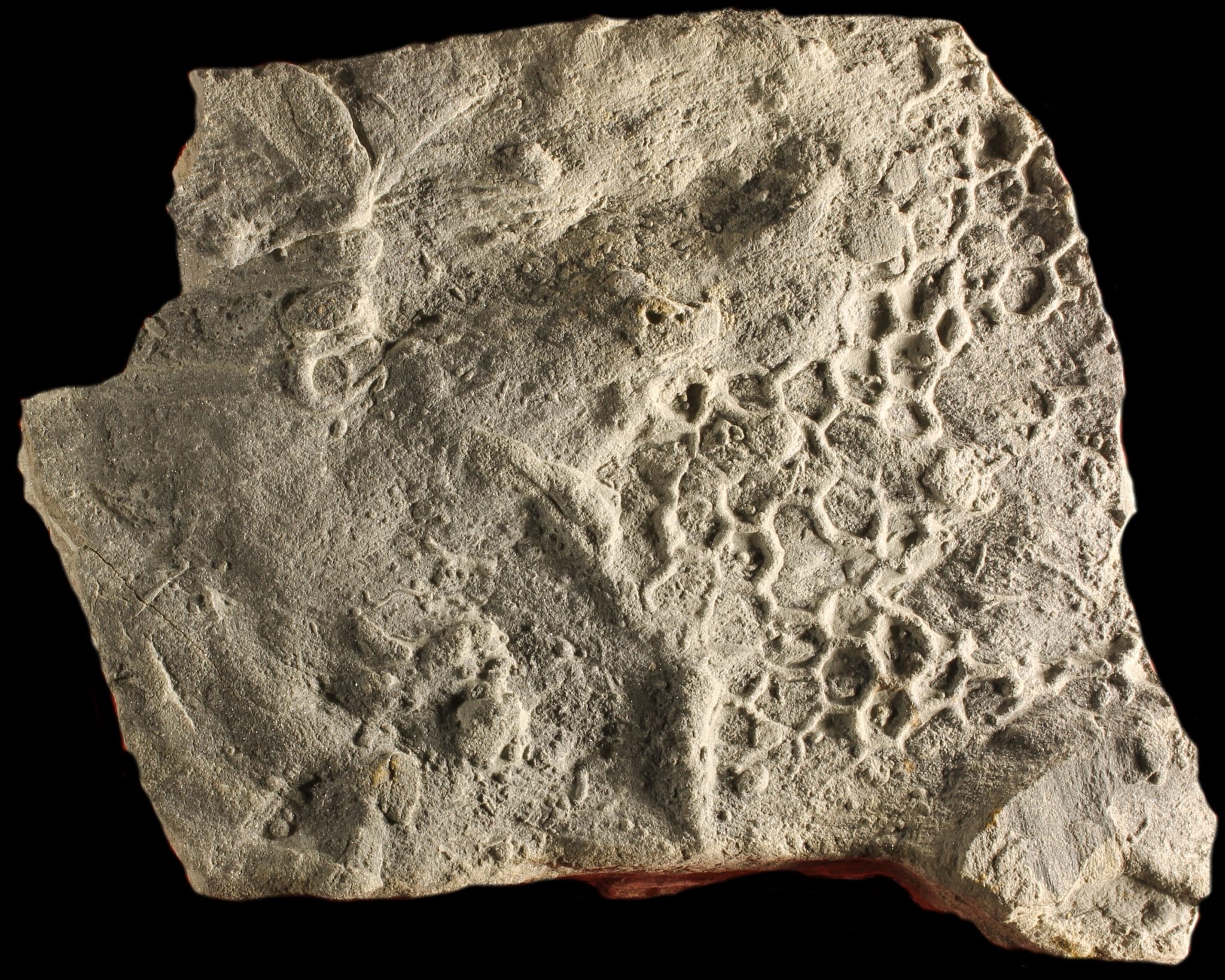
Paleodictyon is a hexagonal, honeycomb-like network of burrows found in marine sediments going all the way back to the Cambrian, a geological period that began approximately 539 million years ago and lasted for about 52–55 million years.
This pattern is as widespread as it is mysterious, found everywhere from 3,500m depths on the Mid-Atlantic Ridge, to the mountain tops of the Italian Apennines. Leonardo da Vinci drew it around 1500 without even knowing what it was, and it was first described and named in 1850 by Giuseppe Meneghini.
It has persisted for more than half a billion years – and yet, its maker remained unknown for centuries.
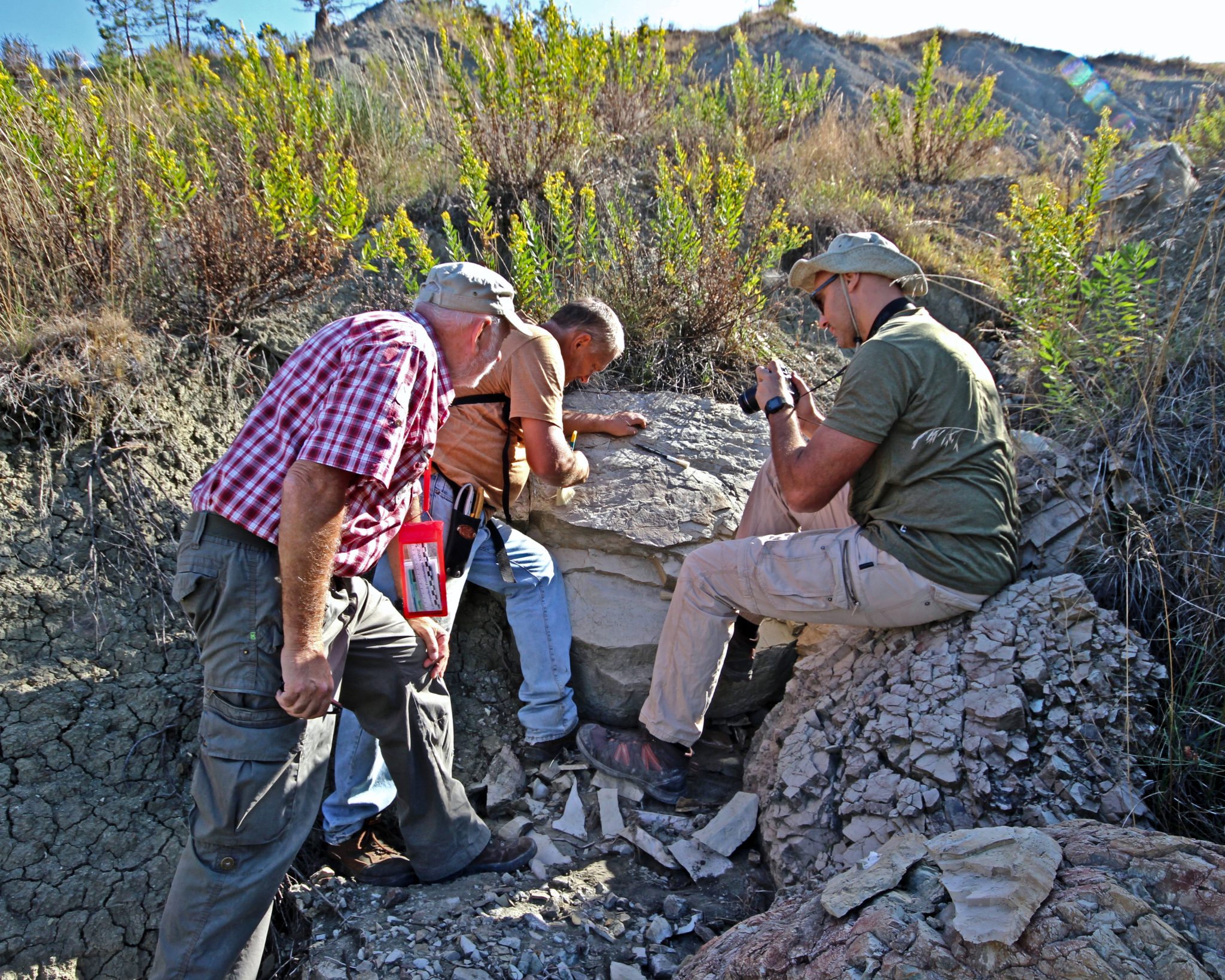
By investigating 50 fossils spanning 530 million years, from Cambrian rocks in Portugal to the Italian Apennines, scientists have now identified the prime suspect: a small burrowing crustacean, a deep-sea cousin of the woodlouse.
“Paleodictyon is one of the longest-running cold cases of palaeontology,” says Andrea Baucon. “The fossils come from the Apennines, Portugal and Poland, while the morphometric analysis was carried out at the University of Cagliari. This approach allowed us to use the geometry of the traces to infer information about the organism that produced them.”
The oldest fossil used in the study was found in a quarry in northern Portugal.
“Those burrows were produced 460 million years before T. rex,” adds Carlos Neto de Carvalho, co-author of the study. “And something is still producing them today, thousands of metres deep, in total darkness.”
Solving the case
The researchers started with a hypothesis: the hexagonal structure is created by a marine arthropod. Arthropods are known for creating straight tunnel segments, thanks to their jointed appendages and rigid exoskeletons, which also result in sharp directional changes.
To confirm this hypothesis, the team worked through six lines of evidence: morphology (shape), stratigraphic distribution (when it appears in the rock record), environmental distribution (where it’s found), taphonomy (how it’s preserved), tracemaker attributes (what kind of animal could make it), and inferred function (what it was for).
“It is a signature without an author,” says Girolamo Lo Russo, co-author of the study. “Since we cannot see the animal, we decided to let the geometry of the Paleodictyon speak.”
The researchers measured 1,314 points on fossil burrows housed at the Natural History Museum of Piacenza. They also headed out into the field to search for new fossil specimens, spending days on their knees, searching the Apennines and the Alps for any traces of the mysterious hexagon.
“Anyone walking in the Apennines is walking on an ancient ocean floor, uplifted in the building of that mountain chain,” says Michelle Piazza, another co-author. “Those rocks were deposited in the same environment where underwater vehicles now film Paleodictyon on muddy ocean floors. In this case, however, these are not fossils, but burrows recently excavated by living organisms.”
The researchers found that within a single hexagonal cell of the Paleodictyon, the six sides differ by half a millimetre on average – a geometry very close to that of a regular hexagon. Rather than spreading any errors between cells, the animal that created the pattern corrected them locally, suggesting advanced orientation and measurement capabilities.
These skills are compatible with the skills of the arthropod brain, though not exclusively. The first appearance of the Paleodictyon also coincides with the earliest fossil record of arthropods, which further supports the hypothesis.
- “It’s extraordinary”: Australia’s oldest ever dinosaur fossil found in Brisbane
- "It's believed that something went terribly wrong and the mother died while giving birth..." 7 groundbreaking fossil discoveries that changed the world
The remaining mystery
These new findings are in no way the end of the Paleodictyon mystery – the research provides robust evidence supporting arthropods as the most plausible producers of the pattern, but Arthropoda is the largest animal phylum, with a number of species accounting for over 80 per cent of all known living animal species.
The researchers point out some likely suspects within the phylum: peracarid crustaceans such as amphipods and isopods, particularly for the occurrences past the Ordovician period (about 485-443 million years ago).
And another question remains: what is the Paleodictyon for? Whichever animal creates it, why does it do it? Until now, the leading hypothesis was that it might be used to farm bacteria inside the burrows.
This study proposes another one. “The hexagonal mesh could work as the communication network of a colony, carrying chemical, hydraulic or acoustic signals,” explains Andrea Barucci, co-author of the study.
The scientists note that further research is needed to address the remaining gaps in our understanding of this mysterious hexagonal pattern.
Read the full findings here.
Top image: Paleodictyon, Piacenza Apennines. Late Eocene (35 million years old). Credit: Baucon et al.


