
From the palaeontology boom of the 19th century to the present day, key fossil discoveries reveal crucial clues about the size, diet and habits of long-gone creatures, helping scientists piece together the history of our planet and the origins of those that inhabit it. What we can learn from fossils shapes our understanding of evolution and life on Earth – and the revelations continue.
- Fossils guide: how they’re formed, where to find them and whether it’s ok to keep them
- Millions of years old and still here... What exactly is a living fossil?
- “This bizarre egg-laying animal looks like a cross between a duck and a beaver” – 10 prehistoric ‘living fossil’ animals still alive today
Here are seven of the most significant fossil milestones.
Significant fossil finds
Ichthyosaur giving birth
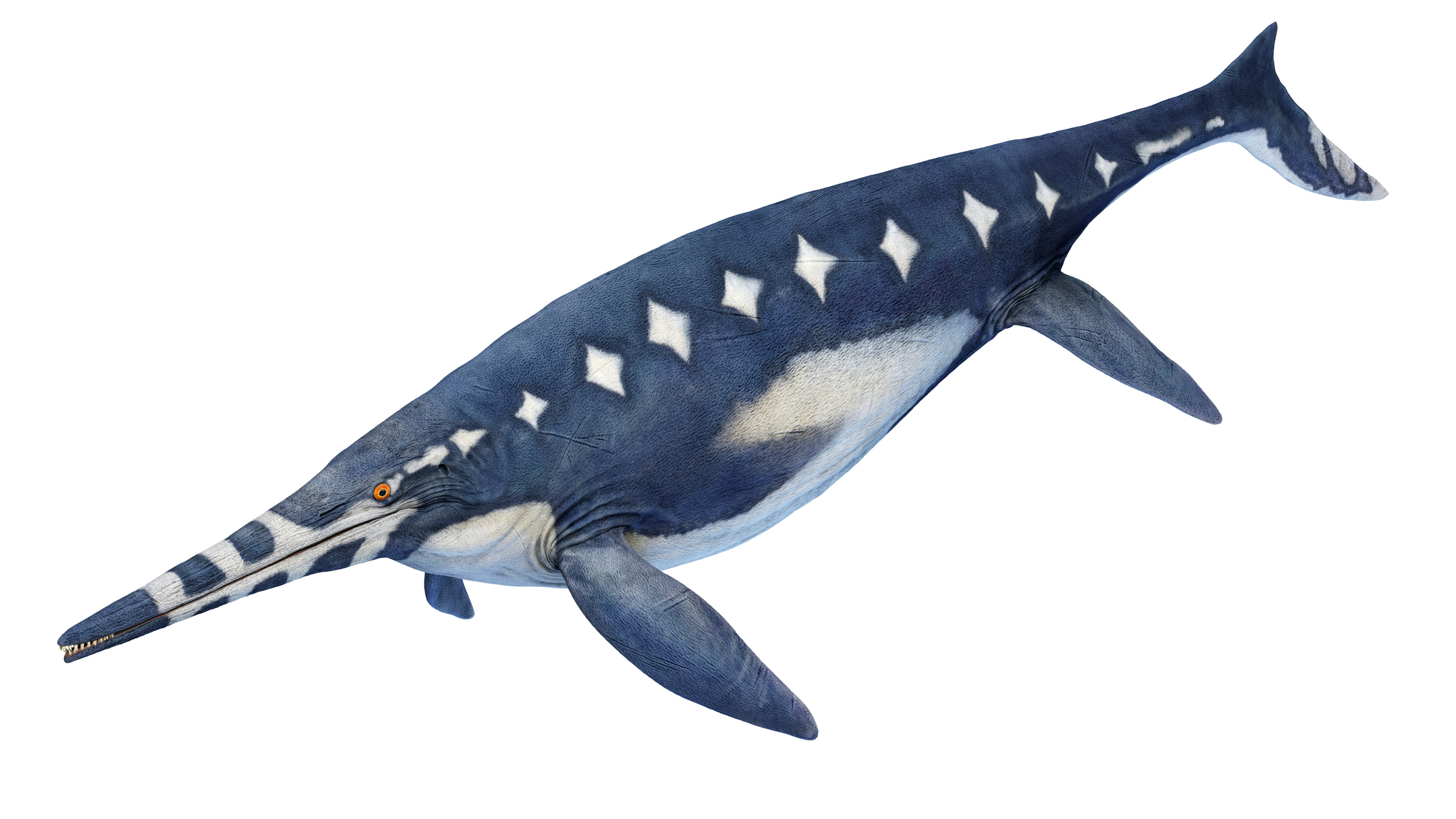
Thanks to pioneering palaeontologist Mary Anning, who caused a sensation with her discovery of the first Ichthyosaur in Dorset in 1811, we know a lot about this marine reptile. Many have popped up all over the place since, but in 2011, in South Majiashan, China, a new Ichthyosaur fossil find rocked the world of palaeontology once more.
- Giant prehistoric ichthyosaur found in UK might be largest marine reptile ever, say scientists
- 436-million-year-old fossil found in South China is oldest complete bony fish ever discovered
It was a 248-million-year-old Ichthyosaur in the middle of a live birth. The mother was carrying three babies: one was found under her body, another inside her and a third halfway out of the birth canal – emerging head-first.
- “More than 60% of females gave birth on the same night.” Why do some animals give birth en masse?
- This stingray is about to have a 'virgin birth'. Scientists explain how
Given the placement of the embryos, it is believed that something went terribly wrong and the mother died while giving birth, along with her offspring. Scientists were able to conclude that while Ichthyosaurs lived in the water, they gave birth on land.
Dippy the Diplodocus
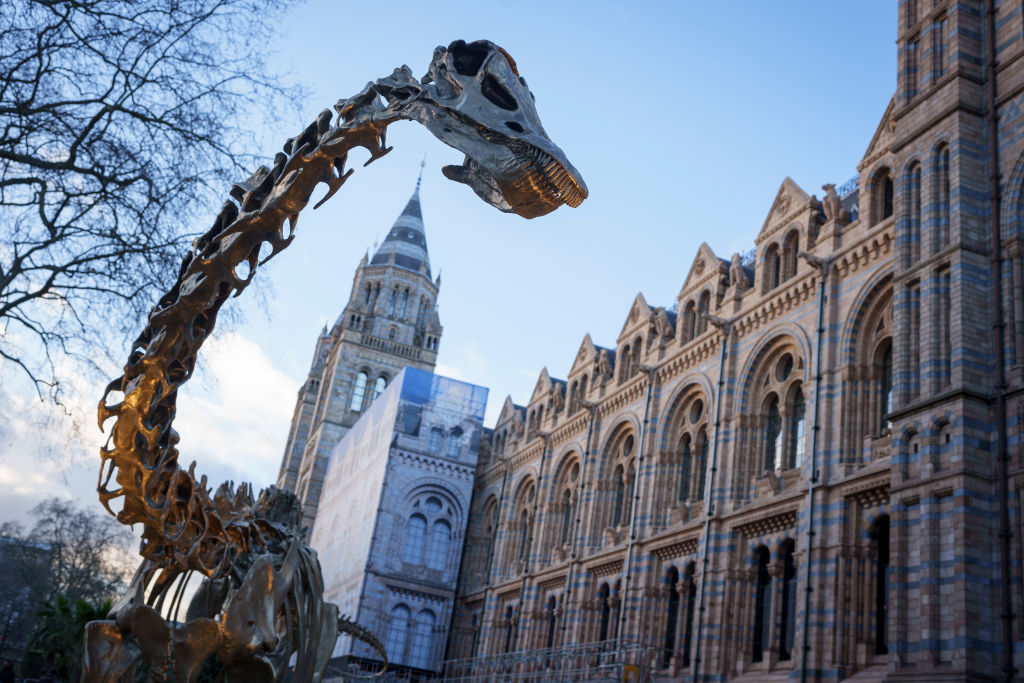
Many will remember Dippy from school trips to the Natural History Museum in London, where it first went on display in 1905, and enjoyed a 110-year run of wow moments. For millions of people, Dippy was the first dinosaur skeleton they’d ever seen. But this pioneering attraction was in fact a mass-produced replica.
The real Dippy, Diplodocus carnegi, holds court in the Carnegie Museum of Natural History in Pittsburgh, USA. As with many dinosaur finds, the fossils were discovered in stages, with bones first unearthed by railroad workers in Wyoming, USA, in 1899, then acquired by Andrew Carnegie, a Scottish millionaire, as a centrepiece for his new museum.
- Dippy the Dinosaur returns home to London's Natural History Museum
- Which dinosaur had the most teeth? It's definitely not the one you're thinking of...
Dippy, the highly influential plaster-of-paris replica, which was commissioned by Carnegie for King Edward VIII, is 26m long and comprises 292 pieces. Dippy is one of 10 replicas of the Diplodocus carnegi (others were shipped to museums around the world) and is currently on view at the Herbert Art Gallery & Museum in Coventry.
Dippy’s appearance has changed over the years, reflecting advances in our understanding of dinosaur biology and evolution. In the 1990s, the neck was raised from pointing downwards to a horizontal position and the tail was moved from resting on the ground to curving over visitors’ heads.
Sue the Tyrannosaurus Rex
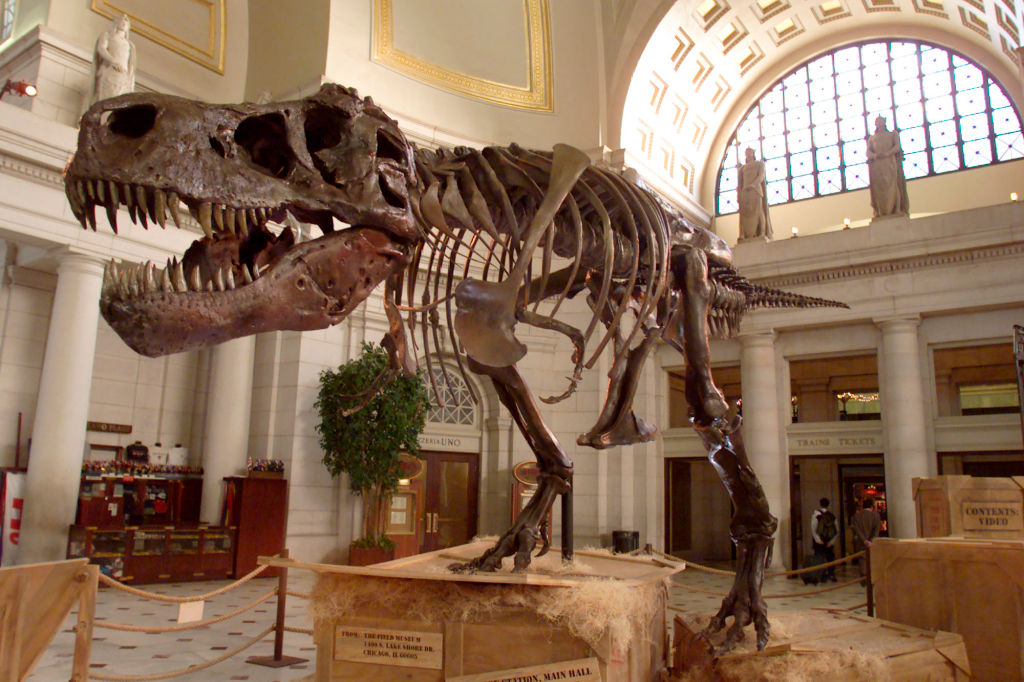
Sue is the superstar of the Tyrannosaurus Rex world, named after the palaeontologist Sue Hendrickson, who in 1990 found the fossil on a cattle ranch in South Dakota. It was the discovery of a lifetime.
Hendrickson had spotted some bone fragments at a cliff. “I crawled up beside it to look closer and there were three vertebrae in a row and there was a rib sticking out,” she said at the time. There was lots more of it, a huge cross-section of bones.
- T.rex vs triceratops – who would win in a fight between these two prehistoric giants?
- Why did a T-Rex have such ridiculous, puny arms?
This iconic T. Rex lived some 67 million years ago and, at more than 12m long and nearly 4m tall, is one of the largest T. Rex fossils ever found. It’s also the most well-preserved, complete and detailed with 250 of its 360 bones intact, giving extraordinary insights into the life of the T. Rex.
Lucy the Australopithecus afarensis
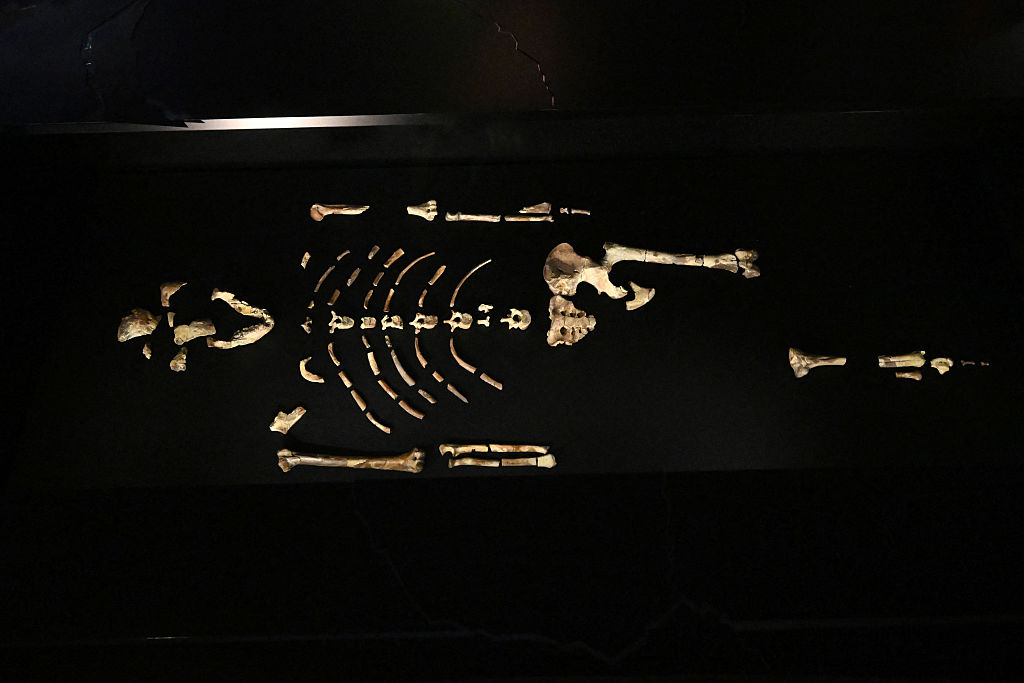
Lucy’s story began in 1974 in Ethiopia with the discovery of a small-bodied, small-brained hominin, with a skeleton around 40% complete. She was named after the Beatles’ song Lucy in the Sky with Diamonds, which was often playing in the camp. Lucy was just over 1m tall and would have weighed only 28kg, but an erupted wisdom tooth suggested she was a young adult.
- How many species of human have there been?
- Is the human race truly one species or the lovechild of various prehistoric hook-ups? Just how interbred are we?
The species, Australopithecus afarensis, was not named until four years after the discovery of Lucy, and lived 3.7 to 3 million years ago, had an upright stance and a mixture of ape-like and human-like body features. It established that our early human relatives habitually walked on two legs and that this occurred long before the evolution of bigger brains – though they retained some adaptations for climbing and hanging from trees.
- Could there ever be a new species of human?
- Could a human have a blood transfusion from a chimpanzee?
Bipedalism, crucially, may have offered survival benefits, such as the ability to spot dangerous predators, and it left the hands free to other tasks, such as carry food and use tools. Lucy is still one of the best-represented species in the hominin fossil record.
Tiktaalik roseae
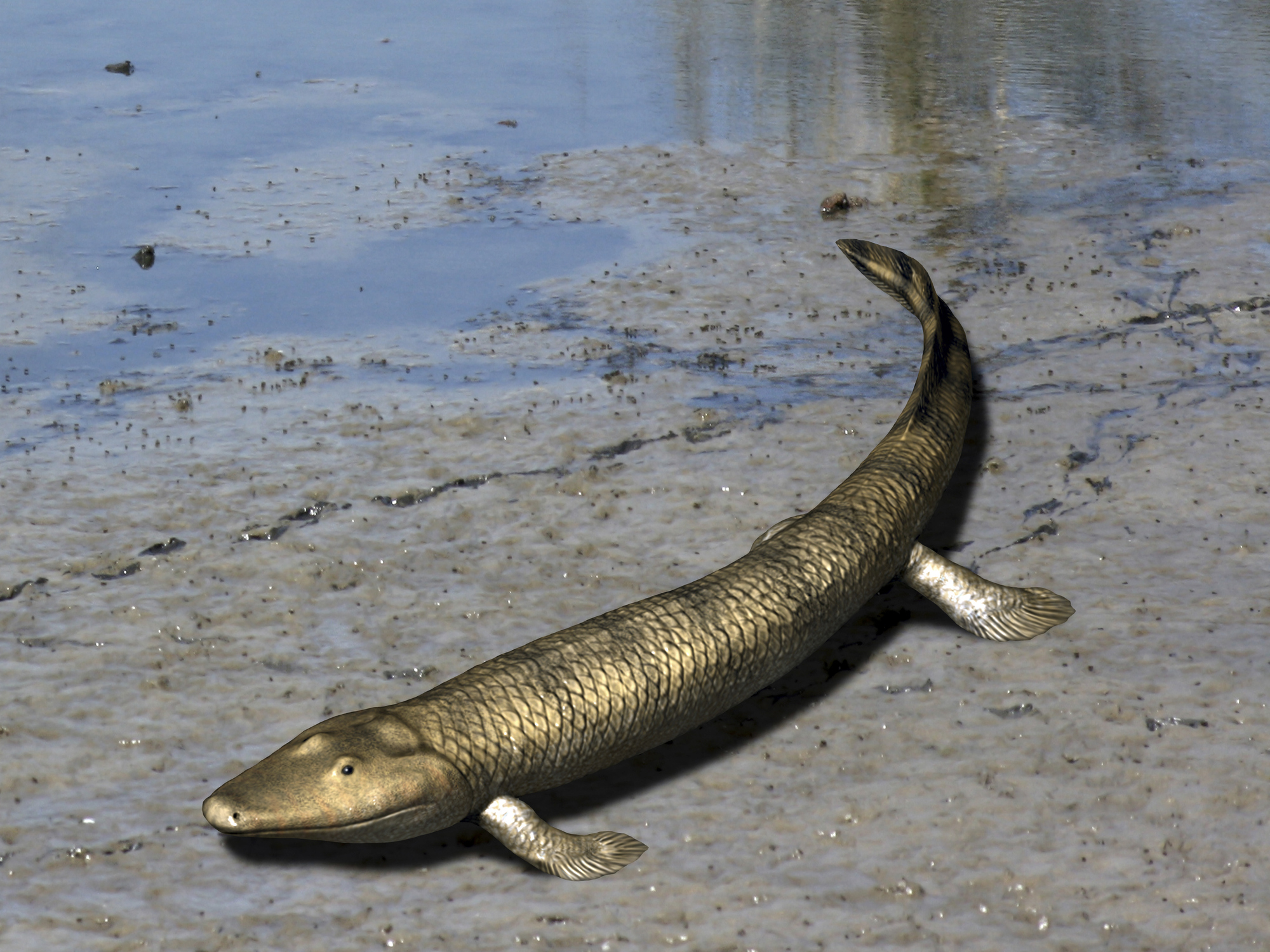
One of the most important fossil finds of all time, Tiktaalik roseae was discovered in rocks that were about 375 million years old, in Nunavut Territory on Ellesmere Island, Canada. It existed at a pivotal point when vertebrates were beginning to explore life beyond water and experimenting with new ways to survive.
- "It has two, whopping, 22cm-long fangs that give it the look of an aquatic saber tooth tiger." 10 deadly, utterly terrifying prehistoric fish
- 10 terrifying prehistoric mega-beasts that ruled before the dinosaurs – from a car-sized millipede to an armoured fish whose bite could crush steel
Like a fish, it has fins and scales on its back, but like a limbed land animal it has eyes on top of its head, a neck, and inside the fin are bones that correspond to an upper arm, forearm, and even parts of a wrist. It’s a mix of creatures that live in water and creatures that live on land and a pivotal moment in the history of our world and of our own bodies.
Neil Shubin, the palaeontologist who co-discovered Tiktaalik says: “The local Inuit community came up with a name for the find, after a flat-headed fish that they still fish for today in the western part of the Arctic.”
Archaeopteryx
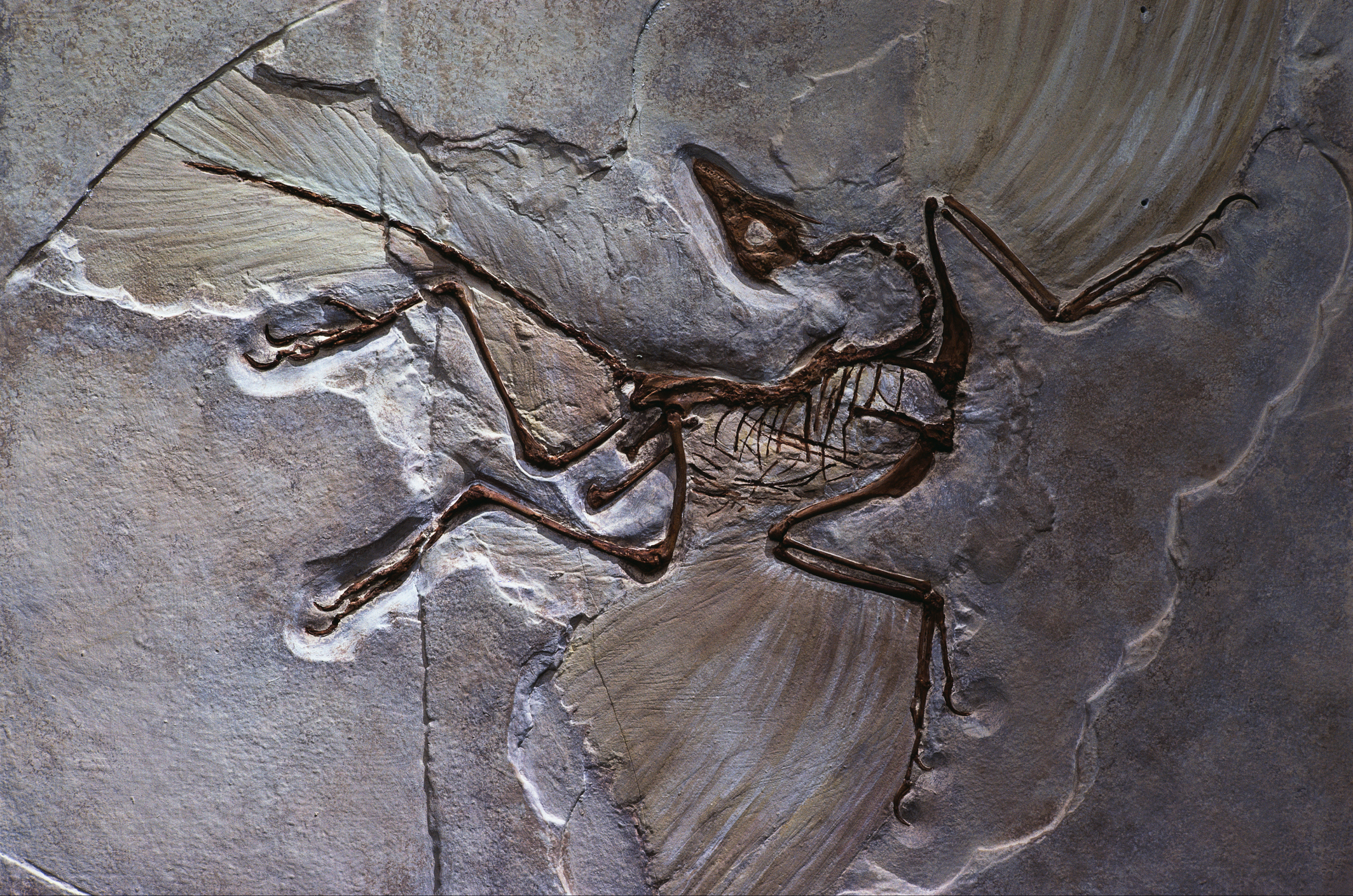
One of the world’s most famous fossils, the first Archaeopteryx was discovered in southern Germany in 1861 and helped provide the missing link between birds and dinosaurs. It was a complete fossil of a pigeon-sized creature, with clear impressions of feathers around its skeleton, which lived in the Late Jurassic period, around 150 million years ago.
- These prehistoric terror birds – with 'walking bolt cutters' for beaks – would have petrified early humans
- Meet 10 deadly prehistoric birds, including one that could swallow human babies and a 1.5m-tall penguin
Birds weren’t known from this long ago, so the find was described as the first bird and was vital to our understanding of early bird evolution. Additional specimens followed, which showed that Archaeopteryx also had teeth, clawed fingers and a long string of bones for a tail, features not present in living birds.
In the 1990s, the discovery of Sinosauropteryx, a non-avian dinosaur with a feather-like covering, was the final catalyst to the theory that birds were likely descended from dinosaurs over the line.
Skull of Mosasaurus
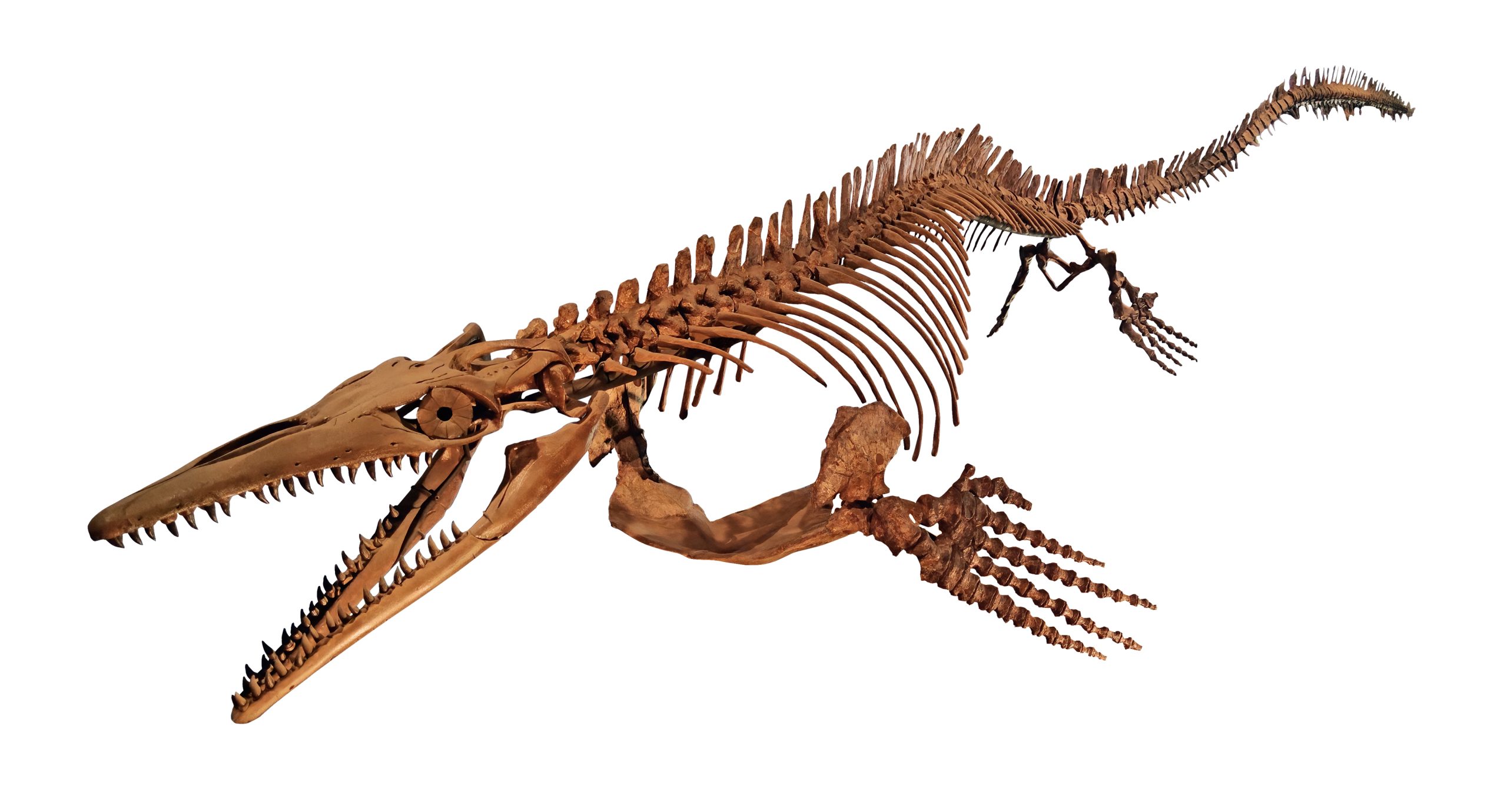
This remarkable fossil head, more than 1.8m long, was brought to the scientific world’s attention around 1780. The genus was named Mosasaurus hoffmanni in 1822, in honour of Dr Hoffman, the surgeon and fossil hunter who acquired the skull from labourers in a chalk quarry near Maastricht in the Netherlands.
Mosasaurus gained notoriety when it was allegedly retrieved by French Revolutionary grenadiers, in exchange for an offer of 600 bottles of wine, and brought to the French National Museum of Natural History in 1795, where it is still on display.
- Rare fossil found of tiny prehistoric cat, so small it could fit in the palm of your hand
- “It’s extraordinary”: Australia’s oldest ever dinosaur fossil found in Brisbane
The head was later concluded to belong to a large aquatic reptile that evolved 88 to 66 million years ago, towards the end of the reign of the dinosaurs. Its structure was similar to that of the monitor lizard and was equipped with robust jaws, capable of swinging back and forth, and strong muscles capable of powerful bites using dozens of large teeth adapted for cutting prey.
The earliest stab at depicting what the creature looked like was a wildly inaccurate concrete sculpture by Benjamin Waterhouse Hawkins, around 1853, as part of the collection of prehistoric animals on display in Crystal Palace Park in London.
Mosasaurus became the first fossil to be recognised as belonging to an extinct species (most likely due to the same catastrophic asteroid strike that wiped out the dinosaurs), proving to science that species could disappear – a revolutionary concept in the 19th century, inspiring later theories such as natural selection.


