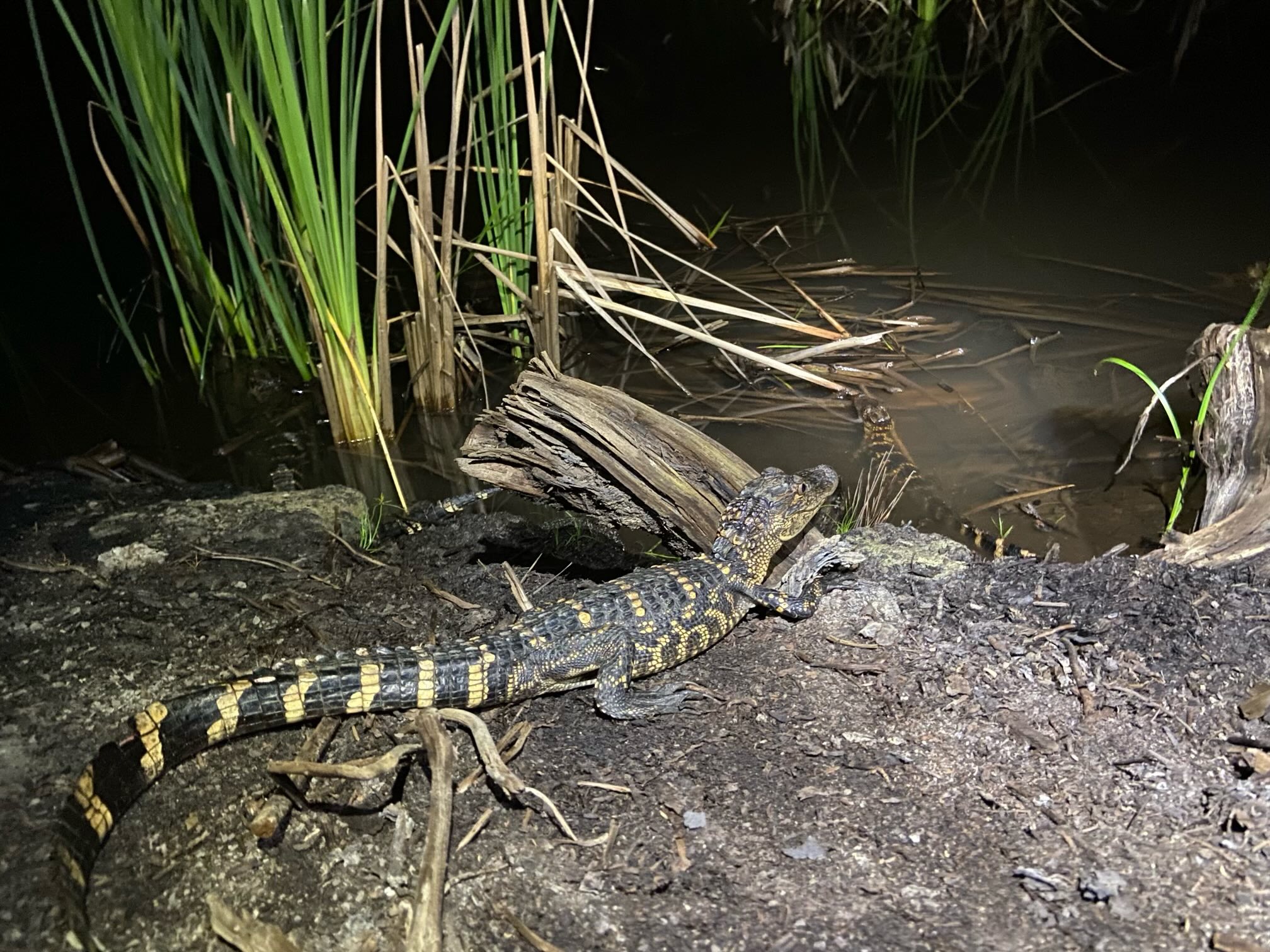
It’s well known that the sex of developing alligators is determined by temperature. But a new model suggests that even small changes in temperature can dramatically tip the balance between male and female hatchlings.
As the global climate warms, this could have important implications for the future of alligator populations.
- Can alligators and crocodiles crossbreed?
- There is only one place on Earth where crocodiles and alligators live together in the wild – and it's here
In most animal species, sex is determined by genetics. But in some, the environment has the final say. More than 40 years ago, researchers demonstrated that the sex of American alligators is determined by temperature. Eggs incubated at moderate temperatures (32 to 33 oC) tend to produce males, while those incubated at cooler temperatures (30 to 31oC) or hotter temperatures (above 36oC) tend to produce females.
But these trends largely reflect controlled laboratory experiments, where alligator eggs are incubated at constant temperatures. In the wild, conditions are much more variable, reflecting changing weather patterns and the shift from day to night.
- How does an alligator hold its breath underwater for so long?
- What are the black dots around an alligator’s mouth?
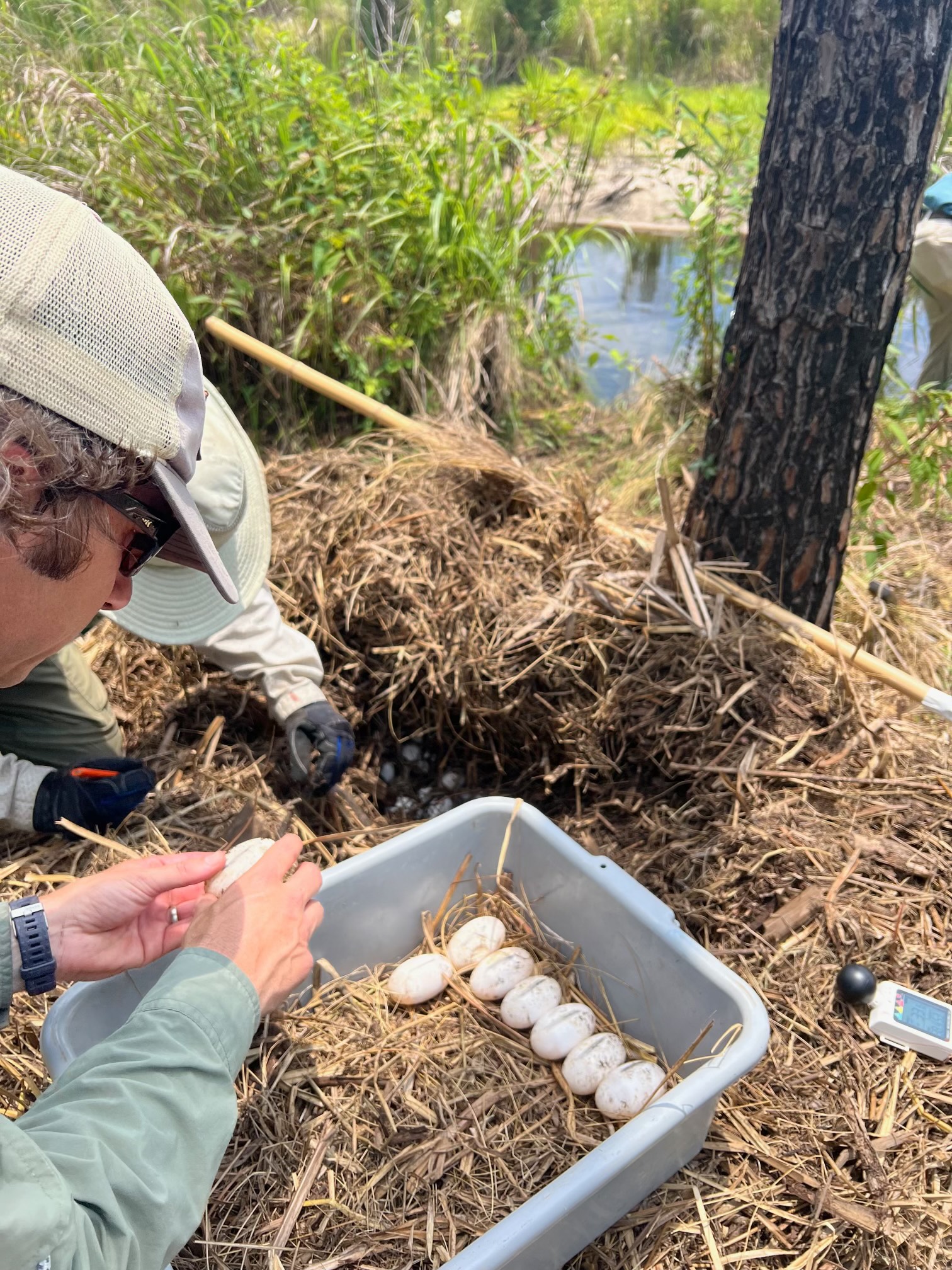
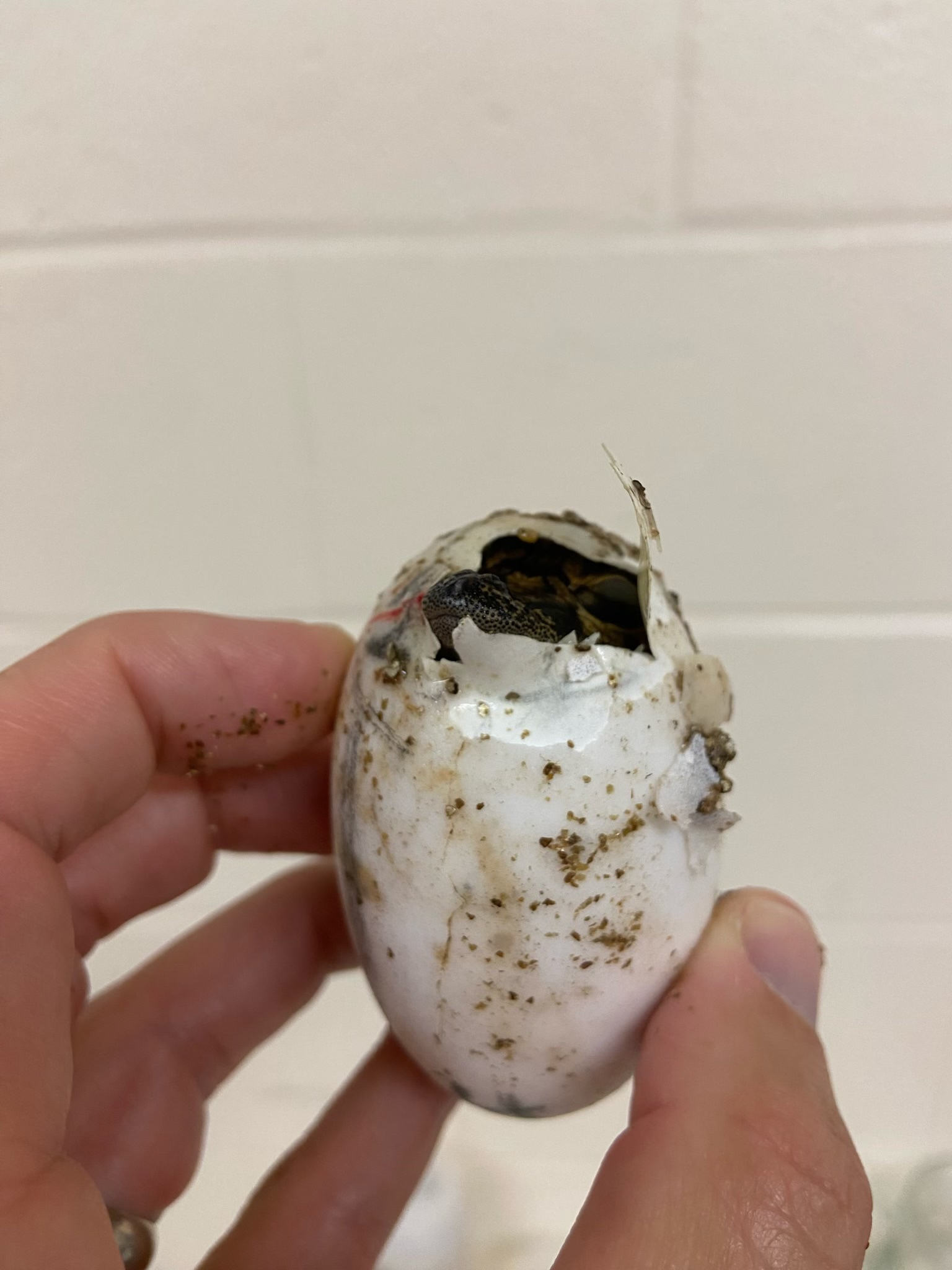
In the study, reported in the Journal of Experimental Biology, researchers collected 146 alligator eggs from seven nests in South Carolina. They incubated the eggs under five different temperature regimes, building in small daily fluctuations of around 2.8oC. Then they determined the sex of the developing alligators and used the results to build a more realistic model of how temperature influences sex determination.
At cooler temperatures, there were no surprises. Fluctuations made little difference and the alligators mainly developed as females. But at higher temperatures, even a change of a degree or two made a big difference in whether embryos developed as male or female.
“That’s really relevant for how the environment is going to be changing in the near future,” says Benjamin Parrott from the University of Georgia. “If temperatures are biasing sex ratios, that’s a big issue.”
The model also predicted that the shift towards female hatchlings may happen at a lower temperature than was previously thought, around 34oC rather than 36oC. And where earlier studies suggested that temperatures above 34.5oC could harm alligator embryos, the present study found that short bursts of high temperatures (up to 35.5 oC) seemed to have no ill effects.
“This work is important because it’s trying to ensure that we have an accurate tool to be able to say, ‘Okay, here’s a nest temperature. What sex will the alligators from this nest most likely be as a result?’, says Karin Ebey from the University of Georgia. With this model, “we’re able to know better what to expect.”
Top image: alligator research. Credit: Benjamin Parrott
More wildlife stories from around the world
- A carnivore has moved into Florida's Everglades – and it's threatening native crocodiles and alligators
- Camera strapped to jaws of Nile crocodile – here's what it filmed
- More than 100 swamp alligators caught in Georgia – something worrying has been found in their blood
- Stunning alligator photos show power and beauty of these incredible predators