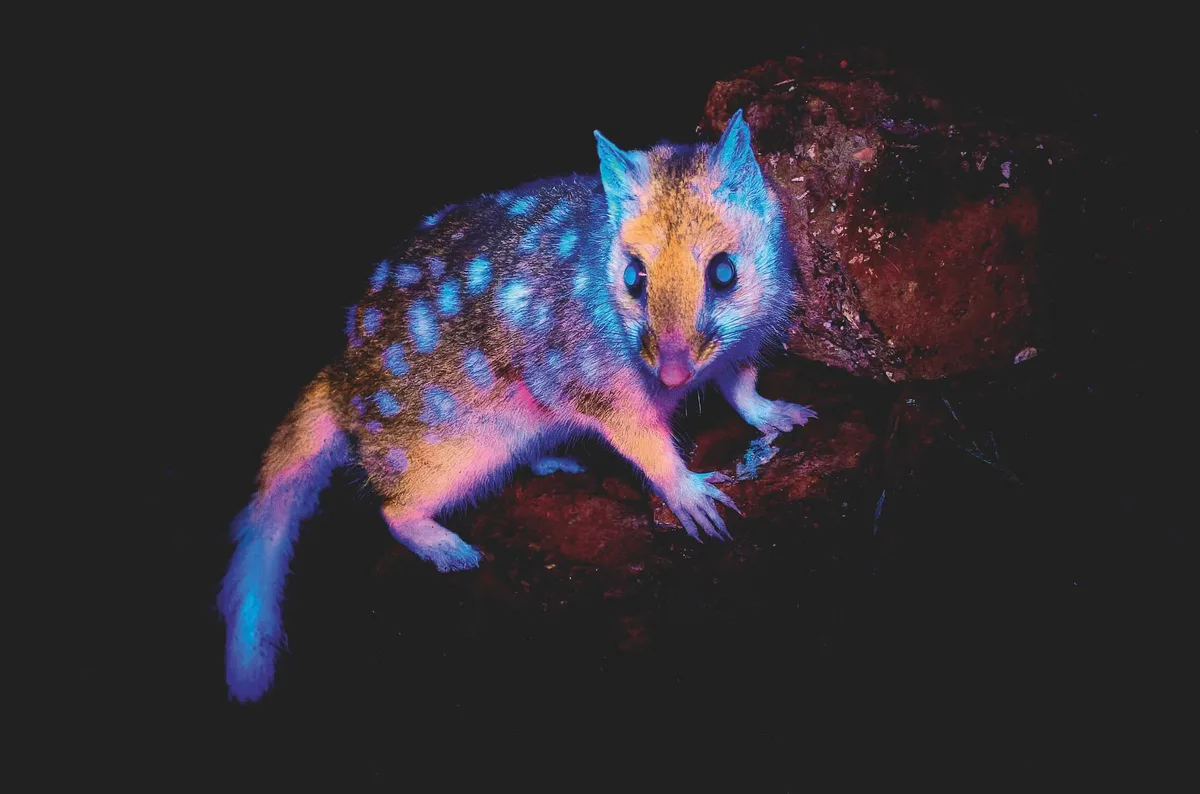
Nothing says ‘spooky’ like the alabastrine bones of a dismembered skeleton, but not all bones are white. Some animals have bones that are surprisingly colourful.
- Ancient bone discovered in New Zealand – and scientists are amazed at what it may belong to
- Forget Harry Potter these creatures have real-life invisibility cloaks... 10 weird, translucent animals you can see right though
From the purple bones of the sea otter to the jet-black bones of the ‘Lamborghini’ chicken, meet some of the skeletons lurking in nature’s weird animal closet.
Animals with strange skeletons
Sea Otter
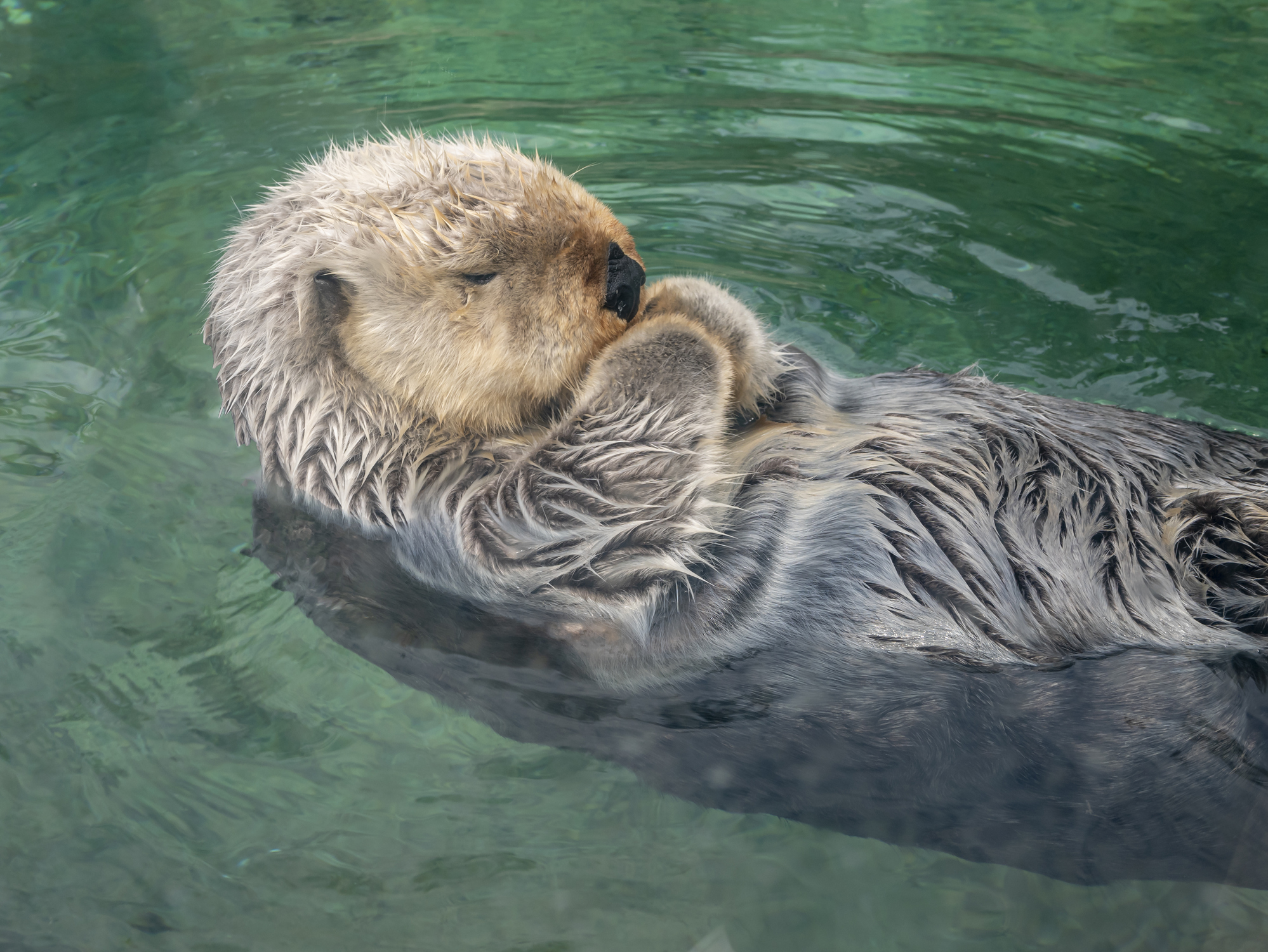
In May 2026, conservationist Molly Fishman was exploring the tidal pools at Asilomar State Beach, California, when she stumbled across a scene straight out of CSI. Scattered among the seaweed lay the skeletal remains of a spaniel-sized animal. Its short, blunt skull, loosely jointed spine and flipper-like hind feet identified it as a sea otter. But this was no ordinary skeleton. Every bone was purple.
- Why is this small bone worth thousands of pounds?
- This creature might be tiny but it sure is mighty as it has a backbone strong enough to withstand being stood on by a 70kg human
The find was unusual, but not unheard of. Sea otters have a penchant for purple sea urchins, which they eat in large quantities. The shells and spines of these marine invertebrates contain a natural violet-red pigment called echinochrome. Over time, the pigment can build up in the bodies of otters that eat them, staining their bones pinkish-purple.
This diet-induced colour shift is similar to the human condition carotaenemia. When people eat too many carrots, fat-soluble beta-carotene accumulates in the skin, giving it an orange tinge.
Pumpkin Toadlet
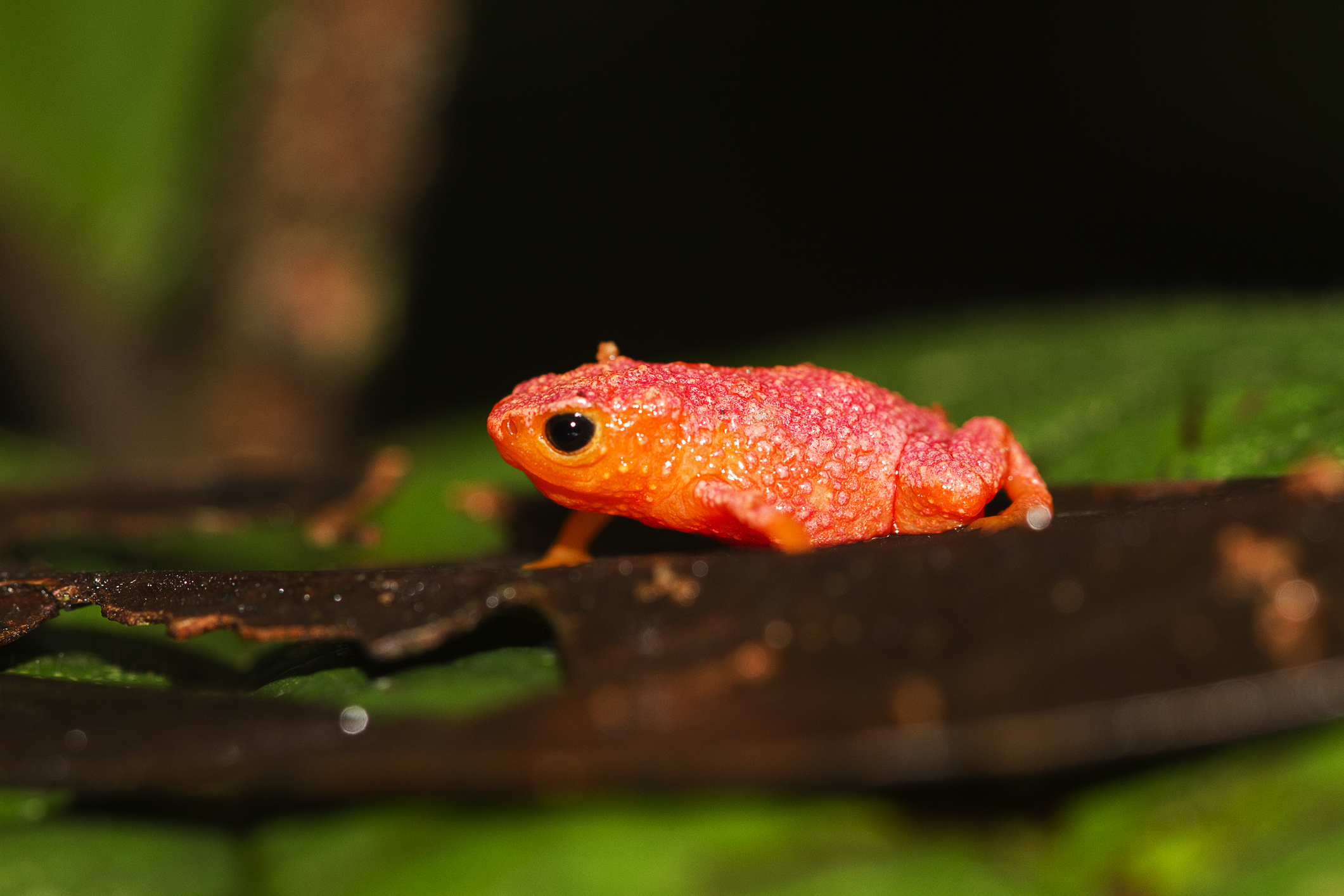
The pumpkin toadlet is a tiny, thumbnail-sized frog with bright orange skin. It lives among the leaf litter on the floor of Brazil’s Atlantic rainforest, where it feeds on insect larvae and other invertebrates. But shine an ultraviolet light on it, and something unexpected happens: its skeleton glows blue beneath its paper-thin skin.
Scientists stumbled upon this effect while studying how the amphibians communicate. Pumpkin toadlets are deaf to the sound of their own mating calls, so researchers have speculated that their fluorescent bones may help the amphibians to attract a mate. Another possibility is that the glow reinforces the orange colouring of their skin, warning predators to keep their distance. Pumpkin toadlets may be tiny, but they are incredibly toxic. Their livers, skin and ovaries contain 11-oxotetrodotoxin, a potent neurotoxin that blocks nerve signals.
- "With the flex of a muscle, it can produce an arsenal of sharp, curved claws that snap out of its toes like switchblades" 11 weirdest, bizarrest frogs on the planet
- “This huge ‘cloud’ seemed to come out of nowhere. Suddenly frogs started to fall from the sky. I thought a plane carrying frogs had exploded..."
Prasinohaema skink
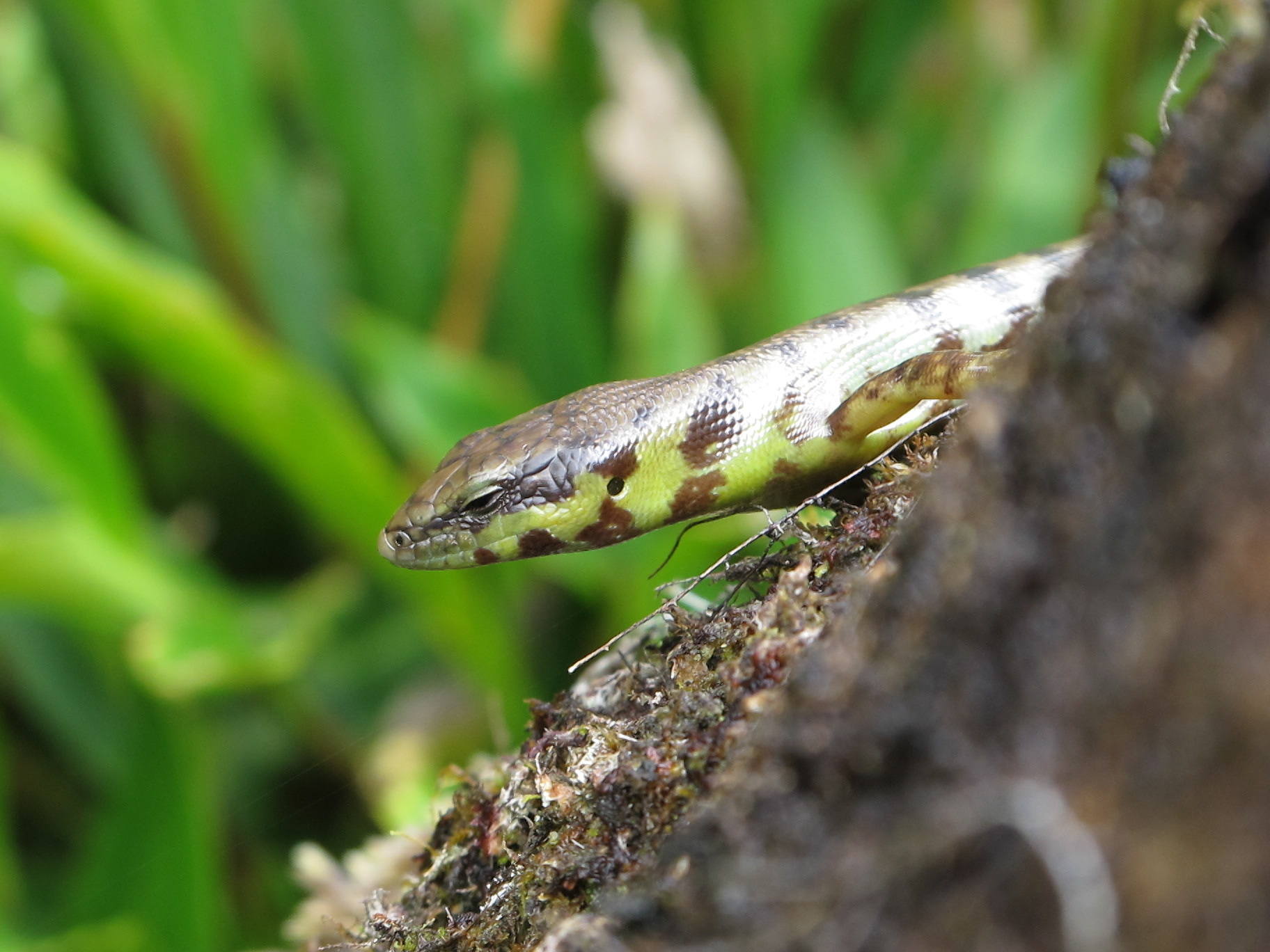
Prasinohaema means “green blood” in Greek. And these zippy skinks have plenty of it. Their bones, muscles and other tissues are also green. Native to New Guinea and the Solomon Islands, these little reptiles seem to have borrowed their colour palette directly from the Hulk.
The hue is caused by high levels of biliverdin, a green bile pigment that is created when the body breaks down old red blood cells. In most vertebrates, biliverdin is converted into another chemical, bilirubin, and then excreted. In these skinks, however, it builds up to reach levels that other animals would find toxic. In a 2025 study, researchers discovered that the skinks carry unusual versions of a gene called alpha-fetoprotein. It’s thought that the protein produced by this gene may bind to biliverdin, helping to transport it safely around the skink’s body.
Eastern fox squirrel
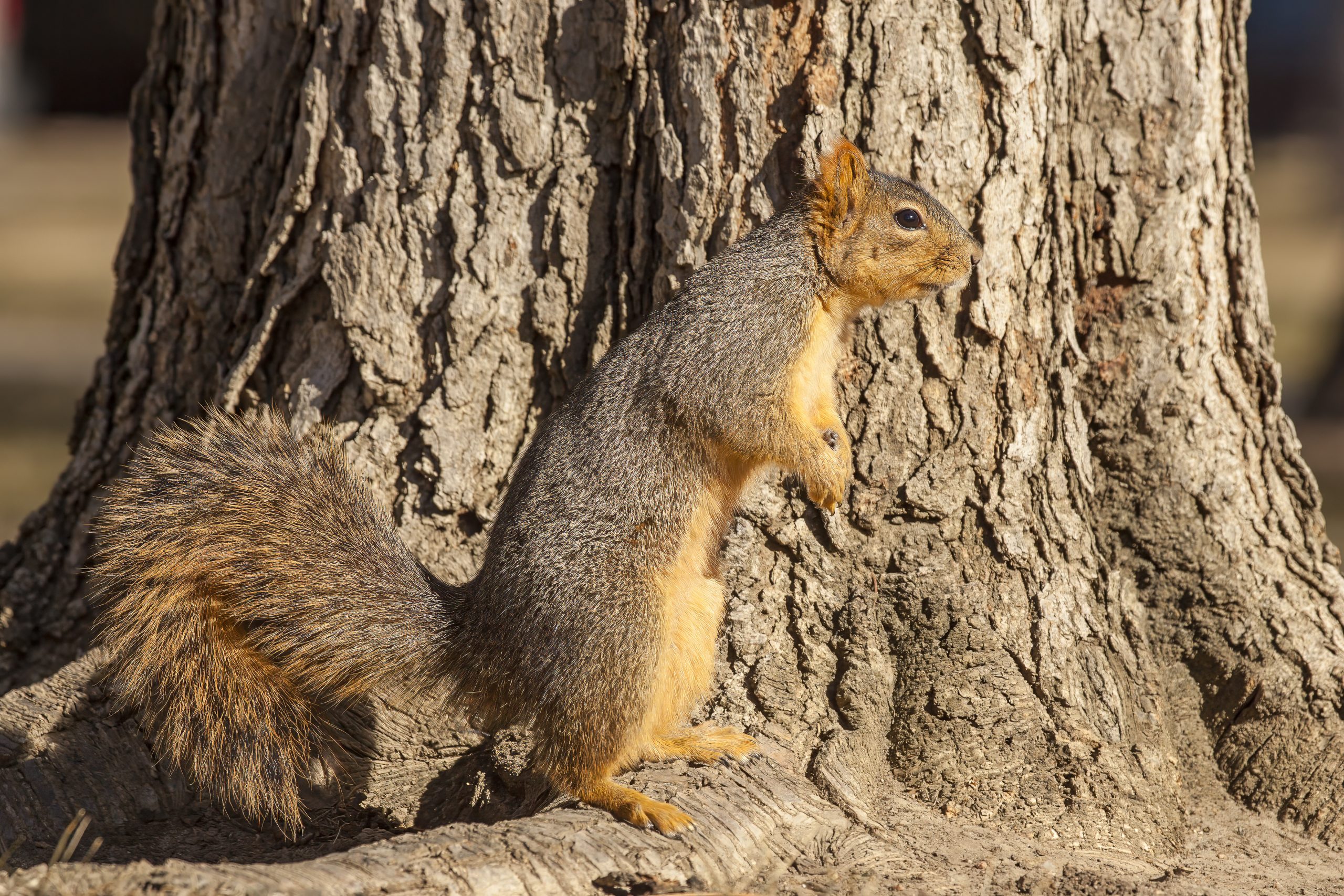
The eastern fox squirrel, also known as Bryant’s fox squirrel, is the largest species of tree squirrel native to North America. A familiar year-round fixture in city parks and woodlands, it has flexible ankle joints that allow it to rotate its feet through 180 degrees and climb down trees headfirst.
Place its bones under an ultraviolet light, however, and this otherwise ordinary-looking squirrel reveals an extraordinary secret: its skeleton glows pink.
The colour is caused by a build-up of a chemical called uroporphyrin I. Eastern fox squirrels have an inherited form of a metabolic disorder called porphyria, which affects the production of haem, the iron-containing component of haemoglobin. As a result, uroporphyrin I accumulates in their bones and teeth. When exposed to ultraviolet light, the compound absorbs the energy and re-emits it as a vivid pink glow.
Ayam Cemani
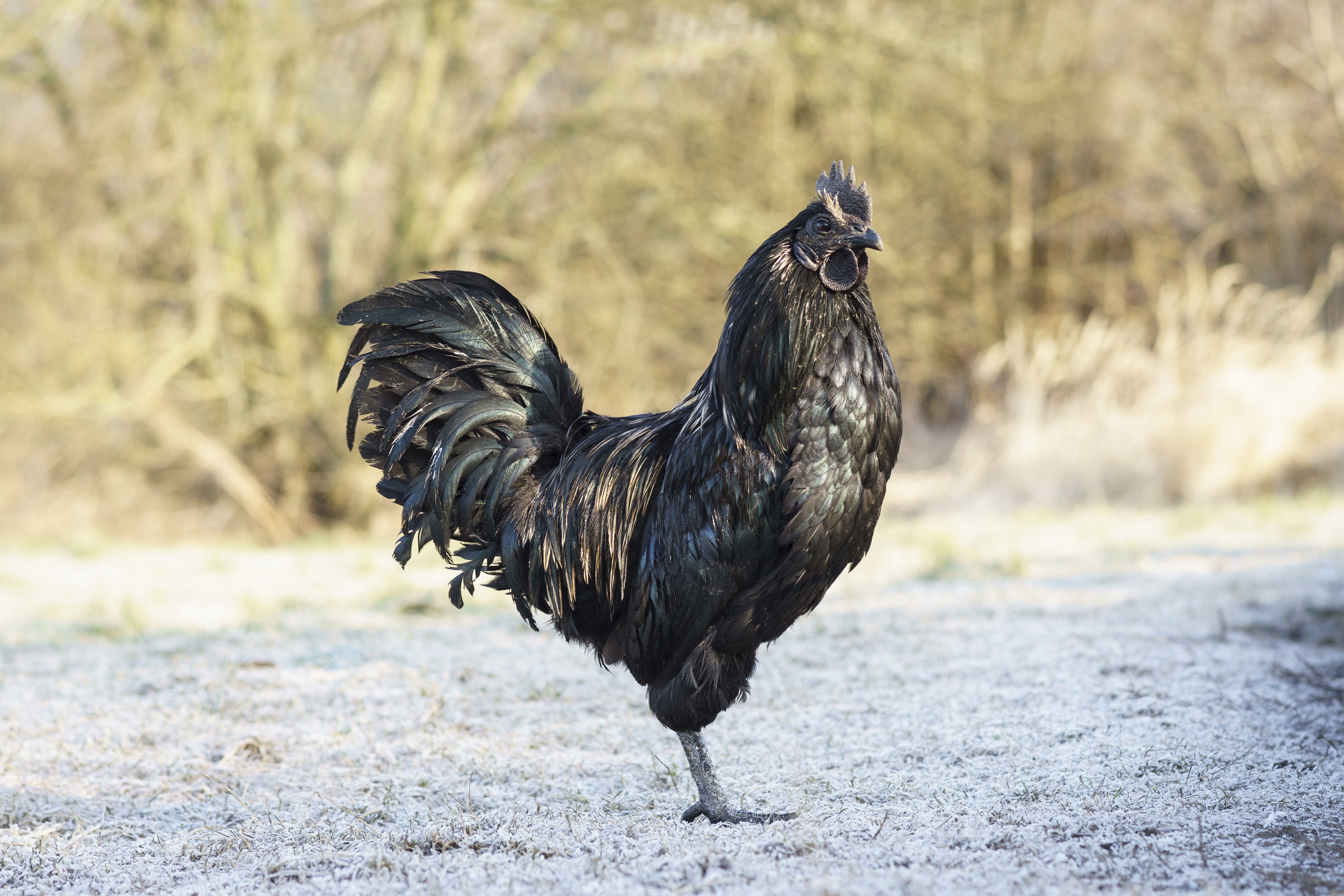
The Ayam Cemani is a rare breed of chicken, sometimes dubbed the “Lamborghini of the poultry world.” Like the luxury sports car, these glossy black birds come with a hefty price tag – in the UK, prize specimens have been known to fetch more than £1,500.
And what do you get for your money? A stunning bird that is almost entirely black, inside and out. Bones, beak, feathers, skin and internal organs are all as inky as the night sky. The unusual colouring is due to a condition called fibromelanosis. During development, a genetic mutation causes the birds to overproduce pigment-making cells, which spread dark melanin pigment through the body.
Madagascan chameleon
Chameleons are famous for their ability to change colour, but some have another trick hidden under their skin. Shine an ultraviolet light on some Madagascan species, and their skulls light up with bright blue spots. It’s not the whole skeleton that glows, but tiny bony bumps, called tubercles, that protrude from the skull. The skin covering these bumps is exceptionally thin and translucent, allowing the fluorescence to shine through.
In a 2018 study, researchers found that these fluorescent patterns vary between species of chameleon and, sometimes, between males and females. This hints that they may play a role in visual communication, helping chameleons to identify potential mates or distinguish members of their own species. The blue glow pops out against the greens and browns of the forest, making the markings conspicuous against their natural surroundings.