
Scientists have discovered the first adult T. rex trackway: a connected sequence of fossilised footprints left behind by a single dinosaur as it moved across the prehistoric landscape.
The findings, made by researchers from the Denver Museum of Nature & Science and Liverpool John Moores University in England, are published in the Journal of Vertebrate Palaeontology.
- 10 deadliest dinosaurs on the planet: meet the ferocious prehistoric beasts that ruled Earth
- Can a dinosaur really be mummified? How Earth can soft tissues survive for millions of years?
Isolated T. rex footprints have been found before, but this is the first time scientists have been able to describe a sequence of tracks made by the ‘king of the dinosaurs’.
The trackway was discovered in 2025 in the Hell Creek Formation in southwestern North Dakota, USA, by Kent M. Hups, a teacher at Northglenn High School in Colorado and co-author of the paper.
The trackway is approximately 7m long and consists of four three-toed footprints. Each footprint is roughly 9cm long and researchers estimate they were made about 66.5 million years ago.
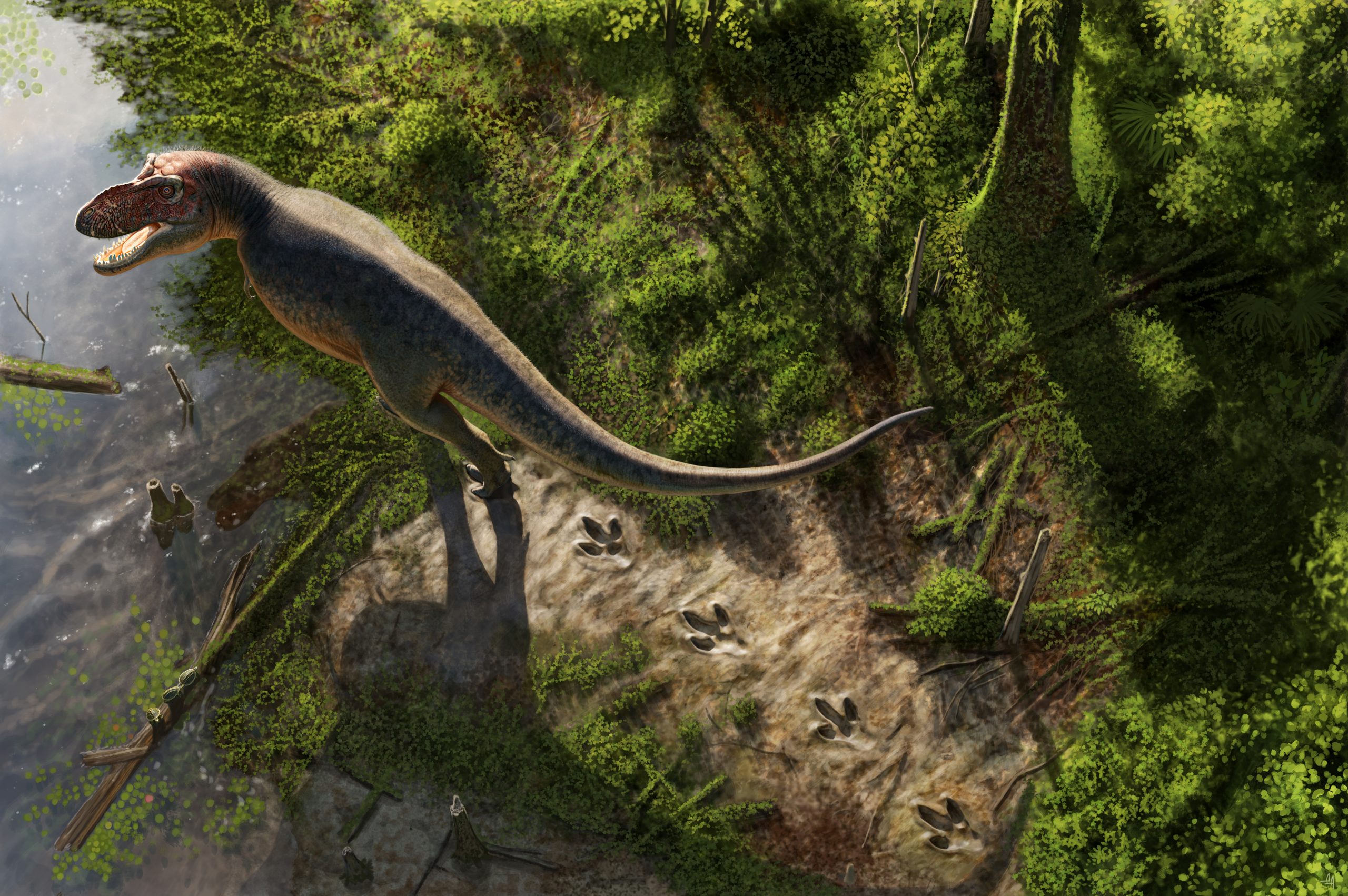
The T. rex has been identified as the most likely dinosaur to have made the tracks based on the footprint size and the narrow shape of the toes, as well as an abundance of T. rex fossils found in the area.
The trackway consists of two left and two right footprints with a stride of approximately 4m. Although the tracks were heavily weathered, the researchers were able to roughly estimate the animal’s speed at about 5.6–7.2kph, which is comparable to a brisk walking pace for a human.
“Bones tell us an enormous amount about these animals, but footprints capture a moment of behaviour. With a trackway, we can actually follow an animal as it moved across the landscape,” said Tyler Lyson, senior curator of vertebrate palaeontology at the Denver Museum of Nature & Science.
“That is incredibly rare for T. rex.”
The researchers used high-resolution 3D surface scanning to document each footprint to create digital models that allowed them to examine the tracks in detail and create physical 3D reproductions.
- Dinosaur footprints found "hiding in plain sight" in Australian high school
- 16,000 dinosaur footprints discovered in Bolivia. It's the largest collection ever found
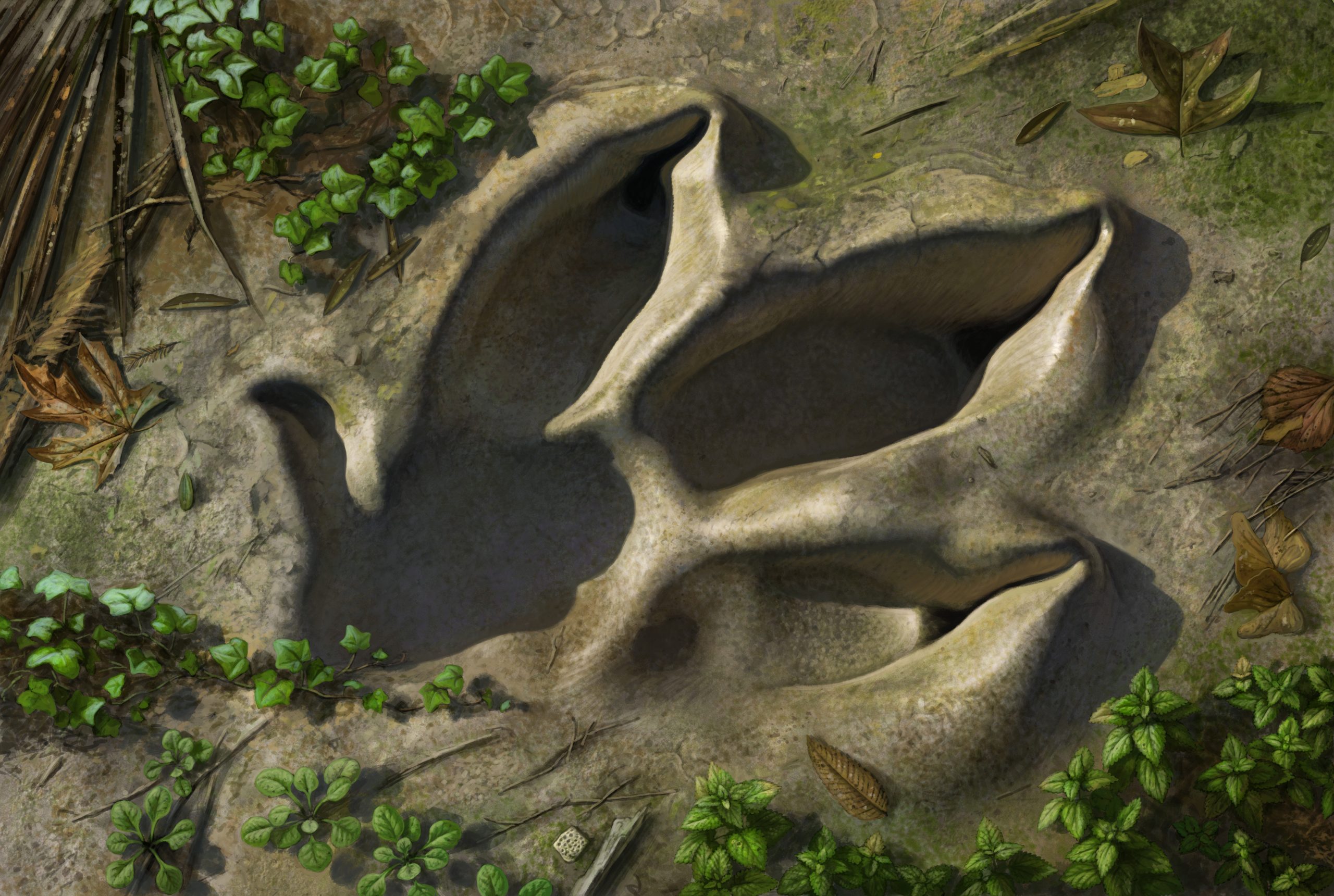
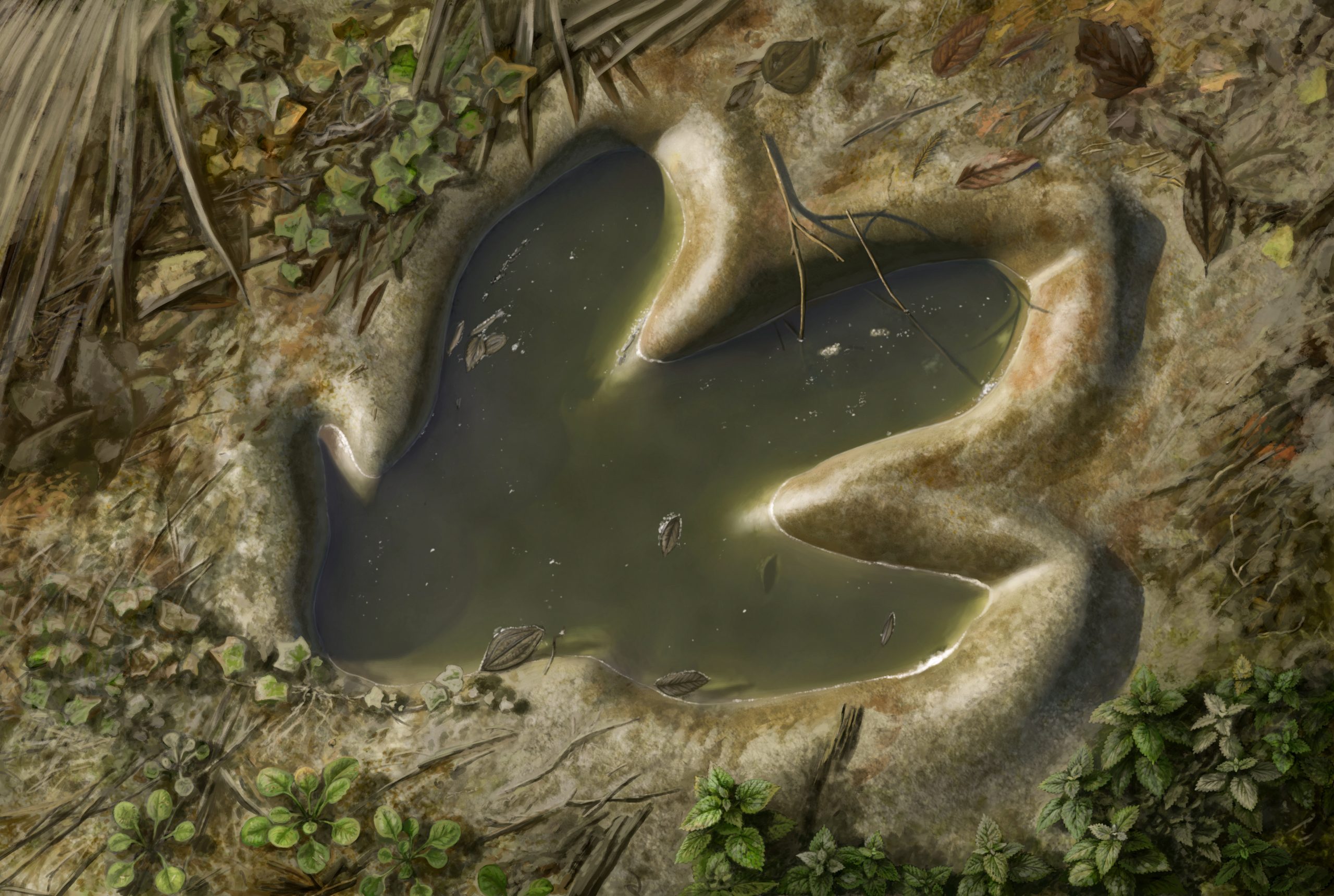
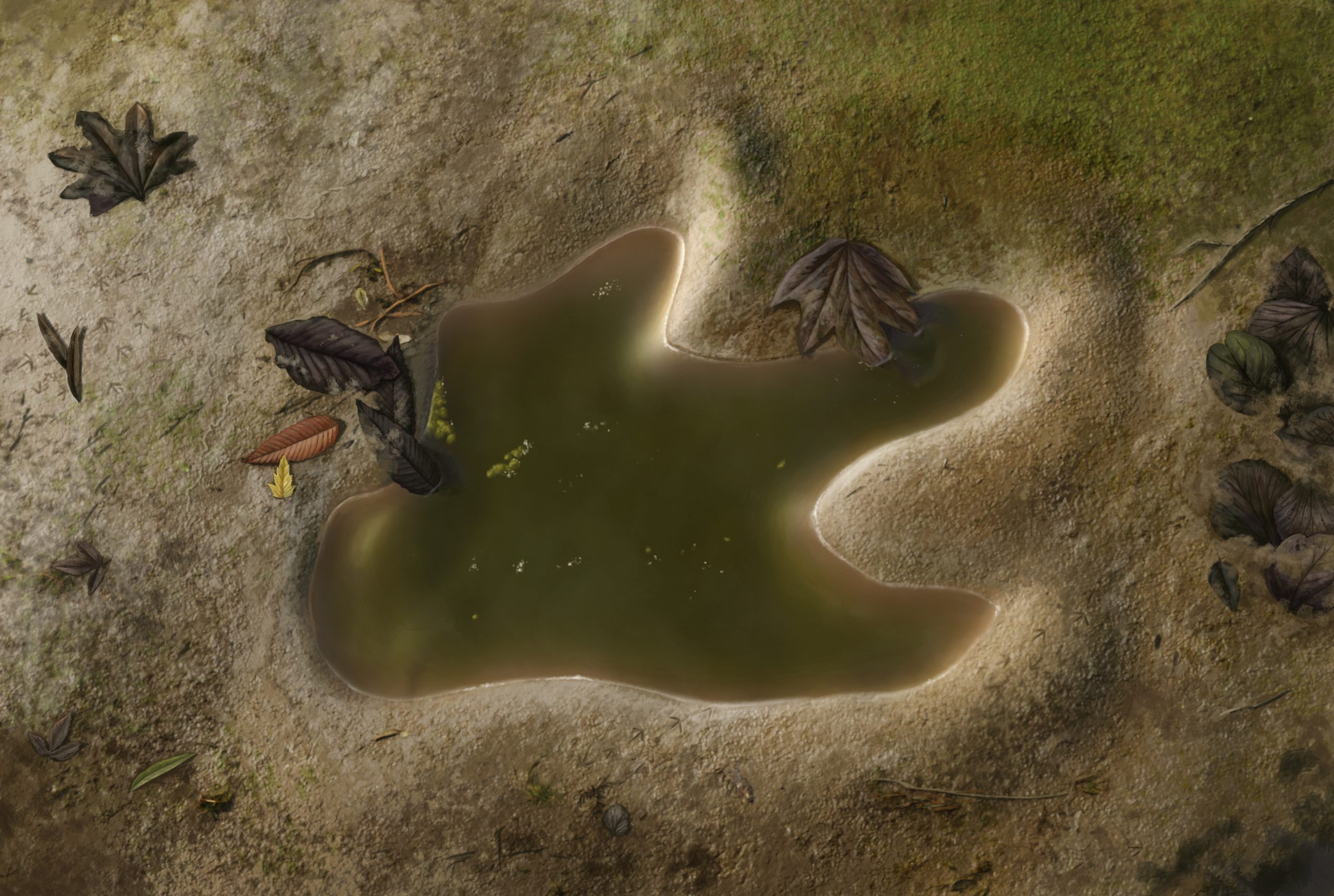
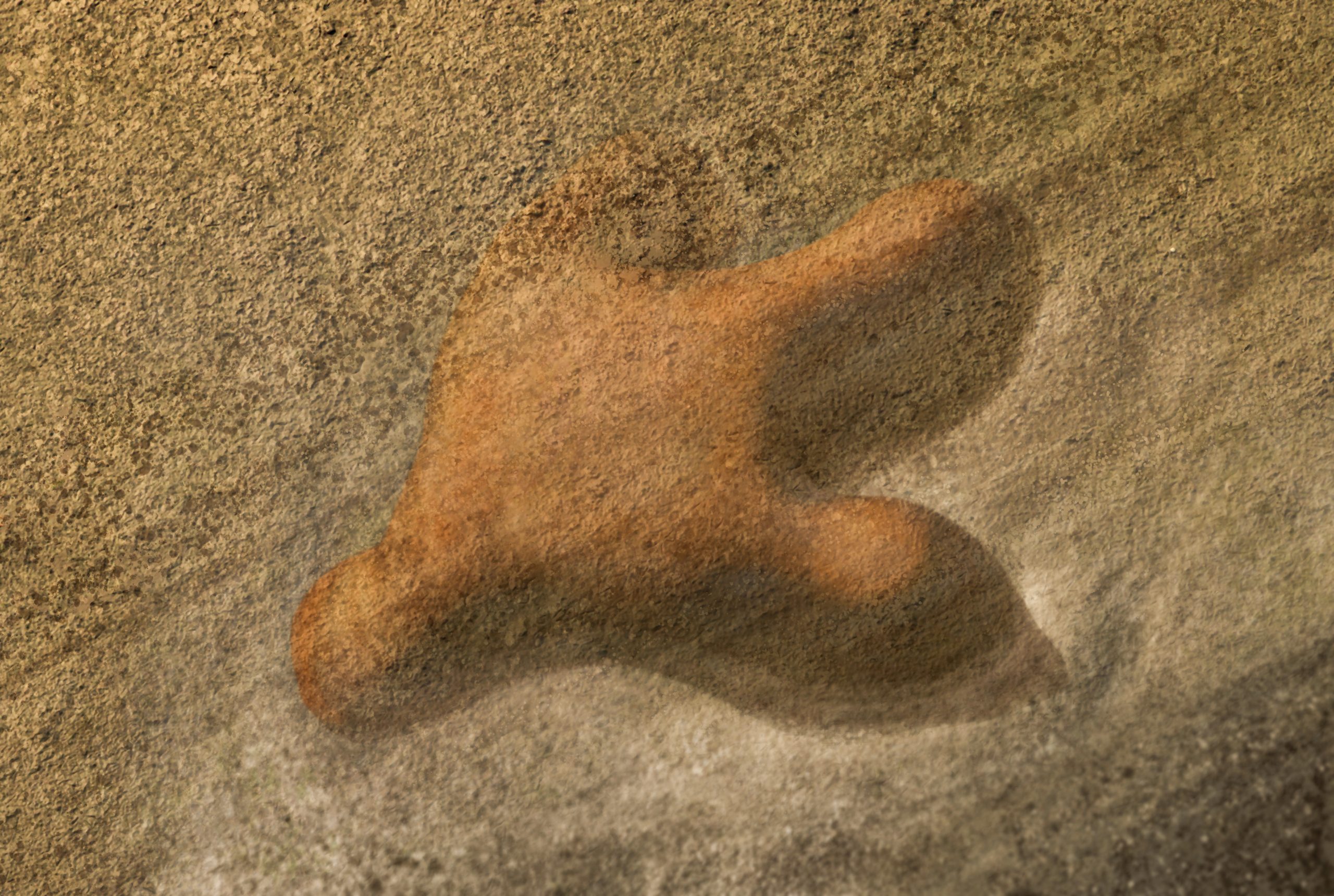
Peter Falkingham, a professor of palaeobiology at Liverpool John Moores University and dinosaur track expert, as well as the lead author of the study, never actually saw the tracks in the field.
“The technology we’re able to apply in the digital age means my colleagues could scan the tracks in the field and then send the 3D information over to me to visualise on my computer and in VR (virtual reality), enabling me to take as close a look as they did in person,” he said.
Three of the footprints are to be recovered by helicopter later this year and transported to the Denver Museum of Nature & Science.
Read the full findings here.
More photos from the field:
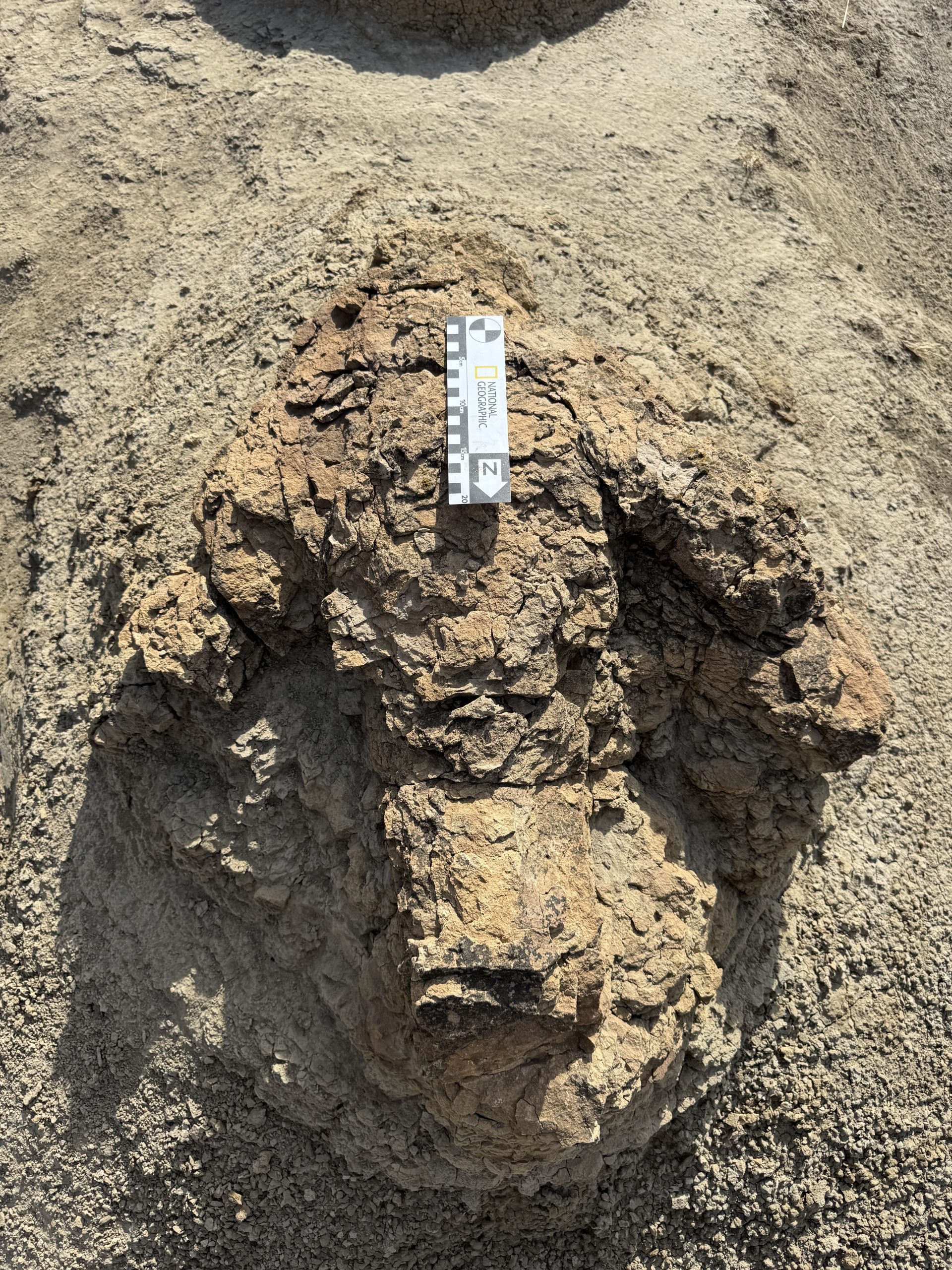
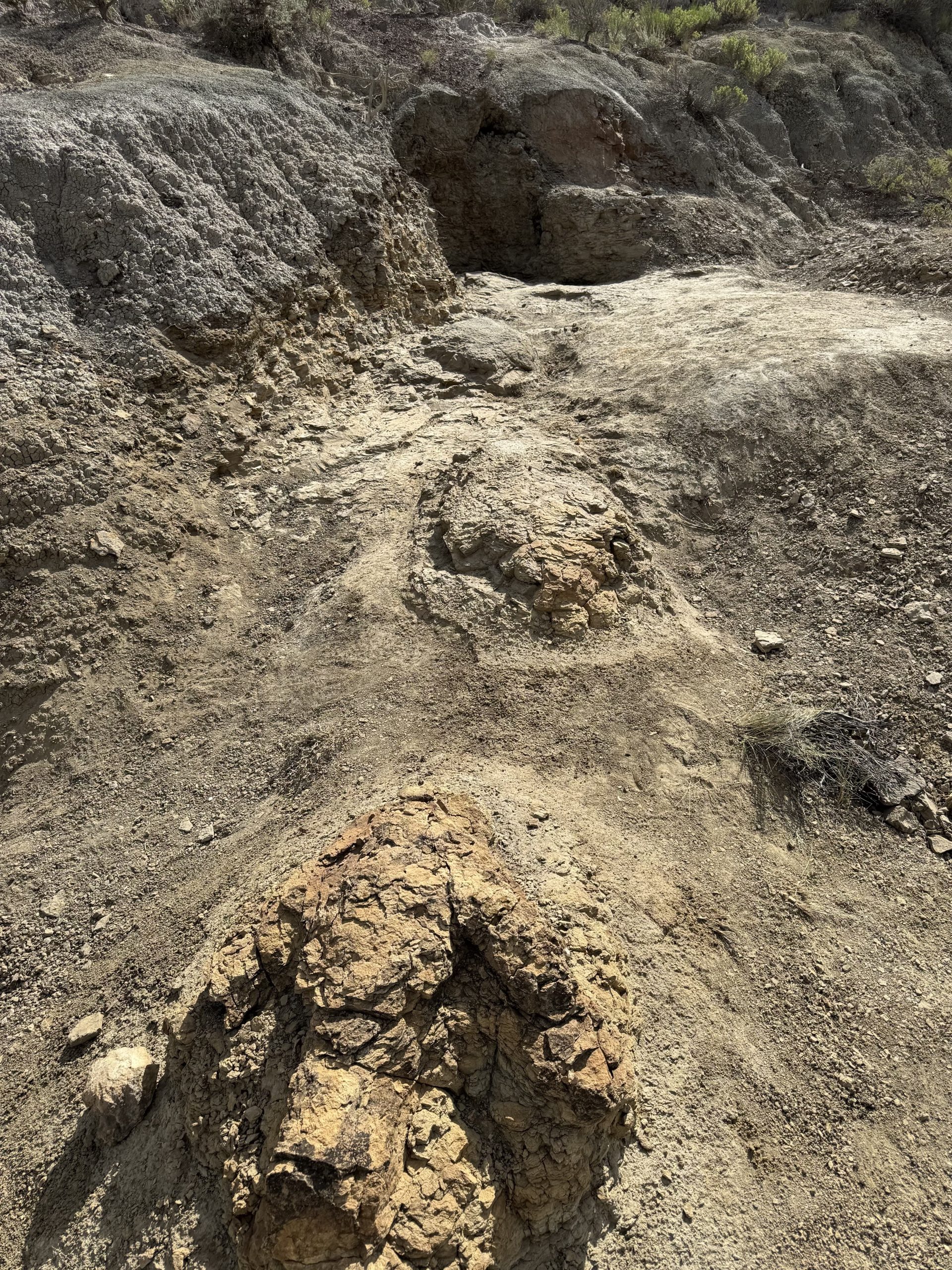
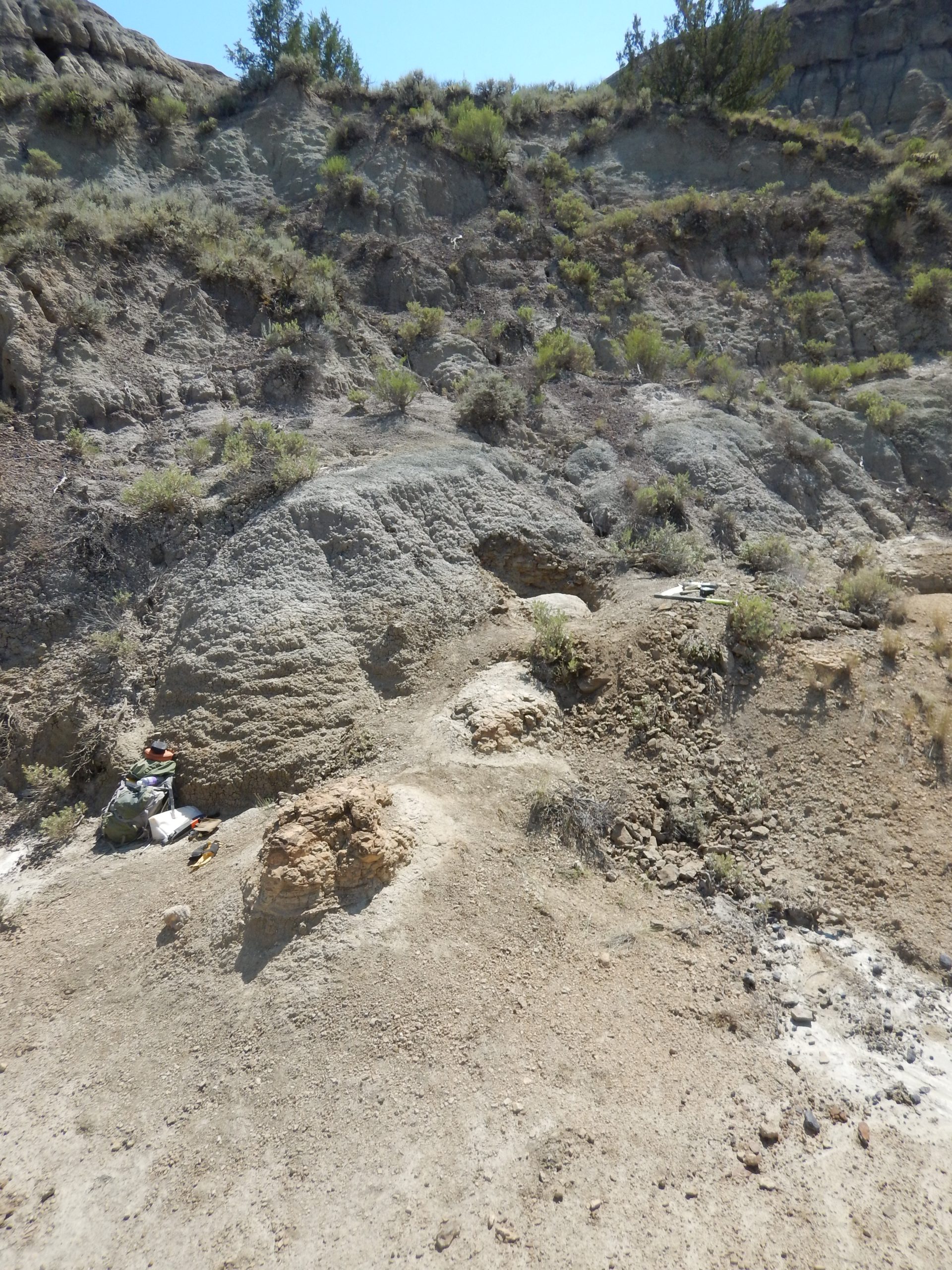
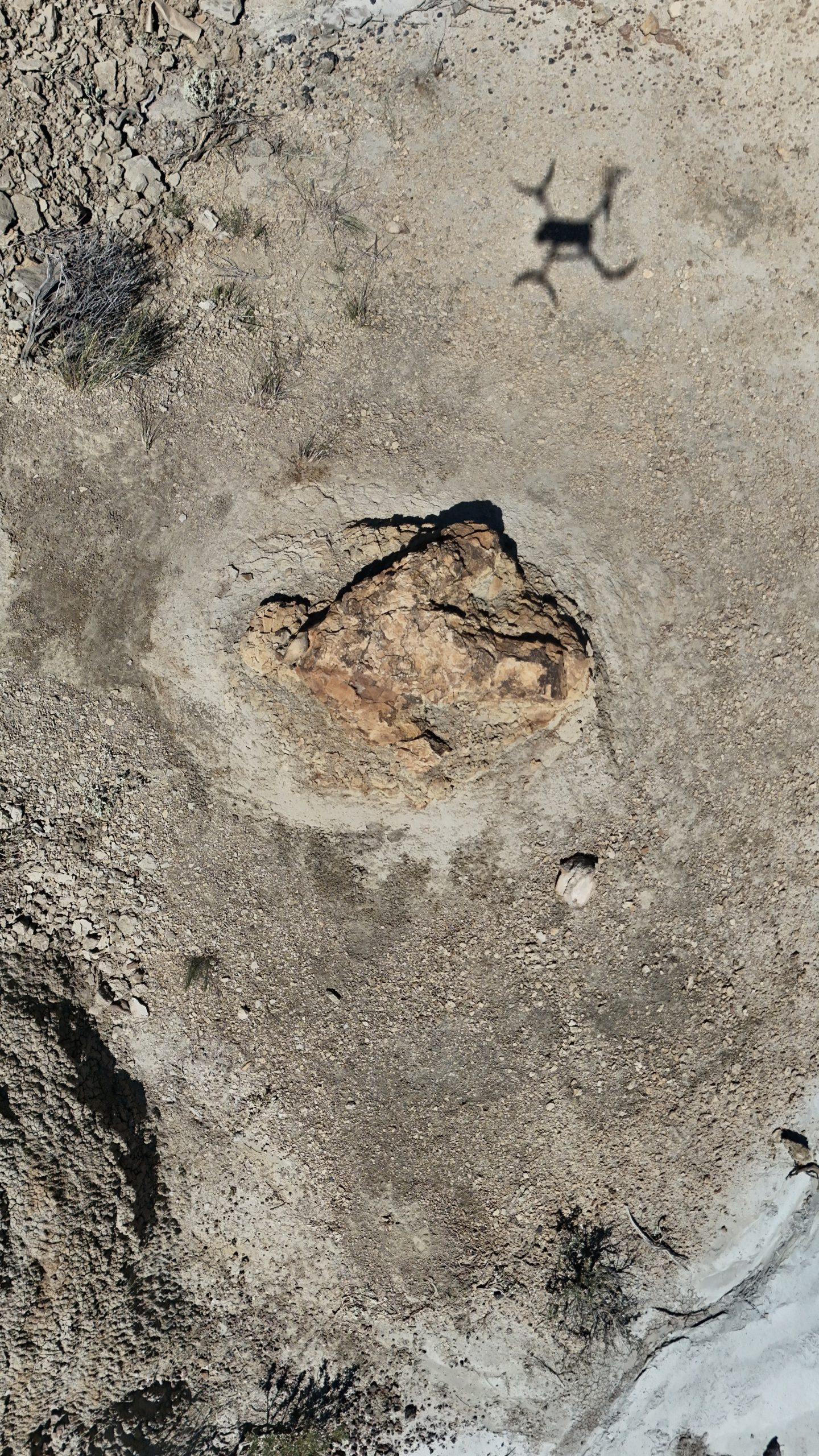
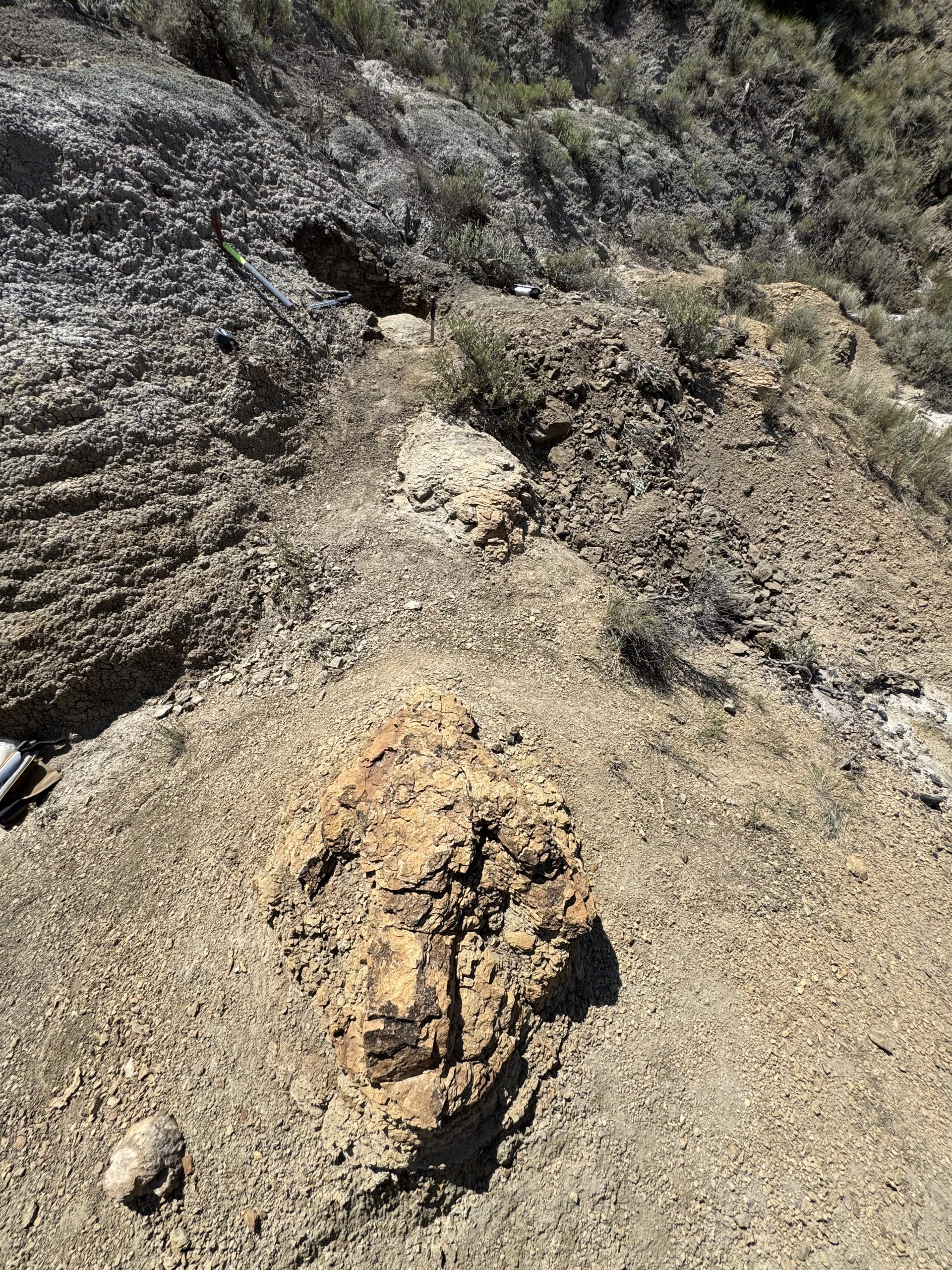
Top image: T. rex trackway. Credit: Tyler Lyson
Footprint creation reconstruction illustrations credit: Andrey Atuchin


