
Tucked in a volcanic crater on the North Island, Frying Pan Lake is one of New Zealand’s most extraordinary natural wonders – a vast, steaming lake located in the Echo Crater of the Waimangu Volcanic Valley in the Rotorua region.
Unlike many of New Zealand’s natural hot springs, Frying Pan Lake is not safe to soak in, as the water is highly acidic and dangerously hot.
- "One day it’s there. The next it’s gone. Then it’s back again." 11 weirdest, bizarrest lakes on the planet – including one that contains a fluid that's not water...
- This lake in Canada just vanished. And it's not coming back
What is Frying Pan Lake?
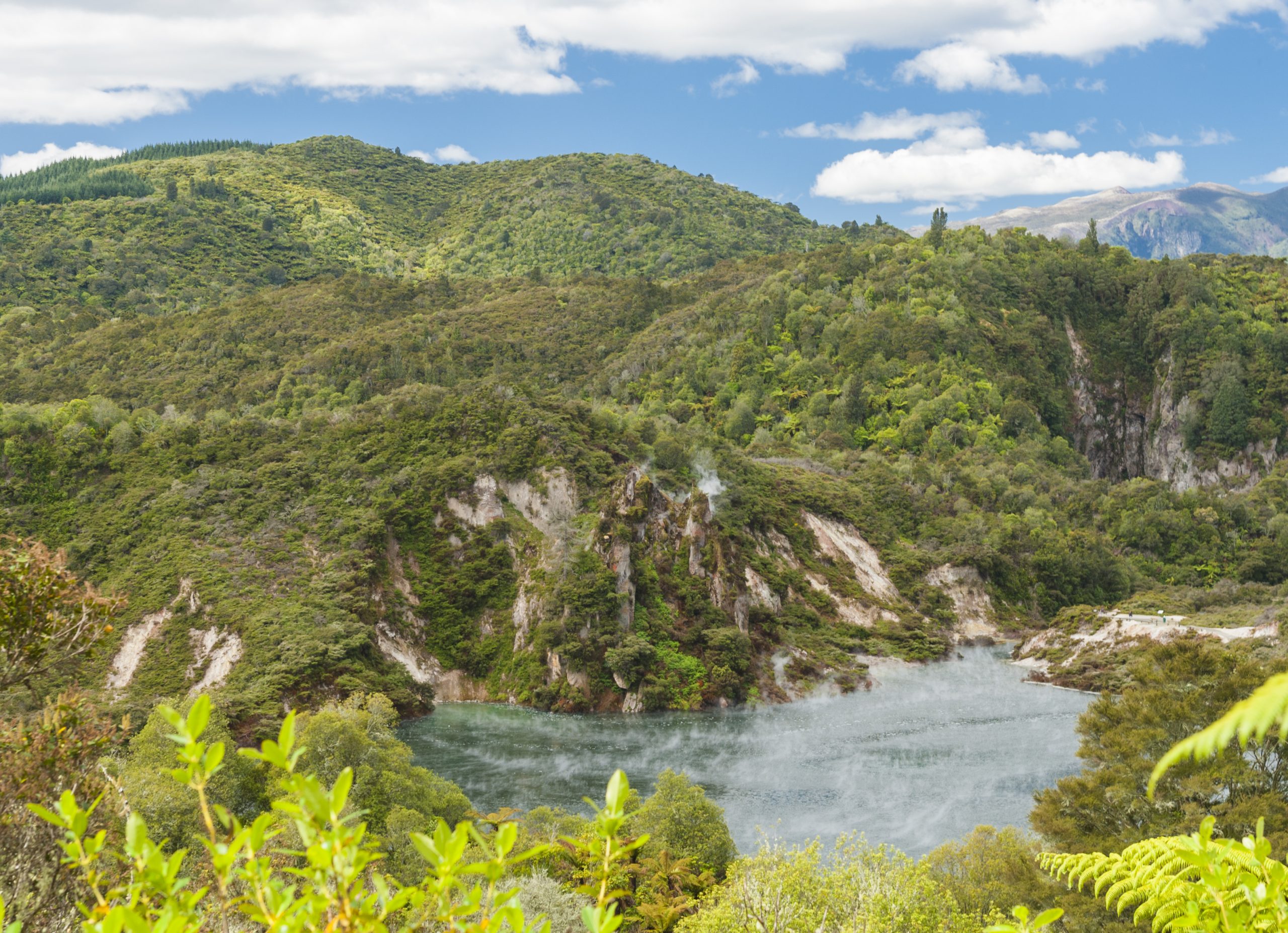
Frying Pan Lake was formed after a hydrothermal eruption in 1917, following the eruption of Mount Tarawera in 1886. Covering approximately 38,000 square metres (3.8 hectares), it is recognised as the world’s largest hot spring by surface area.
The lake occupies part of Echo Crater, a volcanic depression whose history is closely linked to the region’s dramatic geological past. Its pale blue-green water is continually heated by geothermal activity beneath the Earth’s surface, while steam rising from the lake gives it an atmospheric, almost otherworldly appearance.
The name comes from its resemblance to a giant frying pan: the bubbling water and clouds of steam make the surface look as though it is sizzling. Water temperatures are generally around 45-55°C, although conditions can vary across the lake.
The volcanic history of Frying Pan Lake
To understand Frying Pan Lake, it helps to look back to 10 June 1886, when Mount Tarawera erupted in one of New Zealand’s most significant volcanic events. The eruption devastated the surrounding landscape, creating a series of craters and dramatically reshaping the area.
Over the following decades, volcanic heat and underground water interactions created a remarkable collection of hot springs, steaming vents and crater lakes. Frying Pan Lake itself formed following a hydrothermal eruption in Echo Crater in April 1917. The eruption reshaped the crater and the resulting hollow gradually filled with hot water and rainwater to create the lake seen today.
The geothermal system remains active, powered by heat from deep beneath the valley. Water circulates through fractures in the Earth’s crust before rising towards the surface, sustaining the lake and the surrounding geothermal features.
What makes Frying Pan Lake so unusual?
The sheer scale of Frying Pan Lake is impressive, but its geothermal power is equally awe-inspiring. Filled with acidic water, numerous hot springs feed into the lake and the massive surface is often shrouded in steam, with gases escaping from geothermal vents contributing to the bubbling and movement of the water. Frying Pan Lake may look like a giant natural spa, but the water is hot and acidic and can cause serious burns.
The lake is also part of a wider geothermal network, with its activity linked to the nearby Inferno Crater Lake, another of Waimangu’s remarkable natural features. Researchers have observed an inverse relationship between the discharge of the two springs, although the precise mechanism behind their connection remains unknown.
- Mesmerising timelapse video shows tiny creatures glowing deep inside New Zealand cave
- 100 new ocean species discovered off the coast of New Zealand
Wildlife in the Waimangu Volcanic Valley
Frying Pan Lake sits within Waimangu Volcanic Valley, a rich habitat where regenerating native forest has sprung up around the geothermal landscape. Waimangu is protected as a wildlife refuge and its diverse vegetation provides food and shelter for a wide range of species.
Kererū, New Zealand pigeon
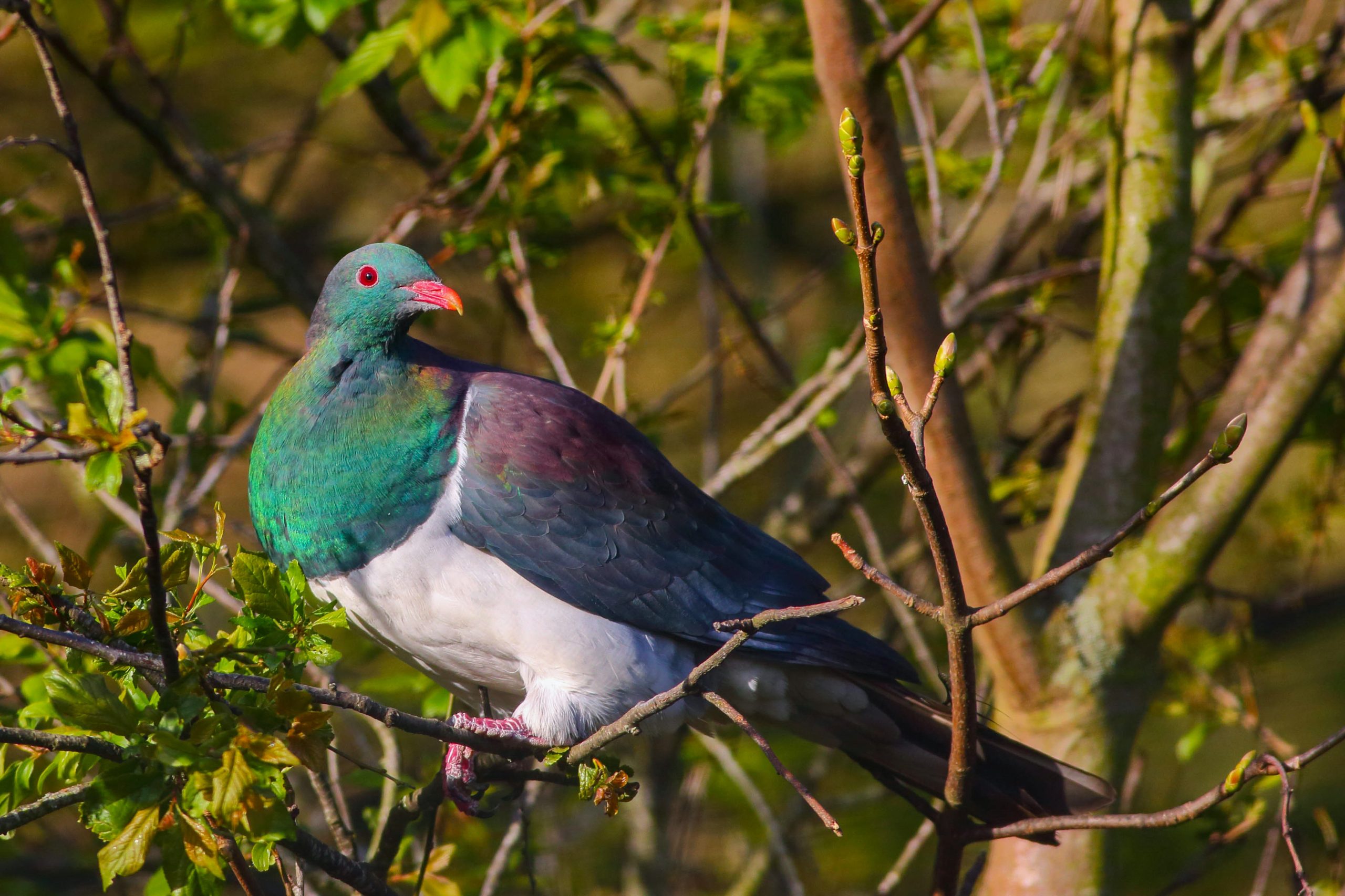
One of the easiest birds to spot around Waimangu is the kererū (Hemiphaga novaeseelandiae), New Zealand’s large native wood pigeon. Look for its striking blue-green and bronze plumage, white breast and distinctive whirring wingbeats as it flies between the trees. Kererū feed on fruit, flowers, leaves and buds, and play an important role in dispersing the seeds of native plants – particularly valuable in Waimangu’s regenerating forest.
Pīwakawaka, New Zealand fantail
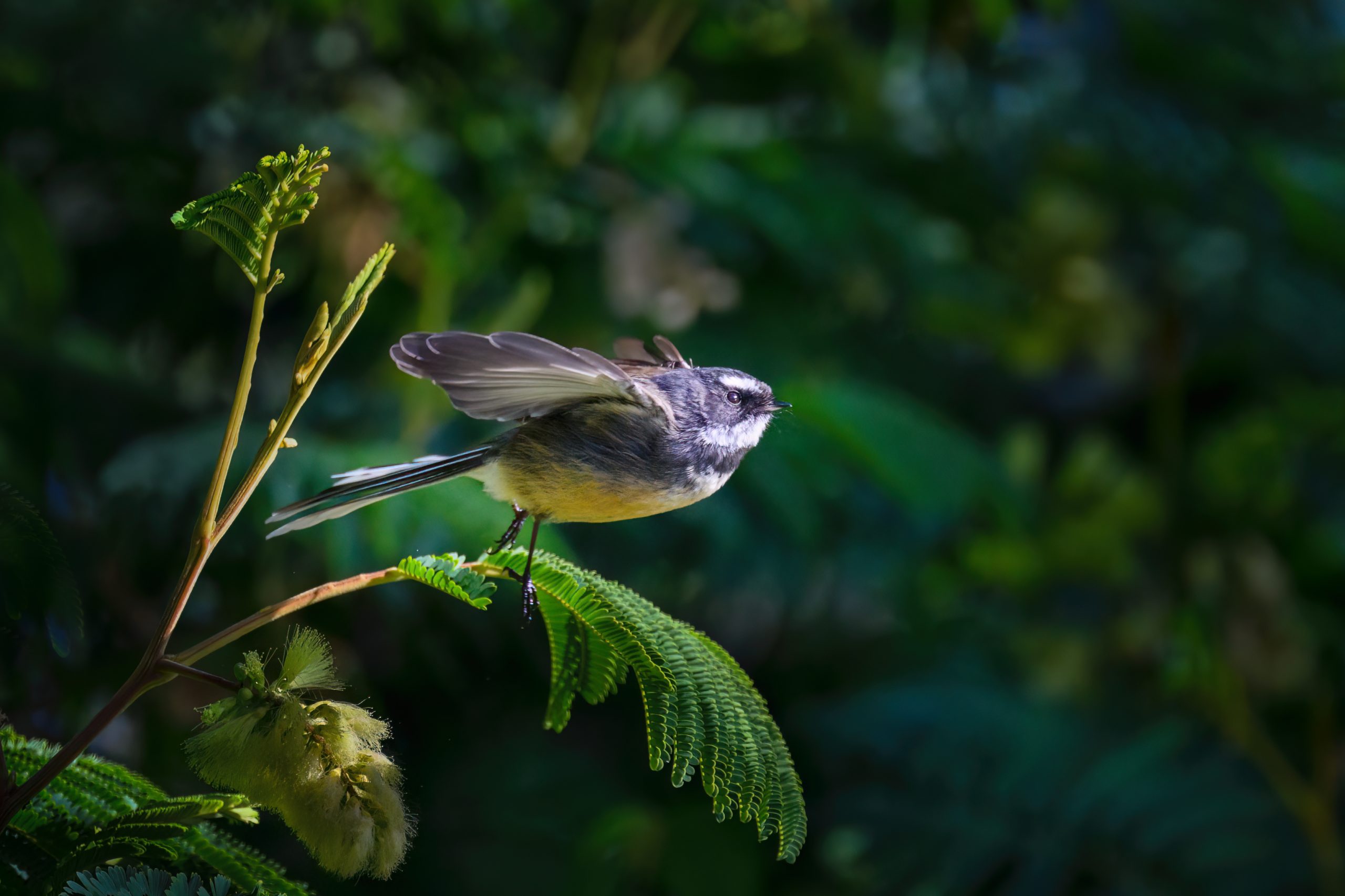
These tiny native birds are instantly recognisable by their distinctive fan-shaped tails and acrobatic flight. Pīwakawaka (Rhipidura fuliginosa) dart through the air catching flies, moths and other insects, often appearing surprisingly close to walkers. Listen out for their characteristic high-pitched chatter as you explore the valley, particularly along the nature trail near Lake Rotomahana.
Riroriro, grey warbler
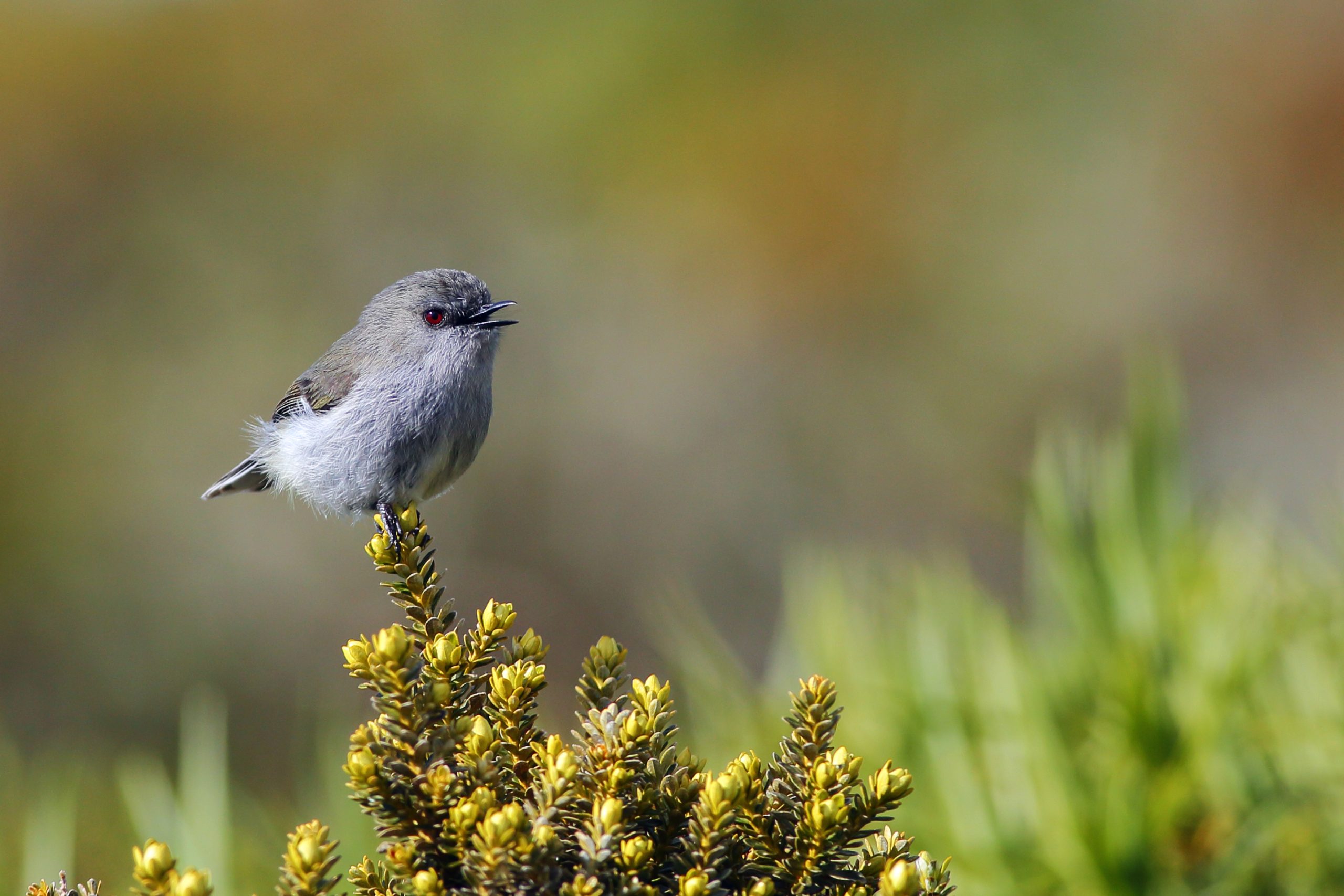
Weighing only around 6g, this tiny grey warbler (Gerygone igata) has an impressively loud, high-pitched song for such a small bird. Listen carefully among the vegetation around the Southern Crater and you may spot a grey warbler moving through the branches.
Black swan
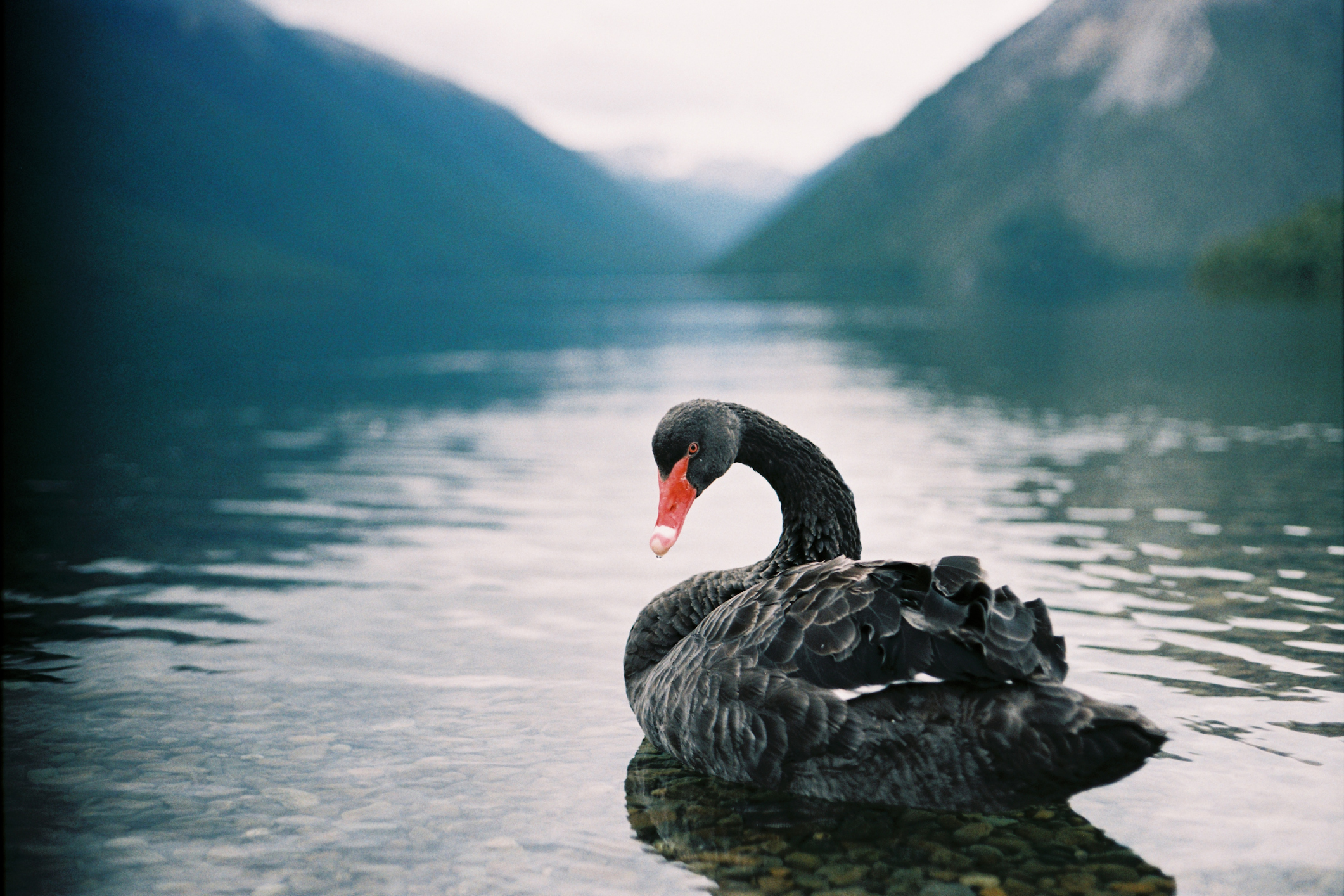
Head towards Lake Rotomahana and look out across the water for black swans (Cygnus atratus). Their dark plumage and vivid red bills make them easy to identify as they glide across the lake. They feed mainly on submerged freshwater plants, although they may also graze on vegetation around the shoreline when water levels make aquatic plants harder to reach.
New Zealand dabchick
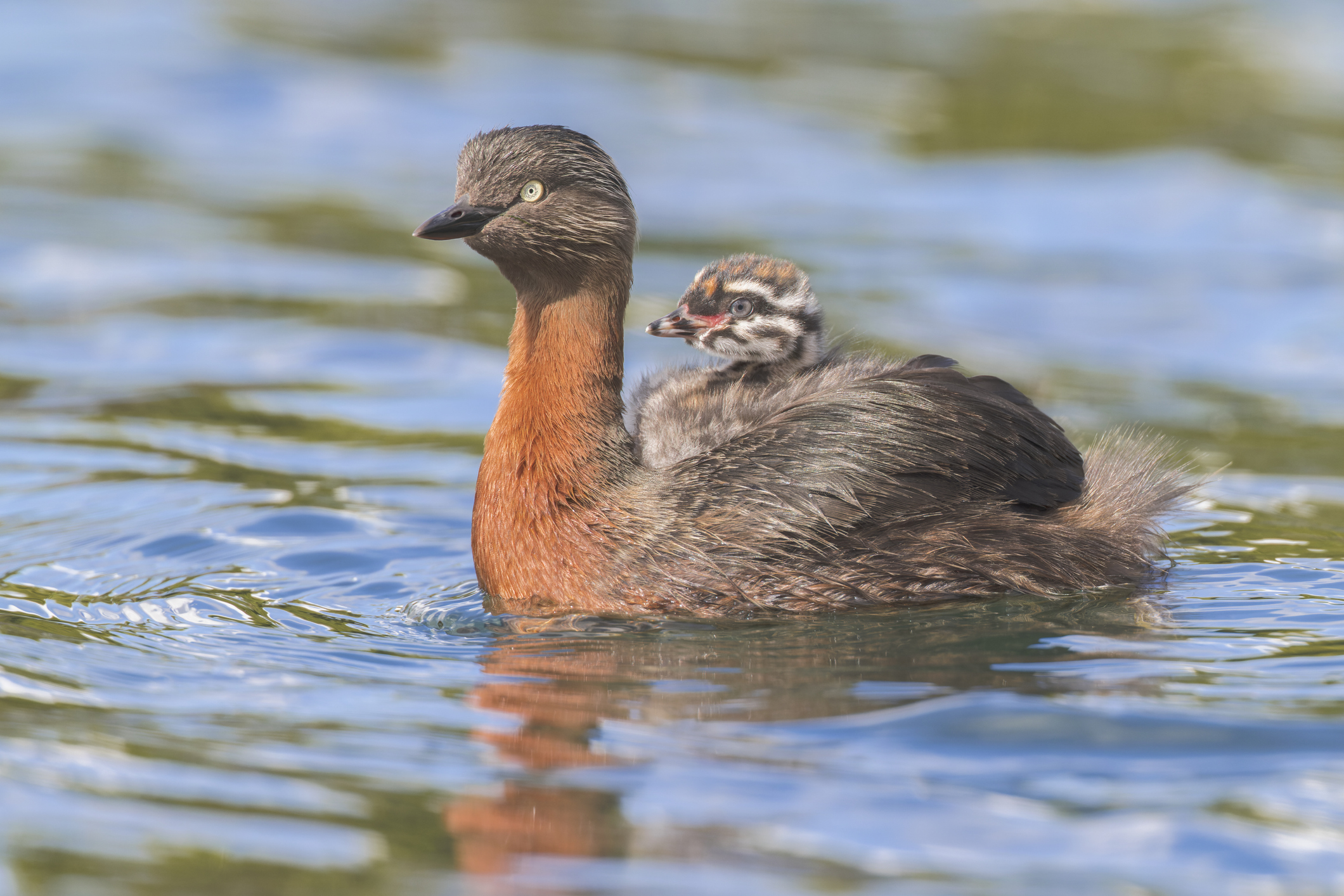
Lake Rotomahana is also home to the New Zealand dabchick (Poliocephalus rufopectusa), a small diving waterbird found mainly around lakes in the central North Island. These birds are surprisingly accomplished divers, plunging underwater to catch small aquatic animals and can remain submerged for up to 40 seconds.
Discover more fascinating lakes:
- Why are pink lakes pink? The science behind nature's most vibrant waters
- The strange, very peculiar lake that forms a mythical dragon's giant eye every spring
- Deadly African lake appears to turn animals to stone — but the truth is even stranger


