It’s likely that most of the two million annual visitors to the Mount Rushmore National Memorial in South Dakota, USA are oblivious to the wildlife that inhabits the rocky landscape around it.

Yet if they arrive in spring or summer they cannot fail to notice the many wildflowers that clothe the slopes below the giant sculptures of Presidents George Washington, Thomas Jefferson, Theodore Roosevelt and Abraham Lincoln.
- These photos of US wildlife are absolutely astonishing
- 21 stunning wildlife photos from Grand Teton National Park
They may also be aware of the turkey vultures and red-tailed hawks flying past the granite heads, and spot the mountain bluebirds and red-naped sapsuckers in the trees by the visitor centre.
Other frequent encounters might be with chipmunks and American red squirrels looking for a sneaky snack in the picnic areas.
- What's the biggest national park in the world? And no, it isn't the one you think it is...
- 16 stunning photos that reveal the incredible beauty and power of the world’s oldest national park
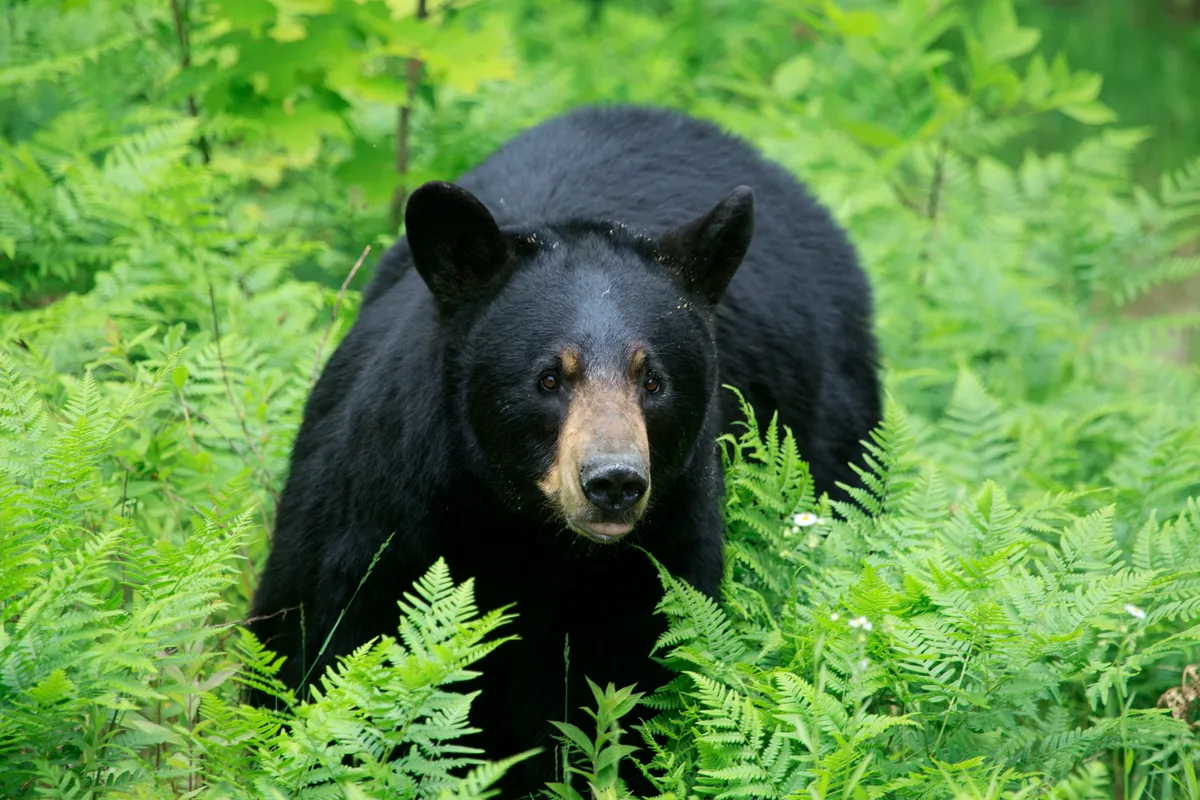
Much less likely are meetings with coyotes or mule deer. Rarer still would be a glimpse of a black bear, bobcat or mountain lion, even in the parts of the park less trodden by humans.
Mount Rushmore is situated at the edge of the Black Hills National Forest, a vast area of mainly old-growth ponderosa pine trees bordered by even vaster prairie lands.
There are few human habitations to disrupt nature and much native wildlife stays away from the popular attraction and out of sight.
Top image: Mount Rushmore. Credit: Cindy Robinson/Getty Images