
Sarek National Park, officially established on 24th May 1909, is widely regarded as Europe’s oldest national park and remains one of the continent’s last great wilderness areas.
Sarek National Park covers an estimated 1,977 square kilometres (760 square miles), within the greater Laponian Area of Northern Sweden. The region was designated a UNESCO World Heritage Site in 1996 in recognition of its exceptional natural and cultural significance.
- What's the biggest national park in the world? And no, it isn't the one you think it is...
- “As if I’m in the real Yellowstone.” These epic, secret mountains are teeming with predators
It is sometimes described as 'Europe’s last true wilderness' as a result of its remoteness and the total absence of infrastructure. Unlike many national parks, Sarek has no marked hiking trails, mountain lodges or guided routes, making it only suitable for experienced hikers.
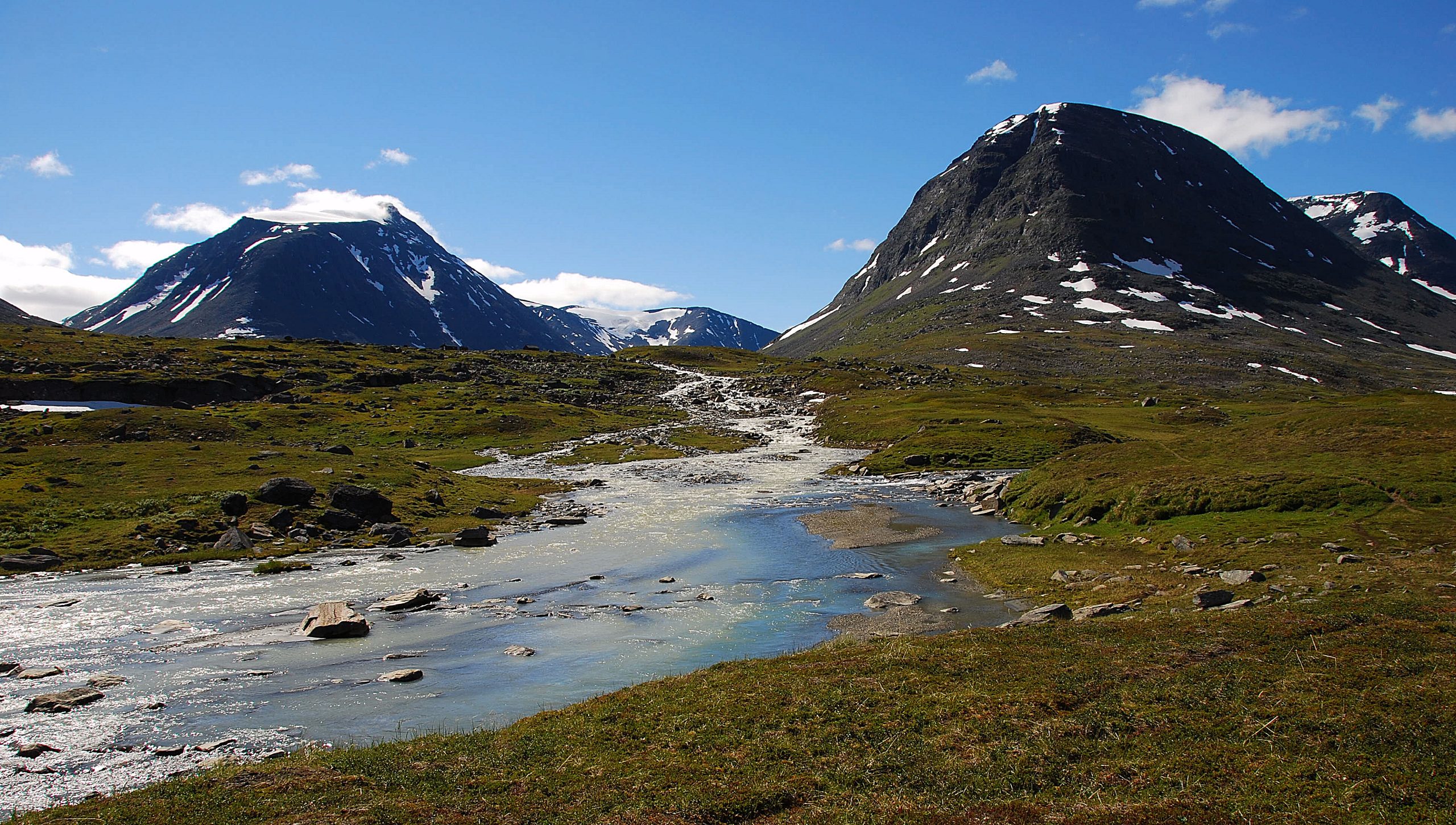
The wild alpine landscape features massive glaciers and fast-flowing rivers that flow through valleys below. Mountain peaks rise above 2,000 metres, creating a dramatic alpine skyline, while the vast tundra plateaus stretch into the distance. Weather conditions can shift rapidly, with snow, rain and strong winds all possible in a single day, even during summer months.
Wildlife in Sarek National Park
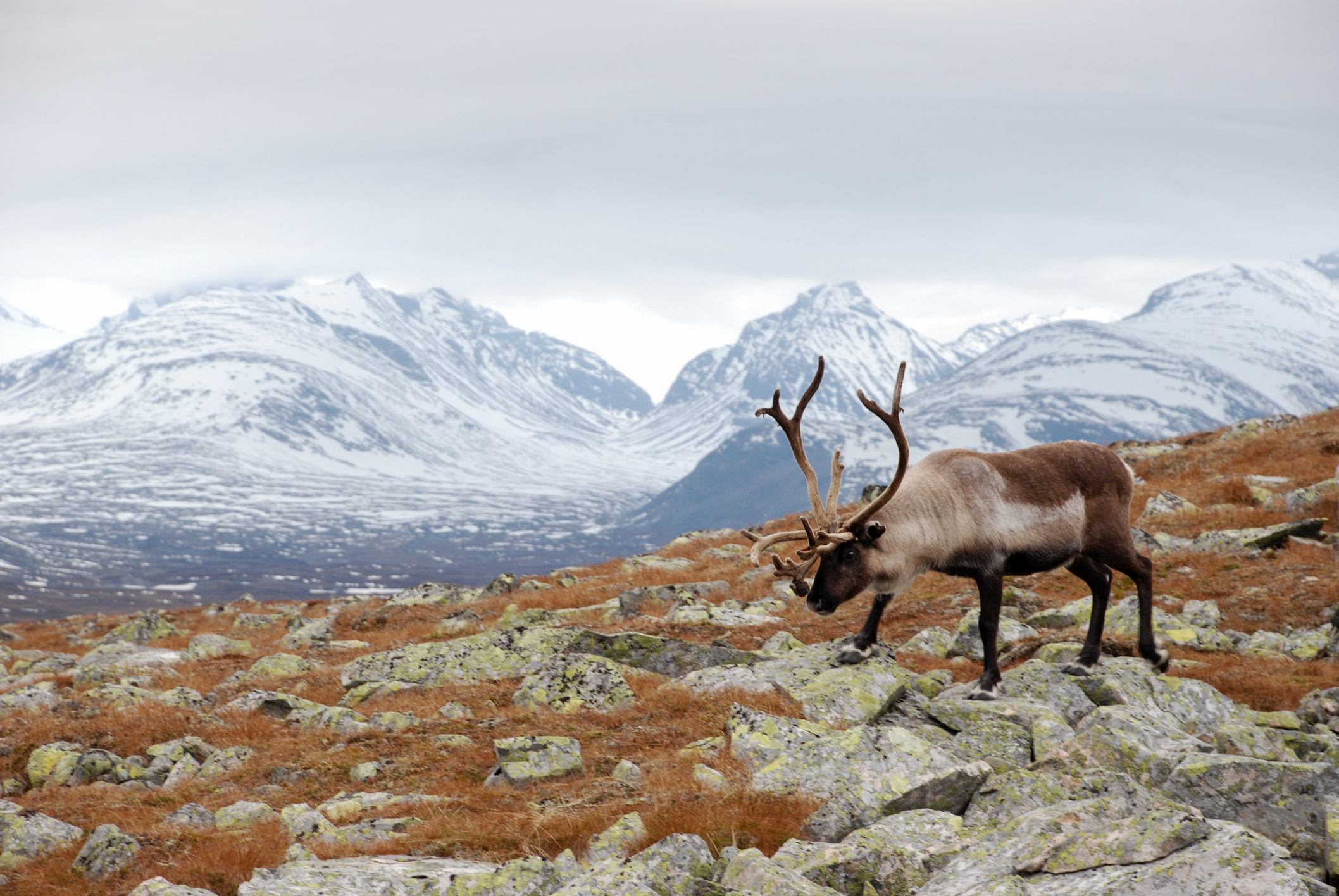
Despite its harsh environment, Sarek supports a remarkable range of wildlife adapted to Arctic conditions. Large mammals such as moose and the semi-domesticated reindeer of the indigenous Sámi people can be found roaming in the valleys, while elusive predators like the Eurasian lynx, wolverine and brown bear can be found in the forested lower slopes.
Golden eagles can be spotted soaring across mountain ridges, hunting for prey in the open terrain. In winter, the Arctic fox can be spotted against the frozen landscape.
- A 'wave' of lynx is moving across Alaska – here's what that means
- Lynx are being pushed to the limit in the high forests of the Rocky Mountains
The parks' glaciers and wetlands play an important role in regulating freshwater systems across the region, feeding rivers that sustain ecosystems far beyond the park’s boundaries. These pristine environments also provide scientists with valuable insights into biodiversity and the impact of climate change, as the retreat of glaciers in Sarek highlights broader environmental shifts occurring across the Arctic.
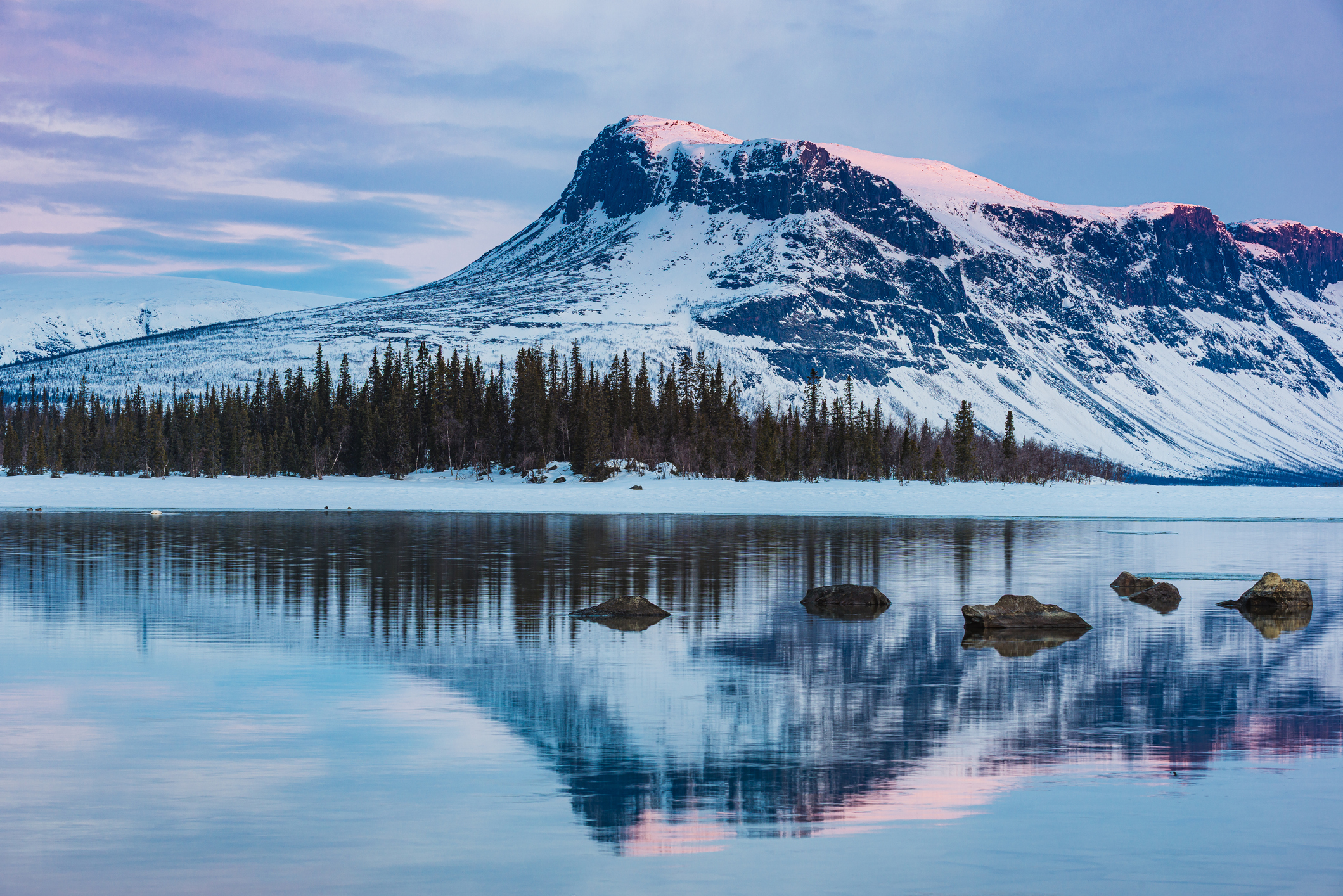
Human presence in Sarek is minimal but culturally significant. For thousands of years, the indigenous Sámi people have used the surrounding lands for seasonal reindeer herding, maintaining a traditional way of life closely connected to the rhythms of the natural world. Their cultural heritage remains an essential part of the broader Laponian landscape.
More amazing wildlife stories from around the world
- "I didn’t know what I was looking at": drone films one of Earth's rarest and weirdest animals
- These are the 10 greatest wildlife spectacles on the planet
- Extremely rare tiger photos captured on epic four-year mission in Sumatran jungle
- Night diver has "shock of lifetime" as immense animal swims out of darkness in Australia
Top image: Rapa Valley in Fall in Sweden's Sarek National Park. Credit: Hans Strand/Getty Images


