
A former golf course in Lincolnshire, England, has been transformed into a new coastal nature reserve, providing valuable habitat for a number of rare and endangered bird species.
Once dominated by fairways and greens, the landscape has been transformed into a mosaic of wetlands, grassland and coastal scrub.
Sitting within the Lincolnshire Coastal Country Park, it will provide an increasingly crucial refuge for wildlife in the face of climate change and environmental pressures.
The 30-hectare reserve (equivalent to 42 football pitches) has been named Sandilands Nature Reserve, and will officially open on 26 September following six years of planning, consultation and habitat creation.
Vital stop-over
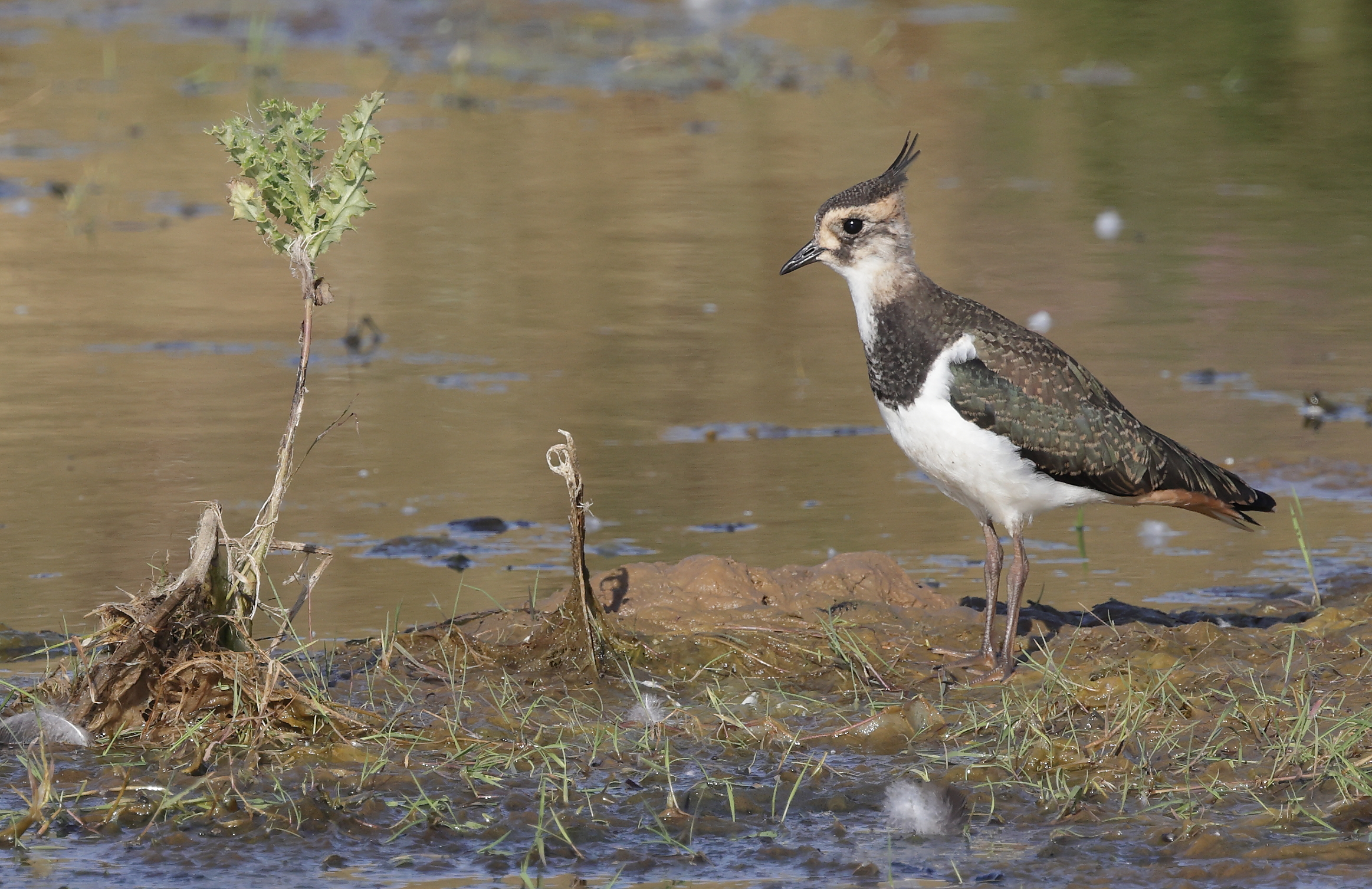
The reserve is expected to provide important habitat for birds including lapwings, snipes, terns and gulls, as well as a vital stopover point for migratory species, such as black-tailed godwits, spotted redshanks and spoonbills.
Sandilands is part of the internationally important East Atlantic Flyway, a globally significant bird migration route. Every year, thousands of birds made up of more than 155 different species travel along the UK’s east coast between the Arctic and northern European breeding grounds and wintering areas further south.
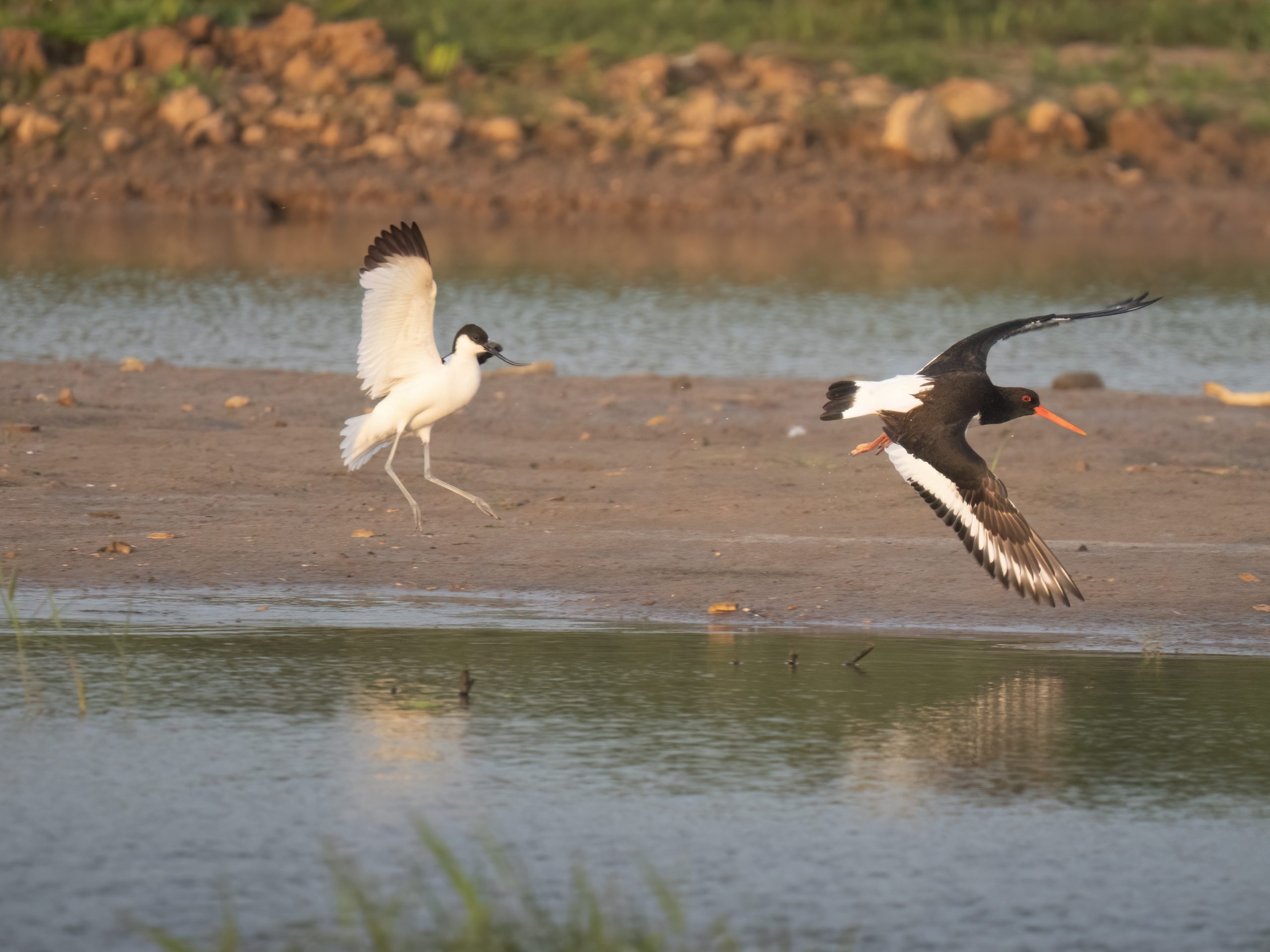
“Even before the project was officially complete, nature had begun to return. This year, avocets and oystercatchers successfully nested and bred, while little ringed plover chicks were recorded on site for a second consecutive year,” said Katie Scott, area ranger for the National Trust at Sandilands.
“Many of the species we’ll see at Sandilands are endangered or rare (having a red or amber conservation status), travelling thousands of miles on their extraordinary migrations, and depend on places like this to rest, feed and breed.
“Creating this new area of wetland to form a part of the Coastal Park will further extend the safe refuges for these birds to recharge and refuel each year, ensuring they can survive and thrive.”
- A majestic shot of a roseate spoonbill among winners of 2026 Audubon Photography Awards
- Adorable image of chick shielding its siblings among winners of Bird Photographer of the Year 2026
Transforming a golf course into a nature reserve was not easy work – it included earthworks with nearly 52,000 cubic metres of earth moved (enough to fill Big Ben’s Elizabeth Tower 11 times over). More than 35,000 native coastal shrubs, including sea buckthorn, gorse, goat willow and blackthorn have been planted in the reserve.
“We were very mindful of bird breeding patterns and migratory cycles so the work to transform this special area of coast was very ‘stop-start’ to avoid any disturbance during their vital nesting season,” said Nicola Craven, coast & countryside manager for the Lincolnshire coast at the National Trust.
“We have also faced various challenges over the past couple of years due to the various droughts and record-breaking heat. However, now the work is complete we look forward to the wetlands really starting to transform over the winter period.
“Our ambition is for this site to continue its natural recovery over the next decade, creating richer habitats, supporting more species and offering greater opportunities for people to connect with nature close to where they live.”
The creation of Sandilands Nature Reserve was supported by Mablethorpe Towns Fund, National Highways, and the UK Government Shared Prosperity Fund, delivered by East Lindsey District Council, alongside local partners, community groups and volunteers.
Images and videos of Sandilands Nature Reserve
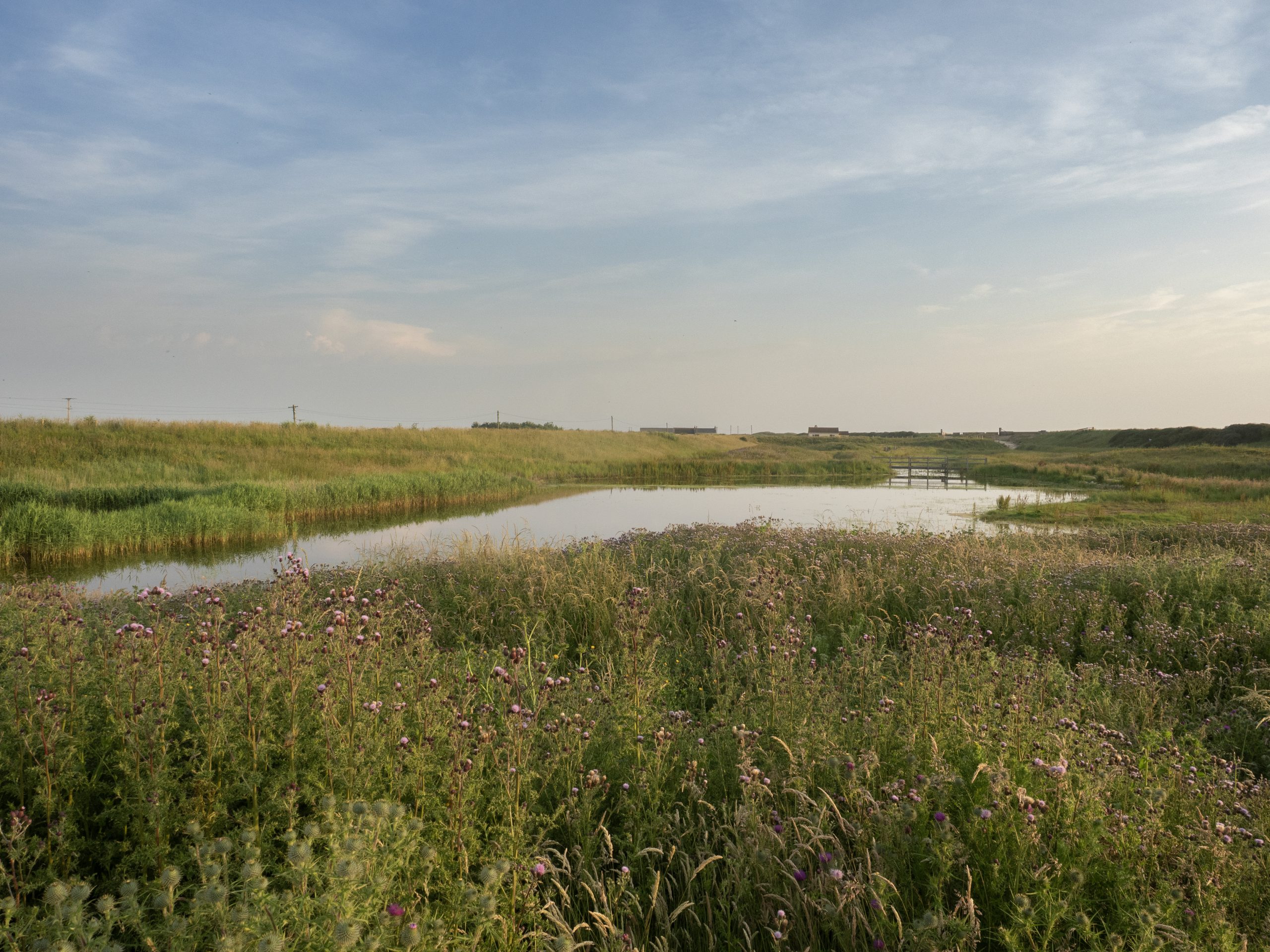
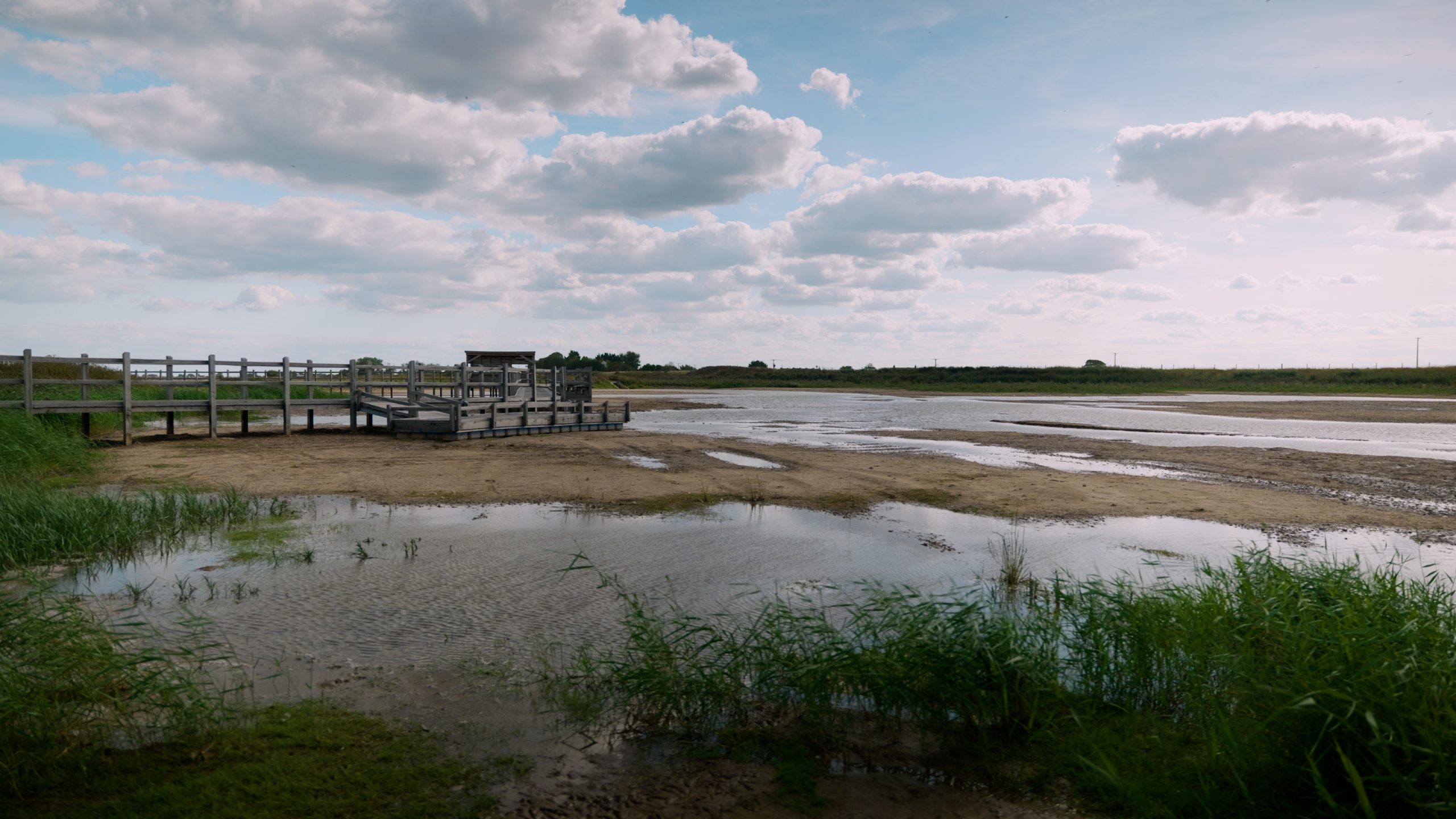
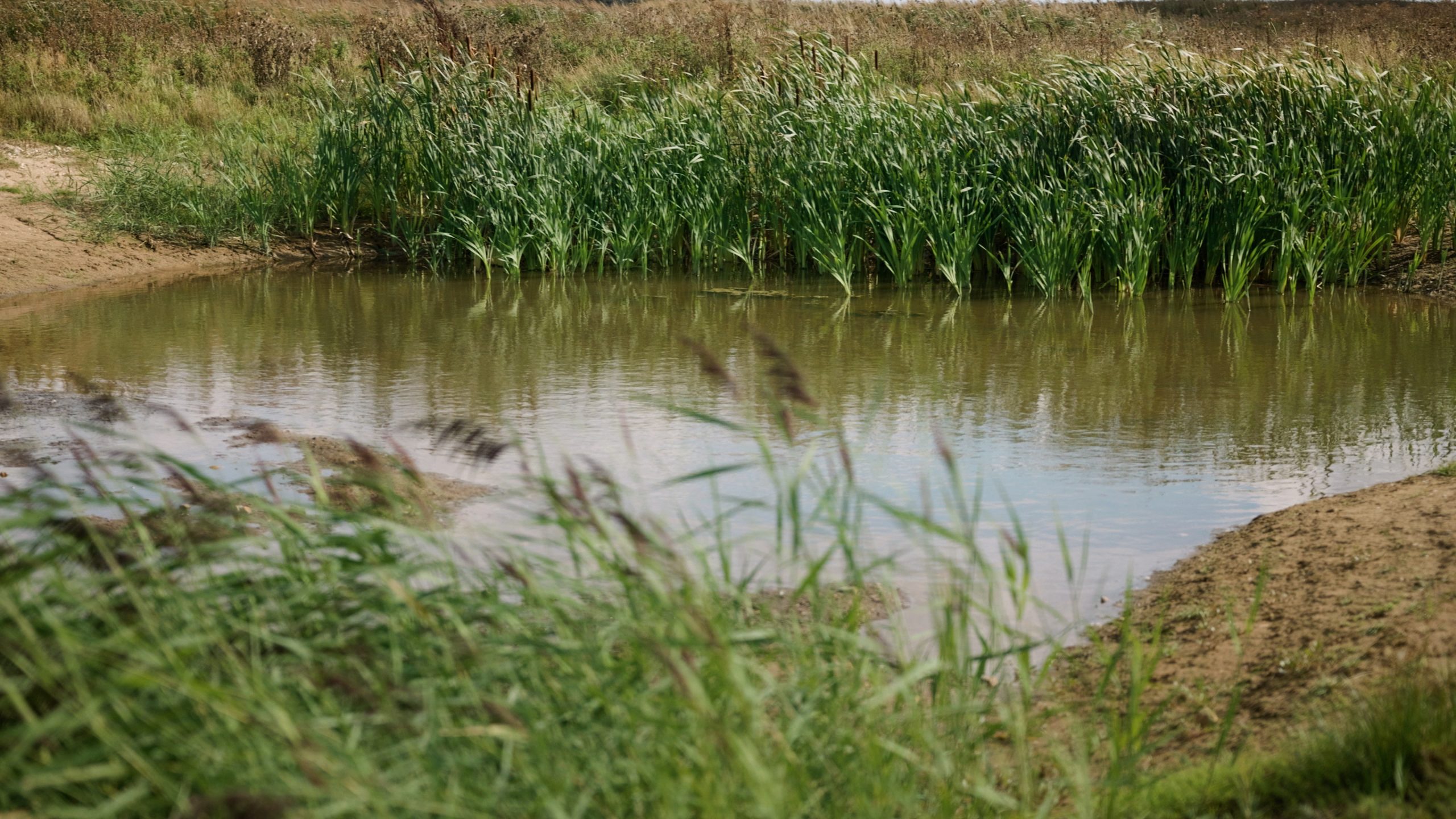
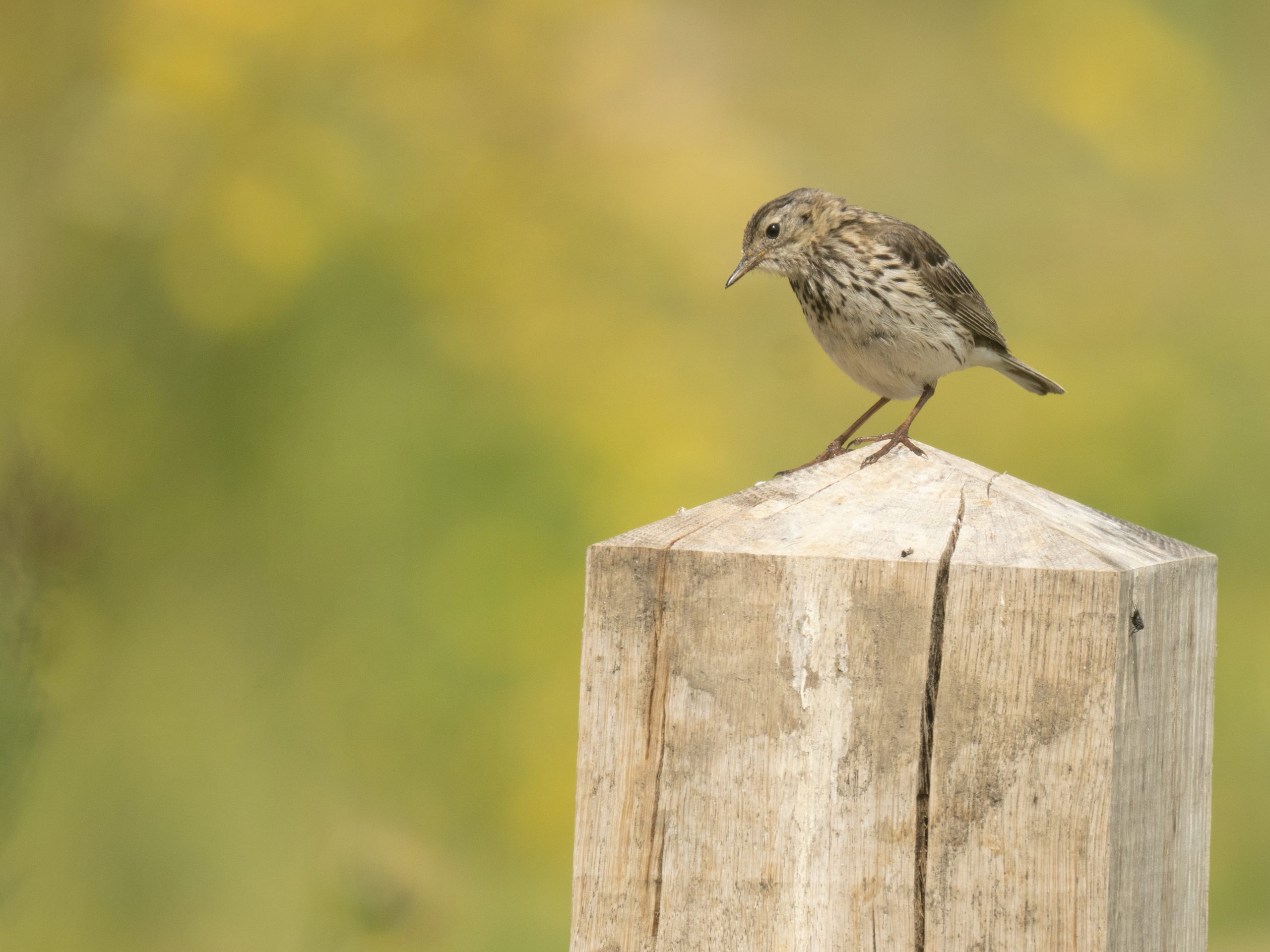
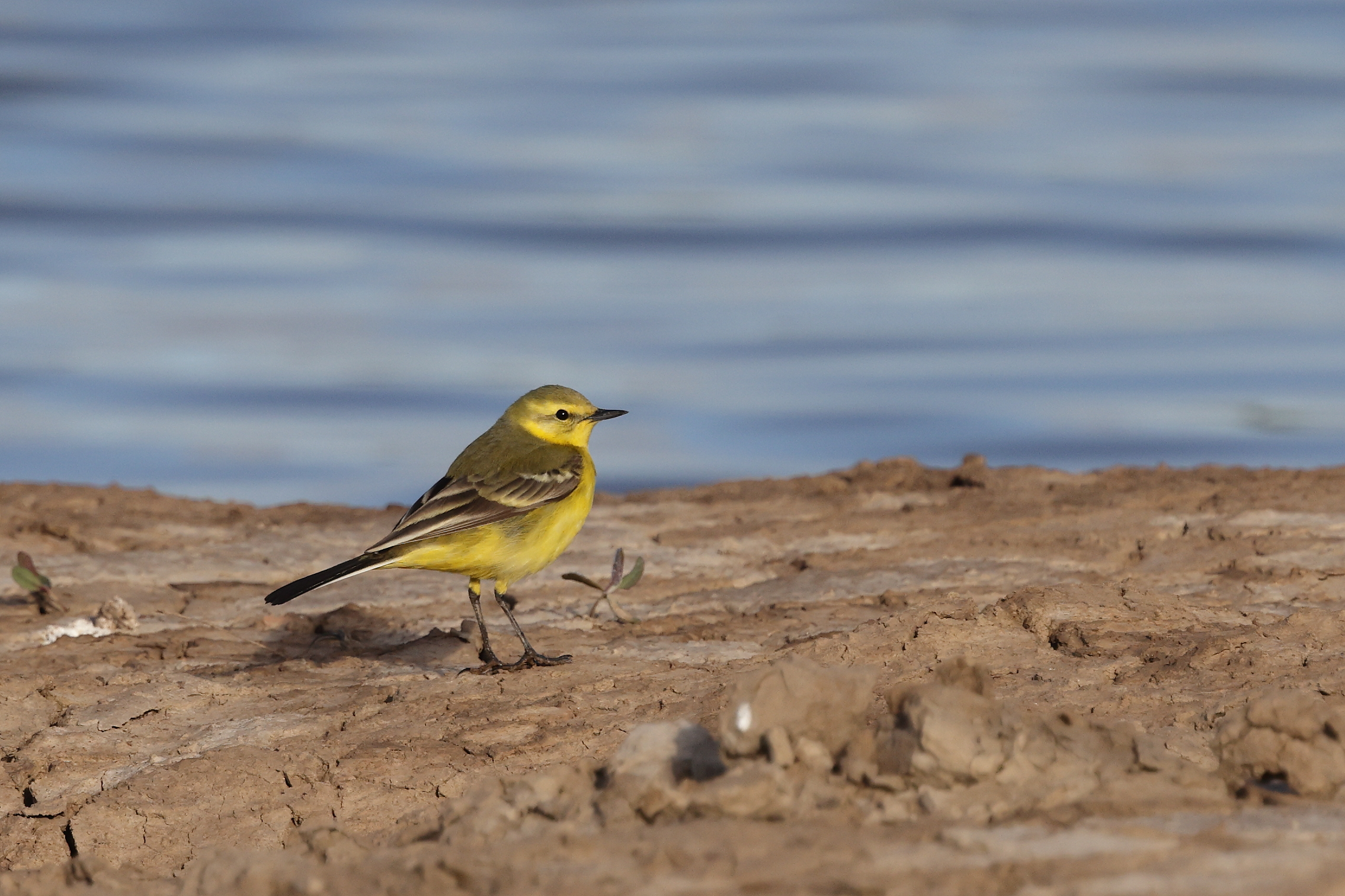
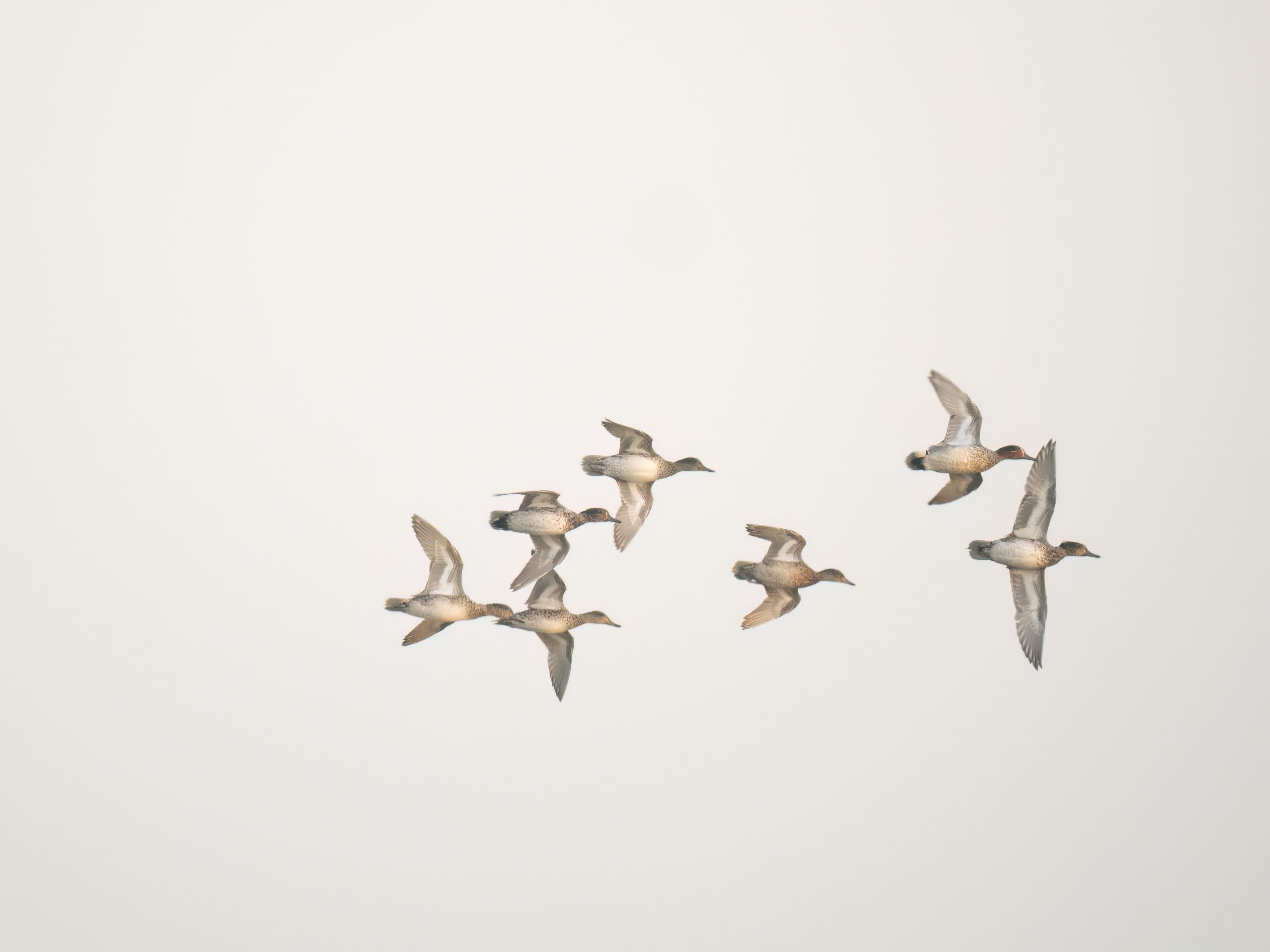
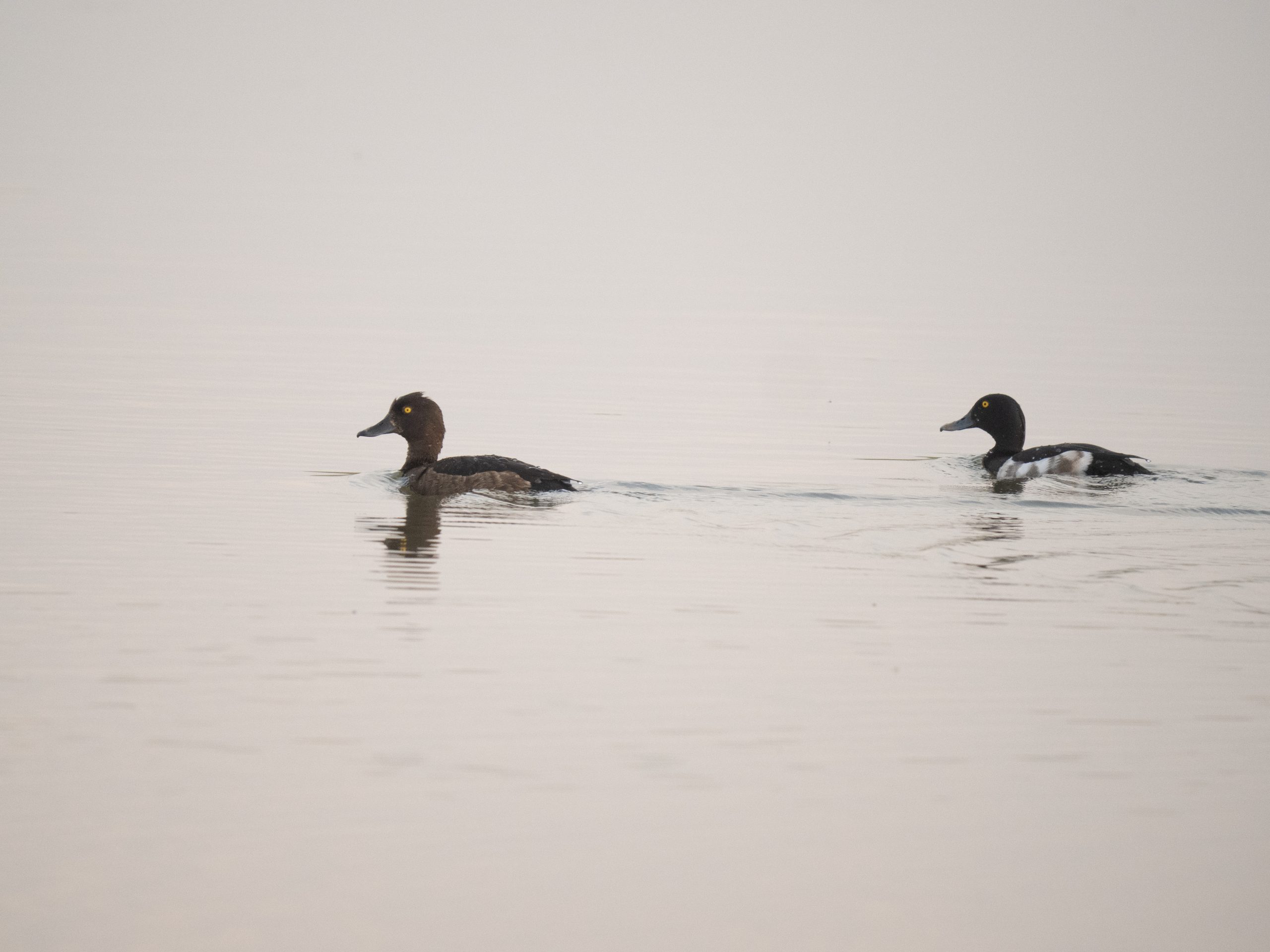
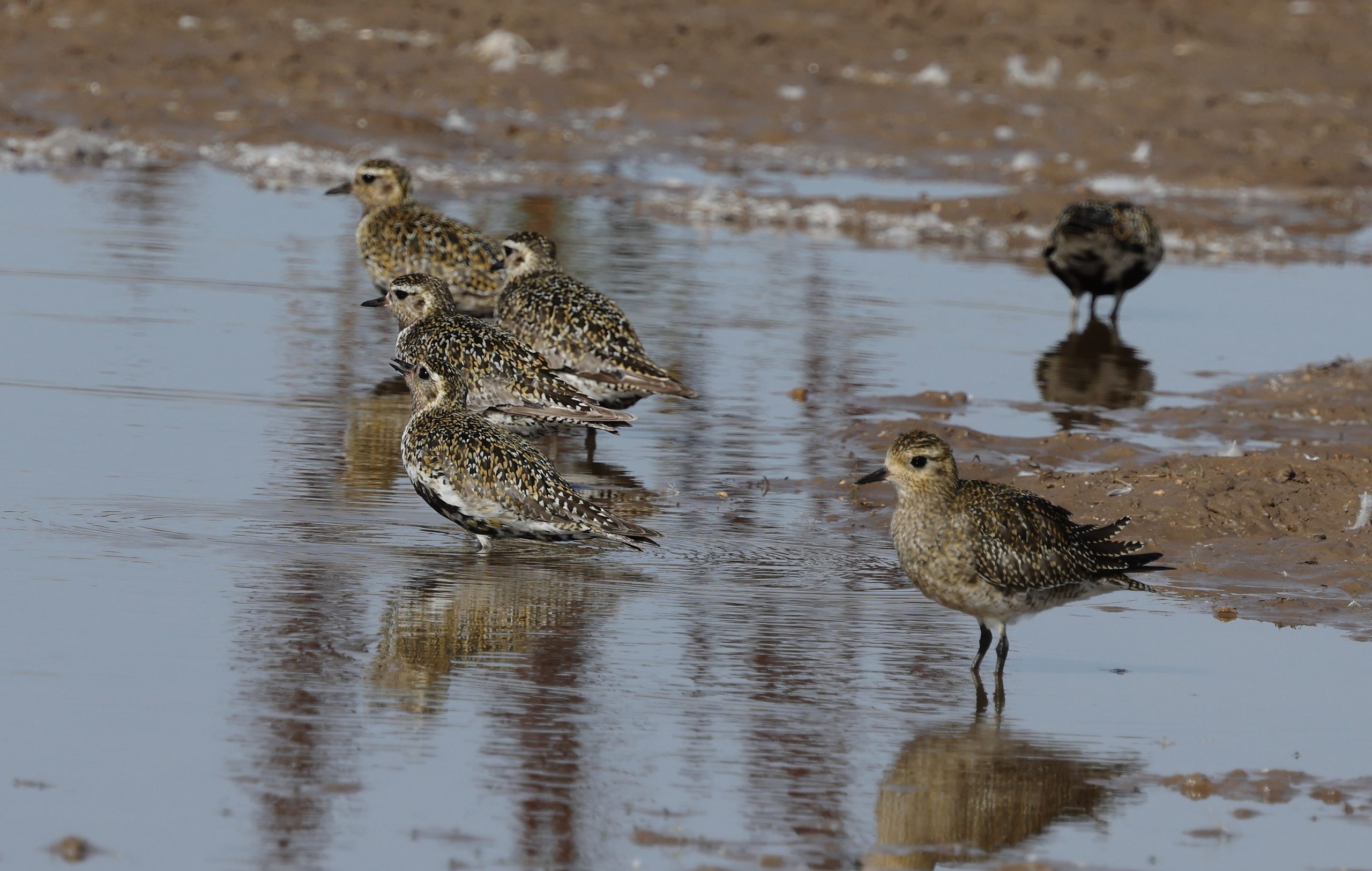
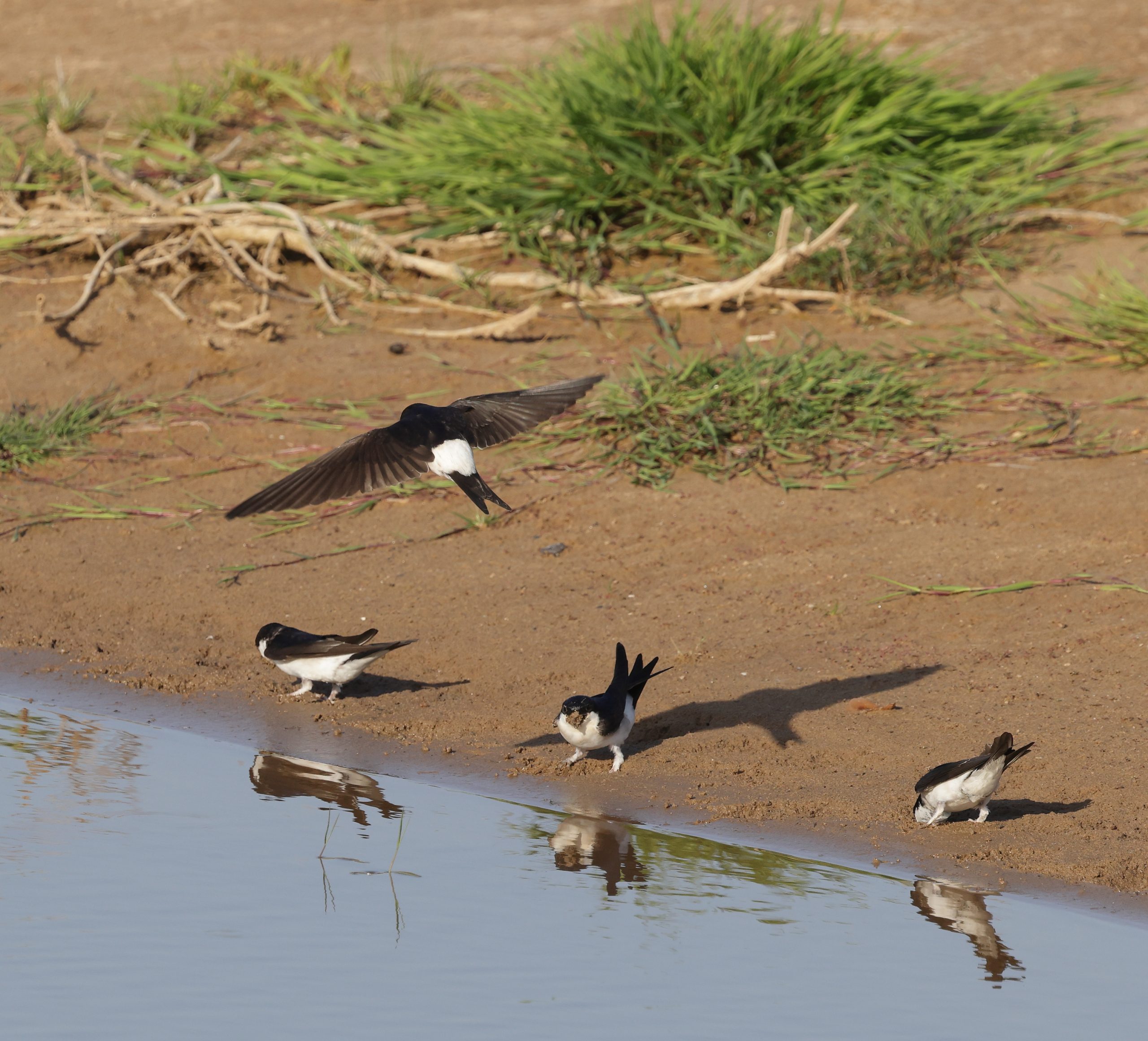
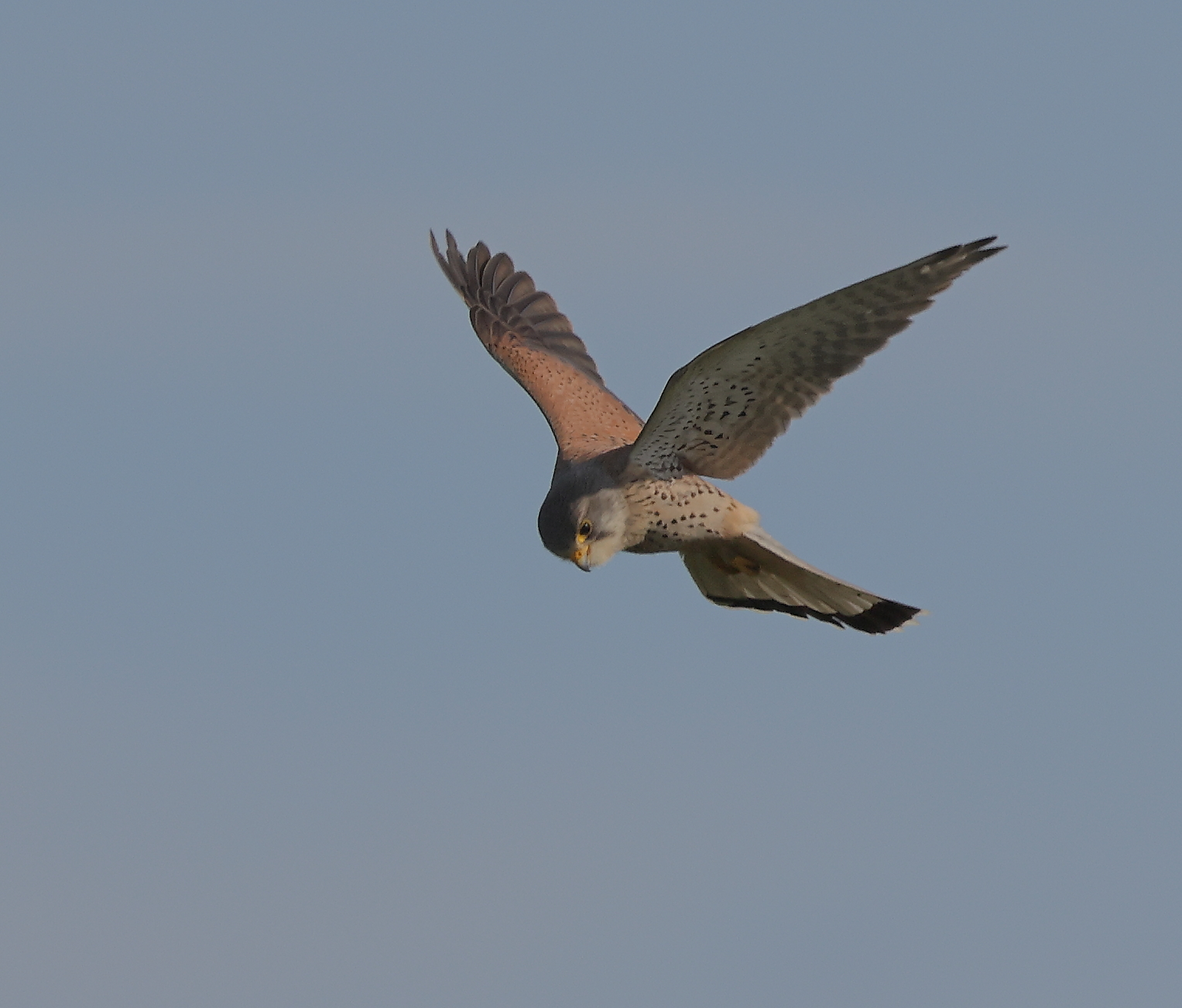
Birds you can spot at Sandilands Nature Reserve
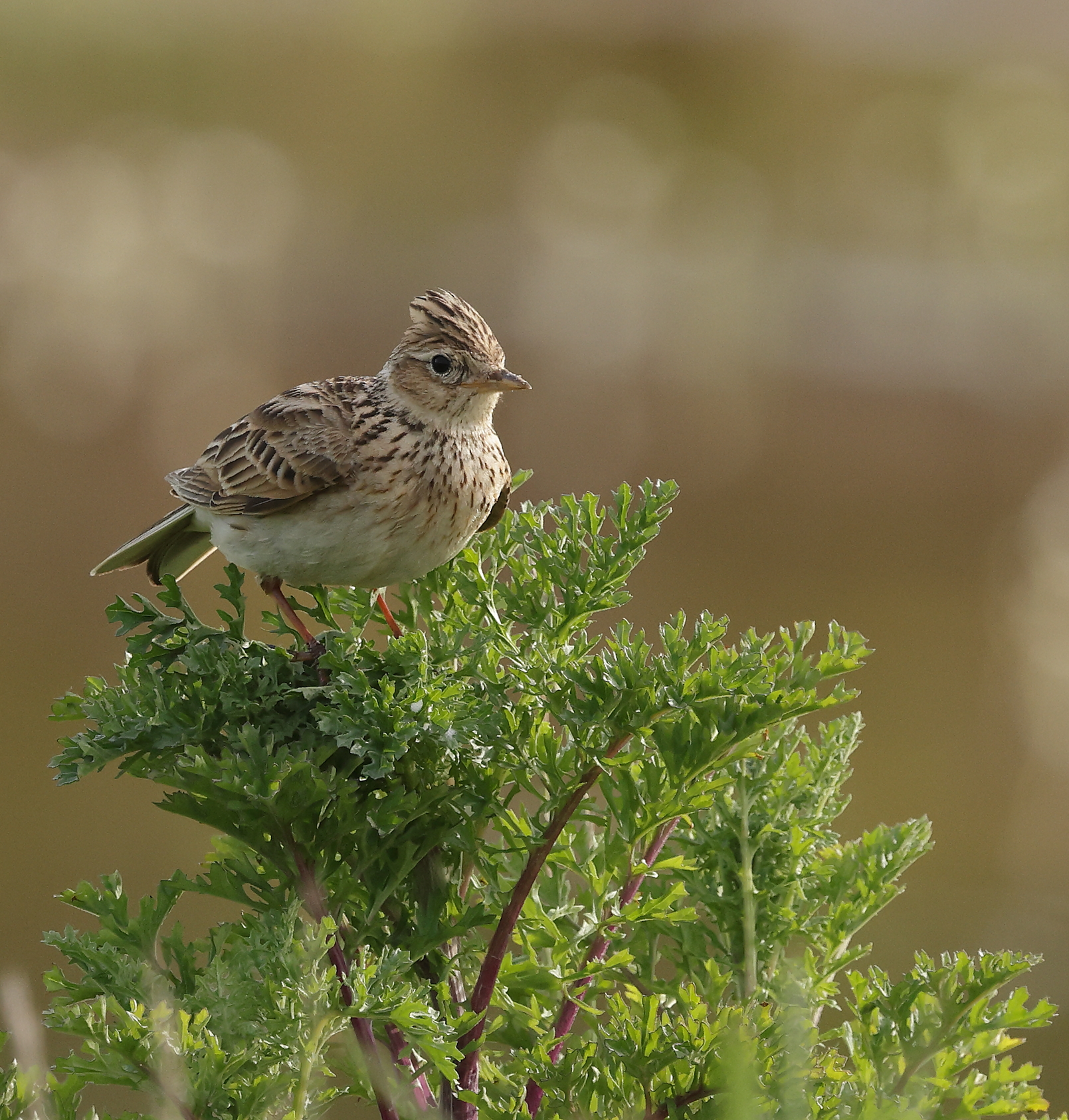
Top image: Artist impression of the new wetlands at Sandilands. Credit: Peter Farmer and Wayne Lagden


